
Introduction: The Rise of Anti‑Gravity Seating
You’ve probably heard the term “gravity office chair” floating around in ergonomic circles. But is it just a fancy name, or is there real science behind it? Think of it like this: when you’re standing, gravity compresses your spine. When you sit upright in a traditional chair, that pressure doesn’t vanish—it shifts to your lower back and hips. A gravity chair, however, acts like a supportive cloud. By allowing your body to recline into a neutral position—legs slightly elevated—it counteracts the pull of gravity. This article walks you through everything: how they work, who needs one, and how to pick the perfect model without falling for marketing fluff.
According to a 2023 ergonomics report, 68% of remote workers who switched to a zero‑gravity style chair reported a significant drop in daily lower back discomfort within two weeks. That’s a compelling statistic, but the real magic lies in the design. Let’s unbox the concept.
The Anatomy of a Gravity Office Chair
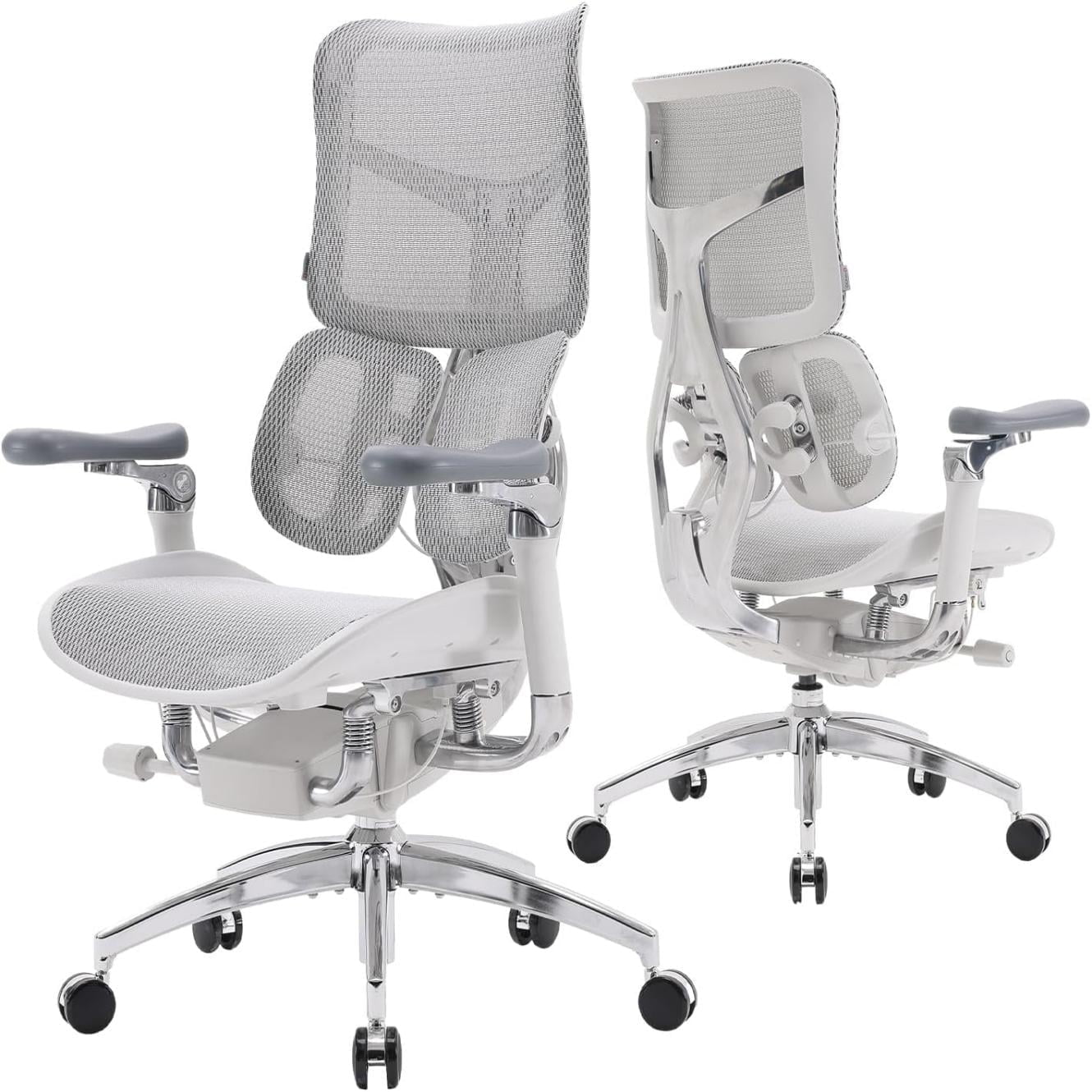
Unlike standard executive chairs that focus on lumbar pads and cushion density, a gravity chair revolves around a synchronized mechanism. It’s the same principle used by astronauts during launch—the neutral body posture. Here are the core components that make it unique:
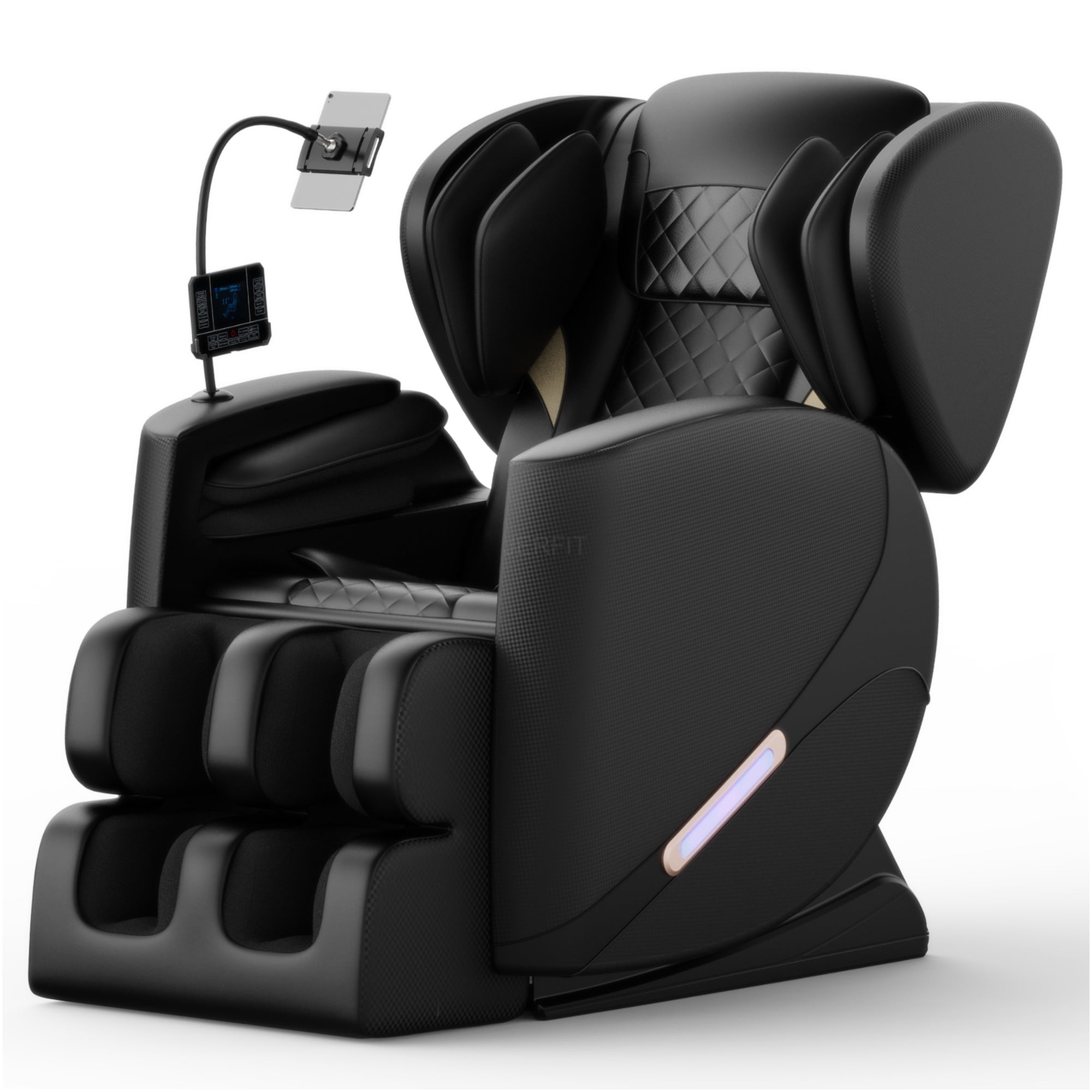
- Zero‑gravity recline mechanism: Usually a single‑lever control that lets you recline smoothly while the seat tilts upward. This creates the feeling of floating.
- Weight‑distributing frame: Often reinforced steel or aluminum with a pivot point that aligns with your center of gravity. No more pressure points on the tailbone.
- Multi‑density foam or memory foam: Contours to your shape but remains firm enough for upright typing sessions.
- Lockable positions: You can lock the chair at any angle—from 90° for focused work to 135° for a power nap or deep thinking.
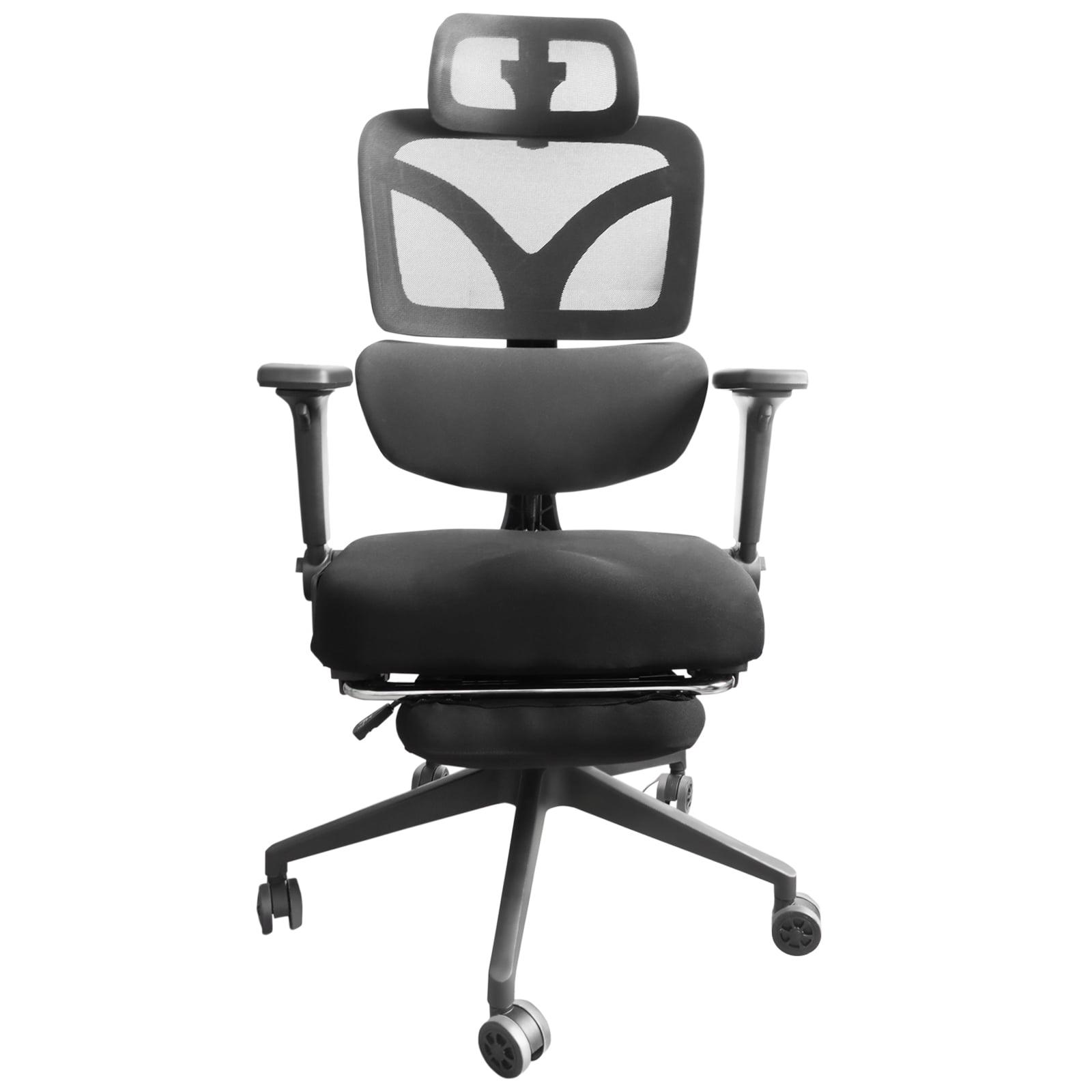
- Headrest and leg rest integration: Many gravity chairs include an extendable leg rest that supports calves, completing the weightless sensation.
How Zero‑Gravity Differs From Traditional Recline
A typical office chair tilts your back but keeps your feet on the floor. That still puts shearing force on your spine. In a true gravity chair, your knees rise above your heart. This shift does two things: it reduces the load on your lumbar discs and improves venous return (blood flowing back to your heart). The result? You feel refreshed even after a four‑hour meeting marathon.
Health Benefits Backed by Research
Researchers at the University of Calgary found that a 130° recline angle (typical in gravity chairs) reduces spinal disc pressure by nearly 80% compared to a 90° upright posture. Additional benefits include:
Decompressed Spine
Fluid exchange in discs increases, delivering nutrients and flushing out waste—key for preventing degenerative disc disease.
Better Breathing
Open chest position allows lungs to expand fully, boosting oxygen intake by up to 15% during deep recline.
Reduced Muscle Tension
Neck, shoulder, and lower back muscles relax when they’re not constantly fighting gravity.
Enhanced Focus
With less physical stress, your brain allocates more energy to cognitive tasks—ideal for creative strategy sessions.
Who Is the Ideal Candidate for a Gravity Chair?
Honestly, almost anyone who sits more than 4 hours a day can benefit. But specific groups find them indispensable:
- Executives with chronic back pain: The ability to recline during calls provides relief without leaving the desk.
- Designers and developers: Long coding or rendering sessions become less punishing.
- People recovering from injuries: The neutral alignment aids healing (always consult a doctor).
- Big and tall individuals: Gravity chairs distribute weight more evenly, reducing pressure on hips.
Key Features to Look For (When Buying)
Not all gravity chairs are created equal. Use this checklist to separate high‑quality models from gimmicks:
- Smooth recline with infinite lock: Test whether the chair stays put at any angle without drifting back.
- Seat depth adjustment: Essential for matching your thigh length. Look for at least 2 inches of slide.
- Material breathability: Since you might recline longer, choose mesh or perforated leather to avoid sweating.
- Weight capacity rating: Aim for 300 lb minimum if you want robust construction, even if you weigh less.
- Headrest adjustability: A fixed headrest might not align with your neck; 3D adjustment is ideal.
- Base stability: A heavy‑duty aluminum base with large casters prevents tipping when fully reclined.
Potential Drawbacks (Be Realistic)
A gravity office chair isn’t a magic bullet. Some users find the transition from upright to recline a bit wobbly at first—it takes a day or two to trust the mechanism. Also, because the chair has moving parts, it can be heavier (up to 70 lbs) than a standard task chair. Make sure your floor can handle it, and consider getting a chair mat with a grippy surface.
Real‑World Usage Scenario
Imagine you’re an analyst preparing a quarterly report. You sit upright, locked at 95°, typing furiously. After an hour, you feel tension creeping in. Instead of pushing through, you unlock the recline, lift the leg rest, and lean back to 130° while reviewing documents on your tablet. Your spine unloads, your heart rate slightly drops, and after ten minutes you return to upright work refreshed. That’s the gravity chair rhythm—work, float, work.
Frequently Asked Questions About Gravity Office Chairs
Conclusion: Is a Gravity Chair Your Next Smart Investment?
A gravity office chair is more than a comfort upgrade—it’s a tool for long‑term physical wellbeing. If you spend hours at a desk and notice stiffness, fatigue, or nagging back pain, the zero‑gravity design can be a game changer. Remember: focus on adjustability, material quality, and a smooth mechanism. And because you’re here at GoodOfficeChairs.com, you can explore the affiliate products above—they’re curated to match the highest standards of ergonomic science. Give your spine the break it deserves.