
ACTIVE SITTING REVOLUTION
Imagine your office chair not as a static throne, but as a gentle, supportive wave. That's the promise of the ergonomic rocking office chair. It's a response to one of modern work's biggest paradoxes: we need to sit for hours, but our bodies crave movement. For decades, we've been told to "sit up straight" and hold still. But what if the key to better focus, less back pain, and higher energy wasn't stillness, but controlled, rhythmic motion?
This isn't about the wooden rocker on your grandma's porch. Today's ergonomic rocking office chairs are precision tools. They blend the physics of a glider with the adjustability of a high-end task chair. The result? A seat that moves with you, keeping your spine aligned, your core engaged, and your mind alert. Whether you're a programmer, a writer, or a CEO in back-to-back meetings, an ergonomic rocker could transform how you feel at the end of the workday.
The Science of Motion: Why Your Spine Needs to Rock
Static sitting is a physiological stressor. When you don't move, blood pools in your legs, spinal discs lose hydration, and back muscles stiffen to hold you upright. The ergonomic rocking office chair introduces a continuous, gentle pendulum motion. This micro-movement acts like a pump for your circulatory system and a gentle massage for your intervertebral discs. According to research from the University of Loughborough, dynamic sitting can increase spinal disc hydration by 20% compared to static sitting, reducing the risk of degenerative disc disease.
Key Physiological Benefits of Rocking While You Work
- Enhanced spinal nutrition: The rocking motion encourages diffusion of fluids into spinal discs, keeping them plump and healthy.
- Reduced muscle fatigue: Constant micro-adjustments prevent any single muscle group from becoming overworked, unlike static perching.
- Improved circulation: Leg movement (even subtle) helps venous return, reducing the risk of deep vein thrombosis and swelling in the lower legs.
- Core engagement: To maintain balance while rocking, your abdominal and lower back muscles are lightly but constantly engaged, strengthening your core over time.
- Calorie expenditure: While not a replacement for exercise, rocking can increase energy expenditure by 10-15% compared to sitting still—enough to burn an extra 50-100 calories over a full day.
How an Ergonomic Rocking Chair Differs from a Traditional Rocker
- Base design: Traditional rockers have curved runners; ergonomic office rockers use a stable, spring-loaded mechanism or a subtle curved base that prevents tipping and keeps your feet planted.
- Adjustability: You can adjust seat height, back angle, and often the rocking tension to match your weight and preference—something impossible with traditional rockers.
- Lumbar support: Built-in, contoured lumbar support maintains the spine's natural S-curve even while in motion.
- Swivel and casters: Most models include 360-degree swivel and smooth-rolling casters, so you're not anchored to one spot.
✅ Pros of Ergonomic Rocking Chairs
- Natural fidgeting: Satisfies the urge to move without leaving your desk.
- Focus booster: The gentle rhythm can help maintain concentration, similar to pacing while thinking.
- Versatile: Suitable for meetings, deep work, and even brief moments of relaxation.
- Space-efficient: No need for a separate balance ball or standing desk; it's an all-in-one solution.
- Back pain relief: Many users report significant reduction in lower back discomfort after switching.
⚠️ Considerations Before Buying
- Learning curve: If you're used to rigid chairs, the motion might feel unusual for the first few days.
- Not for everyone: Individuals with certain vestibular (inner ear) disorders might find motion unsettling.
- Build quality variance: Cheap models may have squeaky mechanisms or unstable bases—stick to reputable brands.
- Price: True ergonomic rockers with good adjustability often start around $400–$800.
Types of Ergonomic Rocking Office Chairs
Not all rockers are created equal. Understanding the different mechanisms helps you pick the right one for your workflow.
1. The Gliding Base Rocker
This type features a curved, sled-like base that glides forward and back on the floor. It offers the most natural, traditional rocking feel. Best for people who want a wide, smooth range of motion and have even flooring (carpet or hard floors).
2. The Spring-Loaded Pivot Rocker
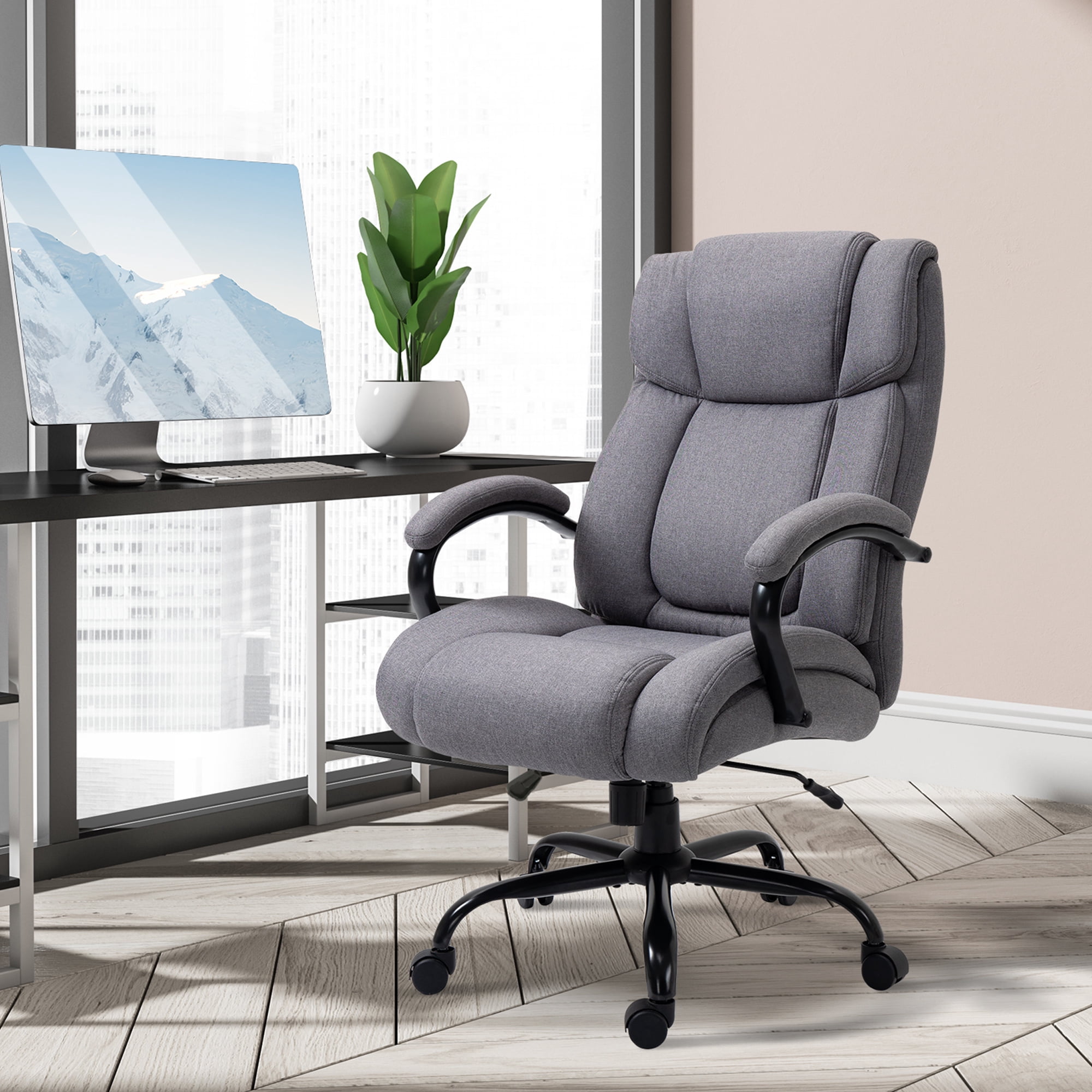
Here, the seat pivots on a central spring or gas lift mechanism. The rocking is more subtle and often adjustable via a tension knob. This style usually retains full swivel and caster functionality, making it ideal for dynamic office tasks where you need to roll around.
3. The Hybrid Ergonomic Rocker
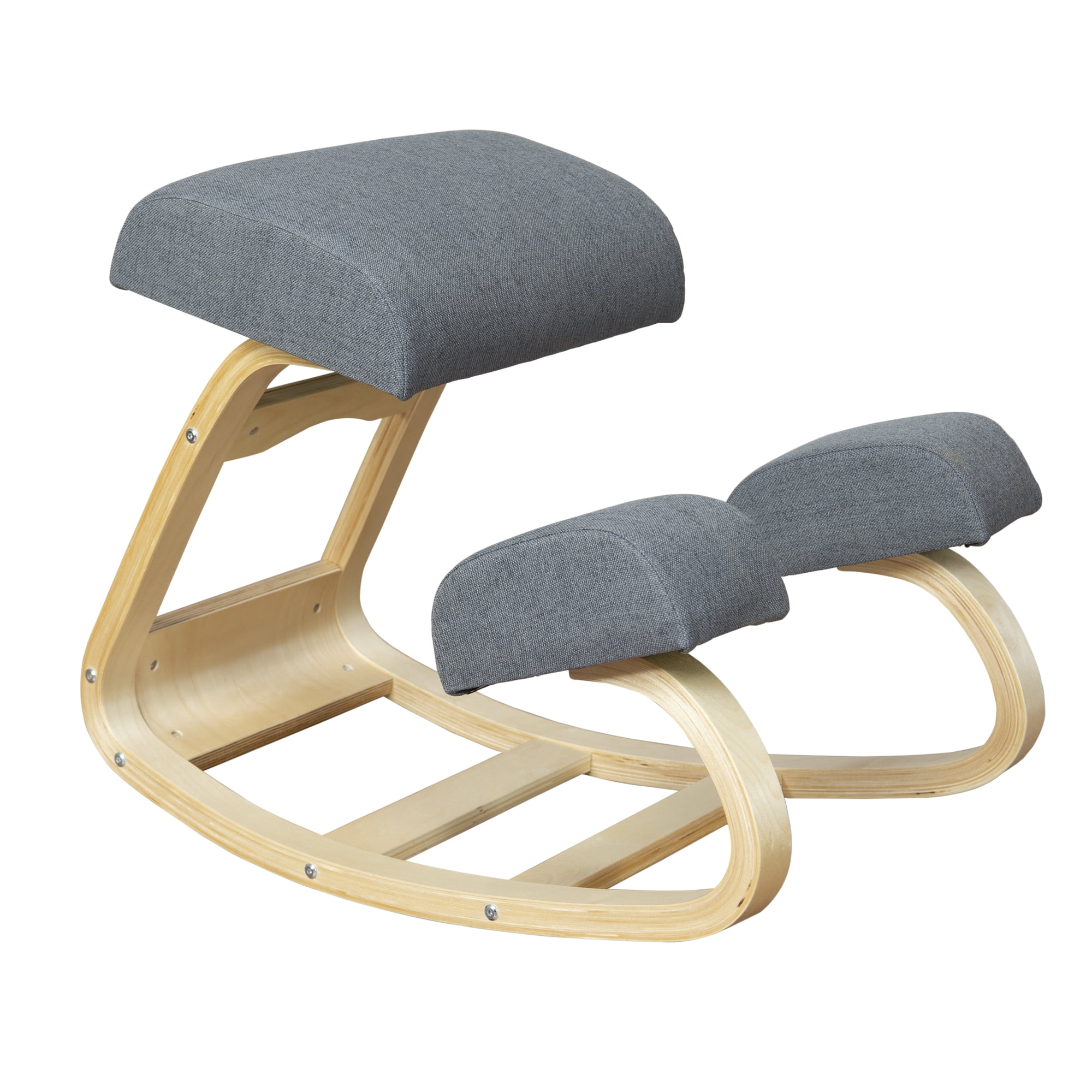
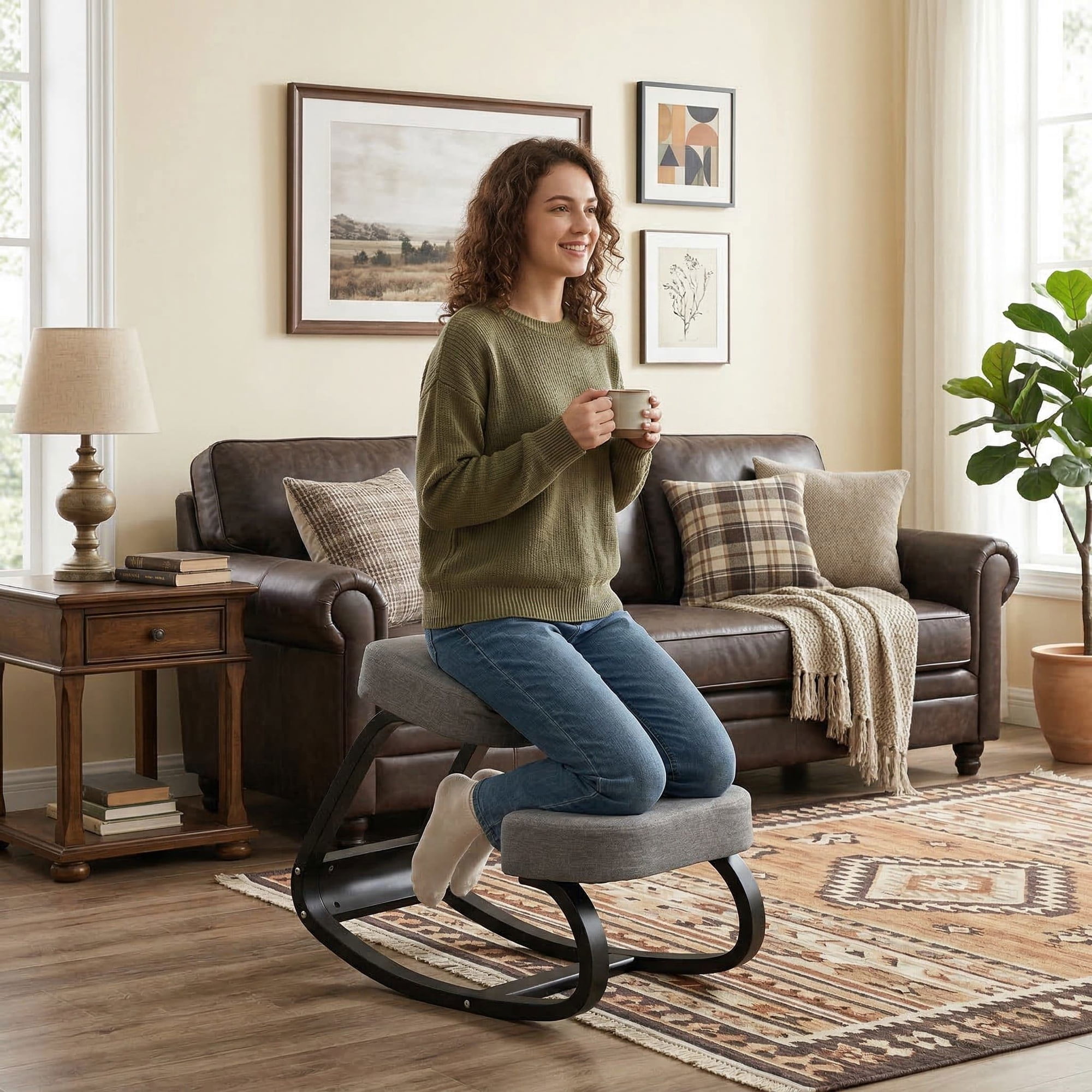
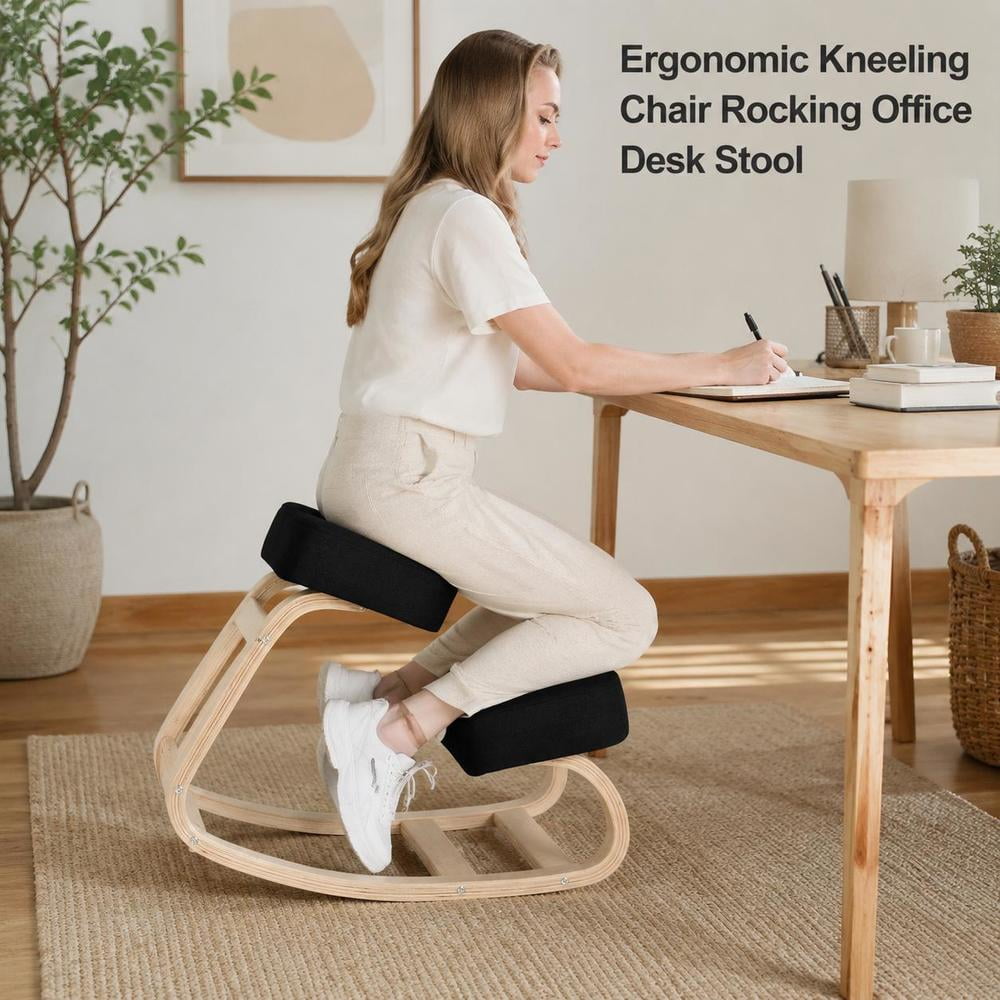
These combine elements of kneeling chairs or saddle seats with a rocking function. They tilt your hips forward (like a kneeling chair) while allowing you to rock, promoting an ultra-open hip angle. Great for people with hip flexor tightness.
“After two weeks with an ergonomic rocking office chair, my chronic lower back ache—which I’d had for five years—simply vanished. The constant micro-motion keeps my spine loose. It’s like my chair is a physical therapist I get to sit on all day.” — Dr. Emily Tran, DPT
Selecting Your Ideal Ergonomic Rocking Chair: Feature Checklist
| Feature | Why It Matters for Rocking | What to Look For |
|---|---|---|
| Rocking tension control | Lets you adjust how easily the chair moves, accommodating your weight and preferred motion intensity. | Knob or lever under seat; range from very stiff (barely moves) to very loose (full glide). |
| Locking mechanism | Useful when you need to be completely still (e.g., signing documents, precise mouse work). | One-touch lock that fixes the chair in a neutral position. |
| Seat edge (waterfall front) | Prevents pressure behind knees during the forward phase of rocking, maintaining circulation. | Soft, downward-curving front edge with padding. |
| Base stability | A wider base prevents tipping during enthusiastic rocking. | 5-point star base (for pivot rockers) or wide-glide rails (for sled bases). |
| Caster type | For pivot rockers, you still need to roll. Hard floors require soft casters. | Dual-wheel casters with floor-type designation (e.g., urethane for hardwood). |
Who Will Benefit Most from an Ergonomic Rocking Chair?
- Creative professionals: Writers, designers, and strategists who benefit from gentle, rhythmic movement while brainstorming.
- Gamers and streamers: Long sessions require motion to stay alert and comfortable.
- People with ADHD: The ability to fidget productively can improve focus significantly.
- Those recovering from mild back injuries: (with doctor approval) The motion can aid rehabilitation by keeping the back mobile.
- Managers in long meetings: Rocking can be a discreet way to stay energized without distracting others.
Frequently Asked Questions About Ergonomic Rocking Office Chairs
Conclusion: Embrace the Rhythm of Productive Work
The ergonomic rocking office chair is more than a trend; it's a return to our body's natural need for motion. By introducing gentle, controlled movement into your workday, you're not just buying a chair—you're investing in your long-term spinal health, mental clarity, and daily comfort. Start with our checklist, test a few models if possible, and give yourself a week to adapt. You might just find that the best position for working is one that's always moving.