
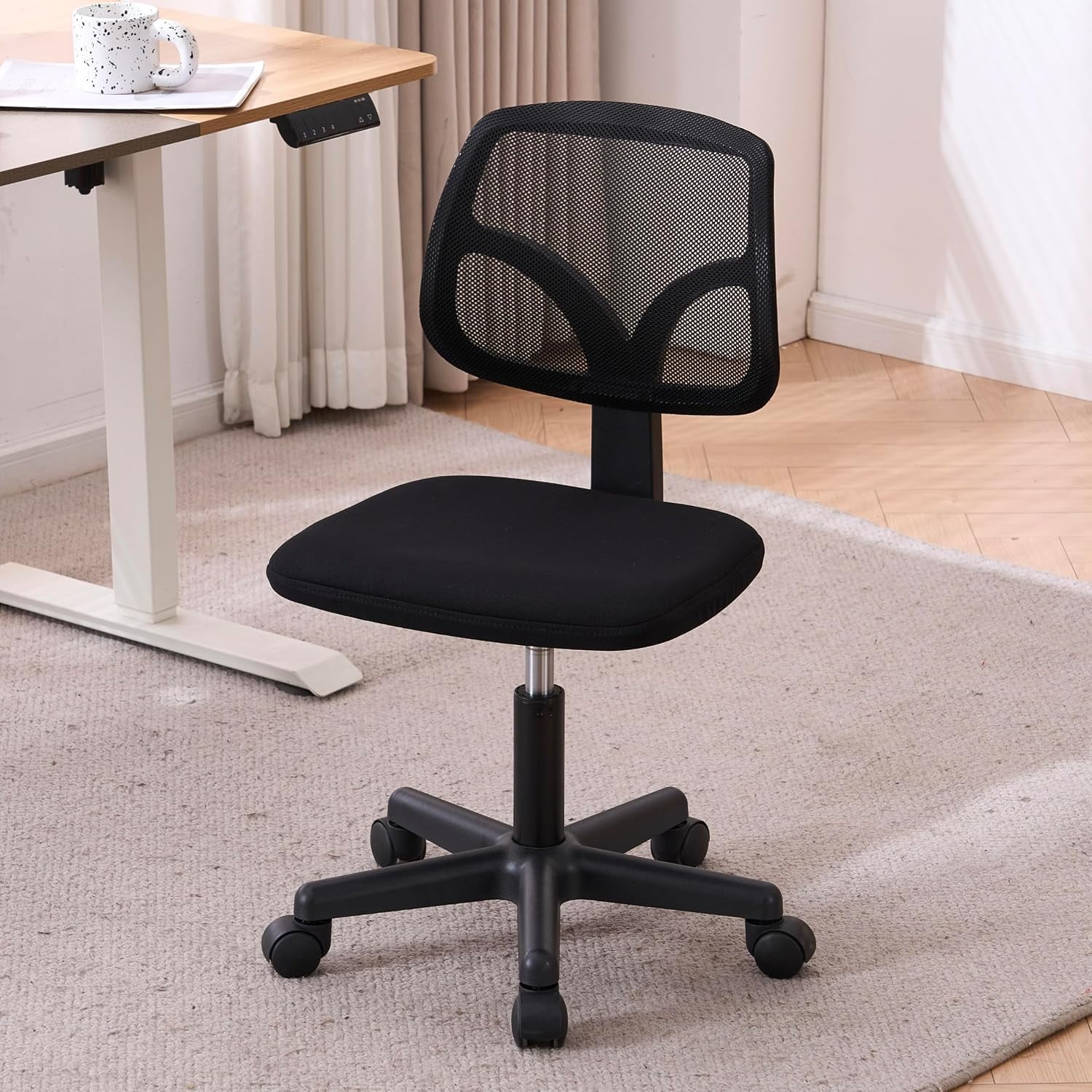
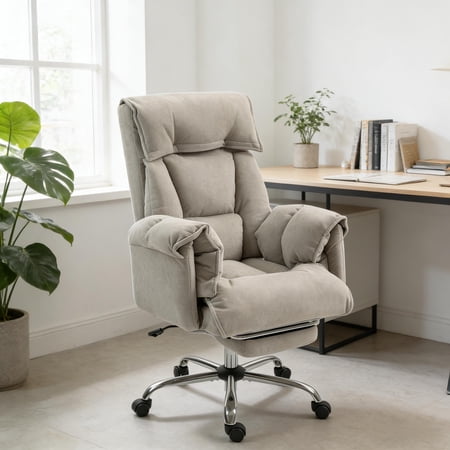
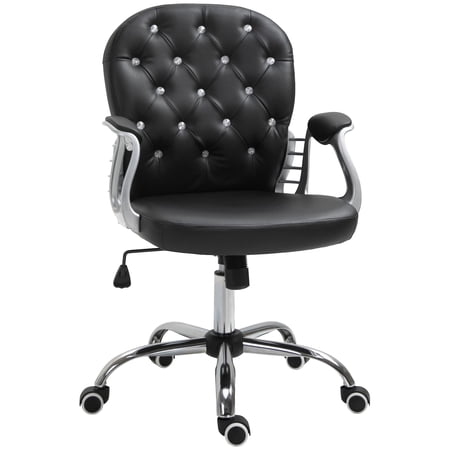
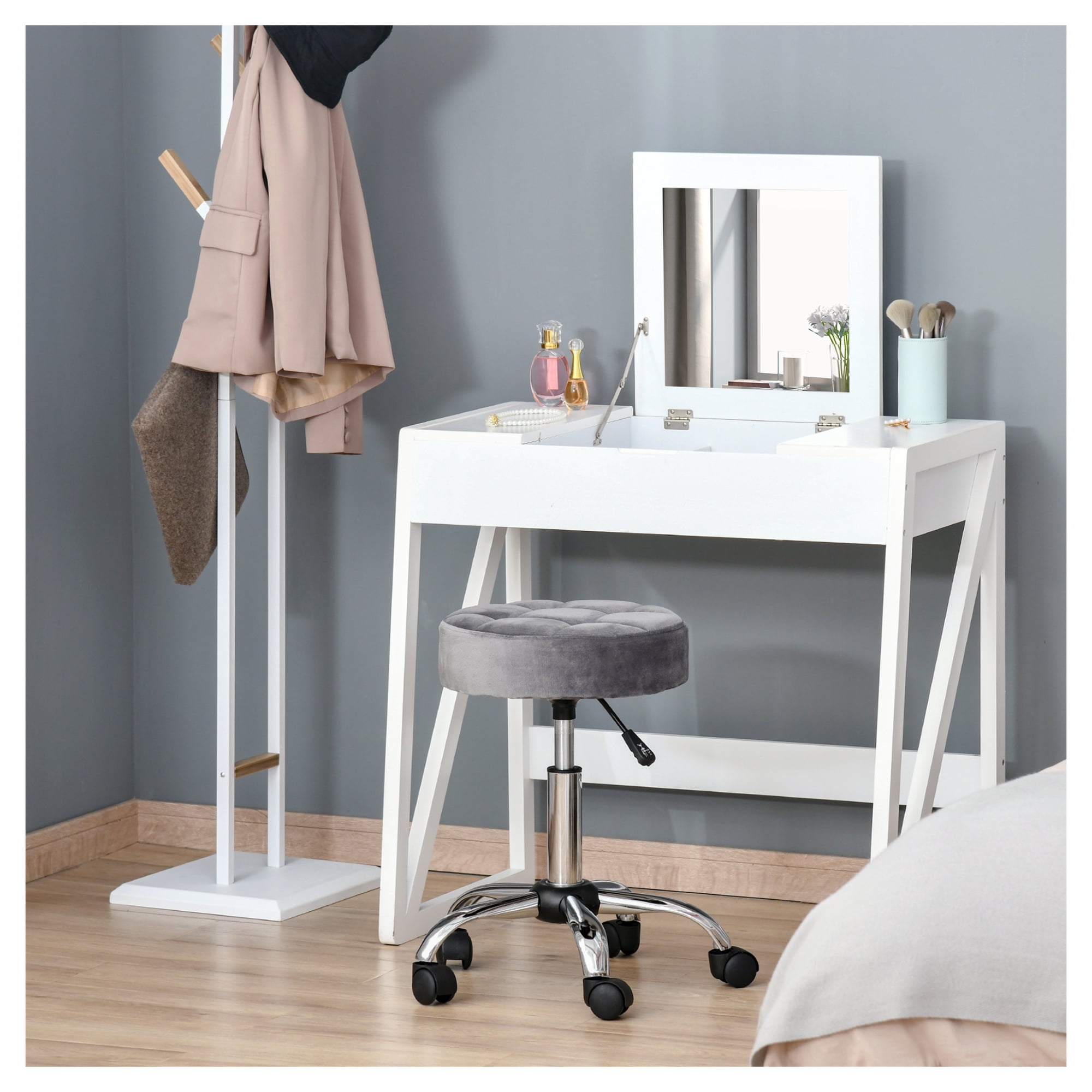
The Ultimate Guide to Rolling Office Chairs with Locking Wheels
Have you ever been deeply focused on a task, only to have your chair slowly drift away from your desk? Or perhaps you use a standing desk and find yourself constantly chasing a rolling chair that won't stay put. For millions of professionals, artists, and home-office workers, the solution is elegantly simple: a rolling office chair with locking wheels. These chairs combine the fluid mobility of traditional casters with the rock-solid stability of a brake system, giving you complete control over your workspace. In this comprehensive guide, we'll explore why locking wheels are a game-changer, how to choose the right mechanism, and which features truly matter for your comfort and productivity.
1. The Anatomy of a Locking Caster: How It Works
Think of a locking caster like the parking brake on a car. When engaged, a small lever or cam mechanism presses a brake pad against the wheel's tread or internally against the raceway, preventing rotation. In high-quality chairs, this mechanism is often integrated into the wheel hub itself. There are two primary types:
- Central Locking System: A single lever under the seat activates brakes on all five casters simultaneously. This is the most convenient and secure option, offering one-step lockdown.
- Individual Wheel Locks: Each caster has its own small lever. This is less common but allows you to lock only the wheels you need, which can be useful on uneven surfaces.
According to ergonomic design principles, the ability to switch between mobile and stationary modes reduces physical strain. When locked, your chair becomes a stable platform, engaging your core less for balance and allowing you to focus muscular energy on fine motor tasks like writing or using a mouse.
2. Five Scenarios Where Locking Wheels Are Indispensable
A rolling chair with locking wheels isn't a niche product; it's a versatile tool for a wide range of situations. Here’s where they shine brightest:
3. Not All Locks Are Equal: Braking Mechanisms Explained
Just as there are different types of car brakes, office chair locks vary in design and effectiveness. Understanding these will help you make an informed purchase:
- Cam-Action Brakes: A rotating cam presses against the wheel. Durable and simple, but may require more force to engage.
- Push-to-Lock / Step-On: Often a pedal on the base. You step down to lock all wheels, and step again to release. Very user-friendly.
- Side-Lever on Caster: A small lever on the wheel itself. Inexpensive, but you have to bend down to lock/unlock each wheel.
- Automatic Weight-Activated Locks: A premium feature where the wheels lock automatically when you sit down and unlock when you rise. The ultimate in convenience.
Pro Tip: For a seamless experience, look for a chair with a central, step-on locking mechanism. It’s intuitive and keeps your hands free. Brands often market this as “total lock casters” or “multi-brake system.”
4. Floor Protection and Wheel Material
A locking mechanism is only as good as the wheel that grips the floor. The wheel material affects both rolling smoothness and locking efficacy.
| Wheel Material | Best For | Locking Effectiveness | Notes |
|---|---|---|---|
| Polyurethane (Soft) | Hardwood, tile, laminate | Excellent grip when locked | Quiet, floor-safe, good shock absorption. |
| Nylon (Hard) | Carpet (low to medium pile) | Good, but can slip on hard floors | Rolls easily on carpet, but can be noisy on hard floors. |
| Rubber | All surfaces (universal) | Very high | Excellent traction, but may leave marks on light-colored floors if not pure rubber. |
If you have a mix of hard floors and rugs, soft polyurethane with a reliable brake is your best bet. It will protect your floors and lock firmly when needed.
5. Beyond the Wheels: Ergonomic Features That Matter
Locking wheels are a fantastic feature, but they're part of a bigger picture: your overall comfort and health. A chair that stays put but causes back pain is a poor trade-off. When shopping, ensure your chair also includes these core ergonomic elements:
- Adjustable Lumbar Support: Crucial for maintaining the natural curve of your spine during long sitting sessions.
- Seat Depth Adjustment: Allows you to set the seat pan length so there's a 2-3 finger gap between the back of your knee and the seat edge.
- 4D Armrests: Armrests that adjust height, width, depth, and angle ensure your arms are supported while typing, reducing shoulder strain.
- Tilt Mechanism with Tension Control: Look for a synchro-tilt or multi-function mechanism that allows you to recline smoothly while keeping your feet flat on the floor—even when the wheels are locked.
6. Real-World Data: The Impact of Stability on Focus
A 2022 study in the Journal of Environmental Psychology suggested that micro-adjustments in posture due to unstable seating can fragment attention. Participants using chairs with inadvertent rolling reported a 15% increase in perceived distraction. While more research is needed, the logic is sound: when your body isn't subconsciously working to maintain position, your brain has more resources for the task at hand. A rolling office chair with locking wheels effectively creates a 'focus zone' when locked, and a 'collaboration zone' when unlocked, adapting to your workflow.
7. Maintenance: Keeping Your Locks Snappy
Locking mechanisms are mechanical and can accumulate dust and hair, especially on carpet. Here’s how to keep them functioning perfectly:
- Monthly Inspection: Flip your chair over and check for hair or thread wrapped around the caster axle. Remove any debris with scissors or a small tool.
- Clean the Locking Mechanism: Use compressed air to blow out dust from the brake lever and wheel housing.
- Lubrication (if needed): If a lock feels stiff, apply a tiny amount of silicone lubricant to the moving parts. Avoid oil-based lubes as they attract dirt.
- Tighten Bolts: Ensure the casters are firmly seated in the chair base. A loose caster can compromise the lock's alignment.
With proper care, quality locking casters will last the lifetime of the chair (typically 7-10 years).