
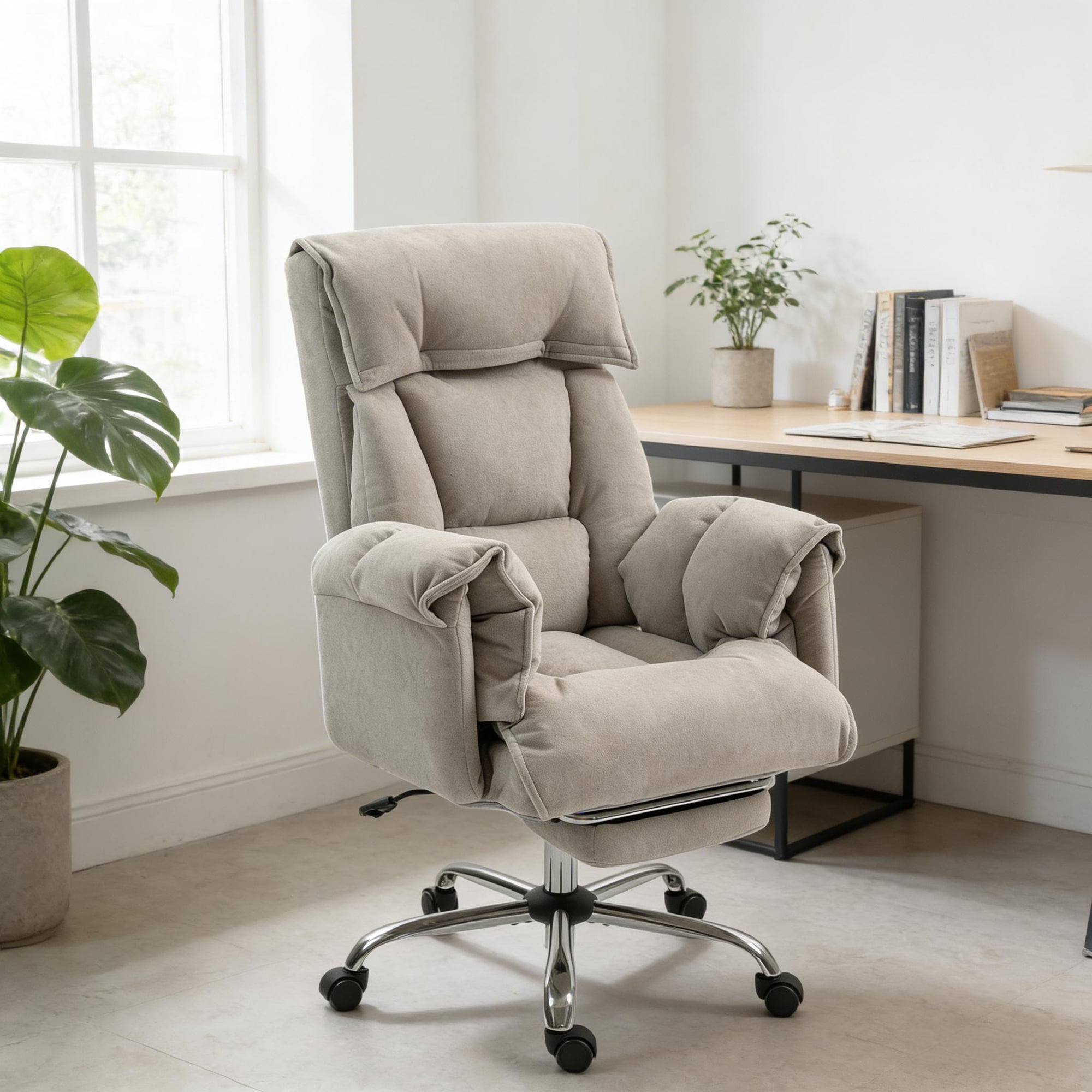
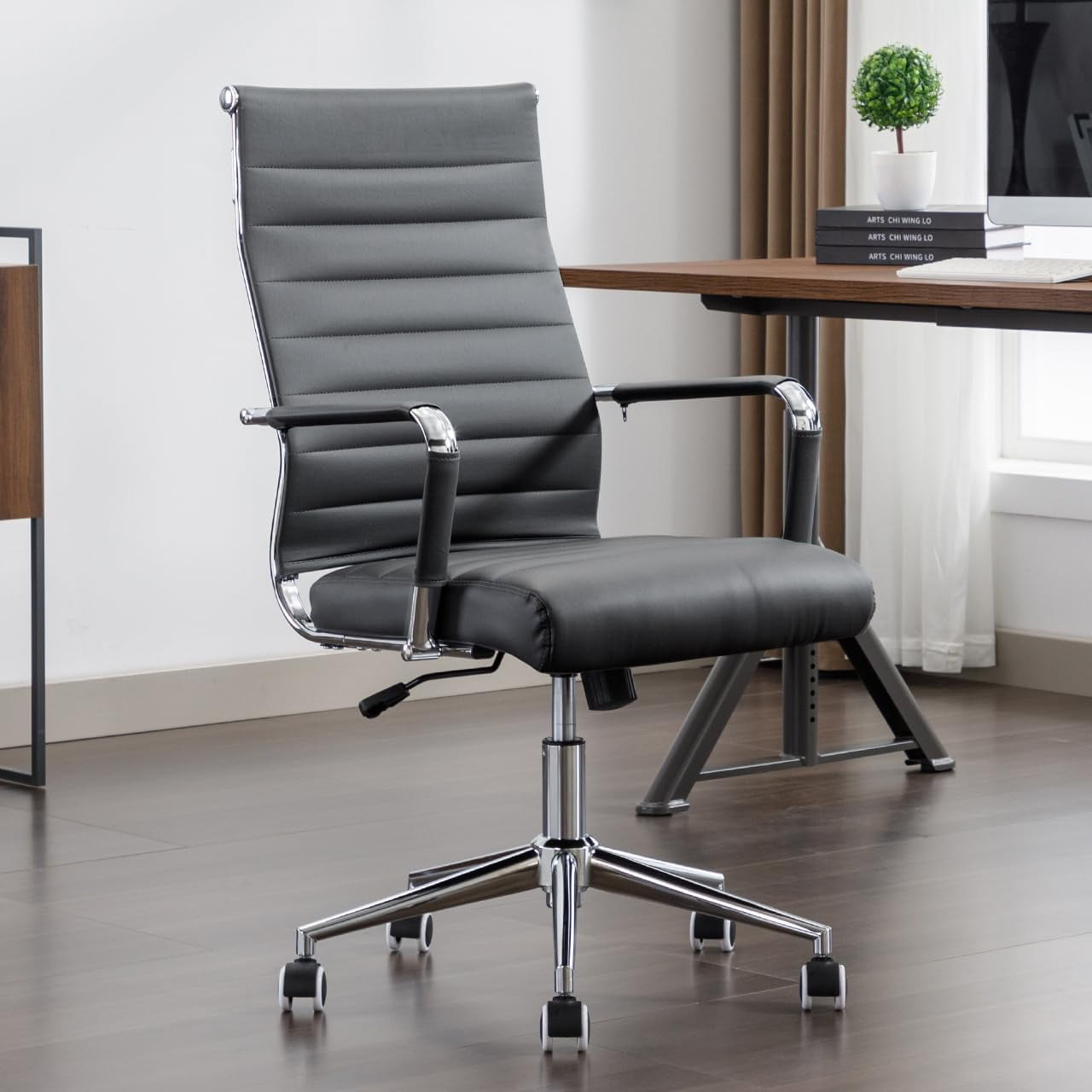
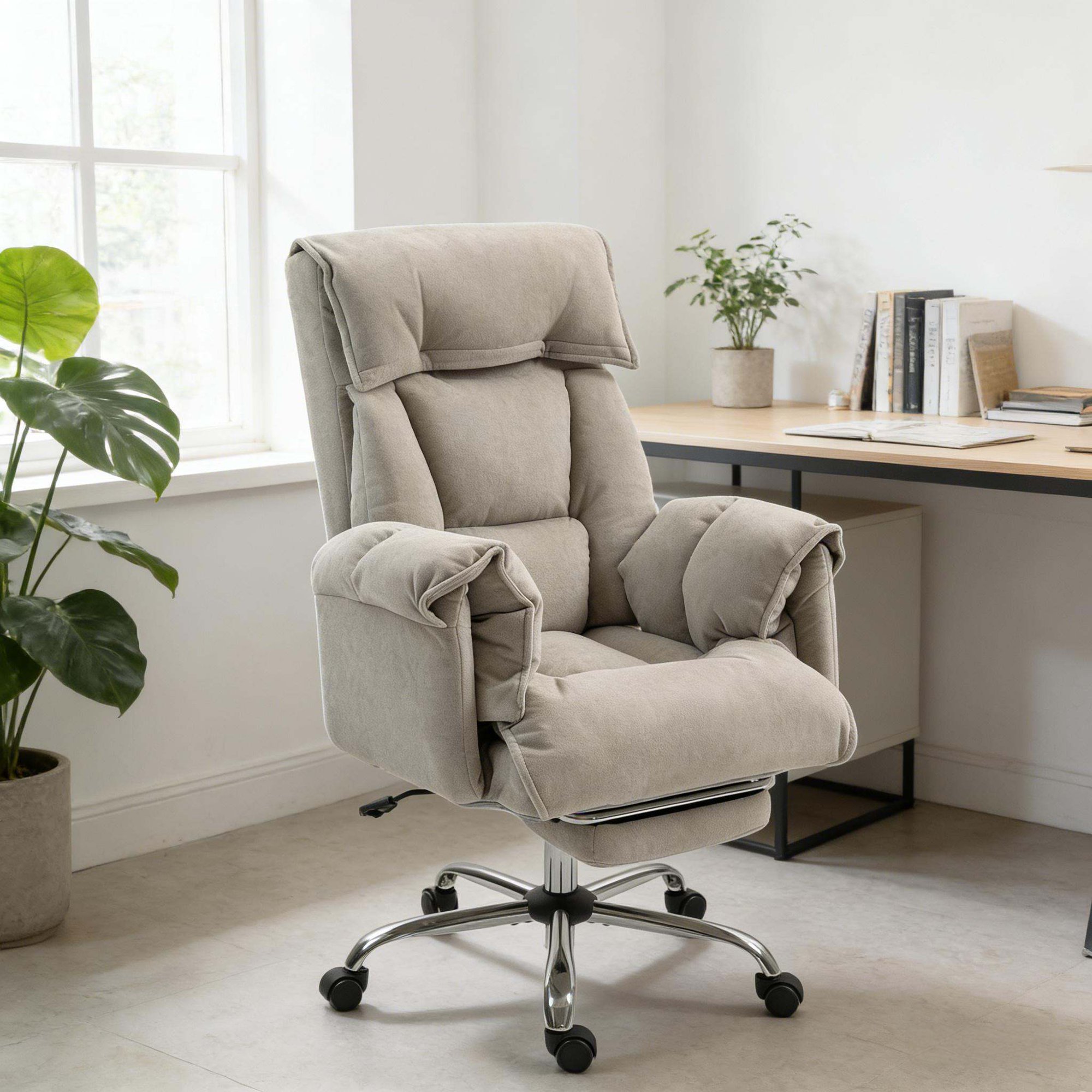
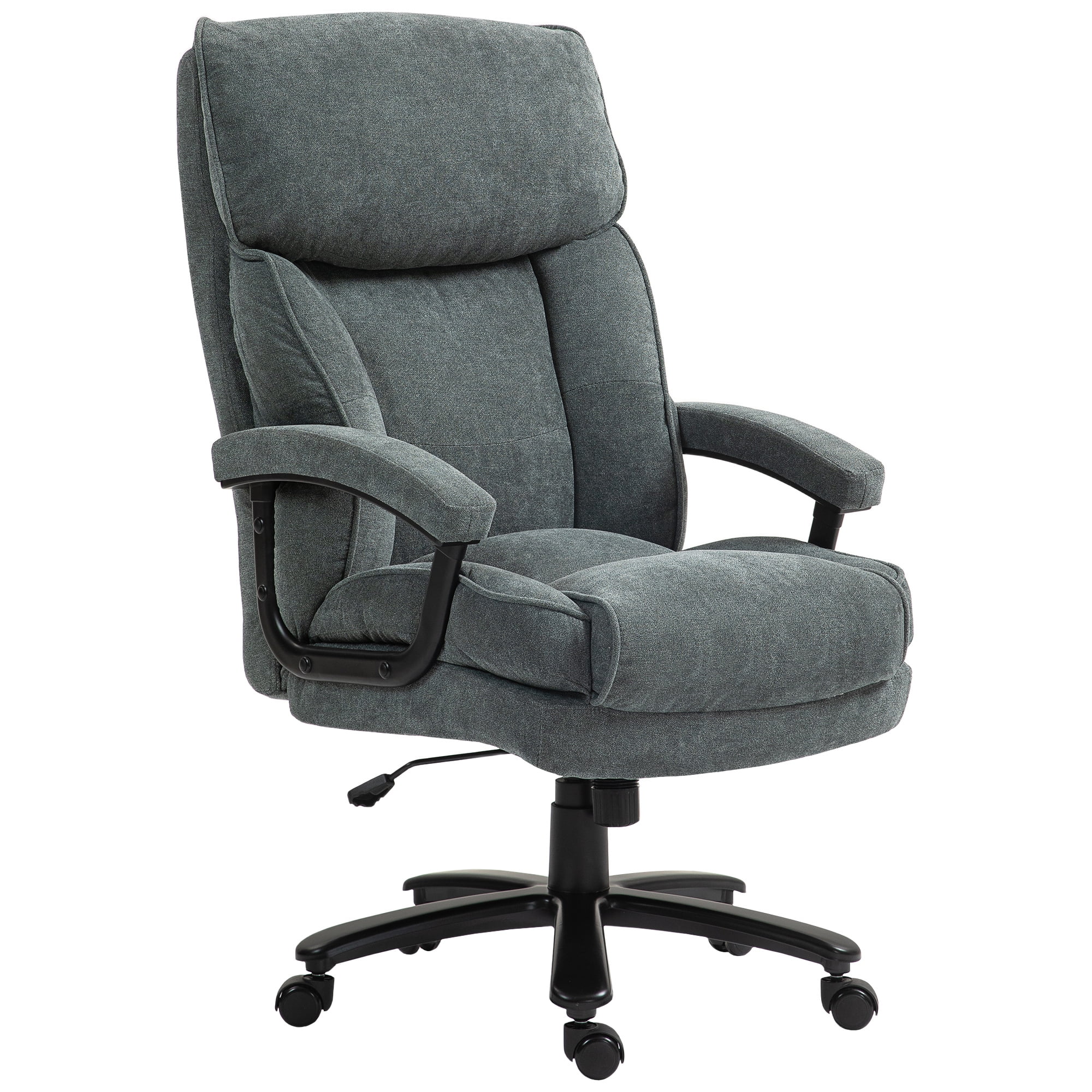
The Quiet Power of a Stationary High-Back Chair
In a workspace filled with distractions, your chair shouldn't add to the motion. A high back office chair without wheels is like an anchor in a rolling sea—it provides a firm, reliable base that encourages focused work. While wheeled chairs dominate the market, a growing number of executives, designers, and home-office users are rediscovering the benefits of a fixed-base chair. It's not about sacrificing mobility; it's about gaining stability, protecting floors, and making a conscious choice for ergonomic integrity.
Did you know? A study from the Journal of Bodywork and Movement Therapies suggests that a stable seating platform can reduce micro-adjustments by 27%, allowing the body to maintain a more consistent posture and reducing fatigue during long, concentrated tasks.
1. The Stability Factor: Why "No Wheels" Makes Sense
Imagine trying to write your signature on an important document while your chair shifts slightly—annoying, right? A chair without casters eliminates that subtle movement. This is especially beneficial for:
- Precision tasks: Drawing, drafting, or detailed computer work where you need to be rock-steady.
- People with mobility concerns: Getting in and out of a stationary chair can be easier and safer as it doesn't roll away.
- Floor protection: Hardwood, tile, and luxury vinyl plank floors are safe from scratches and dents that cheap casters can cause.
- Mindfulness & focus: A fixed position can psychologically signal "time to work," reducing fidgeting and promoting deep concentration.
2. Anatomy of a High-Back Stationary Chair
These chairs aren't just regular office chairs with wheels removed. They are engineered differently. Here's what sets them apart:
🪑 Reinforced Base
Typically a wide, five-point star base made of heavy-duty nylon or polished aluminum, but fitted with floor-protecting glides instead of casters. This provides a lower center of gravity.
⬆️ High Back Design
The backrest extends to shoulder level or includes a headrest, supporting the entire spine. This is crucial for executives who spend 8+ hours seated.
🔧 Full Ergonomic Adjustability
Height adjustment (gas lift), tilt tension, seat depth, and 4D armrests are still standard. Stability doesn't mean you're stuck in one position.
✨ Premium Upholstery
From buttery full-grain leather to breathable performance mesh, materials are chosen for longevity and comfort, often exceeding the quality of wheeled counterparts.
3. The "Glide" vs. "Caster" Comparison
To help you visualize the difference, here’s a quick breakdown of how stationary glides perform against standard casters in key areas:
| Feature | Standard Casters (Wheels) | Fixed Glides (No Wheels) |
|---|---|---|
| Floor Impact | Can scratch hardwood, snag carpet | Non-marking felt or plastic glides protect all floors |
| Stability | Chair moves with body shifts | Chair stays firmly in place |
| Mobility | Easy to roll to another desk | Must be lifted to move (but you move less often) |
| Maintenance | Wheels collect hair/debris, can jam | Glides are low-maintenance, just wipe clean |
4. Who Is This Chair Perfect For? (Use-Case Scenarios)
The "high back office chair without wheels" isn't a one-size-fits-all, but it excels in specific environments:
- The Executive Suite: A leather high-back stationary chair conveys authority. It doesn't roll away when you stand to greet a client—it grounds you in the moment.
- The Home Office (especially with nice floors): Protect your investment in hardwood or tile. No more plastic mats.
- The Design Studio: Architects and graphic designers need stability for precision. A fixed chair paired with a high desk or drafting table is a classic combination.
- Reception Areas: Guest chairs or manager stations benefit from the tidy, uncluttered look of a non-rolling base.
5. Debunking Myths: "Without Wheels = Less Ergonomic?"
This is the biggest misconception. Let's set the record straight: wheels are for movement, not for posture. A high back chair without wheels can—and should—include all the ergonomic features of its rolling cousins. In fact, some ergonomists argue that a stable base encourages better sitting habits because you don't unconsciously roll into poor positions. You actively adjust the chair's features to suit your task, rather than letting the chair drift you away from your ideal posture.
Look for chairs with:
- Independent backrest recline: So you can lean back while your seat stays put.
- Adjustable lumbar support: Both height and depth are critical.
- Seat edge (waterfall) design: Prevents pressure behind the knees.
Frequently Asked Questions: High Back Office Chair Without Wheels
Conclusion: Anchor Your Success with the Right Foundation
A high back office chair without wheels is more than a piece of furniture; it's a statement of intent. It says you prioritize stability, focus, and floor protection over the fleeting convenience of rolling a few feet. For the executive who spends hours in deep work, the designer who needs a steady hand, or the homeowner who cherishes their floors, this chair type offers a unique blend of ergonomic support and practical design. By choosing a stationary model, you're not losing mobility—you're gaining a foundation for better posture and uninterrupted productivity.
Browse our curated selection above to find a chair that matches your style and ergonomic needs. Remember, the best chair is the one that disappears beneath you, letting your mind focus on what truly matters.