
Why Your Next Office Chair Needs a Long Back Design
Imagine your spine as a column of 33 interlocking bones. For hours each day, this column supports your entire upper body while you sit, type, and think. A standard office chair might support the lower back, but what about the rest? This is where the long back office chair transforms from a luxury into a necessity. It's not just about height; it's about providing a continuous surface of support from your pelvis to your head, allowing your muscles to relax and your spine to maintain its natural S-shape.
Ergonomic Insight: Studies in occupational health suggest that providing support for the entire back, including the thoracic (upper) spine, can reduce reported neck and shoulder discomfort by up to 40% among desk workers. A long back chair acts as a scaffold for your posture.
Beyond Height: Understanding the True Value of Full-Back Support
Think of a long back office chair like a high-performance racing seat. It's designed to hold the driver securely, distributing force and support across the entire back. In an office setting, this philosophy translates to sustained comfort and reduced fatigue. When your upper back has a place to rest, your shoulders can drop and relax, preventing the hunched posture that leads to "tech neck" and tension headaches. This holistic support system is the cornerstone of a truly ergonomic workstation.
The "Support Matrix": How to Decode a Long Back Chair's Features
Choosing the right long back chair can feel overwhelming. To simplify it, we've broken it down into a "Support Matrix"—a framework focusing on four key zones of your back and the chair features that serve them. This approach ensures you're not just buying a tall chair, but the right chair for your body.
Zone 1: Pelvic & Lumbar Foundation
The Feature: Adjustable Lumbar Support. This is non-negotiable. Your lower back (lumbar spine) carries the most load. Look for a chair with a lumbar system that adjusts in both height and depth. This ensures the curve of the chair fits the inward curve of your lower back, preventing slouching.
Key Question: Can the lumbar support be moved up/down and in/out?
Zone 2: Mid-Back & Shoulder Blade Sync
The Feature: Backrest Contour & Width. The middle of the backrest should have a slight flare or width that accommodates your shoulder blades without pinching them. A well-contoured backrest in a long back chair allows your shoulders to move naturally while providing a stable surface for your rhomboids and trapezius muscles to relax against.
Key Question: Does the backrest widen slightly to support my shoulders?
Zone 3: Cervical & Head Alignment
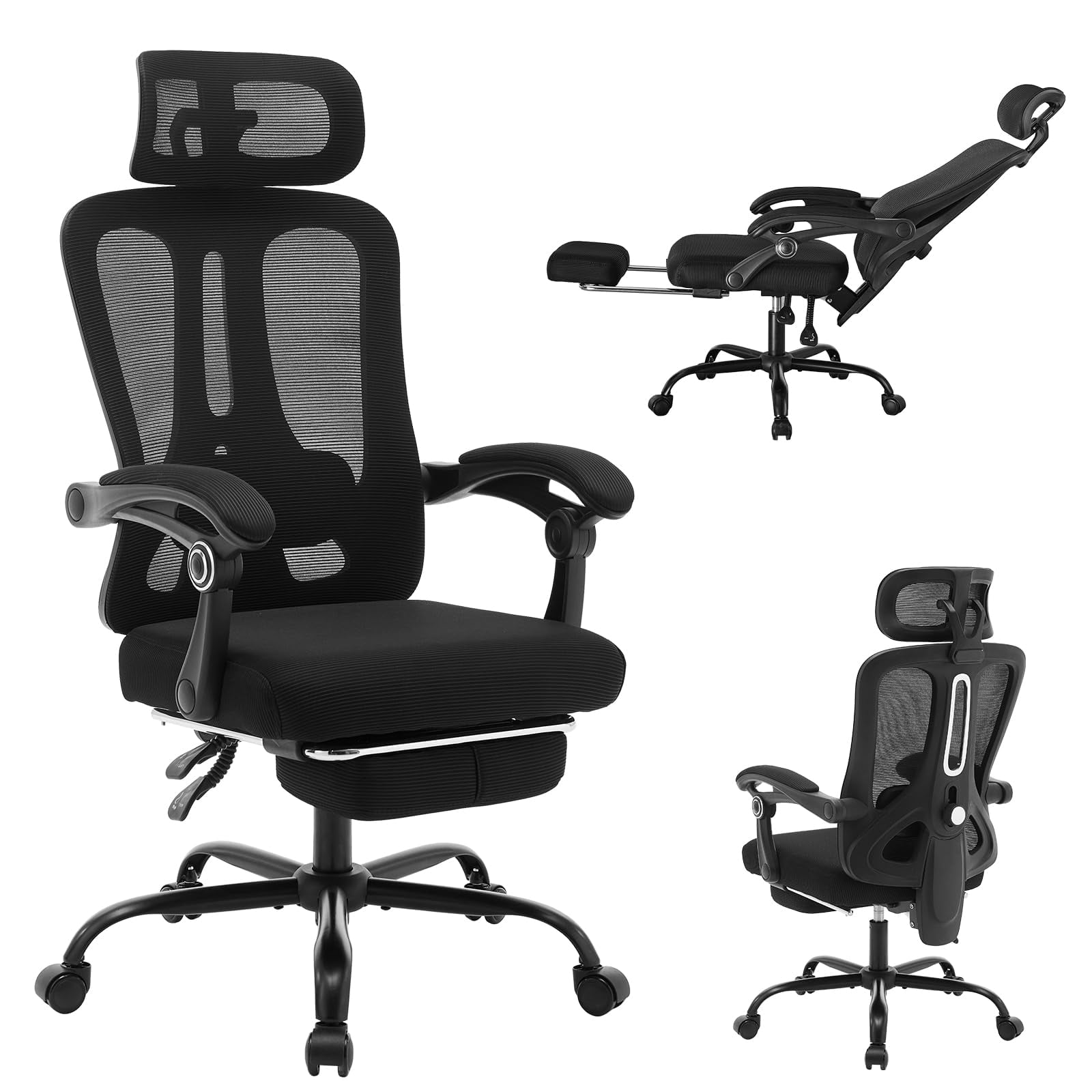
The Feature: A 2D or 3D Adjustable Headrest. A fixed headrest is often useless. A truly beneficial long back chair includes a headrest that adjusts up/down and tilts forward/backward. This allows you to position it so it supports the base of your skull, not the back of your neck, maintaining a neutral gaze even when you lean back.
Key Question: Can I adjust the headrest to fit the curve of my neck?
Zone 4: Dynamic Recline & Synchronized Movement
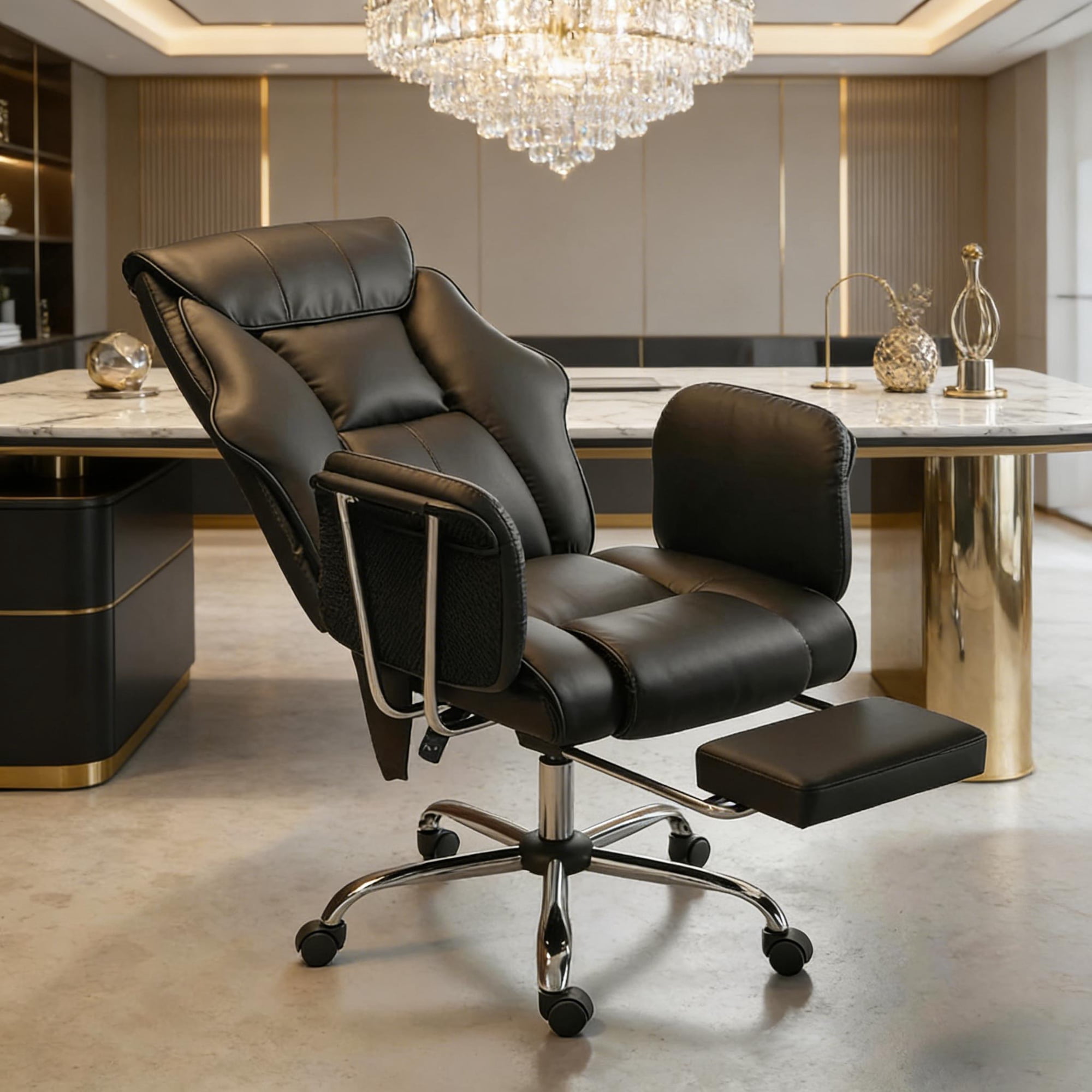
The Feature: Synchronized or Multi-Position Tilt Mechanism. As you lean back in a long back chair, the seat should tilt slightly forward. This "synchronized" movement keeps your feet planted on the floor and your body in a balanced, supported posture, preventing the feeling of tipping over or losing support for your upper back.
Key Question: Does the seat angle change as I recline to keep me stable?
Material Science: Breathability vs. Cushioning in Long Back Chairs
The material of a long back chair plays a pivotal role in comfort, especially since the chair contacts such a large surface area of your body. Here’s a modern perspective on material choice:
- Performance Mesh: This is often the top choice for long back chairs. Modern performance mesh is not just breathable; it's engineered with varying levels of tension across the backrest. Softer mesh in the lumbar area and firmer mesh in the shoulder area provides zoned support without the need for thick padding. It's like a high-tech, breathable hammock for your back.
- Hybrid Designs: Many premium chairs now use a hybrid approach. They feature a mesh back for breathability paired with a thick, contoured foam seat for pressure relief. This offers the best of both worlds: a cool, supportive back and a plush, comfortable seat.
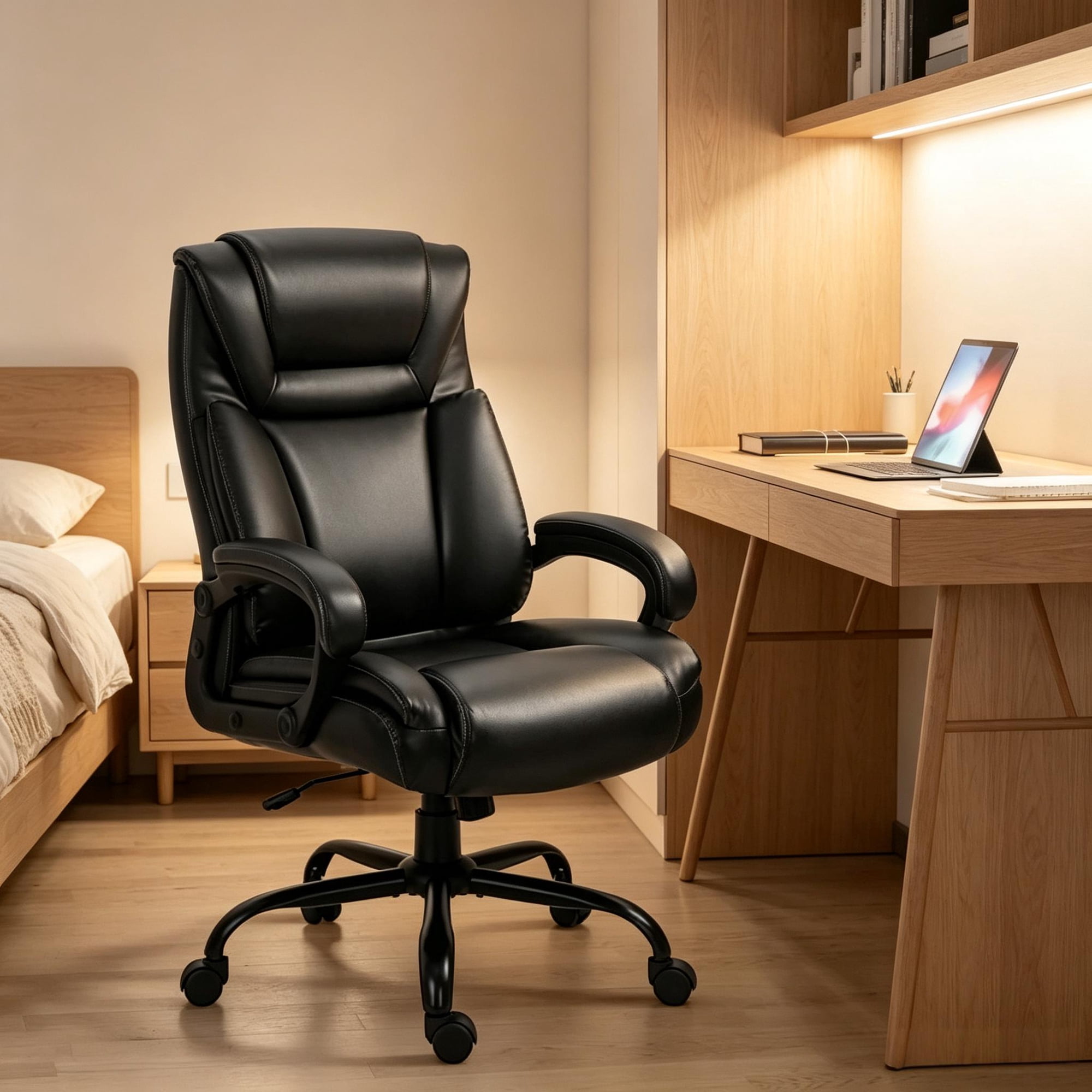
- Leather and Fabric: If you prefer leather or fabric, look for chairs with perforated leather or breathable fabric weaves. These materials offer a more traditional, executive aesthetic but require careful consideration of your room's temperature and humidity to avoid discomfort during long sits.
According to material science applied in office furniture, the "ideal" long back chair for all-day use often uses a high-tensile mesh that provides structured support while allowing air to circulate, preventing the heat buildup common with solid upholstery.
The "Goldilocks" Test: Finding Your Perfect Fit
Before you commit to a long back office chair, put it through this simple three-step "Goldilocks" test to ensure it's just right for you:
- The Height Test: Sit with your back against the chair and your shoulders relaxed. The top of the backrest (or headrest) should reach at least the base of your skull. If the chair has a headrest, it should be able to adjust to cradle your head, not push it forward.
- The Lumbar Probe: Slide your hand between your lower back and the chair's backrest. You should feel firm, even contact. There shouldn't be a large gap, nor should the lumbar support feel like it's aggressively poking you. The support should fill the natural arch of your spine.
- The Recline Glide: While seated, push back into the recline. The motion should feel smooth and controlled. Your feet should remain flat on the floor, and you shouldn't feel like you're losing support under your thighs or behind your shoulders. Your body should move as one cohesive unit with the chair.
Frequently Asked Questions About Long Back Office Chairs
Conclusion: Investing in Your Spinal Health
Choosing a long back office chair is an investment that pays dividends in daily comfort and long-term spinal health. By moving beyond the basic "high-back" label and understanding the nuances of the Support Matrix—from adjustable lumbar support to dynamic recline mechanisms and breathable materials—you empower yourself to make a choice that truly fits your body's unique architecture. A chair that supports you from your pelvis to your head isn't just a piece of office furniture; it's a partner in your productivity and well-being. Take your time, consider your specific needs, and choose a chair that will keep you supported for years to come.
Final Thought: Match the Chair to Your Work Style
Prioritize a chair with exceptional lumbar support and a firm mesh back to maintain alert posture during deep work sessions.
Look for a chair with a smooth recline and plush upholstery that allows you to lean back and engage comfortably in discussions.
A chair with a fully adjustable headrest and a synchronized tilt mechanism lets you shift positions easily, sparking new ideas in comfort.