

The Hidden Cost of Cheap Seating: Why Your Back Is Screaming for Help
Imagine wearing a pair of shoes that are half a size too small. At first, it's just a pinch. After an hour, it's a dull ache. By the end of the day, you're limping. This is exactly what happens to your spine when you sit in a poorly designed office chair for 8 hours. The pain doesn't start in the chair; it starts the next morning when you try to get out of bed.
For millions working from home or in small offices, the "big box store special" chair is a rite of passage. It looks like a chair, it has wheels, but it lacks the fundamental architecture to support the human spine. The good news? You don't need a mortgage to buy a healthy back. The market for affordable office chairs for back pain has exploded, with engineers finally bringing ergonomic principles to budget-friendly price tags.
Statistic to Consider: According to the American Chiropractic Association, back pain is the single leading cause of disability worldwide. However, a study published in the journal "Ergonomics" found that using a chair with adequate lumbar support can reduce perceived lower back discomfort by up to 53% compared to using a standard task chair.
Anatomy of a Lifesaver: What Makes a Budget Chair Good for Your Back?
Expensive chairs often use fancy marketing terms. Affordable chairs rely on physics. To fix or prevent back pain, a chair—regardless of price—must do three things: support the natural S-curve of your spine, distribute your weight evenly, and allow for movement. Here is the breakdown of what to look for.
1. The Lumbar Support: Not All Bumps Are Created Equal
Most cheap chairs have a "static" lumbar bump. It's a fixed mound of foam in the lower back area. For a person with a short torso, this bump hits too high, pushing them forward. For a tall person, it hits too low, doing nothing.
- What you need: Adjustable lumbar support. This is the kingmaker feature. On a budget chair, this often comes as a knob on the back that pushes the support forward, or a small cushion that you can velcro up or down.
- Why it matters: It fills the gap between your lumbar curve and the chair, preventing "slouching" which compresses spinal discs. Without it, your muscles work overtime to hold you up, leading to fatigue and spasms.
2. Seat Depth: The Thigh Support Factor
Have you ever felt numbness or tingling in your legs after sitting? That's likely due to a seat pan that is too long, cutting off circulation behind your knees. Conversely, a seat that is too short doesn't support your thighs, causing you to slide forward into a slump.
- The "Two-Finger" Rule: When sitting back in the chair, you should be able to fit 2-3 fingers between the back of your knee and the edge of the seat.
- Budget Fix: If the chair doesn't have a sliding seat pan (rare at low prices), look for a "waterfall edge." This is a curved, soft front edge that relieves pressure on the thighs, mimicking the effect of proper depth.
3. Recline and Tilt Tension: Motion is Lotion
Static sitting is the enemy. Your spine is designed to move. A good budget chair must allow you to lean back. More importantly, it must have an adjustable tilt tension knob. This controls how much force is needed to recline.
- Too loose: You'll feel like you're falling backward as soon as you sit down.
- Too tight: You'll be locked in a rigid, upright position, unable to rock and relax your back muscles.
- Just right: You can lean back slightly, opening up the angle between your torso and legs (hip angle), which reduces stress on the lumbar discs.
4. Material Matters: Mesh vs. Fabric vs. Faux Leather
For back pain specifically, heat and sweat can increase discomfort and restlessness.
- Mesh Backs: The gold standard for budget back-pain chairs. It's breathable, preventing that sticky, hot feeling. It also conforms to your back shape slightly, offering a "hammock effect" of gentle support.
- Fabric Seats: Look for high-density foam. If you sit down and feel the hard base through the cushion instantly, it will cause tailbone pain (coccydynia) within weeks.
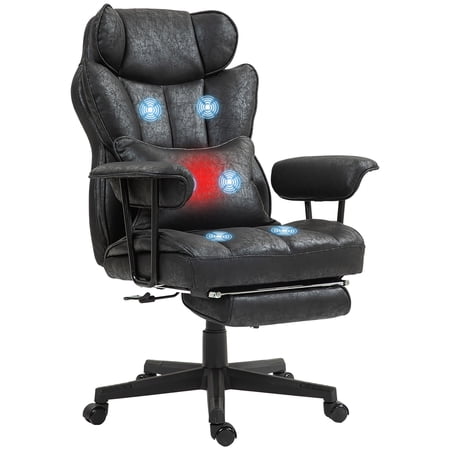
- Faux Leather (Bonded Leather): Avoid this for all-day sitting. It traps heat, cracks within a year, and offers little breathability, leading to sweaty discomfort that distracts from work.
53% Pain Reduction
Proper lumbar support can cut discomfort in half.
8.5 Hours Avg
Americans sit this long daily. A good chair is preventative medicine.
$150 Sweet Spot
You can find essential ergonomic features at this price.
Budget vs. Expensive: Is There Really a Difference for Back Pain?
This is the million-dollar question. The honest answer is: the law of diminishing returns applies heavily. A $1,200 chair is not six times better for your back than a $200 chair. Expensive chairs ($800+) offer "micro-adjustability" (moving the armrests in 4 directions, adjusting the lumbar curve shape).
Affordable chairs ($150-$400) offer "macro-adjustability." They let you change the height, the recline tension, and often the lumbar position. For 90% of people with mild to moderate back pain caused by static sitting, macro-adjustability is sufficient to correct posture and provide relief. The key is knowing which levers to look for.
5 Red Flags: Avoid These "Back Pain Traps" When Shopping on a Budget
- The "Pillow Top" Illusion: A chair that is super soft and plush feels great in the store for 5 minutes. After an hour, your hips sink in at an angle, twisting your pelvis and straining your lower back. Look for firm, high-resilience foam.
- Fixed Armrests: If the armrests are not height-adjustable, they will either make you shrug your shoulders (if too high) or slouch to reach them (if too low). This causes upper back and neck pain.
- No Tilt Lock: If you can't lock the chair in an upright position, you'll be fighting the recline mechanism all day, tiring out your core muscles.
- Shiny "Executive" Styling: Cheap, bonded leather chairs marketed as "executive" often prioritize looks over ergonomics. They are hot, stiff, and lack breathability.
- Gas Lift Anxiety: A wobbly chair is a dangerous chair. Check reviews for mentions of the hydraulic cylinder failing. A stable base is essential for feeling secure and focusing on work.
Is an Add-On Cushion the Ultimate Affordable Solution?
If you already own a chair that is structurally sound but painful, or if your budget is under $100, an ergonomic add-on is your best friend. Think of it as upgrading your car's suspension instead of buying a new car.
- Lumbar Rolls / Cushions: These strap onto the back of any chair. They provide the critical curve support that most basic chairs lack. Look for ones with adjustable straps to get the height right.
- Seat Wedges (Coccyx Cushions): These are cut out at the back to relieve pressure on the tailbone. If your pain is centralized right at the base of your spine, a wedge cushion is a miracle worker.
- Combination: For about $40, you can buy a full seat and back cushion set, effectively turning a kitchen chair into a passable office throne for a few hours.
Frequently Asked Questions: Back Pain on a Budget
Conclusion: Your Back Deserves a Break, Not a Bank Loan
The journey to a pain-free workday doesn't require a second mortgage. The market for affordable office chairs for back pain is more robust than ever. By focusing on mechanical features—adjustable lumbar support, proper seat depth, and tilt functionality—rather than leather upholstery or brand names, you can find a chair that heals your back while respecting your wallet.
Remember the shoe analogy? Don't wait until you're limping. Your spine is the central pillar of your body. Investing a few hours of research and a couple hundred dollars now can save you thousands in physiotherapy and lost productivity later. Sit smart, not expensive.