
The Strategic Role of Office Lobby Chairs in Your Business
The moment a client, partner, or potential employee steps into your office, they form an impression. Your lobby is the handshake before the handshake, and the furniture you choose speaks volumes. Office lobby chairs are not just places to sit; they are an integral part of your brand's narrative. They communicate your company's values—whether it's innovation, stability, comfort, or attention to detail.
Investing in high-quality reception seating is a strategic move. According to a study by the Journal of Interior Design, 70% of people form an opinion about a company within the first minute of entering its space. Comfortable, well-maintained lobby chairs can reduce perceived wait times and put visitors at ease, setting a positive tone for the interaction to come. On the flip side, worn-out or uncomfortable seating can create a negative impression before a single word is spoken.
Beyond Aesthetics: The Engineering of High-Traffic Lobby Seating
While style is crucial, the true value of a commercial lobby chair lies in its engineering. Unlike a personal office chair that serves one person, lobby chairs endure constant use by a diverse range of individuals. This demands a different approach to design and material selection. Let's explore the key factors that separate residential furniture from commercial-grade office waiting room chairs.
1. The "Double Rub" Standard: Fabric Durability Decoded
When choosing fabric lobby chairs, you'll encounter the term "Wyzenbeek Double Rubs." This is the industry standard for measuring abrasion resistance. Imagine a mechanical arm rubbing a piece of fabric back and forth—that's the test. For context:
- Residential use: 15,000 double rubs is considered heavy duty.
- Commercial reception areas: You should look for a minimum of 30,000 double rubs. For very high-traffic lobbies, aim for 50,000 or more. This ensures the fabric won't show wear, pilling, or fraying after months of use.
2. Frame Construction: The Skeleton of Longevity
A chair's frame is its backbone. For lobby chairs, you have two primary contenders:
- Hardwood Frames: Kiln-dried oak, maple, or beech are excellent choices. They offer natural strength and a classic feel. Look for reinforced joinery (dowels, corner blocks, and glue) rather than just staples or screws.
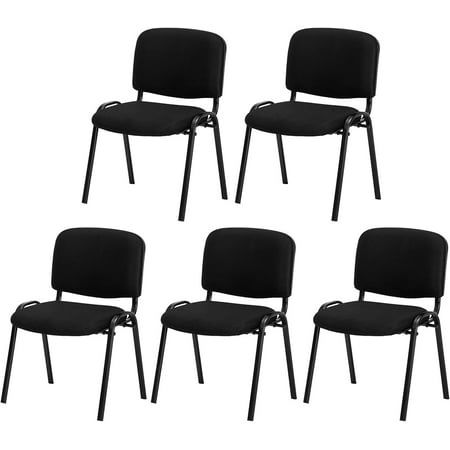
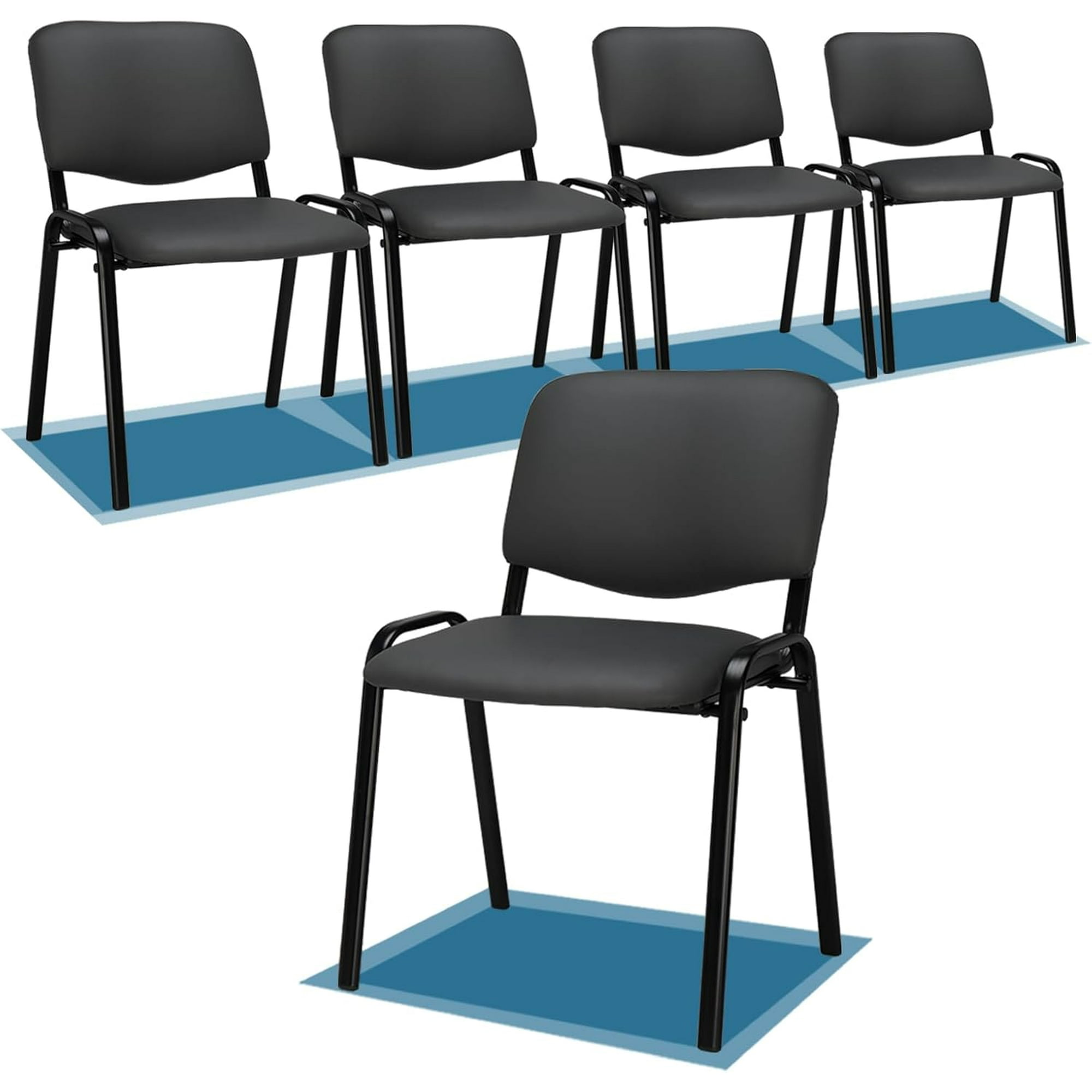
- Metal Frames: Powder-coated steel or aluminum frames are incredibly durable and resistant to damage. They often feature a "sled" base, which is a single piece of metal that forms both legs, protecting your floors and preventing loosening over time. This design is a hallmark of durable office guest chairs.
3. The "Lobby Chair" Material Matrix: Choosing Wisely
Commercial Vinyl / PU Leather
- Advantages: Extremely easy to clean (just wipe down), highly stain-resistant, cost-effective, and available in many textures.
- Best for: Medical offices, high-traffic corporate lobbies, areas where spills are likely.
Commercial-Grade Fabric
- Advantages: Breathable, warm, available in countless colors and patterns, can be treated for stain resistance.
- Best for: Professional offices, law firms, creative agencies where a soft, upscale feel is desired.
Mesh (for lobby?)
- Advantages: Highly breathable, modern aesthetic, lightweight.
- Note: Less common in lobbies but can work in tech-forward, casual reception areas. Durability of mesh varies widely, so check the rub count.
Leather (Top-Grain)
- Advantages: Unmatched luxury, develops a beautiful patina, extremely durable if maintained.
- Best for: Executive reception areas, luxury hotels, high-end corporate suites. Requires conditioning.
4. Traffic Flow and Layout Psychology
Selecting the chairs is only half the battle; how you arrange them matters just as much. The goal is to create a welcoming, non-cramped environment.
- The 36-Inch Rule: Always maintain at least 36 inches of walking space around seating clusters to comply with ADA standards and ensure easy movement.
- Armless vs. Armed: Armless office chairs are space-savers and can make a small lobby feel larger. Chairs with arms offer more comfort for longer waits but require more linear space. A mix can define different zones.
- Modular Seating: Consider modular sofas or benches that can be reconfigured. They are excellent for creating a flexible lobby that can adapt to different numbers of visitors.
Frequently Asked Questions About Office Lobby Chairs
Conclusion: Making the Right First Impression
Selecting the perfect office lobby chairs is a balance of art and science. It's about marrying your brand's aesthetic with the practical demands of a commercial environment. By focusing on durable materials, solid construction, and a layout that respects your visitors' comfort, you transform your reception area from a mere waiting room into a powerful brand asset. A well-chosen lobby chair doesn't just hold a guest; it holds their respect and sets the stage for a successful business relationship.
Key Takeaway: Prioritize commercial-grade materials (look for high double-rub counts and reinforced frames). Choose a style that reflects your company's identity, and always plan your layout for optimal flow and accessibility. Your lobby is your silent ambassador—make sure it speaks volumes.