
Selecting the Perfect Office Meeting Chairs: A Comprehensive Guide
Conference rooms and meeting areas are the nerve centers of collaboration. Unlike personal desk chairs that prioritize long hours of solitary work, office meeting chairs serve a different purpose: they accommodate groups, encourage interaction, and represent your company’s professionalism to clients and employees. Choosing the wrong seating can lead to cramped, uncomfortable meetings and a cluttered impression.
Industry Insight: According to a 2023 office design survey, 68% of employees say uncomfortable meeting chairs negatively impact their engagement in longer sessions. Additionally, the average conference room chair is used by 5–8 different people weekly, making durability and easy cleaning essential.
Core Differences: Meeting Chairs vs. Task/Executive Chairs
Many buyers mistakenly apply the same criteria as desk chairs. Meeting chairs emphasize:
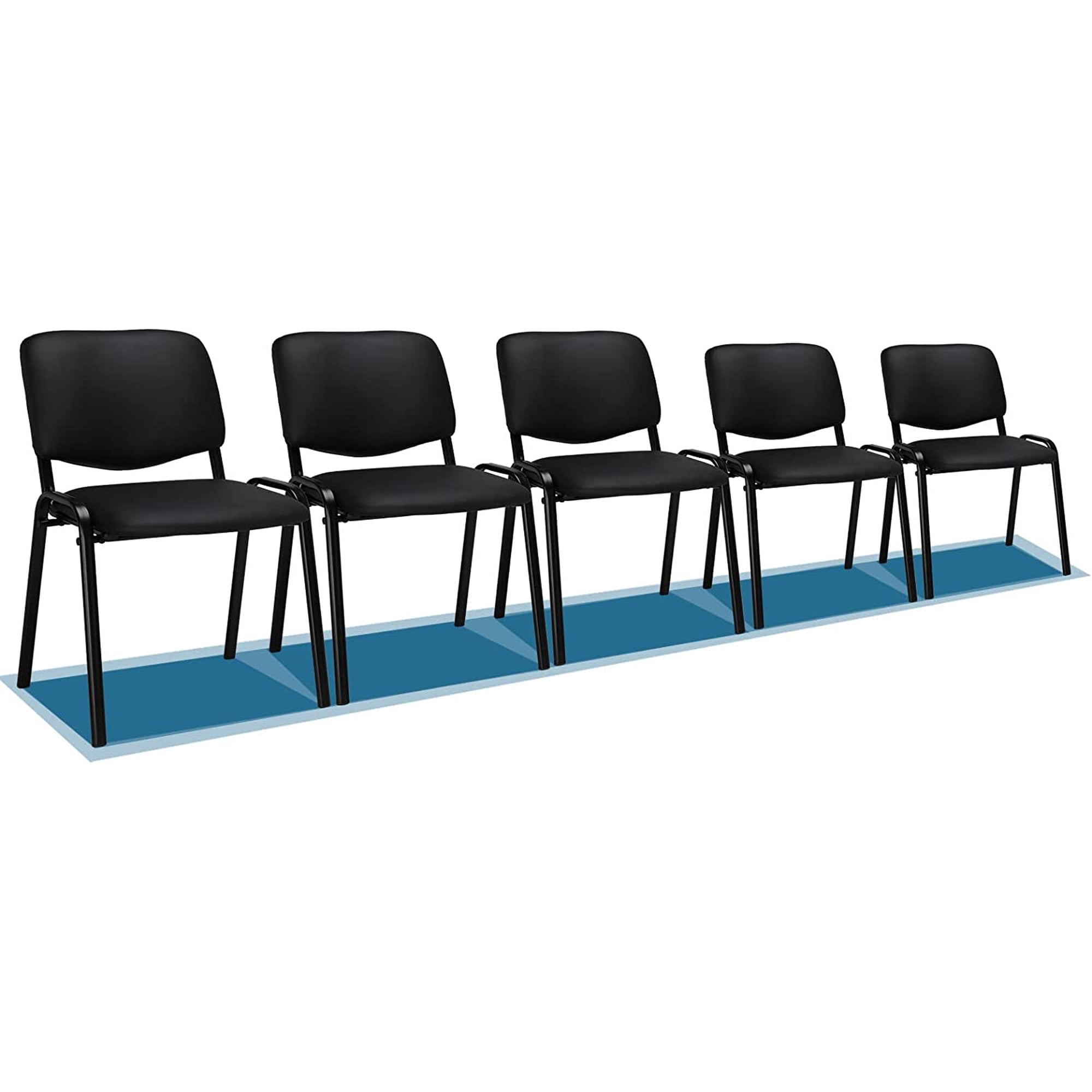
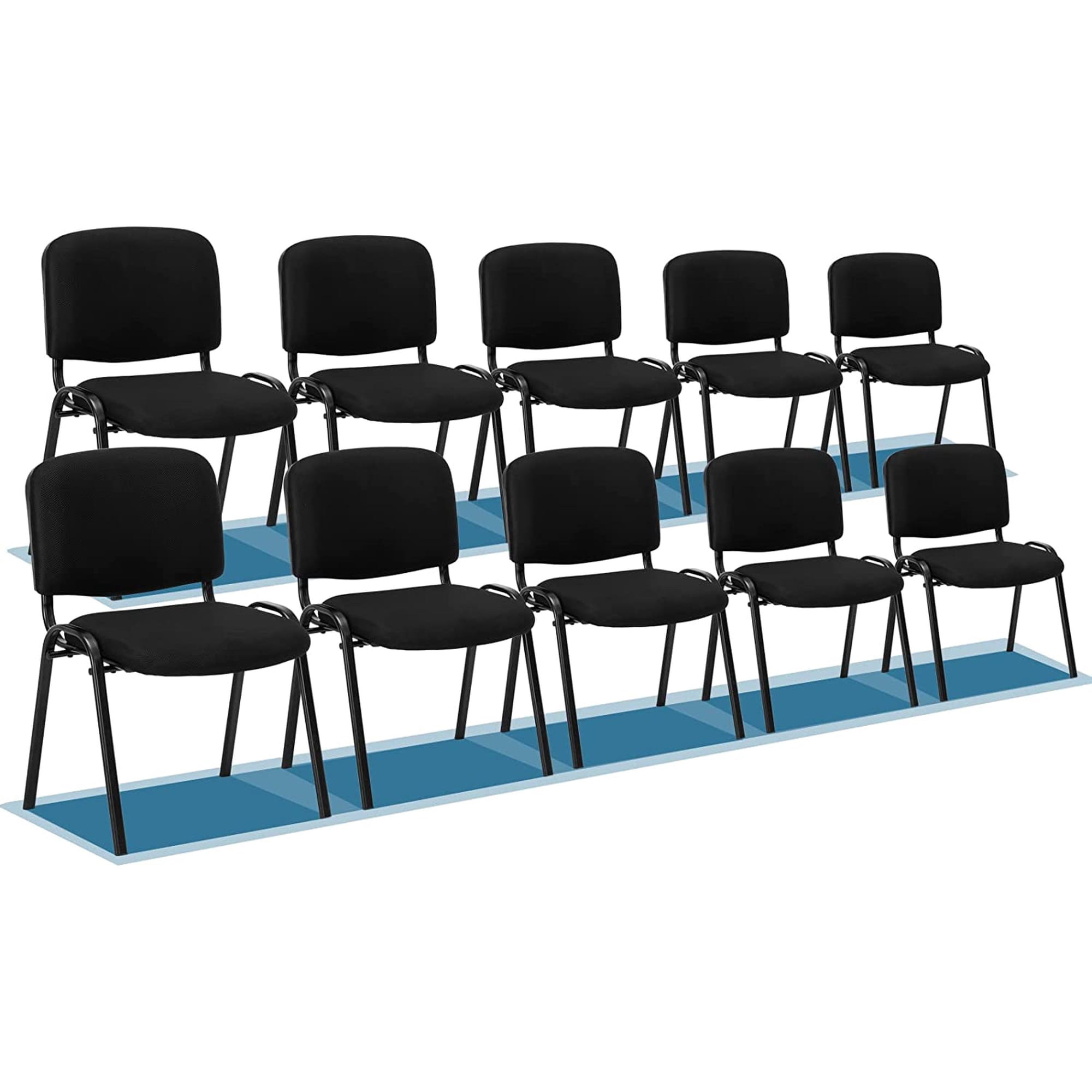
- Stackability / Ganging: ability to stack 4–10 high for storage or link together for rows.
- Minimal Adjustments: usually no pneumatic lift or armrest adjustments—focus on fixed comfort.
- Cleanability: materials that resist stains, since coffee spills and fingerprints happen often.
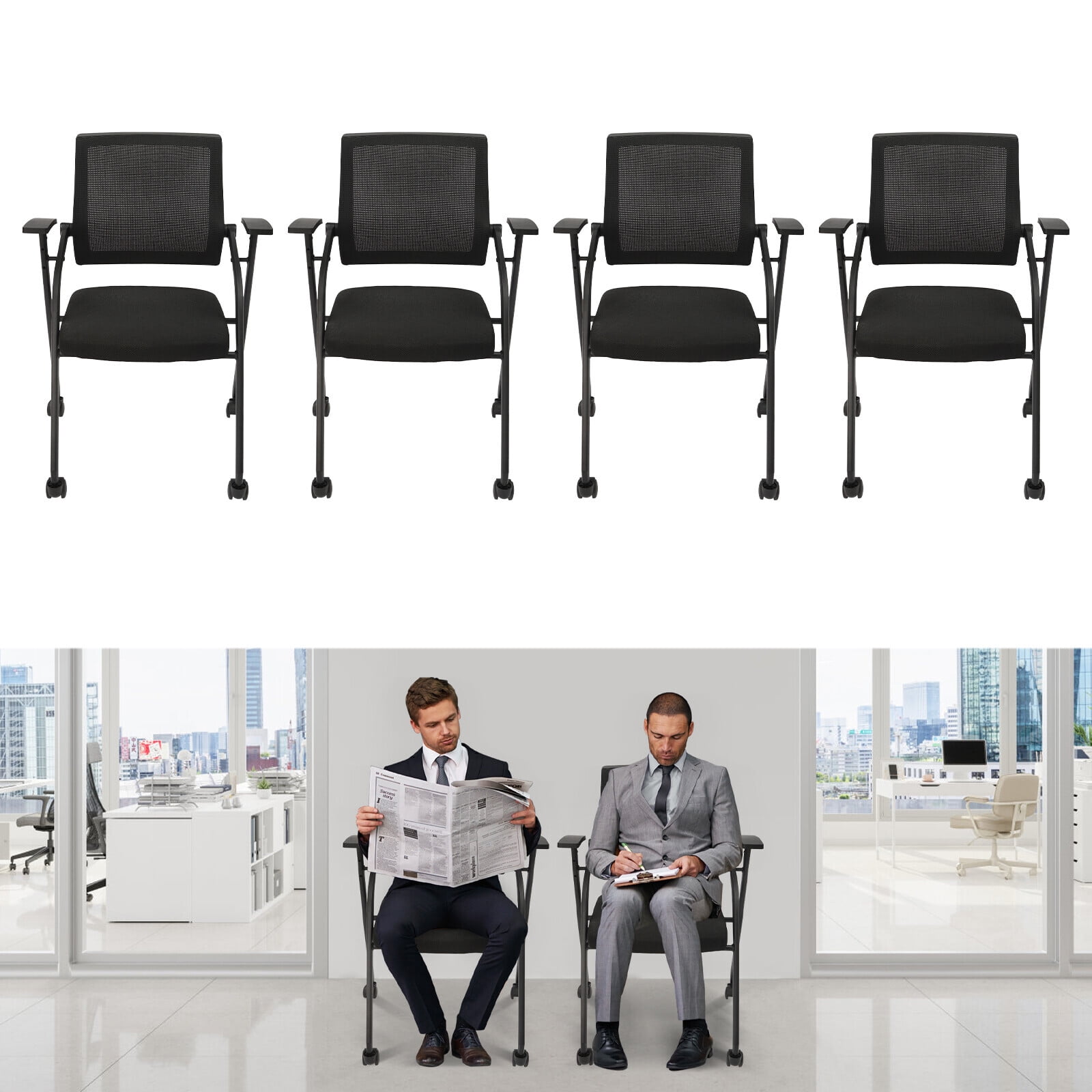
- Space Efficiency: slim profiles, often armless, to fit more people around tables.
- Professional Aesthetics: consistent look that matches conference room decor.
Meeting Chair Configurations: Stacking, Folding & Fixed
Let’s break down the three primary types of meeting chairs and their ideal use cases:
| Type | Best For | Pros | Cons |
|---|---|---|---|
| Stackable Chairs | Multi-purpose rooms, training centers | Space-saving storage, flexible layouts | Can feel less sturdy; stacking requires floor space nearby |
| Folding Chairs | Occasional use, overflow seating | Ultra-portable, cheap | Less comfortable, often lower back support |
| Fixed / Non-Stackable | Executive boardrooms, permanent setups | Sturdier, more ergonomic, upholstered arms | Takes up permanent floor space, harder to rearrange |
Anatomy of a High-Quality Office Meeting Chair
When evaluating office meeting chairs, inspect these components (similar to the table you provided, but tailored for meeting context):
| Component | Why It Matters for Meetings | What to Look For |
|---|---|---|
| Seat Width & Depth | Accommodates various body sizes; shallow depth allows sitting upright. | 18–22 inches wide, 16–18 inches depth; waterfall edge for circulation. |
| Backrest Height | Mid-back is typical; high-back might feel too enclosing. | 12–18 inches tall; contoured lumbar even without adjustments. |
| Frame Material | Durability against daily moving, stacking. | Reinforced nylon or steel frame; 5-star base if swivel, sled base for fixed. |
| Upholstery | Stain resistance, ease of wipe-down. | PU leather, vinyl, or solution-dyed mesh; avoid light fabrics if high traffic. |
| Arms or Armless | Arms add comfort, armless fits more people. | If arms: padded, low profile to slide under table. |
Material Deep Dive for Meeting Chairs
Similar to your executive page, but with meeting room priorities:
Mesh Meeting Chairs
- Breathable: prevents heat buildup during intense meetings
- Modern look: tech/creative industries prefer it
- Lightweight: easy to rearrange
- Durable: less prone to cracking than leather
Mesh Limitations
- Can collect dust in crevices
- Less formal for executive boardrooms
- Mesh may sag after years
Leather / PU Meeting Chairs
- Upscale appearance: ideal for client-facing rooms
- Easy cleaning: wipe spills instantly
- Comfort: soft feel, especially with foam padding
Leather Limitations
- Can be warm/sticky in hot climates
- PU leather may peel after 3-5 years
- Heavier, often more expensive
Ergonomics in Short-Duration Seating
Even though meetings last 1–2 hours, poor support leads to fidgeting. Key ergonomic features for meeting chairs:
- Lumbar prominence: fixed lumbar curve that fits 80% of users.
- Seat contour: slight dip to stabilize pelvis.
- Flexible backrest: allows slight recline without a mechanism.
Stackable vs. Folding: Detailed Comparison
For rooms that transform, stackable chairs (4–6 high) on a dolly are space miracles. Folding chairs are cheaper but often lack back contour. Newer stackable meeting chairs include padded seats and mesh backs, rivaling fixed chairs in comfort.
How Many Meeting Chairs Do You Need? Capacity Planning
A common mistake: buying too few or too many. Standard conference tables fit 2–3 chairs per side for an 8-foot table. Allow 26–30 inches per chair. For open meeting areas, consider nesting chairs that save space when not in use.
Meeting Chair Styles and Company Image
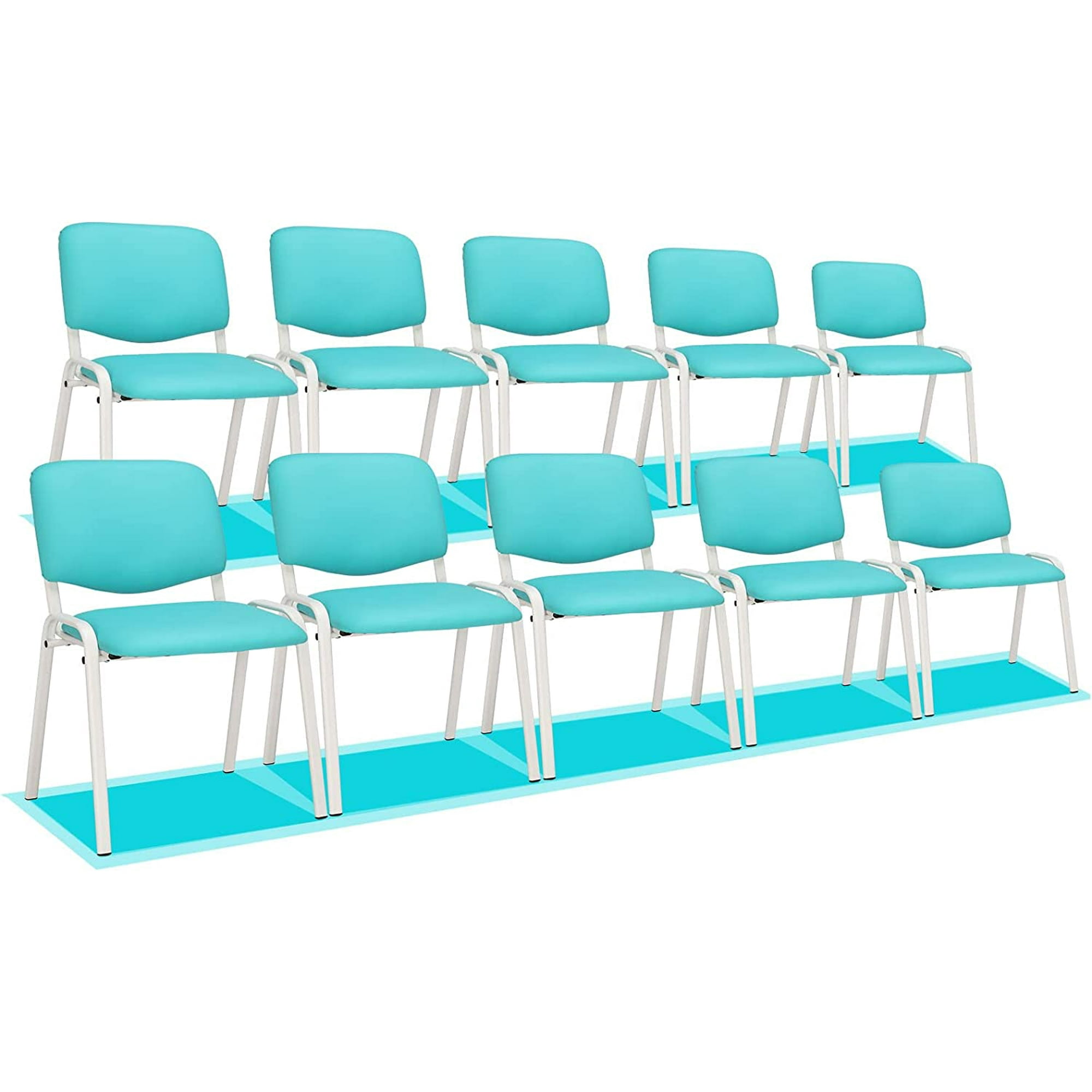
Your choice of office meeting chairs telegraphs your brand. A law firm may prefer high-back leather visitor chairs; a design agency might opt for colorful mesh or even sherpa office chairs (see sidebar) for a cozy vibe. Consistency with office decor is key.
5-Step Selection Framework for Meeting Chairs
- Measure your room and tables: note dimensions, door widths for delivery.
- Define usage patterns: daily team meetings (comfort priority) or monthly client presentations (image priority).
- Choose material based on traffic: high traffic → vinyl or mesh; low traffic → fabric.
- Decide arm vs. armless: test with table height to ensure armrests fit underneath.
- Check warranty and stackability: look for 5+ year warranty on frame, and if stacking, test locking mechanism.
Space Saving Fact: A set of 20 stackable meeting chairs occupies 75% less floor space when stacked compared to fixed chairs. Perfect for multi-purpose rooms.
Frequently Asked Questions About Office Meeting Chairs
Conclusion: Choose Meeting Chairs That Foster Collaboration
Selecting the right office meeting chairs blends aesthetics, durability, and comfort. Prioritize stackability if space is fluid; choose leather or mesh based on desired image and maintenance. Always test a sample, and consider the mix of users. With this guide, you can confidently furnish conference rooms that impress clients and keep teams engaged.
Quick Recommendations by Meeting Type
| Meeting Type | Chair Style | Material | Key Feature |
|---|---|---|---|
| Client Boardroom | High-back executive guest | Leather | Polished aluminum base |
| Team Huddle Space | Mid-back stackable | Mesh | Armless, fits 6 around small table |
| Training Room | Stackable with tablet arm | Polypropylene | Lightweight, ganging option |
| Casual Lounge Meeting | Soft padded visitor | Fabric / Sherpa | Homey feel, cozy |