
Why the Humble Swivel Office Chair is a Game-Changer for Your Workday
At first glance, a swivel office chair might seem like a simple convenience. But the ability to rotate 360 degrees without lifting from your seat is more than a luxury—it’s a productivity booster and a spine-saver. Think of it like the turntable in a kitchen: you can access every ingredient without stretching or twisting awkwardly. In an office, that means grabbing a file, turning to a colleague, or reaching a second monitor without straining your lower back.
Modern swivel chairs have evolved far beyond the basic metal stools of the 20th century. Today, they integrate advanced ergonomics, high-quality casters, and materials that cater to everything from executive suites to home offices. According to a study by the Human Factors and Ergonomics Society, workers using a fully adjustable swivel chair reported 27% less discomfort during multitasking compared to fixed-seat alternatives.
The Anatomy of a Superior Swivel Office Chair
Understanding the components helps you make an informed choice. A great swivel chair isn’t just about the base that spins; it’s a system of parts working together.
1. Casters: The Unsung Heroes of Mobility
• Hard floor casters: Usually made of soft polyurethane to prevent scratches on wood, tile, or laminate. They glide silently and protect your flooring investment.
• Carpet casters: Often harder plastic with a larger surface area to roll smoothly over thick pile. Some premium chairs feature 'dual-wheel' casters that distribute weight evenly.
• Rollerblade-style wheels: A popular upgrade – they are quieter, smoother, and work well on most surfaces.
2. Swivel Mechanism: Smooth Rotation & Longevity
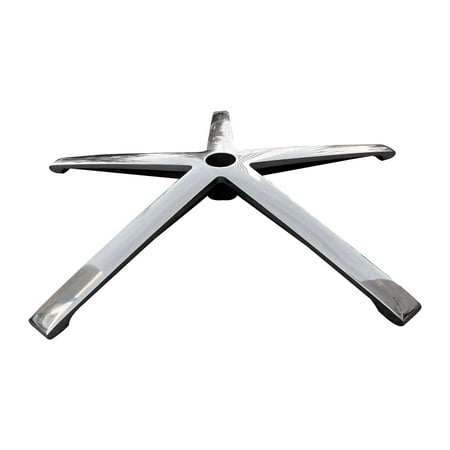
The swivel function relies on a high-quality bearing system inside the base. Cheaper chairs may develop a 'wobble' or squeak after a few months. Look for chairs with a class 4 gas lift and a sturdy steel bearing. A good swivel should rotate effortlessly with a light push, and hold its position without drifting.
3. Seat and Backrest Ergonomics
• Waterfall edge: Reduces pressure on thighs, promoting better circulation.
• Adjustable lumbar: Many swivel chairs now offer built-in lumbar support that moves with you.
• Recline with tension control: Allows you to lean back while keeping your feet planted – essential for dynamic sitting.
Swivel Chair Materials: Which One Suits Your Style?
Material choice affects breathability, durability, and aesthetics. Here’s a quick breakdown tailored for swivel chairs.
Mesh Swivel Chairs
Best for: warm climates, long hours, modern look.
✓ Excellent airflow prevents sweaty back.
✓ Lightweight, easy to move.
✓ Often more affordable.
Note: May lack plush feel; pair with a seat cushion if needed.
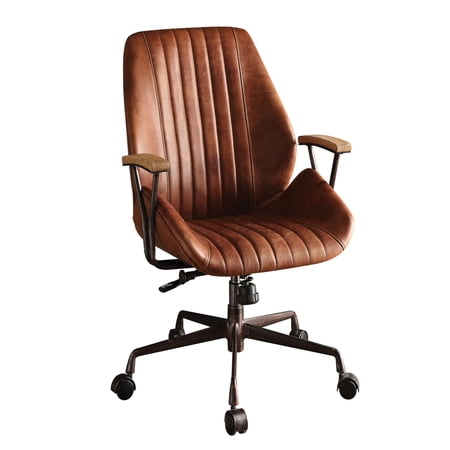
Leather Swivel Chairs
Best for: executive offices, luxury, easy wipe-clean.
✓ Develops patina over time.
✓ Conveys authority and style.
✓ Very durable (10+ years).
Note: Can feel sticky in summer; requires conditioning.
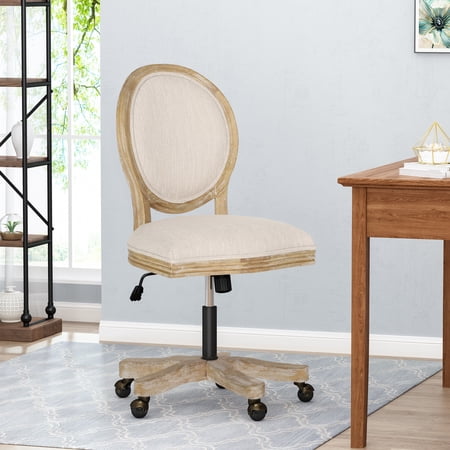
Fabric Swivel Chairs
Best for: cozy home offices, variety of colors.
✓ Soft, warm, and inviting.
✓ Often less expensive.
✓ Many patterns/styles.
Note: May stain; vacuum regularly.
How to Match a Swivel Chair to Your Daily Tasks
Not all swivel chairs are created equal. The way you work should dictate your choice.
- Multi-screen users: You need a super-smooth swivel to pivot between monitors. Look for a chair with a wide, stable base (at least 26 inches) to prevent tipping when you spin quickly.
- Collaborative spaces: In open offices, a swivel chair with arms that flip up or are low-profile allows you to tuck under tables and turn to talk to teammates.
- Drafting / standing desks: Tall swivel stools with a footring are ideal. They allow you to perch and swivel while working at higher surfaces.
- Home office / gaming hybrid: Many modern swivel chairs feature high backs and headrests, blending gaming aesthetics with office functionality.
According to the Office Ergonomics Research Committee, workers who use a chair with a fully functional swivel and casters take 34% fewer 'twisting' breaks, which can reduce cumulative back strain over a 40-year career.
5-Step Process to Buy the Perfect Swivel Office Chair
Step 1: Measure Your Space & Desk Height
• Standard desk height is 29-30 inches. Your chair seat should be 16-21 inches adjustable.
• Ensure the chair base fits under the desk when swiveled. Some large executive chairs need extra clearance.
Step 2: Choose Caster Type Based on Floor
• Hardwood/tile: soft rubber casters (marked 'H' for hard floor).
• Carpet: hard casters (marked 'C' for carpet) or dual-wheel universal casters.
Step 3: Check Weight Capacity & Build
Look for a chair rated at least 250 lbs. Heavy-duty swivel chairs often have wider seat pans (22+ inches) and reinforced gas lifts.
Step 4: Test the Swivel Range & Tilt
Sit in the chair and push off gently. It should spin freely without jerking. Engage the tilt lock and see if you can rock comfortably.
Step 5: Examine Warranty & Return Policy
Quality swivel chairs often come with 5-10 year warranties on the mechanism and frame. Avoid chairs with less than 1 year comprehensive coverage.
Health Benefits of a Quality Swivel Office Chair
Reduced Spinal Twisting
Instead of rotating your torso, the chair rotates. This keeps your spine aligned and reduces torsion on discs.
Improved Circulation
Easy movement encourages micro-movements, preventing blood pooling in legs.
Better Reach
Retrieve items from side tables or filing cabinets without stretching, lowering shoulder strain.
Dynamic Sitting
Swivel chairs with tilt encourage subtle shifts, engaging core muscles and reducing fatigue.
Frequently Asked Questions About Swivel Office Chairs
Conclusion: Your Perfect Swivel Partner Awaits
Choosing a swivel office chair is about more than just mobility—it's about creating a workspace that adapts to you. From the smooth glide of high-quality casters to the freedom of 360° rotation, the right chair keeps you agile and comfortable. Whether you lean towards a breathable mesh task chair or a luxurious leather executive model, always prioritize a robust swivel mechanism and ergonomic fit. Your back (and your productivity) will thank you for years to come.