
Why Choose a Plastic Office Chair? (H2)
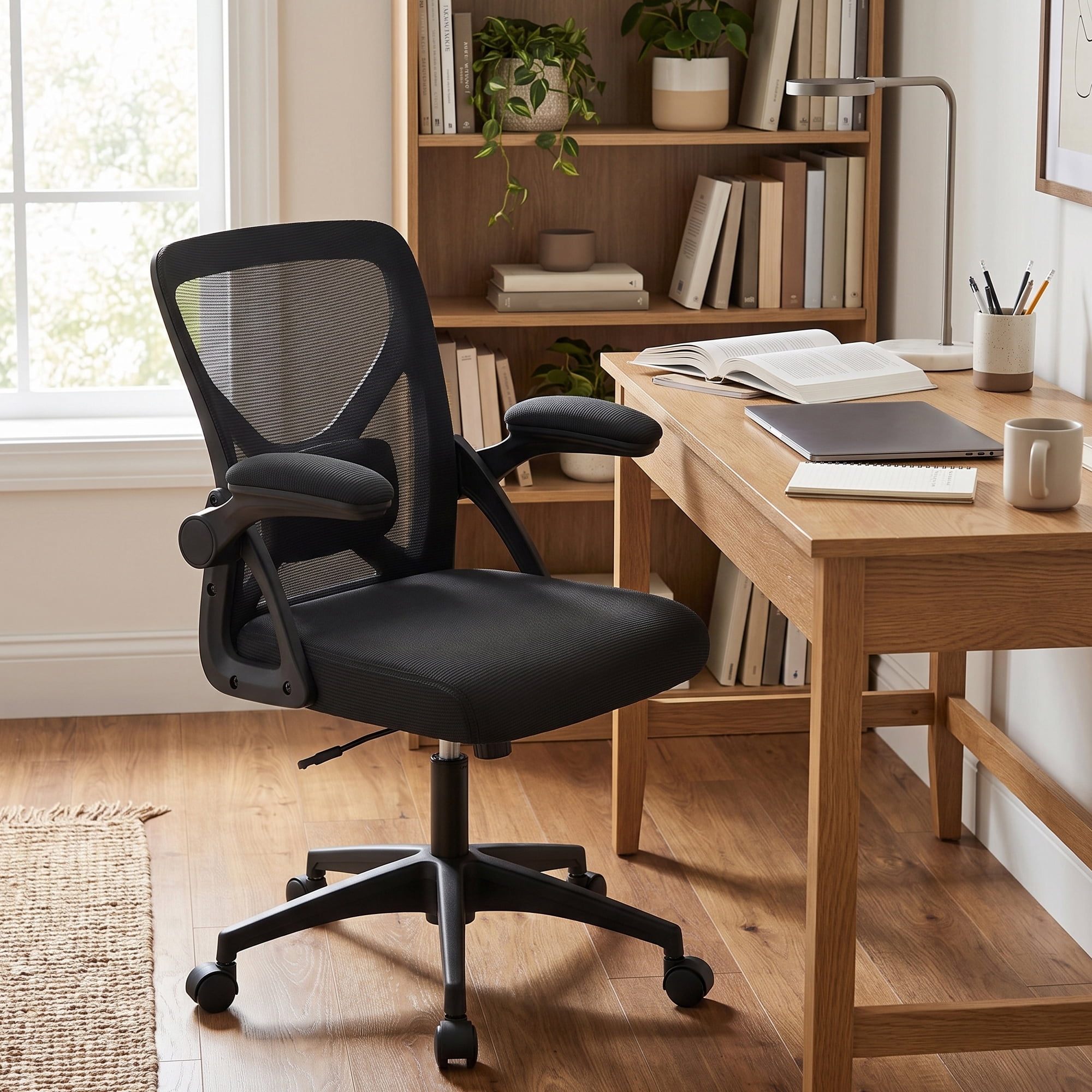
When you think of an office chair, leather or mesh might come to mind first. But plastic office chairs have undergone a quiet revolution. Today, they are not just the stackable extra chairs in a conference room; they are ergonomic, durable, and surprisingly stylish options for the modern workspace. Imagine the sturdy, lightweight frame of a high-end patio chair, but designed for the ergonomic demands of a desk job—that's the contemporary plastic office chair.
Why They're Gaining Popularity: A recent industry report indicated that sales of polypropylene office chairs have grown by 22% year-over-year, driven by demand in co-working spaces, educational institutions, and home offices where flexibility and ease of cleaning are paramount. They are the unsung heroes of versatile seating.
Beyond the Basics: Key Advantages of Plastic Seating (H3)
- Unmatched Durability & Weather Resistance: High-quality plastic like polypropylene won't crack, rust, or corrode. It's the same material used in outdoor furniture, making these chairs resistant to humidity and accidental spills.
- Featherlight & Highly Portable: One of the biggest perks is their weight. Most plastic office chairs weigh under 15 pounds, making them incredibly easy to move from a desk to a meeting area or to store away when not in use.
- Effortless Maintenance: Say goodbye to fabric stains. A simple wipe with a damp cloth is all it takes to keep a plastic chair looking brand new. This makes them ideal for break rooms, creative studios, and households with children or pets.
- Eco-Friendly Options: Many manufacturers now use recyclable plastics and incorporate recycled materials into their chairs. Look for certifications that highlight sustainable production.
- Breathable Design: Unlike some materials that trap heat, plastic chairs, especially those with mesh or perforated designs, offer excellent airflow, keeping you cool during long work sessions.
- Modern Aesthetics: From sleek, minimalist monoblocks to chairs with vibrant, molded colors, plastic offers a clean, contemporary look that fits perfectly in modern and Scandinavian-style offices.
Plastic Office Chair vs. Other Materials: A Quick Health & Practicality Check (H3)
Choosing the right material for your chair impacts not just your comfort, but also your daily workflow. Here’s how plastic stacks up against common alternatives:
| Feature | Plastic Chair | Fabric Chair | Leather Chair | Mesh Chair |
|---|---|---|---|---|
| Maintenance & Cleaning | Excellent (wipe clean) | Poor (stains easily) | Good (wipe clean, but can crack) | Good (can trap dust in weave) |
| Durability | Very High (no tearing) | Medium (fading, tearing) | High (with care) | Medium (mesh can sag) |
| Breathability | Good (if designed with slots/mesh) | Low (retains heat) | Low (can get sticky) | Excellent |
| Weight | Very Lightweight | Medium | Heavy | Lightweight |
| Cost | Low to Medium | Medium | High | Medium to High |
Who Benefits Most from a Plastic Office Chair? (H3)
Home Office Workers
Ideal for small spaces; can be easily moved or tucked away.
Students & Dorms
Durable, affordable, and easy to clean after late-night study snacks.
Startups & Co-working
Flexible seating for a dynamic, ever-changing team layout.
Creative Professionals
Vibrant colors and modern designs to inspire a creative workspace.
What to Look for in a Quality Plastic Office Chair (H3)
Not all plastic chairs are created equal. To ensure you're getting a chair that offers both comfort and longevity, pay attention to these specifications:
- Material Grade: Look for chairs made from virgin polypropylene or reinforced nylon. These are more durable and less likely to become brittle over time than recycled or blended plastics.
- Ergonomic Design Elements: Even in plastic, ergonomics matter. Seek out features like a waterfall seat edge to reduce pressure on thighs, a flexible backrest that moves with you, and optional seat cushion for added comfort.
- Base and Casters: A sturdy 5-star base is crucial for stability. Ensure the casters are suitable for your floor type (hardwood vs. carpet).
- Weight Capacity: Check the manufacturer's rating. Standard plastic chairs often hold 250-300 lbs, while heavy-duty models can support more.
- Certifications: For health and safety, look for GREENGUARD Gold certification, which ensures the chair has low chemical emissions.