
The Essential Guide to Choosing Office Side Chairs
Imagine walking into a well-designed office. The first thing you notice isn't just the desk or the technology—it's the seating. The chairs where clients wait, where teams brainstorm, and where brief but important conversations happen. These are your office side chairs, and they play a silent but powerful role in your company's image and functionality. Unlike the task chair you sink into for eight hours, a side chair is the 'ambassador' of your space: it must be inviting, durable, and perfectly suited for its environment.
Selecting the right side chairs involves a different set of priorities. It's not about infinite adjustability, but about striking a balance between aesthetics, comfort for moderate durations, and the ability to withstand frequent use. This guide will walk you through everything you need to know—from materials and styles to practical considerations like stackability and maintenance—so you can furnish your workspace with confidence.
Design Psychology: A study by the Furniture Industry Research Association suggests that the comfort and appearance of guest seating directly influences a visitor's perception of a company's professionalism and attention to detail by up to 68%. Your side chairs are speaking even when you're not.
Understanding the Role of Side Chairs in a Modern Office
Think of your office as a stage. The task chairs are the 'workhorses' backstage, while the side chairs are the 'actors' in the spotlight—they're the ones guests see and interact with. Their roles are diverse:
- Reception & Waiting Areas: Here, side chairs need to be the most welcoming. They should be easy to get in and out of, visually cohesive, and upholstered in durable, easy-to-clean materials. Think of them as the first handshake with your brand.
- Conference & Meeting Rooms: For spaces where discussions happen, side chairs must support good posture for one to three hours. Features like a contoured backrest or a slight recline become more important than in a quick-visit waiting area.
- Collaborative Zones & Breakout Spaces: These areas call for flexibility. Lightweight, movable, and sometimes stackable side chairs allow teams to reconfigure the space on the fly, adapting from a quick stand-up meeting to a relaxed brainstorming session.
- Office Dining & Break Rooms: Comfort and cleanability are key. Chairs here might see spills and need to be easily wiped down, while also providing a comfortable perch for a coffee break.
Key Features That Define Quality Office Side Chairs
Not all side chairs are created equal. Here are the critical elements to evaluate when making your selection:
| Feature | Why It Matters for Side Chairs | What to Look For |
|---|---|---|
| Frame Construction | Determines longevity, especially in high-traffic areas. A wobbly frame feels cheap and unsafe. | Reinforced steel or heavy-gauge aluminum frames. For wood, look for kiln-dried hardwood with sturdy joinery. |
| Seat Ergonomics | Even for short sits, a poorly designed seat can cause discomfort. The goal is 'conversation-ready' comfort. | Contoured foam seats (density of 2.0 lbs or higher) and a backrest that follows the natural 'S' curve of the spine. |
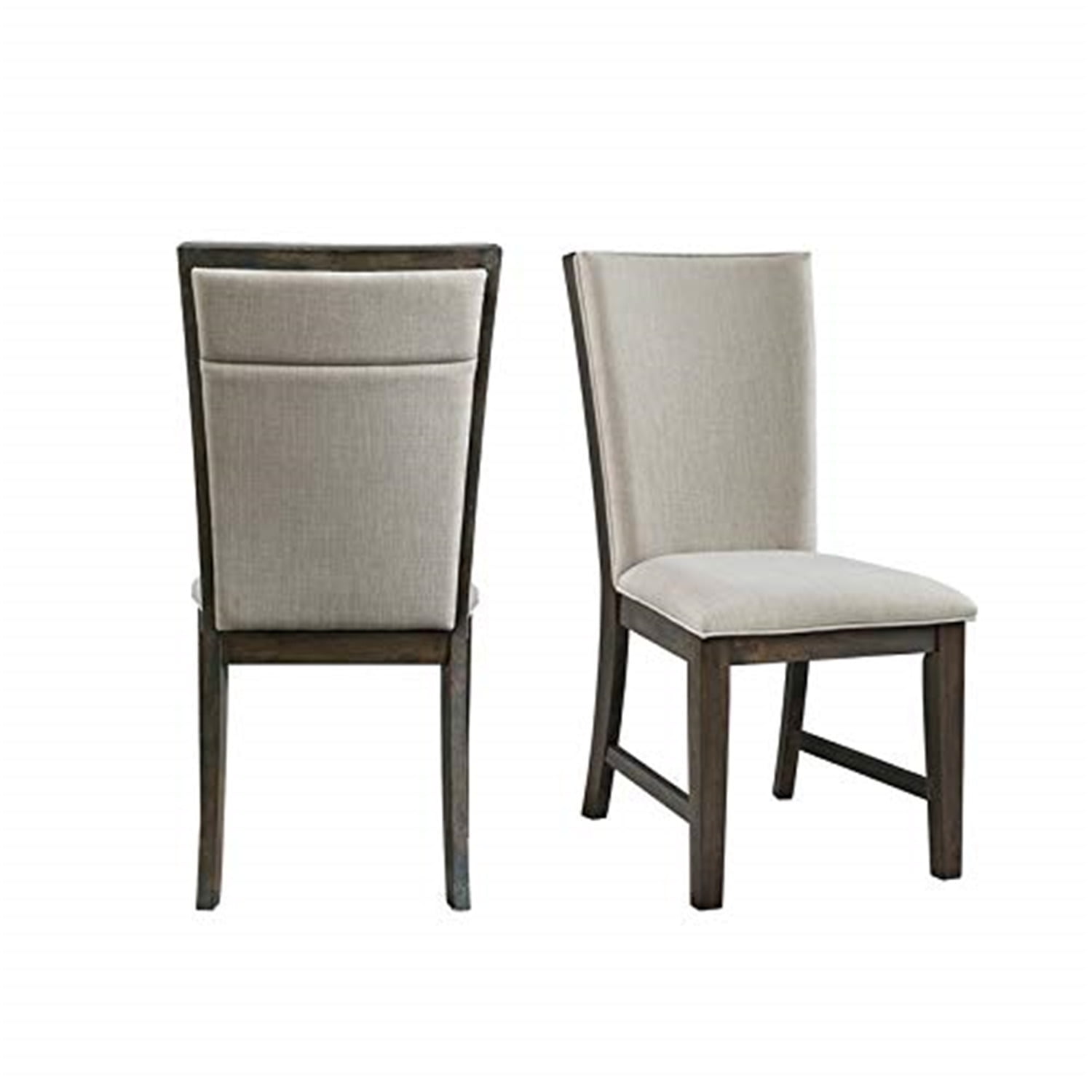
| Upholstery Material | Impacts maintenance, aesthetics, and durability. A chair in a lunch area has different needs than one in a CEO's office. | Commercial-grade fabric (high double-rub count) for durability; vinyl or bonded leather for easy cleaning; mesh for breathability in warm climates. |
| Base & Glides | Side chairs typically don't have wheels. The base and glides protect your floors and provide stability. | Non-marking felt or nylon glides for hardwood floors; rubberized glides for carpets. A four-legged base should have a wide stance for tip resistance. |
| Stackability / Ganging | For multi-purpose rooms, the ability to stack chairs for storage or connect them in rows (ganging) is a game-changer. | Integrated stack bumpers to protect upholstery; built-in ganging clips for neat rows in training rooms or auditoriums. |
Material Deep Dive: Choosing the Right Cover for Your Side Chair
Just as you'd choose a different outfit for a black-tie event versus a casual picnic, the 'clothing' of your side chair—its upholstery—must match its environment. Here's a breakdown of common materials used in office side chairs:
Fabric Upholstery
- Pros: Vast color/pattern options, comfortable, breathable, soft to the touch. Acoustic benefits (can dampen sound).
- Cons: Can stain if not treated, may pill over time with heavy use. Requires professional cleaning for deep stains.
- Best For: Private offices, low-to-moderate traffic meeting rooms, collaborative zones where warmth is desired.
Vinyl / PU Leather
- Pros: Extremely easy to clean (just wipe), budget-friendly leather look, durable and stain-resistant.
- Cons: Can be less breathable (hot/sticky), may crack over time if quality is low, not as premium a feel as real leather.
- Best For: Reception areas, break rooms, medical offices, high-traffic public spaces.
Mesh
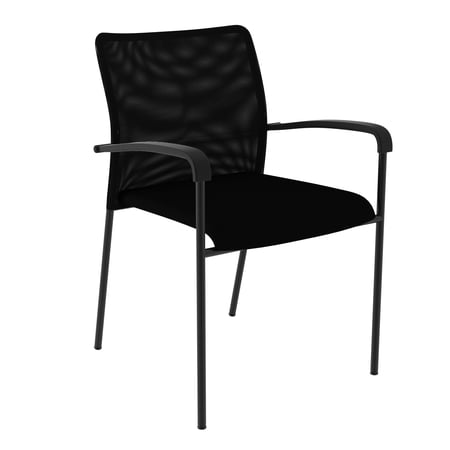
- Pros: Superior breathability, modern aesthetic, lightweight, offers good ergonomic support with tension.
- Cons: Can snag, limited color options (usually black or grey), may not suit traditional office decor.
- Best For: Tech companies, warm climates, conference rooms where people sit for longer periods.
Polypropylene (Plastic)
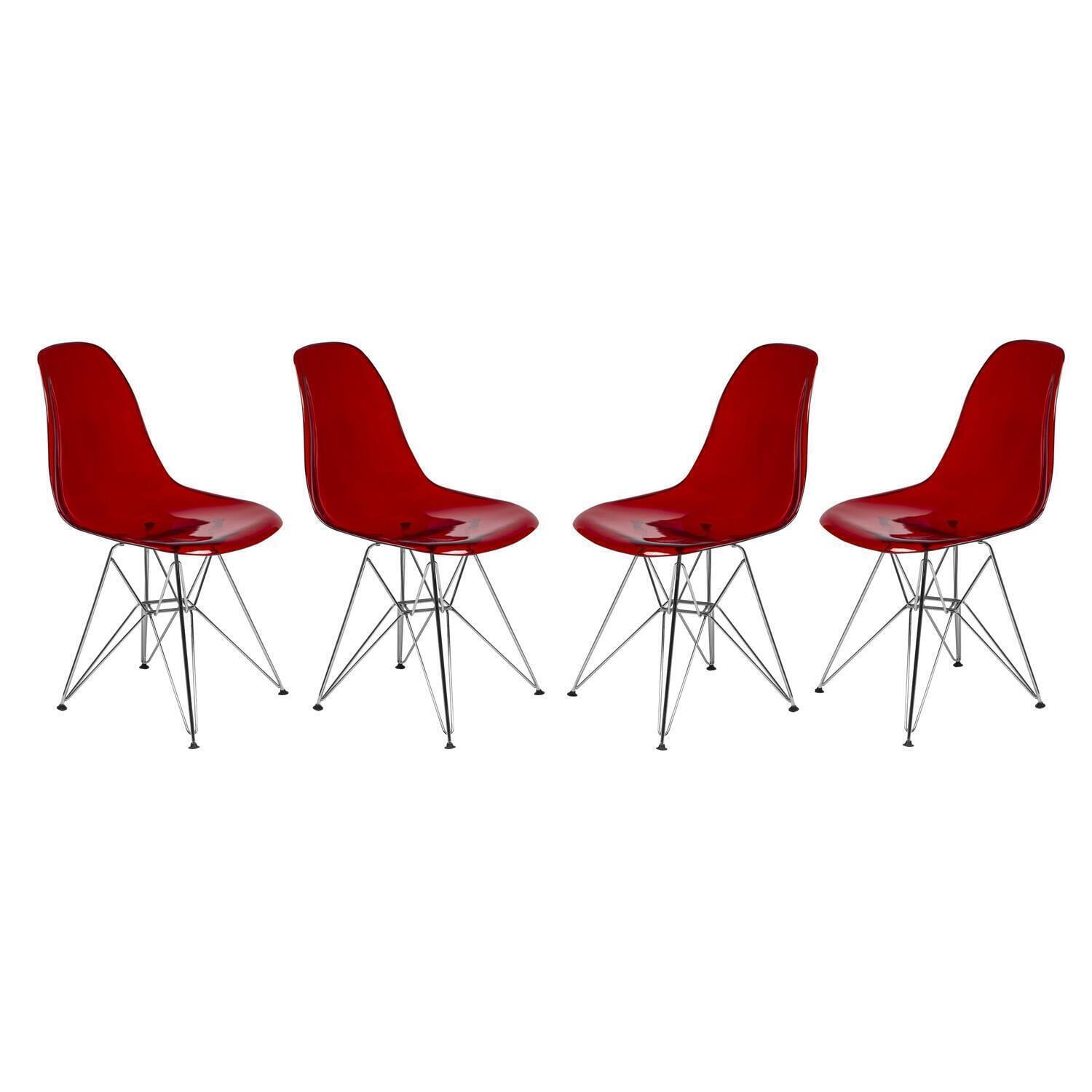
- Pros: Affordable, lightweight, often 100% recyclable, available in vibrant colors, extremely durable and weather-resistant.
- Cons: Minimal padding (unless combined with a cushion), can feel hard, less 'professional' for formal settings.
- Best For: Training rooms (stackable), outdoor/indoor flexible spaces, modern casual break areas.
Step-by-Step Selection Guide for Office Side Chairs
Use this simple framework to narrow down your choices and find the perfect side chairs for your specific needs:
Step 1: Define the Primary Use Case
- Quick Visit (under 15 min): Focus on aesthetics and ease of cleaning. A sleek plastic or vinyl chair works well.
- Standard Meeting (1-2 hours): Prioritize contoured seat and back support. Choose fabric or mesh with moderate padding.
- Long Training/Conference (2-4 hours): Invest in ergonomic features, waterfall seat edges, and breathable materials like high-quality mesh or padded fabric.
Step 2: Measure Your Space & Plan Layout
A common mistake is buying chairs that are too large for the room. Sketch your floor plan. Account for traffic flow—you need at least 24-30 inches of clearance behind a chair for someone to pass. If the room serves multiple purposes, measure storage space for stackable chairs.
Step 3: Match the Style to Your Brand
Your office furniture is a visual representation of your brand. A law firm might lean towards classic leather or high-back fabric chairs. A creative agency might opt for colorful polypropylene or mid-century modern designs. A healthcare provider would prioritize cleanable vinyl with a calming color palette.
Step 4: Test for 'Real-World' Durability
Ask for fabric performance ratings (double rubs). For commercial use, aim for a minimum of 30,000 double rubs. Check the frame warranty—a 5 to 10-year warranty on the frame is a sign of quality. Sit in the chair and gently lean back to test for stability and any creaking noises.
Beyond the Basics: Specialized Side Chair Categories
Depending on your office layout, you might need a specific subtype of side chair:
- Stackable Side Chairs: Essential for multipurpose rooms. Look for integrated carrying handles and protective stack bumpers to prevent damage.
- Armless Side Chairs: Maximize seating capacity in tight spaces and allow guests to sit closer to a table or each other. They also create a more open, less bulky feel.
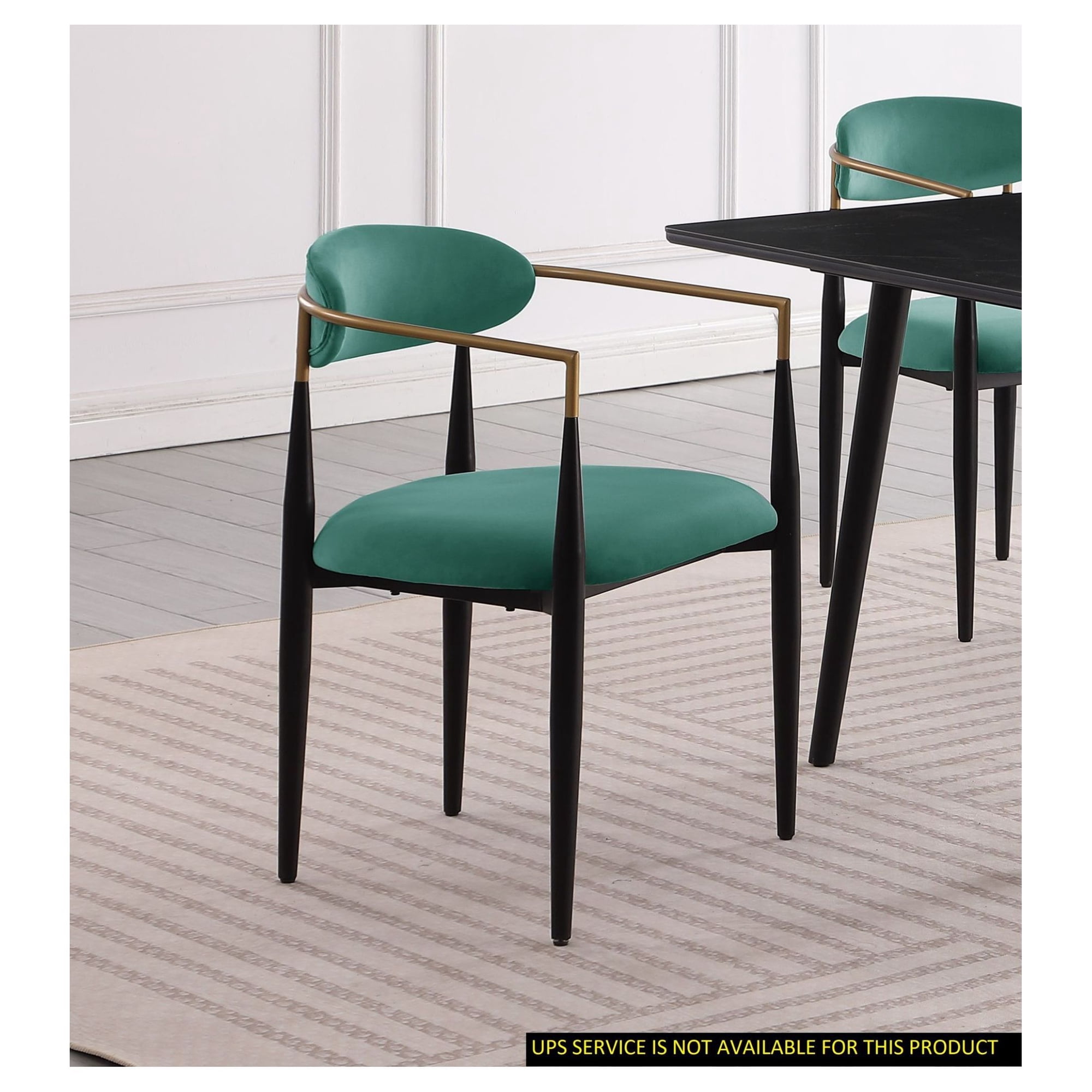
- Side Chairs with Arms: Offer more support and a sense of 'enclosure', suitable for longer meetings. Ensure arms are low enough to slide under the desk or table.
- Folding Side Chairs: The ultimate space-savers for overflow seating, though they may sacrifice some aesthetic appeal and long-term comfort.
- Sled Base Side Chairs: Feature a continuous metal base that forms both legs and a support. They are exceptionally sturdy, often stackable, and have a clean, modern look.
Frequently Asked Questions About Office Side Chairs
Conclusion: Making the Right Choice for Your Space
Selecting office side chairs is a strategic decision that blends interior design, ergonomics, and practical functionality. By understanding the distinct roles these chairs play—from welcoming guests to facilitating productive meetings—you can make choices that enhance both the look and the efficiency of your workplace. Remember, the best side chair isn't necessarily the most expensive one; it's the one that perfectly fits the activity, the room's dimensions, and your company's culture.
Final Recommendation Summary
Choose high-quality vinyl or durable fabric in a welcoming color. A slightly padded seat and curved back offer comfort without encouraging visitors to linger too long if you have a busy front desk.
Invest in ergonomic side chairs with breathable mesh backs and contoured foam seats. A sled base offers a modern look and sturdy support for long strategy sessions.
Prioritize stackable, lightweight polypropylene or padded chairs with ganging options. This gives you the ultimate flexibility to reconfigure the space for different group sizes and activities.
Ultimately, the time you invest in selecting the right side chairs will pay dividends in client impressions, employee satisfaction, and the seamless flow of your daily operations. Use the product grid above to explore top-rated options that match the criteria we've discussed.