
The Silent Ambassadors: Why Your Office Waiting Room Chairs Matter
Imagine walking into a office for the first time. Before you even meet the person you are visiting, you sit down in the waiting area. That few minutes—whether you are a potential client, a job candidate, or a business partner—shapes your entire perception of the company. If the office waiting room chairs are wobbly, stained, or uncomfortably hard, you might subconsciously question the company's attention to detail and professionalism. On the other hand, sturdy, clean, and inviting guest seating signals stability, care, and respect for visitors.
Choosing the right seating for your reception or lobby is not just about filling a space; it is a strategic decision. According to a study by the Journal of Interior Design, 68% of people form an opinion about a business within the first 30 seconds of entering, heavily influenced by the waiting area's furniture and layout. This guide will walk you through everything you need to know—from material durability to layout planning—to ensure your waiting room makes the right statement.
Decoding the Perfect Waiting Room Chair: A Buyer's Blueprint
Unlike personal office chairs that cater to one user, waiting room chairs are public furniture. They face constant use, varying body types, and occasional spills. Here is a structured approach to choosing the right ones, focusing on aspects often overlooked in generic guides.
1. The Trinity of Commercial Seating: Frame, Fill, and Fabric
Think of a waiting room chair like a car tire: it needs to handle high mileage (traffic) in all conditions. Here is how to evaluate its core components:
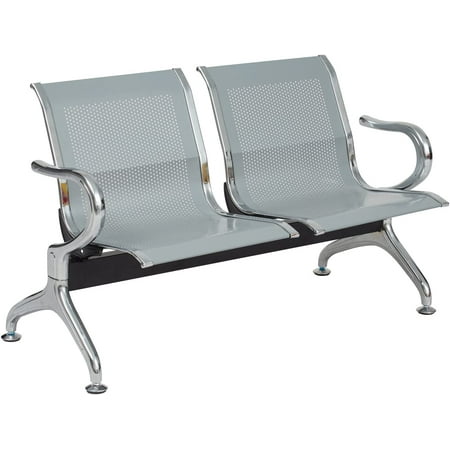
- The Frame (The Skeleton): Always prioritize solid steel or reinforced hardwood frames over plastic or particle board. Steel frames, often powder-coated to prevent rust, offer the highest weight capacity (typically 400 lbs+) and resist loosening over time. A quick tip: if you can lift the chair easily with one hand, the frame might be too lightweight for commercial use.
- The Fill (The Cushion): High-density foam is non-negotiable. Look for foam with a density rating of 2.0 or higher (ILD - Indentation Load Deflection). This ensures the cushion won't flatten out after a few months. For waiting rooms, contoured foam that provides slight lumbar support is a step above flat, slab cushions.
- The Fabric (The Armor): This is your frontline defense.
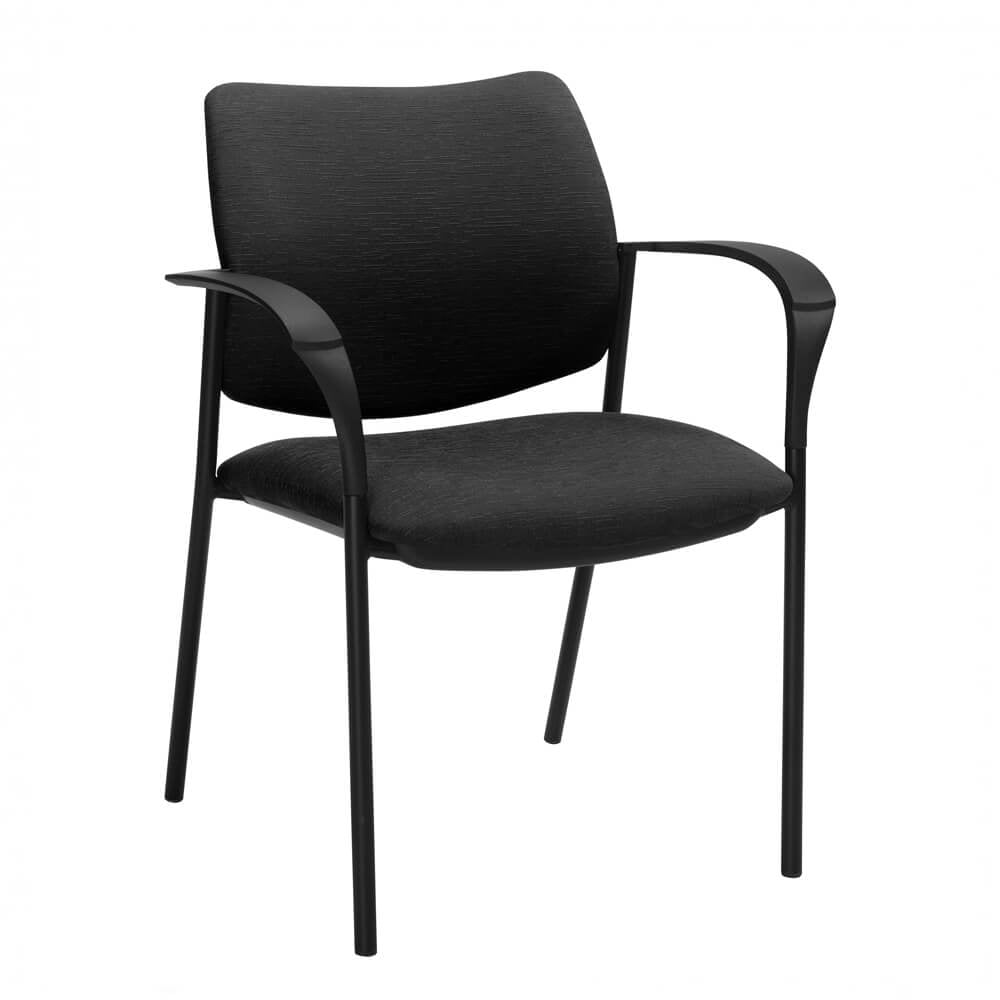
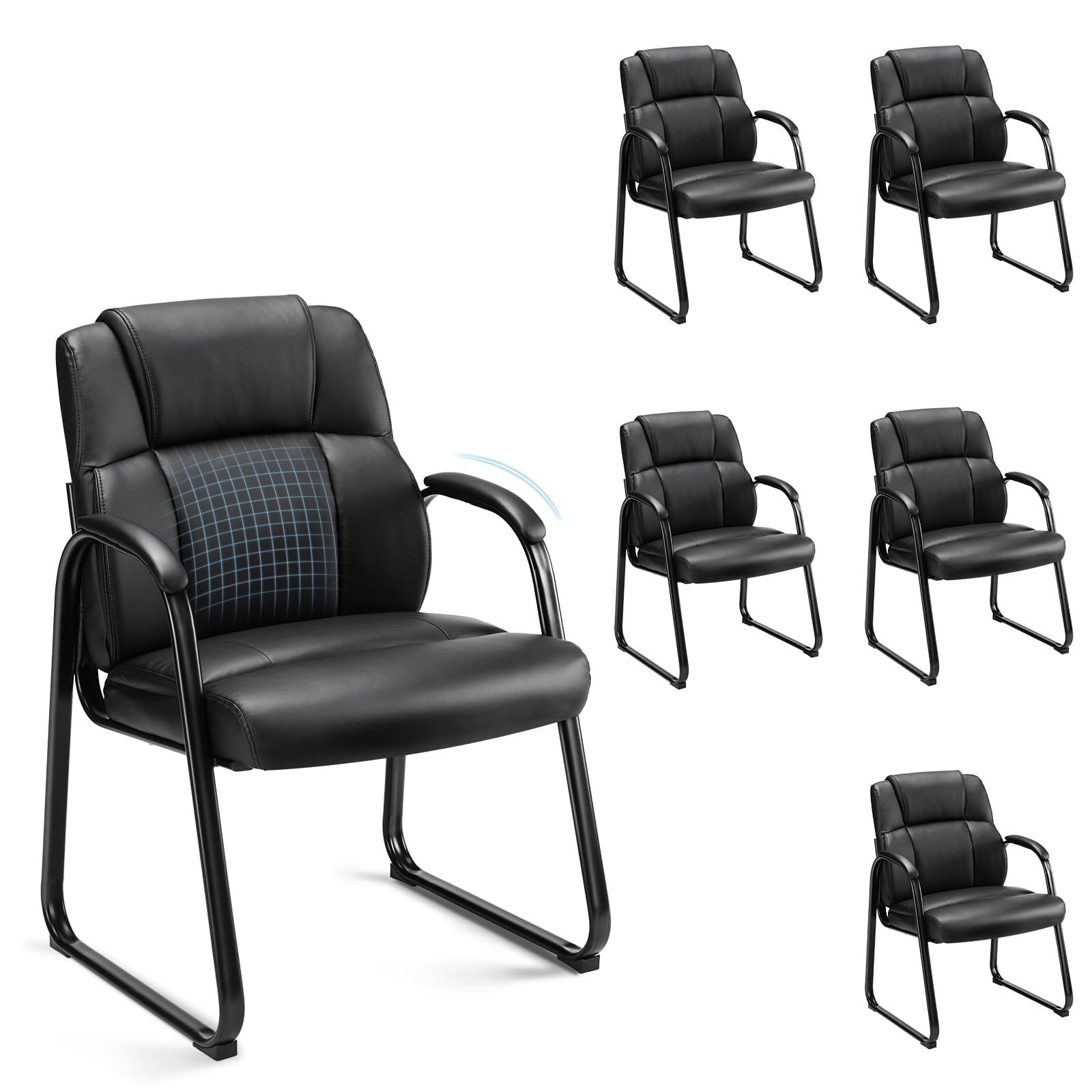
- Commercial-Grade Vinyl: The workhorse of waiting rooms. It is stain-resistant, wipes clean easily, and mimics the look of leather at a fraction of the cost. Ideal for medical offices, high-traffic lobbies, and anywhere spills might happen.
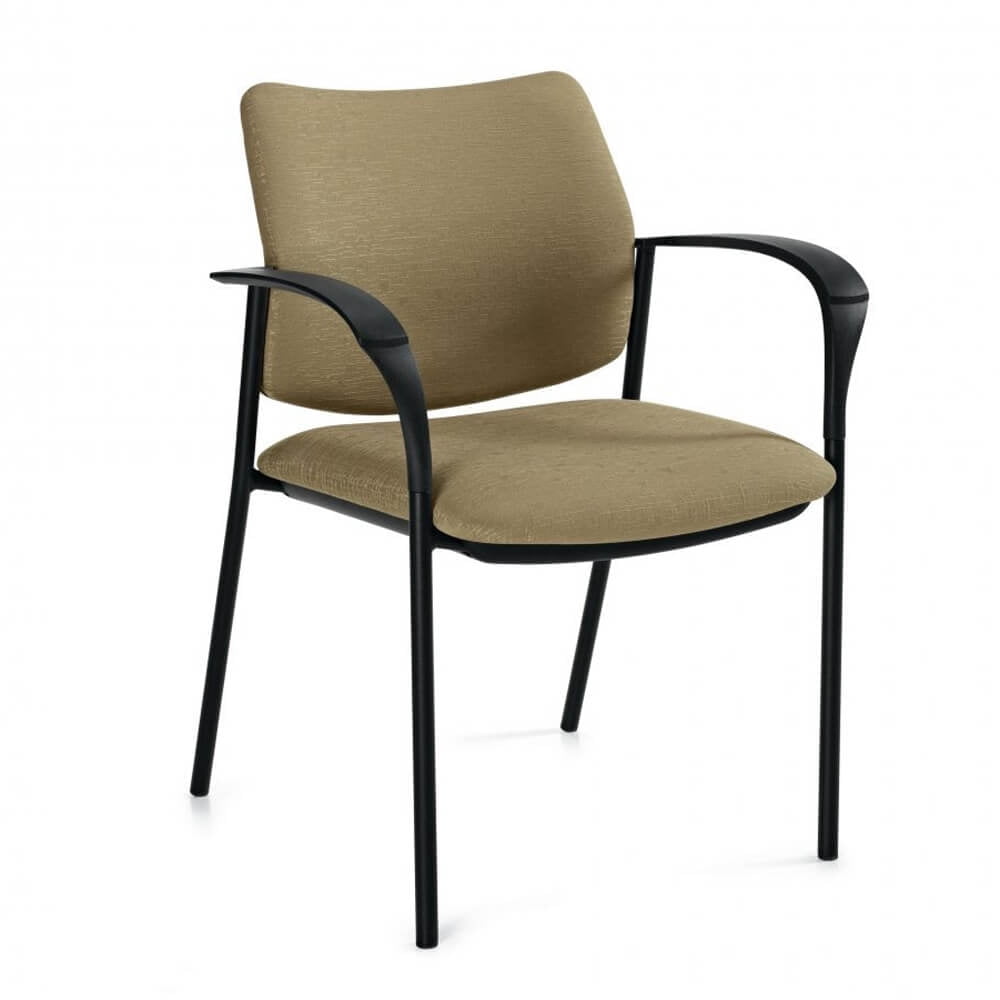
- Performance Fabric (Polyester blends): Offers a softer, more "home-like" feel. Look for fabrics with a high rub count (Wyzenbeek 50,000+ double rubs) to ensure durability. Many are now treated with stain-resistant coatings.
- Mesh: Uncommon in waiting rooms but can work in modern, tech-forward offices in cooler climates. It offers breathability but can be harder to clean deeply.
2. Style vs. Practicality: Matching Chairs to Your Industry
Your choice should align with your brand's personality. Here’s a quick breakdown by business type:
Law Firms / Finance
Opt for high-back guest chairs in leather or premium vinyl. Rich colors like burgundy, cognac, or dark brown convey tradition and stability. Wooden arms or frames add a touch of class.
Medical / Dental Offices
Prioritize vinyl upholstery (for sanitation) and chairs with no crevices where germs can hide. Armless or sled-base designs are easy to clean around. Light, calming colors like taupe or sage green reduce patient anxiety.
Tech Startups / Creative Agencies
Show off your modern vibe with colorful molded plastic chairs, sleek metal frames, or even modular seating that can be rearranged. Think outside the box with accent colors like mustard yellow or teal.
Salons / Spas
Comfort is king. Look for plush, upholstered chairs with wider seats. Easy-clean fabrics are still important, but the focus should be on a relaxing, luxurious feel for waiting clients.
3. The Layout Equation: More Than Just Chairs
Even the best office waiting room chairs can feel cramped if not laid out properly. Follow these practical rules of thumb:
- Measure Twice, Buy Once: Create a floor plan. Standard chair width is 20-24 inches. Leave at least 30-36 inches of walking space between seating groups or walls.
- The "Reach" Factor: Ensure there is a side table or surface within arm's reach of at least some seats for visitors to place a phone, coffee cup, or magazine.
- Mix and Match: Don't be afraid to combine single chairs with a small loveseat or bench. This breaks up the "institutional" look and accommodates families or groups visiting together.
- Accessibility First: Comply with ADA standards. Ensure at least one seat does not require navigating through other chairs and that there's clear space for a wheelchair without blocking pathways.
4. Beyond the Basic Chair: Additional Considerations
Here are three often-missed details that separate a good waiting area from a great one:
- Glides vs. Casters: In a waiting room, chairs should generally not roll. Fixed glides (plastic or felt pads on the legs) keep chairs stable and in place. Casters can be dangerous for visitors trying to sit down and cause chairs to drift.
- Ganging Options: Many commercial chairs come with the ability to be "ganged" or linked together. This keeps rows of chairs neatly aligned and prevents them from being pushed apart, maintaining a tidy look in high-traffic areas.
- Arms or No Arms? Armless chairs allow for more seating density (you can fit more in a row) and are accessible for a wider range of body sizes. Chairs with arms offer superior comfort for longer waits. A balanced approach—a few armchairs and a few armless—is often the most practical.
Frequently Asked Questions About Office Waiting Room Chairs
Making Your Final Decision
Selecting office waiting room chairs is a balancing act between aesthetics, durability, and budget. By prioritizing a solid frame, high-density foam, and the right upholstery for your industry, you are investing in your company's image and the comfort of your guests. Don't view this as a simple purchase; view it as a long-term asset that works 8-10 hours a day, every day, to silently communicate your brand's values.
Start by assessing your space, defining your brand's style, and then comparing products based on the commercial-grade criteria we've discussed. The right chairs will not only welcome visitors but will also withstand the test of time, providing a return on investment through durability and a consistently professional first impression.