
The Art of the Office Accent Chair: Where Design Meets Purpose
Imagine walking into an office that feels less like a sterile cubicle farm and more like a thoughtfully designed modern library or a chic downtown lounge. The secret ingredient? The office accent chair. While your primary task chair is a tool for productivity, an accent chair is the soul of the room. It’s the seat you offer a colleague for a quick brainstorming session, the cozy nook where you read reports, or simply the piece of furniture that makes your office feel complete. In today’s hybrid work world, where our spaces need to be both functional and inspiring, the accent chair has transitioned from a luxury to a necessity for the discerning professional.
Unlike the highly adjustable but often utilitarian look of a standard task chair, accent chairs are designed to catch the eye and invite relaxation. They are the bridge between office furniture and interior design. But choosing the right one isn't just about picking a pretty color. It requires understanding the balance between aesthetics, comfort, durability, and the specific role it will play in your workspace. This guide will walk you through everything you need to know to select the perfect office accent chair that not only looks fantastic but also serves a practical purpose.
The 5 Pillars of Choosing the Perfect Office Accent Chair
Selecting an accent chair is a different process than buying an ergonomic desk chair. Here’s a framework to ensure you make a choice you'll love for years.
1. Defining the Chair's Role: The "Job Interview"
Before you fall in love with a design, define the chair's primary job. This will dictate everything from material to size.
- The Guest Seating Ambassador: If the chair will host clients or colleagues for meetings (lasting 30-60 minutes), prioritize support and a slight recline. It should be comfortable enough for a conversation but not so cozy that it encourages a nap. Materials like durable leather or high-performance fabric are wise choices.
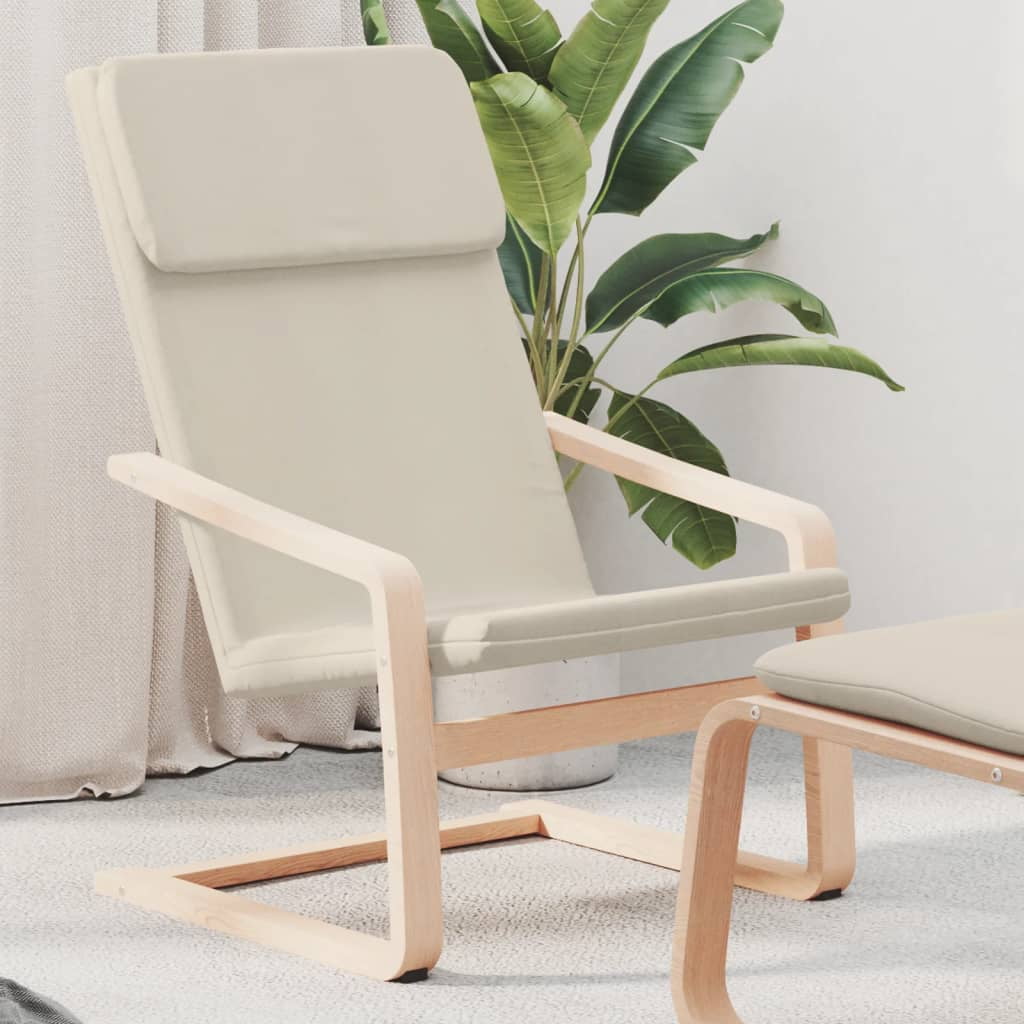
- The Personal Retreat (Reading/Thinking Nook): For your own quiet time, comfort is king. This is where you can indulge in a plusher, deeper seat. Think wingback chairs, club chairs, or styles with a higher back. This is your spot to unplug and think.
- The Reception Area Statement: In a lobby or waiting area, the chair must be a workhorse. It needs to be extremely durable, easy to clean, and visually appealing to create a great first impression. Consider stackable or easy-to-move designs for flexibility.
- The Decorative Accent: Sometimes, the chair’s main job is to add a pop of color, texture, or style to an empty corner. In this case, you have the most freedom. It can be a bold pattern, a unique silhouette, or a luxurious fabric like velvet that ties the room together.
2. Anatomy of Style: Frame, Silhouette & Proportions
The physical structure of the chair dictates its style and how it interacts with your space. Think of the frame as the chair's skeleton and the silhouette as its personality.
- Exposed Legs vs. Skirted Base: Chairs with exposed legs (wooden or metal) create an airy, modern feel and make a room look larger. Skirted or solid-base chairs feel more traditional, substantial, and anchored.
- Back Height: High-back accent chairs offer more head and neck support and feel grand and private. Low-back chairs are less intrusive, promote openness, and are better for maintaining sightlines in a room.
- Arm Style: Rolled arms evoke a classic, comfortable feel. Track arms (straight and square) are modern and clean. Armless chairs are fantastic for small spaces and can be tucked under a console table when not in use.
- Proportion is Key: A common mistake is choosing a chair that's too big or too small for the room. Measure your space meticulously. A good rule of thumb is to leave at least 18-24 inches of walkway space around the chair.
3. The Material World: Fabric, Leather, and Performance
The upholstery is the chair's first line of defense and its most expressive feature. Your choice here impacts comfort, longevity, and maintenance.
Performance Fabrics
- Best for: High-traffic areas, homes with kids/pets.
- Pros: Stain-resistant, durable, often bleach-cleanable, wide variety of colors/textures.
- Feel: Can mimic cotton, linen, or textured weaves.
Velvet & Chenille
- Best for: Private offices, low-traffic areas, adding luxury.
- Pros: Incredibly soft, rich depth of color, feels glamorous.
- Cons: Can show wear patterns (crushing), may attract dust.
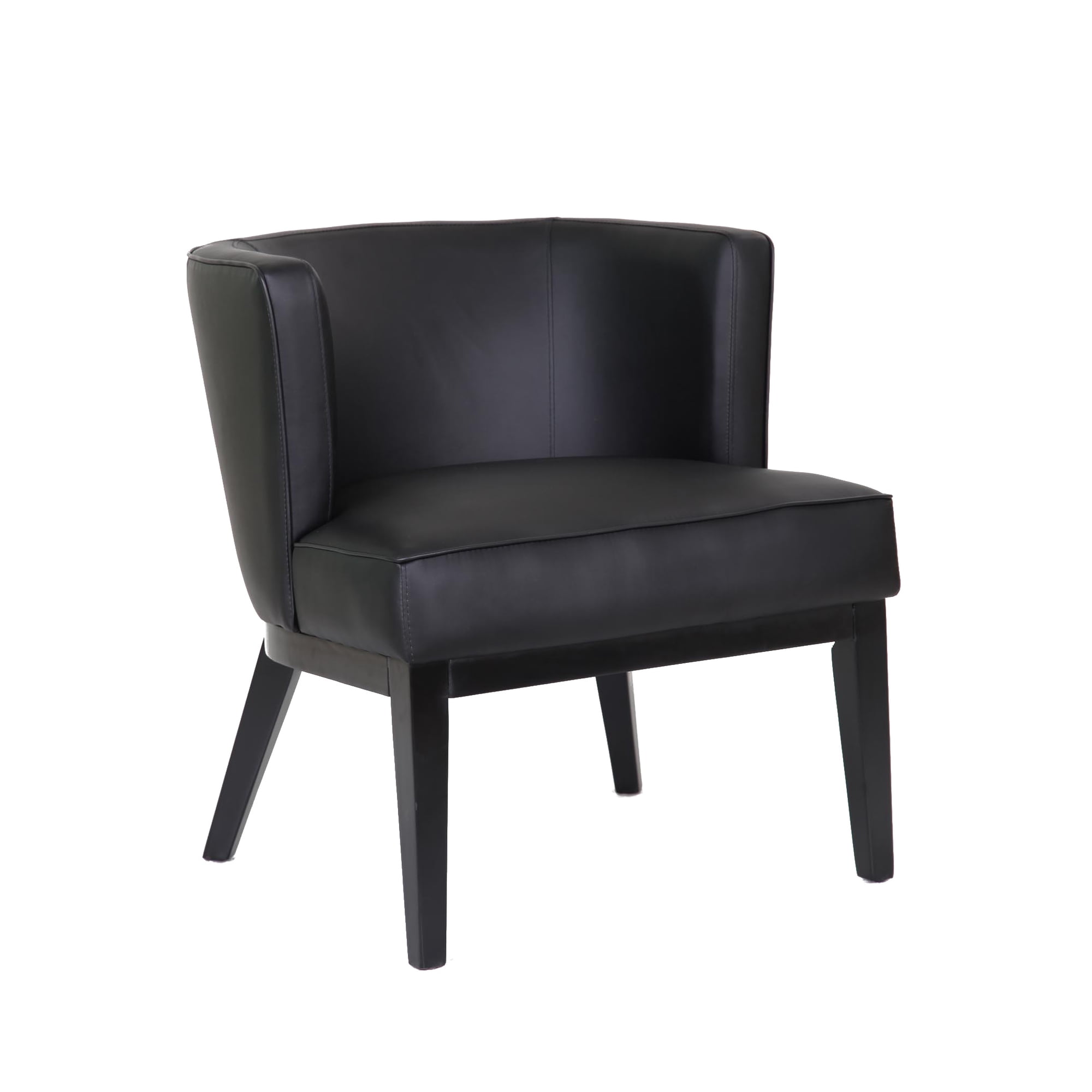
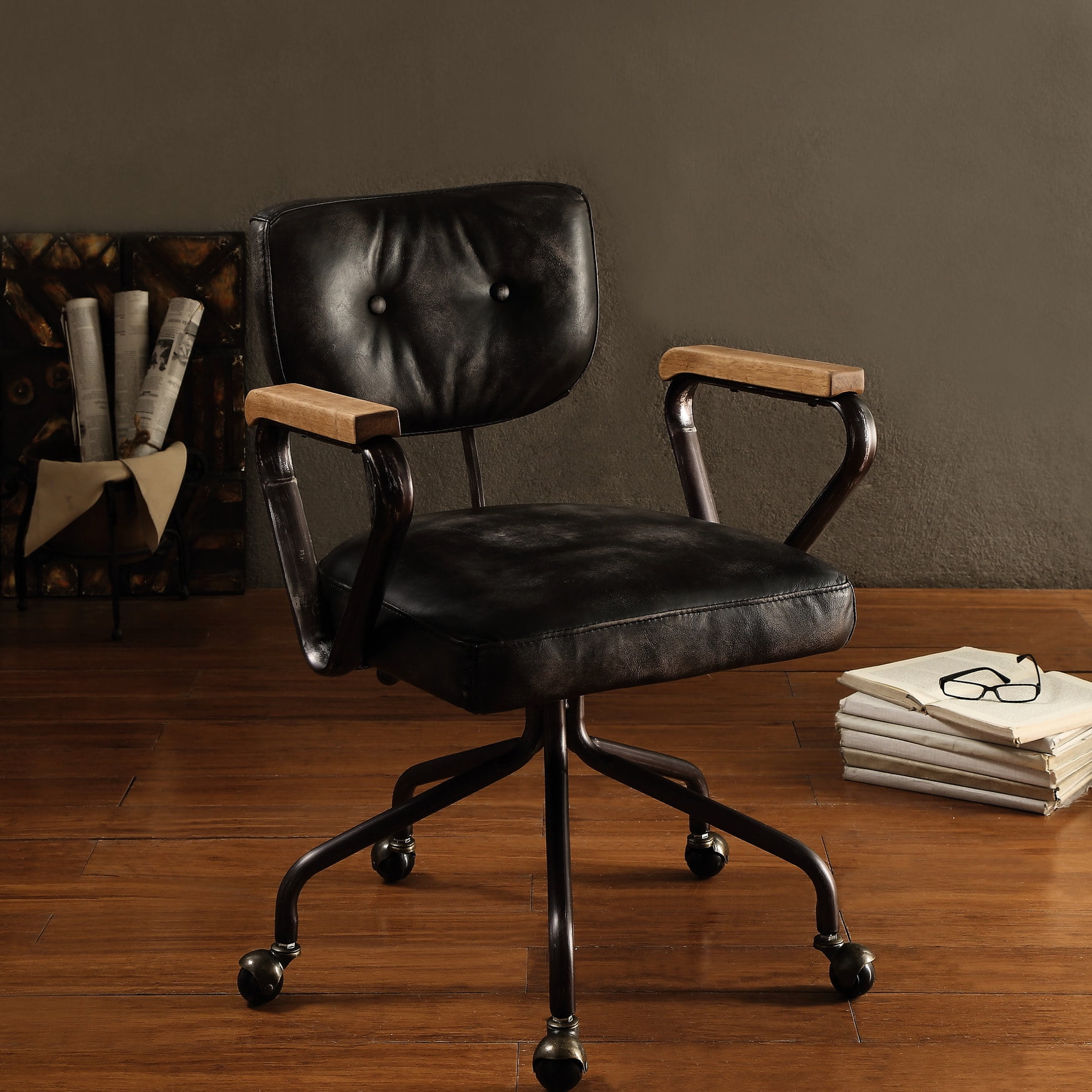
Leather (Genuine/Top-Grain)
- Best for: Executive offices, professional settings.
- Pros: Ages beautifully, easy to wipe clean, develops a patina.
- Cons: Higher cost, can be cold in winter, requires conditioning.
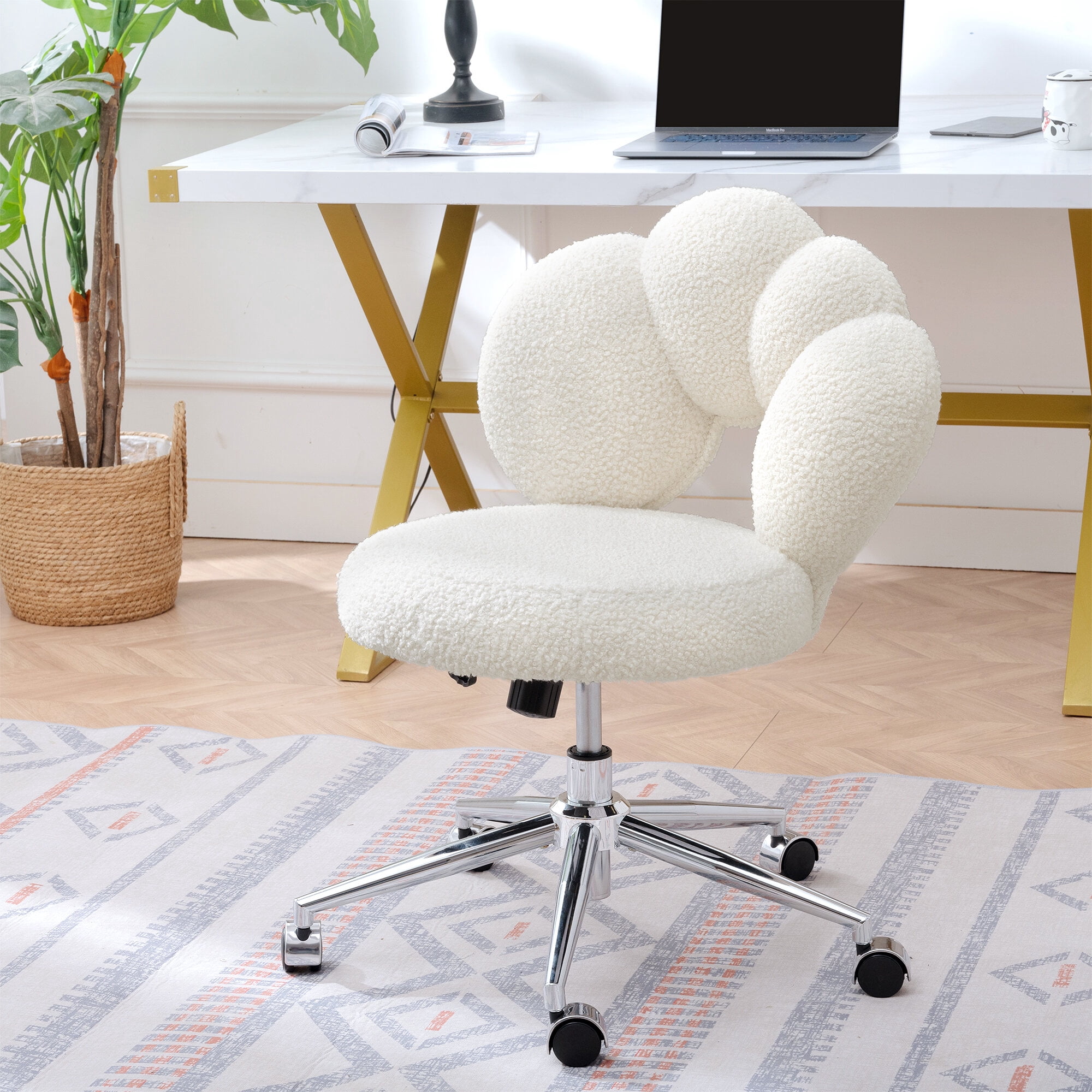
Bouclé & Chunky Knits
- Best for: Trendy, cozy, casual workspaces.
- Pros: Extremely on-trend, incredibly textural and inviting.
- Cons: Can be difficult to clean, may pill over time.
4. The "Sit Test": Comfort Beyond the Cushion
An accent chair must be comfortable, but the definition of comfort changes based on its use. Don't just sit for five seconds; simulate how you'll actually use it.
- Seat Depth: A shallower seat is better for upright conversation. A deeper seat (often with a lumbar pillow) is better for lounging. Your feet should be able to rest flat on the floor with your back supported.
- Cushion Fill: High-density foam offers firm, lasting support. Down or feather-blend wraps are luxuriously soft but require fluffing. A combination (foam core wrapped in fiber/down) offers the best of both worlds.
- Back Support: Does the chair's back follow the natural curve of your spine? Even without adjustments, a well-designed chair provides excellent lumbar support through its shape.
5. Practicality & Placement: The Final Checks
Before you click 'buy', consider these final logistical points to ensure your new chair integrates seamlessly.
- Scale & Proportion: Revisit your measurements. Use painter's tape to outline the chair's footprint on your floor. This prevents the shock of a chair that's too large.
- Traffic Flow: Ensure the chair doesn't obstruct a doorway, pathway, or the opening of a filing cabinet.
- Lighting: If the chair is for reading, consider its proximity to a good light source. A floor lamp placed nearby transforms the chair into a functional reading station.
- Casters or Glides? Most accent chairs come with glides (stationary feet) for stability. If you need to move it frequently, look for options with subtle casters or felt pads to protect your floors.
Did You Know? According to a 2023 survey by the American Society of Interior Designers (ASID), 68% of respondents said that having a comfortable, aesthetically pleasing seating area in their office significantly improved their overall job satisfaction and creativity levels. The office accent chair is a key player in this trend.
Frequently Asked Questions About Office Accent Chairs
Conclusion: Your Office, Your Statement
An office accent chair is more than just a piece of furniture; it's an investment in the atmosphere and functionality of your workspace. It's the silent partner that makes a room feel finished, welcoming, and truly yours. By moving beyond the purely utilitarian and embracing the principles of design and purposeful comfort, you can transform your office from a place you have to be to a place you want to be.
Whether you opt for a sculptural modern piece, a cozy fabric lounge chair, or a classic leather club chair, let your choice reflect your personal style and the needs of your daily workflow. A well-chosen accent chair doesn't just fill a space—it completes it, inviting creativity, conversation, and a moment of calm in your busy day.