

Why Choose an Upholstered Office Chair? The Comfort Revolution
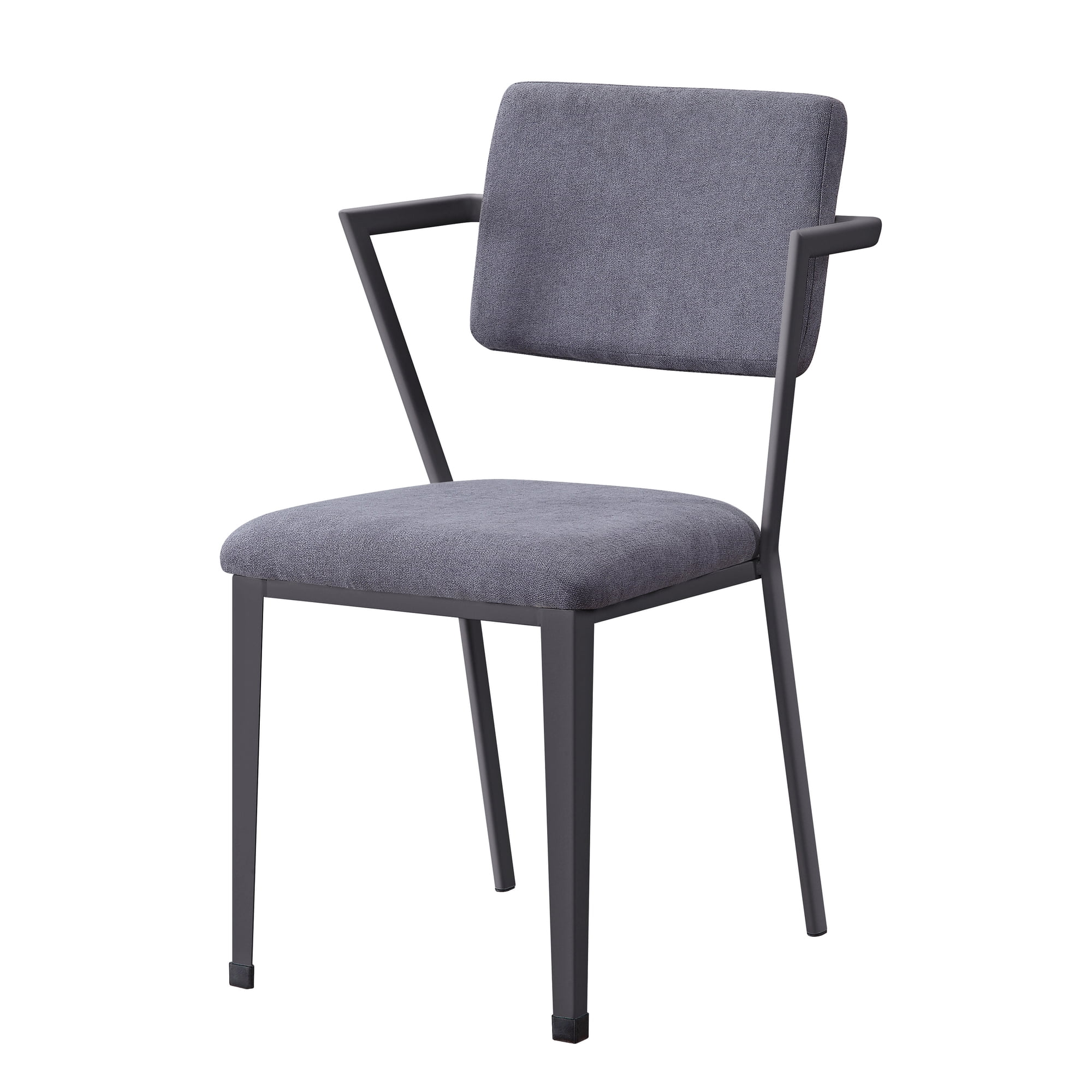
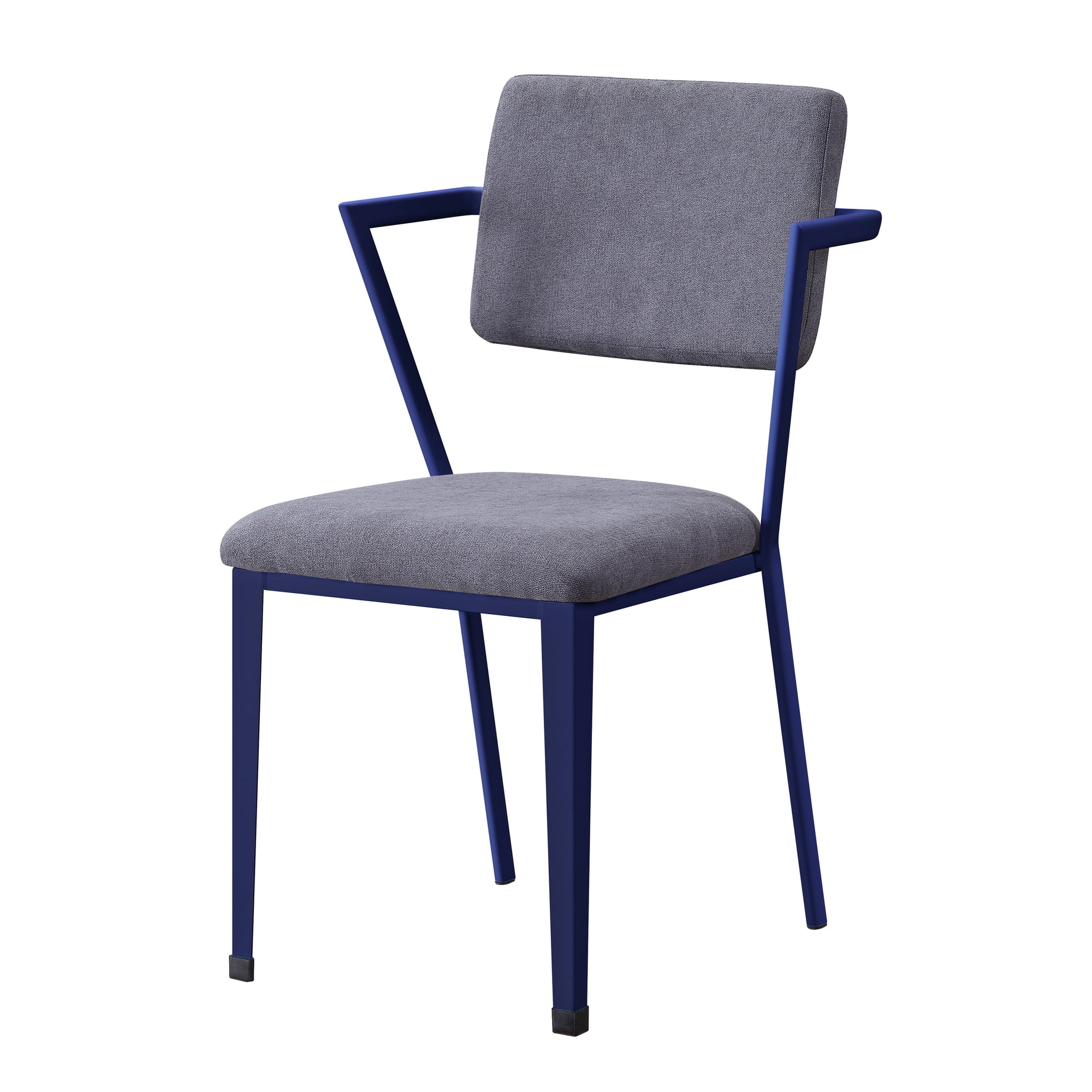
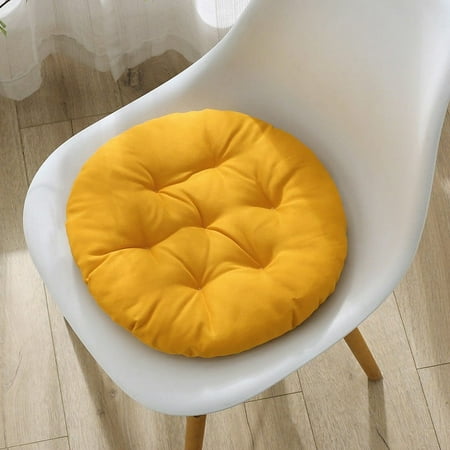
Imagine settling into your work chair, and instead of feeling hard plastic or stiff mesh against your back, you're welcomed by a gentle, supportive cushion that feels like a favorite armchair. That's the essence of a quality upholstered office chair. Unlike the stark, utilitarian designs of the past, today's upholstered chairs marry the plush comfort of residential furniture with the rigorous ergonomic demands of a professional workspace.
For many, the word "office chair" conjures images of black mesh or leather. But the rise of hybrid work and home offices has fueled a demand for seating that doesn't sacrifice aesthetics for ergonomics. An upholstered chair serves as a bridge—it provides the structured support needed for eight-hour workdays while adding a layer of visual warmth and tactile softness that makes a home office feel inviting, not clinical.
Key Benefits of Fabric-Upholstered Seating
Beyond the immediate cozy factor, upholstered office chairs offer distinct advantages that can impact your work life and well-being.
🎯 Pressure Distribution
The layered foam and padding in upholstered chairs distribute your weight more evenly, reducing pressure points on hips and thighs compared to firmer materials.
🌡️ Natural Warmth
Fabric doesn't conduct cold like leather or plastic, making upholstered chairs more comfortable in cooler environments without the initial "chill."
🎨 Design Versatility
From linen weaves to plush velvet, upholstery offers a spectrum of colors and textures to match any interior design—Scandinavian, industrial, or traditional.
🔇 Acoustic Comfort
Fabric absorbs sound, reducing the ambient noise of squeaks and movements, which is a subtle but appreciated benefit in quiet office environments.
Types of Upholstery Materials: A Closer Look
Not all "upholstered" chairs are created equal. The fabric choice dramatically affects durability, breathability, and maintenance. Here's a breakdown of common upholstery types you'll encounter:
Performance Polyester / Twill
- Best for: High-traffic home offices, families with pets.
- Advantages: Extremely durable, stain-resistant, easy to clean with mild soap. Often has a tight weave that resists snagging.
- Feel: Smooth, similar to casual clothing.
Velvet / Chenille
- Best for: Style-focused offices, executive spaces, low-abrasion use.
- Advantages: Luxurious look and softness, adds depth and richness to a room.
- Limitations: Can show wear patterns (crushing) with heavy use; may attract dust and require gentle cleaning.
Linen / Cotton Blends
- Best for: Breathability, casual or coastal office themes.
- Advantages: Excellent airflow, natural look, comfortable in warm climates.
- Feel: Crisp, light, and breathable.
Leather / Faux Leather
- Best for: Traditional executive look, easy wipe-clean surfaces.
- Advantages: Classic appearance, durable, simple maintenance.
- Limitations: Can be sticky in heat; genuine leather is expensive; faux leather may peel over time.
Eco-Tip Look for chairs upholstered with recycled polyester or CertiPUR-US certified foams, which ensure low emissions and sustainable materials.
Ergonomics Meets Plush: What to Look For
An upholstered chair must first and foremost be a good office chair. The padding shouldn't compromise support. When shopping, prioritize these ergonomic features:
- Adjustable Lumbar Support: Even with plush padding, you need targeted lower back support. Some chairs have built-in lumbar curves, while others offer separate adjustable pads.
- Seat Depth Adjustment: A waterfall edge (where the seat curves down) prevents pressure behind the knees. Being able to slide the seat forward or back ensures proper leg support.
- High-Density Foam: This is crucial. Low-density foam will flatten within months. Look for foam density of at least 2.5 lbs/ft³ for longevity.
- Tilt Mechanism and Tension Control: Allows you to recline and rock comfortably, reducing spinal pressure.
- Breathable Backrest: Some upholstered chairs incorporate a mesh panel in the back to combine plush comfort with airflow—a smart hybrid approach.
Upholstered Office Chairs vs. Mesh vs. Leather: A Quick Guide
Still deciding? Think of it this way: Mesh is for the athlete (breathable, performance-oriented), leather is for the executive (classic, commanding), and upholstered is for the artisan (comfortable, personal, and style-driven).
| Feature | Upholstered (Fabric) | Mesh | Leather |
|---|---|---|---|
| Comfort (initial feel) | Soft, warm | Firm, cool | Smooth, cool/warm |
| Breathability | Moderate (depends on fabric) | Excellent | Low |
| Durability | Good (fabric can fade/stain) | Very Good (mesh can sag) | Excellent (genuine leather) |
| Aesthetic | Homey, stylish, versatile | Modern, utilitarian | Traditional, luxurious |
| Maintenance | Vacuum, spot clean | Wipe with damp cloth | Wipe, condition |
How to Maintain Your Upholstered Office Chair
To keep your chair looking fresh for years, follow this simple care routine:
- Weekly: Vacuum the seat, back, and crevices with an upholstery brush to remove dust and crumbs.
- Spot Cleaning: For spills, blot immediately with a clean, dry cloth. Mix a solution of mild dish soap and water, dab gently, then blot with a dry towel. Avoid soaking the fabric.
- Deep Cleaning: Once or twice a year, use a fabric-safe upholstery cleaner. Test in an inconspicuous area first.
- Rotate Cushions: If the seat cushion is reversible, flip it occasionally to distribute wear evenly.
- Sunlight: Avoid placing the chair in direct sunlight to prevent fabric fading.
Who Is the Ideal Candidate for an Upholstered Chair?
While anyone can enjoy them, upholstered chairs are particularly well-suited for:
- Home Office Workers: They blend seamlessly with home decor, making the office feel like part of the home.
- Creative Professionals: Writers, designers, and architects often prefer the tactile, inspiring feel of fabric.
- Managers in Client-Facing Roles: A stylish fabric chair can convey approachability and taste in a private office.
- Individuals with Circulatory Issues: The softer surface can be gentler on thighs and buttocks compared to firmer materials.
Frequently Asked Questions About Upholstered Office Chairs
Conclusion: Is an Upholstered Office Chair Right for You?
Choosing an office chair is a personal journey. If you value a sense of warmth, a soft landing after a long day, and a chair that feels more like furniture than equipment, an upholstered office chair is an excellent investment. It proves that you don't have to sacrifice comfort for professionalism, or style for support. The modern upholstered chair has evolved, offering the ergonomic backbone you need wrapped in the cozy aesthetics you want.
Remember to prioritize adjustability and foam density over mere looks. A well-chosen upholstered chair will not only elevate your office's style but will also support your health and productivity for years to come.