
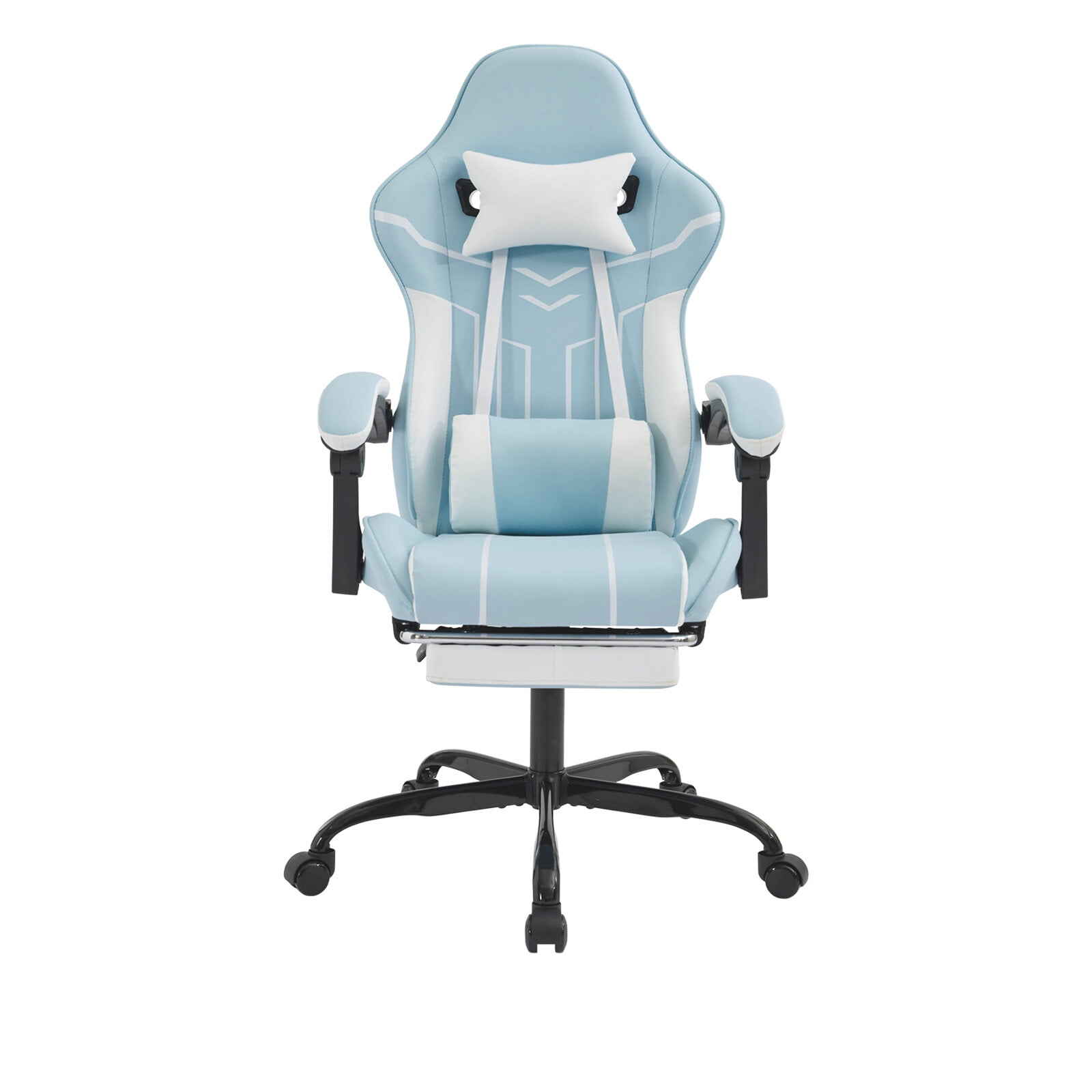
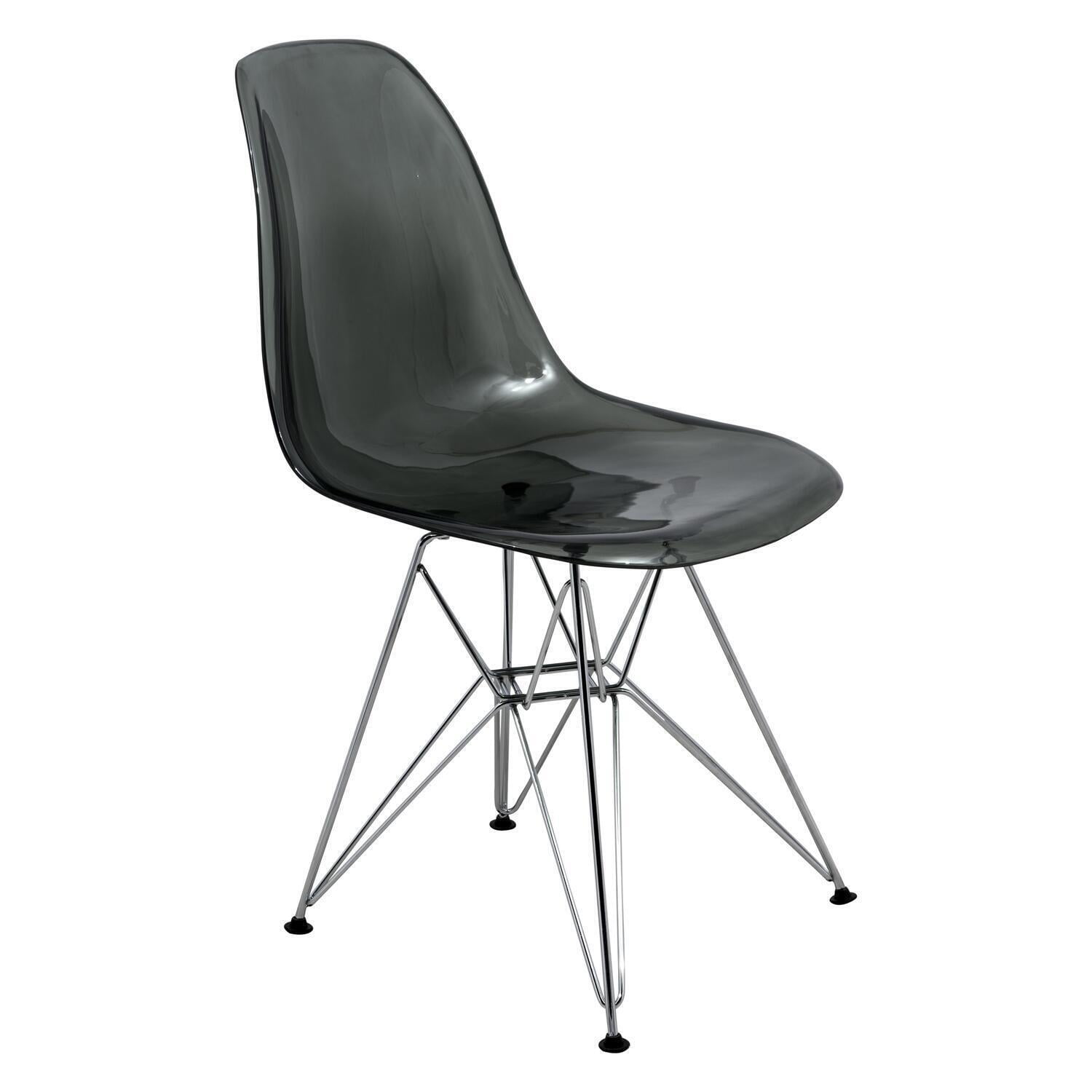
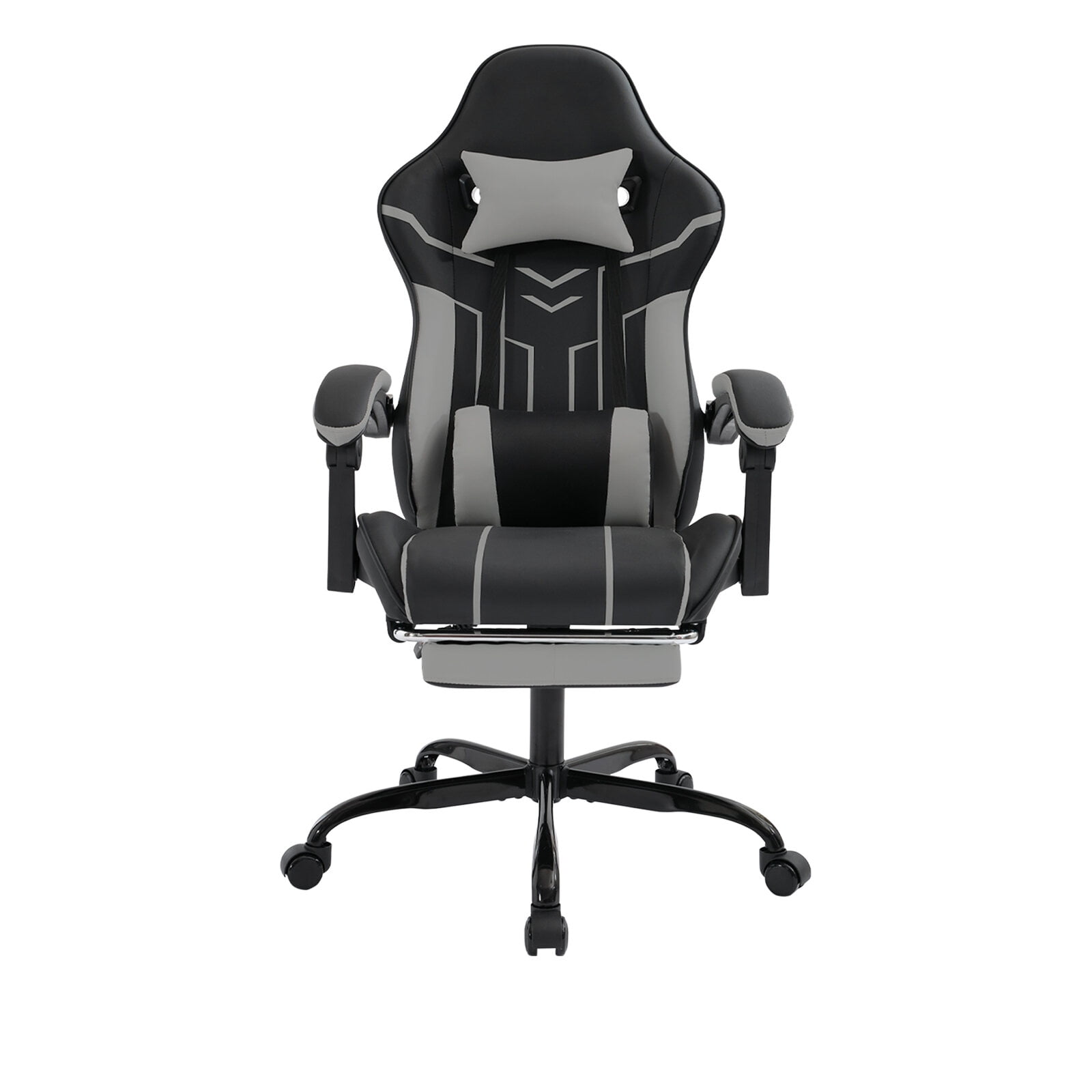
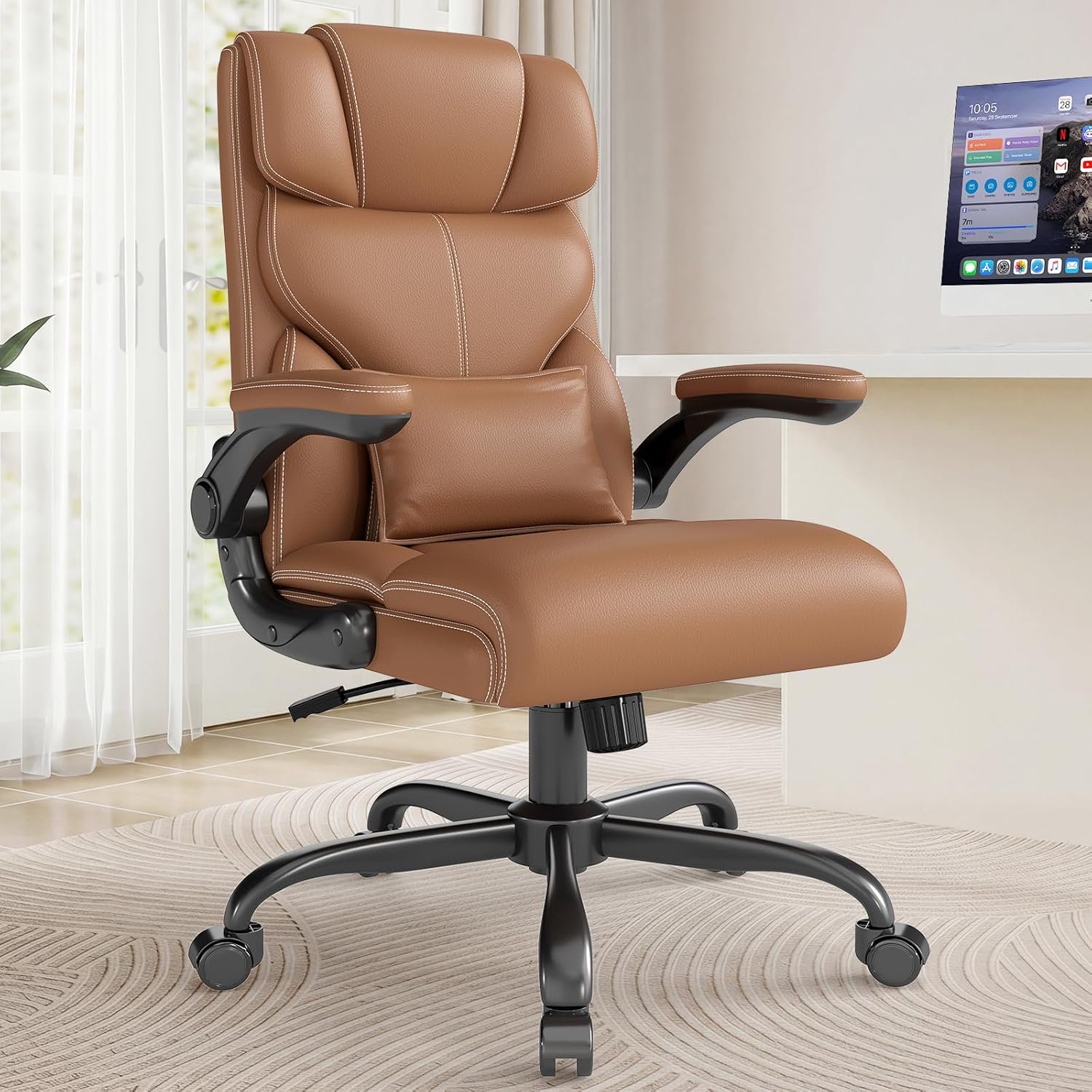
Why Style & Ergonomics Are No Longer Opposites
Gone are the days when a “healthy” chair meant a bulky, clinical eyesore. Today’s stylish ergonomic office chairs prove that you can have a sculptural centrepiece for your room and a fully adjustable support system for your spine. Think of it like buying a high‑end car: you want the sleek exterior and the engineered seats that keep you fresh on a long drive. Your workday deserves the same fusion.
Why it matters now: With remote and hybrid work here to stay, our home offices have become part of our living space. A 2023 survey by the American Home Furnishings Alliance found that 67% of remote workers consider the appearance of their office furniture just as important as comfort. You’re not hiding your chair in a cubicle anymore — it’s on display.
The Anatomy of a Stylish Ergonomic Chair
Before we dive into recommendations, let's break down what actually makes a chair both trendy and therapeutic. These are the elements you'll want to examine when shopping:
- Silhouette & lines: Clean, minimalist profiles (Scandinavian influence) or organic curves (mid‑century modern) — the chair should complement your room, not fight it.
- Material harmony: Mix of breathable mesh, soft upholstery, and natural wood or polished metal accents.
- Colour intelligence: Beyond basic black, look for sage green, terracotta, warm grey, or even two‑tone fabrics that hide wear and add personality.
- Ergo features (hidden in plain sight): Lumbar support that follows your spine, adjustable arms that blend into the design, and synchronous tilt that feels intuitive — all without bulky levers sticking out.
5 Surprising Benefits of Upgrading to a Stylish Ergonomic Chair
Most people think a good chair only saves your back. But when you choose one that also pleases your eyes, the ripple effects are bigger than you’d expect.
- Mood elevation: Just as you feel more professional in a well‑tailored outfit, a beautiful chair can subtly boost your confidence and motivation. A 2022 study in the Journal of Interior Design suggested that aesthetically pleasing work environments reduce cortisol levels by up to 15%.
- Natural posture reminder: When a chair looks sleek, you tend to sit taller — nobody wants to slouch in a designer piece. It becomes a gentle nudge to maintain good alignment.
- Video call presence: Your chair is often visible in meetings. A stylish chair projects attention to detail and professionalism (without you saying a word).
- Longevity of use: Because you love looking at it, you’re more likely to invest in its upkeep and less likely to replace it after a year — that’s good for your wallet and the planet.
- Seamless transitions: If your office doubles as a guest room or living area, a stylish chair doesn’t need to be hidden. It pulls double duty as occasional seating.
How to Match a Chair to Your Personal Style (Without Sacrificing Support)
Imagine you’re curating an outfit: you wouldn’t wear a beautiful jacket that’s two sizes too small. The same logic applies to your chair. Here’s a simple framework to find your perfect match.
1. Define your room’s “vibe”
- Minimalist / Scandinavian: Look for light woods, white or pastel mesh, and slender profiles. Chairs with clean lines and no visible padding work best.
- Industrial / loft: Black metal frames, exposed mechanisms, dark mesh or leather — think “architect’s chair”.
- Bohemian / eclectic: Warmer tones like mustard, rust, or velvet upholstery. Chairs with rounded backs or button tufting add character.
- Mid‑century modern: Wooden shell backs, tapered legs, and rich colours (teal, ochre). Ensure the ergonomic features are discreet.
2. Match ergonomics to your work style
- Long hours of focused work: Prioritise a chair with deep adjustable lumbar, seat slide, and 4D arms — even if it means a slightly more “technical” look. Many brands now wrap these features in beautiful mesh.
- Short bursts + meetings: You can lean toward style‑first chairs with good basic support (fixed lumbar, breathable fabric).
- Creative / dynamic sitters: Look for a synchro‑tilt mechanism that lets you rock or recline freely — often found in chairs with a modern, floating appearance.
3. Try before you buy (or use a generous return policy)
Because “stylish” is subjective, always check the dimensions against your body. A chair that looks amazing in a photo might have a seat that’s too shallow for your legs. Look for detailed spec sheets: seat depth range, backrest height, and weight capacity.
Material & Style Guide: What Works Best?
| Material | Style Impression | Ergonomic Suitability | Best For |
|---|---|---|---|
| Breathable Mesh | Modern, airy, tech‑forward | Excellent (flexible back support) | Warm climates, long hours |
| Knitted Fabric | Warm, residential, soft | Good (with dense foam) | Home offices, casual settings |
| Recycled PET / Eco‑fabric | Sustainable, conscious, textured | Good to excellent | Eco‑aware buyers |
| Leather / Faux Leather | Executive, classic, luxurious | Good (requires perforation) | Formal spaces, corner offices |
| Wood Accents | Natural, Scandinavian, timeless | Varies (usually on base/arms) | Design‑focused rooms |
Color Psychology: Does Your Chair’s Hue Affect Your Work?
It might sound like fluff, but colour influences mood and even posture. Blue is calming and boosts focus — great for a programmer or writer. Green reduces eye strain and feels balanced. Warm neutrals (beige, greige) create a soothing, professional backdrop. And if you love bold colours (like mustard or rust), they can spark creativity — just ensure the chair’s ergonomics are top‑notch so you’re not distracted by discomfort.
Your 4‑Step Plan to the Perfect Stylish Ergonomic Chair
Step 1: Measure your space — and your body
Grab a tape measure. Note the height of your desk (most chairs need to adjust between 16″ and 21″). Measure the distance from your desk to the wall — you’ll need room to recline. Also measure your popliteal length (back of knee to buttock) to ensure the seat pan can support you.
Step 2: Define your “must‑have” ergonomic features
Not everyone needs 8 adjustments. Prioritise: lumbar support (preferably height‑adjustable), seat depth (if you have longer legs), and armrests (if you use them while typing). For style, note whether these adjustments are hidden or visible.
Step 3: Browse with a filter for aesthetics
Use search terms like “designer ergonomic chair” or “modern task chair”. Pay attention to the base material (polished aluminium, matte plastic, wood) — it greatly affects the overall look. Save at least three favourites to compare side‑by‑side.
Step 4: Read reviews from people with similar taste & body
Look for comments like “the fabric feels like a sweater” or “the mesh is almost invisible — very sleek”. Also check for durability notes: stylish materials should hold up after a year of daily use.
Did you know? According to an interior design survey, 52% of people said they would spend more time in their home office if the furniture was more visually appealing. A stylish chair isn’t just decor — it’s an investment in actually using your workspace.