
The Essential Role of Quality Office Visitor Chairs
Think of your office visitor chairs as the handshake your business offers before a single word is spoken. In reception areas, conference rooms, and waiting spaces, these chairs are often the first physical interaction a client or partner has with your brand. A sturdy, comfortable, and stylish guest chair silently communicates professionalism, attention to detail, and respect for the people who walk through your doors.
Industry Insight: According to a study by the Journal of Interior Design, 78% of clients form an opinion about a company's credibility within the first 3-5 minutes of entering a reception area. The quality and style of your visitor seating play a significant role in shaping that first impression.
Key Features That Define Great Visitor Seating
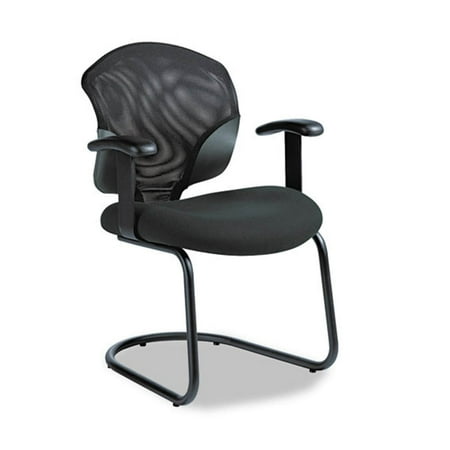
While they may not have the complex mechanisms of an ergonomic task chair, office visitor chairs are purpose-built for their role. Here are the critical features that separate a good guest chair from a great one:
- Frame Construction & Durability: In high-traffic areas, chairs endure constant use. Look for frames made from reinforced plywood, solid steel, or heavy-gauge aluminum. A robust frame ensures the chair won't wobble or break after a few months of use.
- Easy-Clean Upholstery: Spills happen. Vinyl, bonded leather, and solution-dyed fabrics are excellent choices as they resist stains and can be wiped clean easily. For a softer, high-end look, consider treated fabric that offers stain resistance.
- Space-Efficient Design: Visitor areas often have limited square footage. Slim-profile chairs, armless models, or chairs with tapered backs allow you to maximize seating without making the space feel cramped or cluttered.
- Comfort for Short Durations: Unlike task chairs, visitor chairs are for sitting periods of 15-60 minutes. They should have firm, supportive cushioning that doesn't sag, and a seat depth that accommodates a range of body types comfortably.
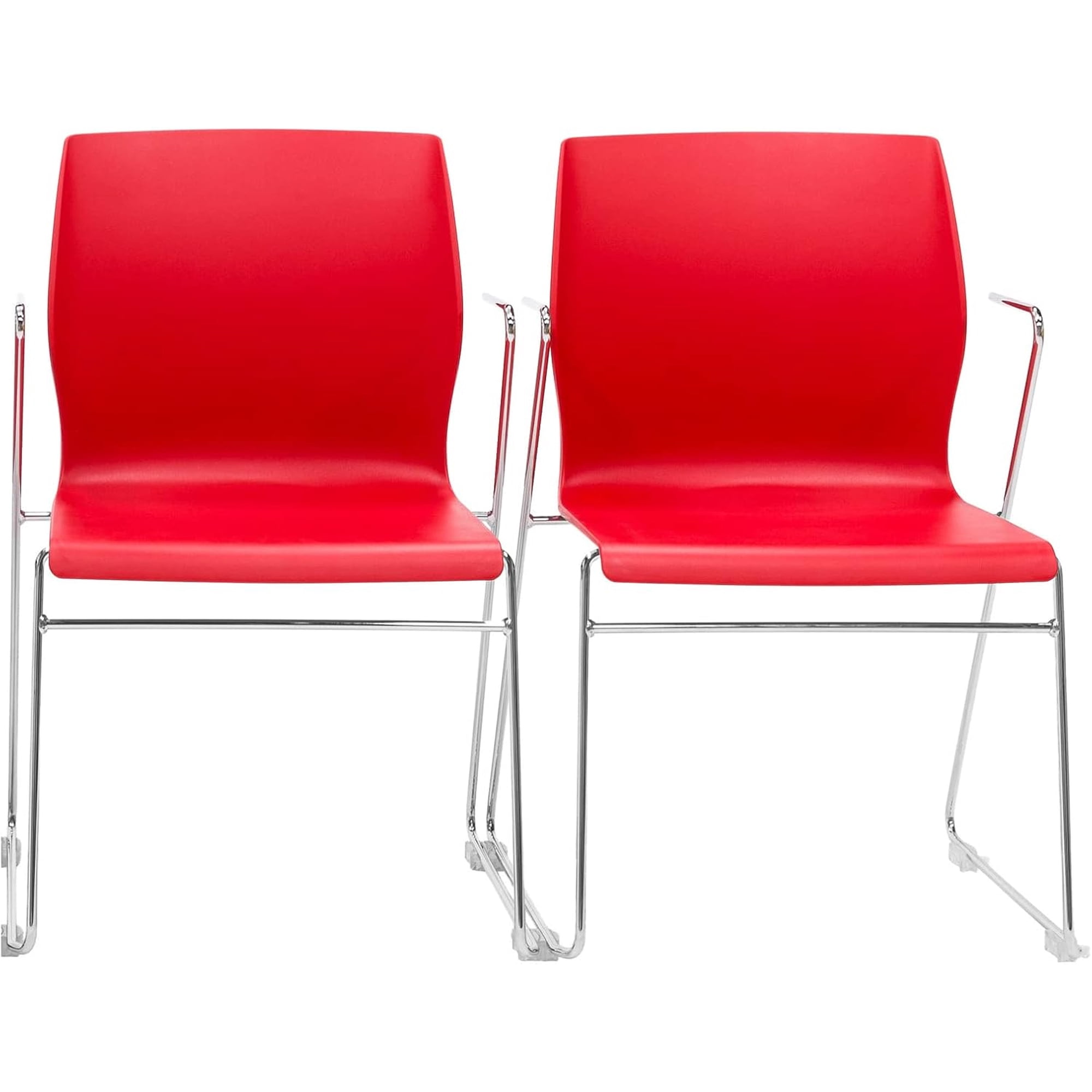
- Stackability and Storage: For multipurpose rooms or conference areas that transform, stackable visitor chairs are a game-changer. They can be stored away efficiently when not needed, freeing up valuable floor space.
Visitor Chairs vs. Task Chairs: A Quick Comparison
It's easy to confuse the two, but their purposes are distinct. Understanding the difference is key to outfitting your office correctly. Here’s a breakdown:
| Feature | Office Visitor Chair | Office Task Chair |
|---|---|---|
| Primary Use | Short-term seating for guests (waiting, meetings) | Long-term seating for employees (8+ hour workdays) |
| Mobility | Typically stationary (no wheels) or with glides | Almost always has casters (wheels) for movement |
| Adjustability | Minimal to none (fixed height, non-adjustable arms) | Highly adjustable (seat height, lumbar, arms, tilt) |
| Design Priority | Aesthetics, space-saving, durability, easy cleaning | Ergonomics, long-term comfort, posture support |
| Common Locations | Reception, lobby, conference room, waiting area | Personal workstations, cubicles, home offices |
The Impact of Visitor Chairs on Brand Perception
Your office environment is a physical extension of your brand identity. Sleek, modern visitor chairs with clean lines might suggest a forward-thinking tech company, while plush, upholstered guest chairs in warm tones could convey the stability and comfort of a financial advisory firm. The choice of material, color, and style sends a message. By selecting high-quality visitor seating, you're not just buying furniture; you're investing in your company's image and ensuring every guest's experience begins with comfort and respect.
Material Considerations for High-Traffic Areas
The material of your office visitor chairs is the first line of defense against wear and tear. Here’s how to choose wisely:
Fabric
Best for: Executive waiting areas, low-traffic zones.
Pros: Soft, warm, wide color selection.
Cons: Can stain easily; requires fabric protector.
Vinyl / Bonded Leather
Best for: High-traffic receptions, medical offices.
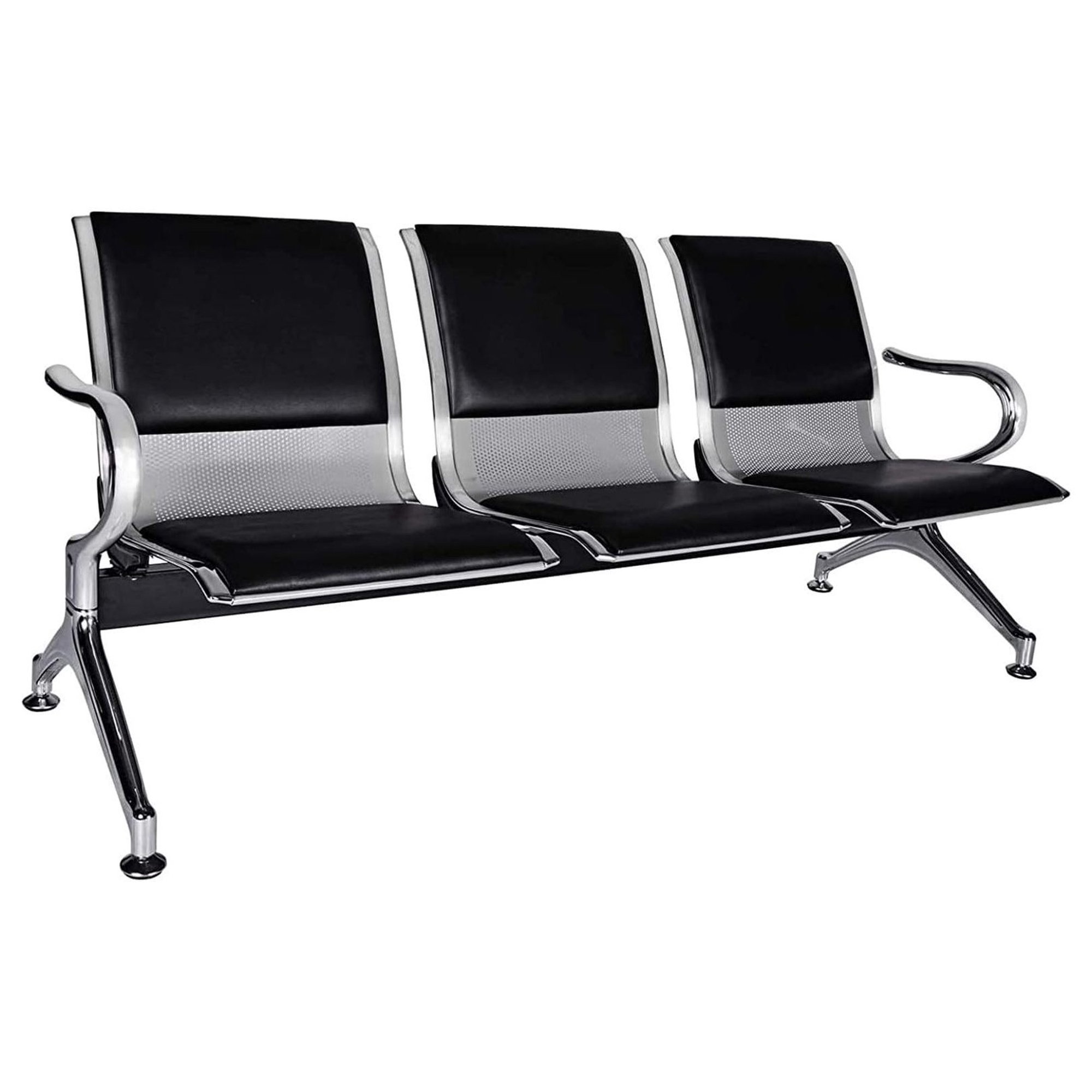
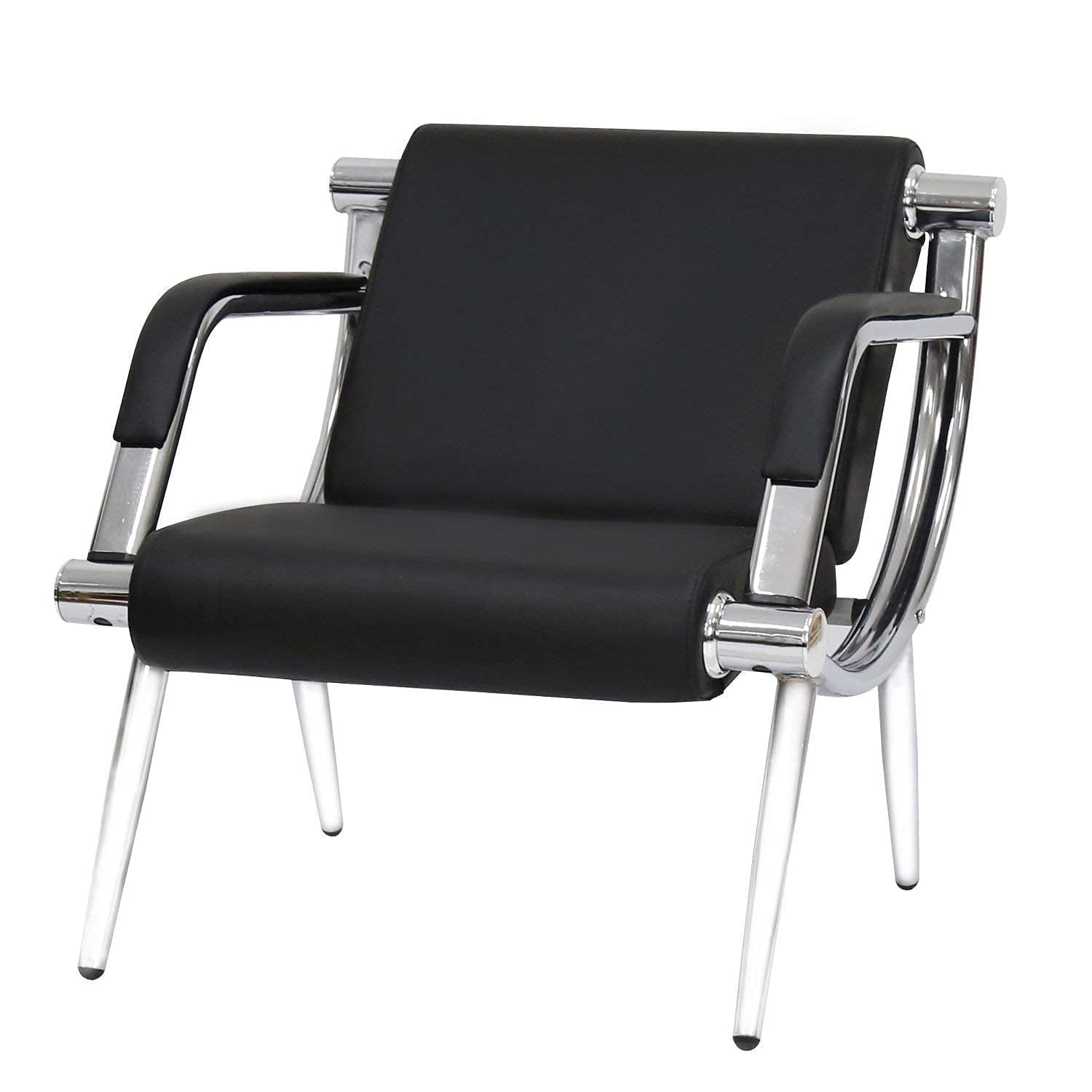
Pros: Extremely durable, easy to wipe clean, cost-effective.
Cons: Can be less breathable than fabric.
Mesh
Best for: Modern offices, warmer climates.
Pros: Excellent breathability, contemporary look.
Cons: Can collect dust, less "plush" feel.
Polypropylene (Plastic)
Best for: Casual breakouts, outdoor-indoor spaces.
Pros: Lightweight, stackable, very affordable.
Cons: Can be less comfortable for long meetings without cushions.
Step-by-Step Guide: Choosing the Perfect Office Visitor Chairs
Follow this structured approach to ensure you select chairs that meet your office's functional and aesthetic needs.
- Audit Your Space and Traffic: Measure your waiting area or conference room. How many people do you need to seat at peak times? Sketch a floor plan, ensuring at least 36 inches of walking space. Count the maximum number of guests you've had to accommodate.
- Define Your Style and Brand Message: What image do you want to project? Modern and minimalist? Warm and inviting? Look at your company's branding and interior design to choose colors and styles that complement the space.
- Prioritize Durability and Maintenance: For high-traffic lobbies, opt for commercial-grade vinyl or stain-resistant fabric. For conference rooms, fabric might be acceptable. Ask for material samples to test cleanability.
- Consider Functionality: Does the room need to be multi-purpose? If so, prioritize stackable chairs or chairs with ganging clamps (to connect them in rows). Do you need chairs with arms for extra comfort, or armless to tuck under a table?
- Test for Comfort and Stability: If possible, sit in the chairs. The seat should feel supportive, and the back should offer adequate lumbar support for a short sit. Check the frame for wobbling and ensure the glides or casters move smoothly without damaging floors.