
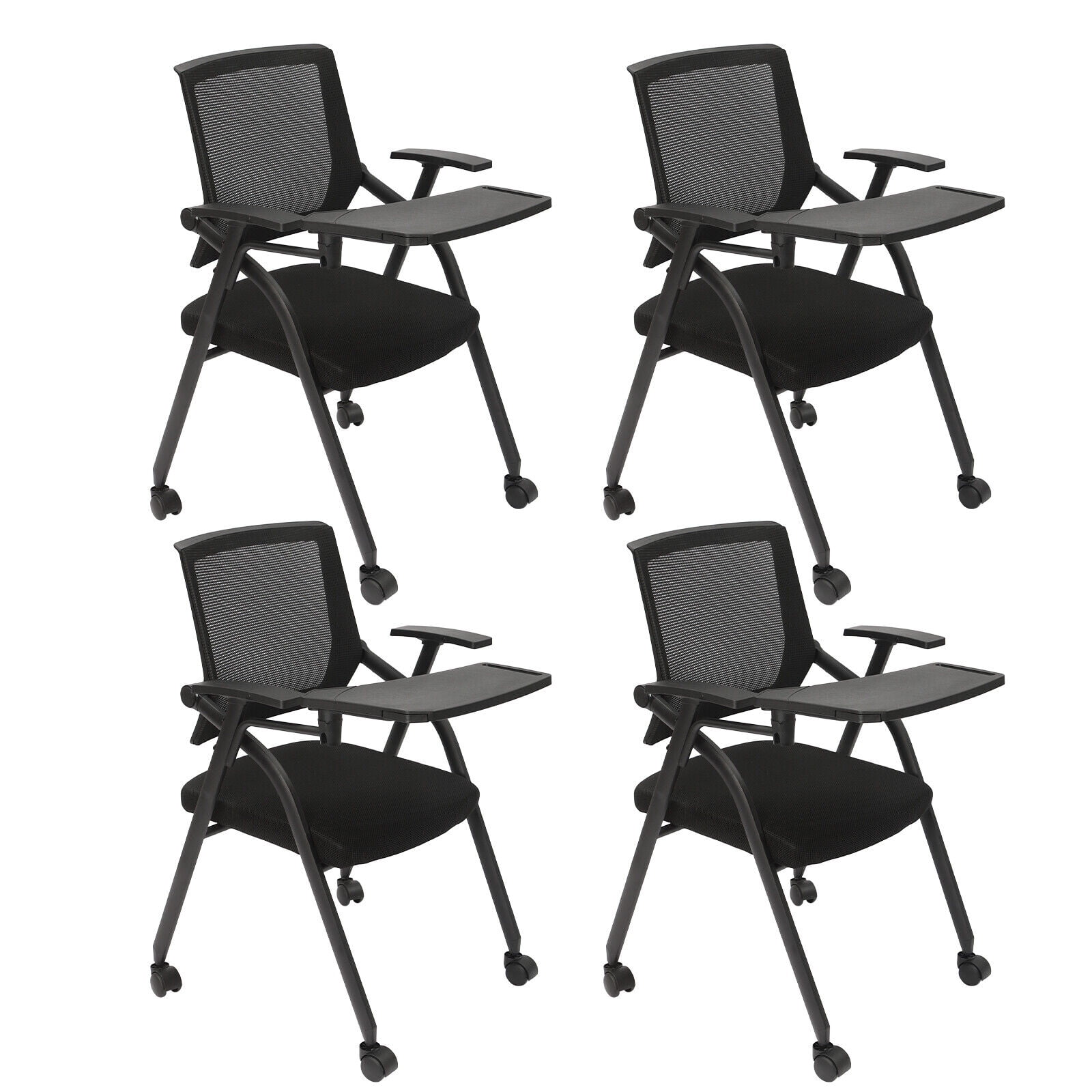
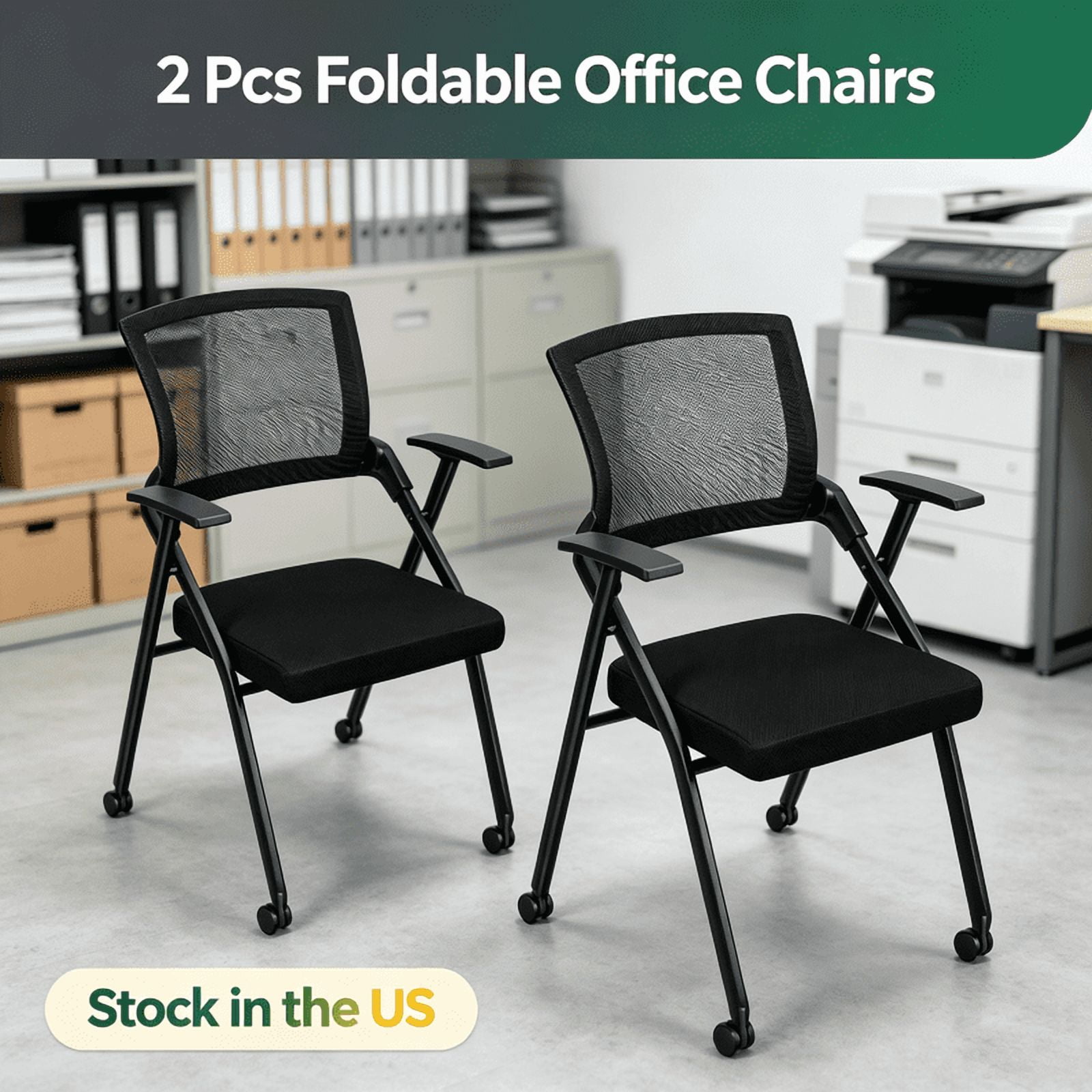
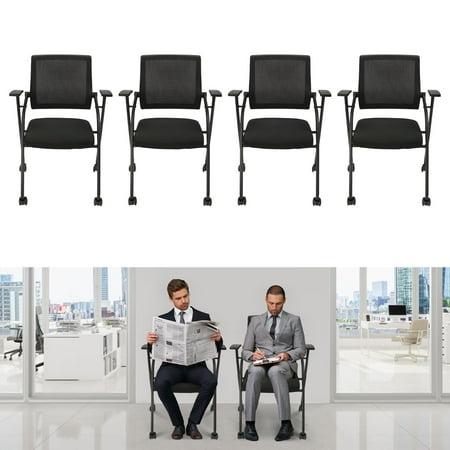
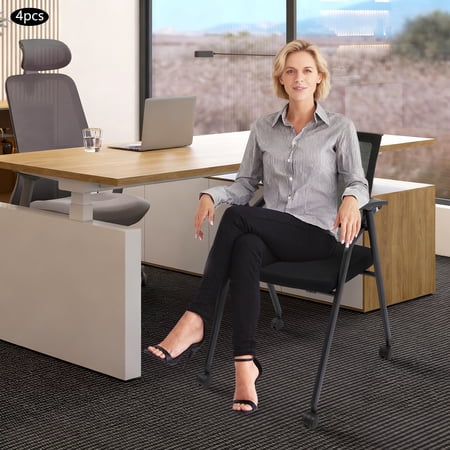
Why the Right Office Conference Chair Matters
Imagine walking into a boardroom where every seat feels inviting yet professional, where clients sink into supportive cushions during a two‑hour pitch, and your team can reconfigure the room in minutes for a brainstorming session. That’s the power of well‑chosen office conference chairs. They are the silent hosts of every meeting: they influence comfort, attention span, and even the perceived professionalism of your business.
Unlike daily‑use executive chairs, conference chairs serve a different rhythm: shorter durations but high rotation of users. They need to be durable, easy to clean, and often stackable without sacrificing ergonomics. According to recent workplace studies, 72% of employees say uncomfortable meeting seating negatively impacts their engagement. Investing in quality conference seating is investing in better decisions and stronger client relations.
Essential Features of Conference Chairs (Pembahasan Utama)
Here we break down the core attributes that separate a mediocre meeting chair from an exceptional one.
1. Stackability vs. Fixed Base
One of the first forks in the road: do you need stackable conference chairs? For multipurpose rooms, training centers, or spaces that host events, stacking chairs are a game‑changer. They can be stored vertically, clearing floor space for open sessions. Most quality stackers have reinforced frames and protective glides to prevent damage. If your boardroom is dedicated solely to meetings, non‑stacking chairs often provide a more substantial feel and additional ergonomic adjustments.
- Stackable chairs – ideal for flexibility; look for built-in handles and bumper strips to protect upholstery.
- Fixed / non‑stacking – often heavier, with more cushioning and arm options; perfect for permanent setups.
2. Armrests: Full, Low, or Armless?
The armrest debate is practical: chairs with arms offer comfort for longer meetings, but they require more lateral space and may not slide fully under the table. Many modern conference chairs feature low-profile or "flip‑up" arms that combine both worlds. For high‑density seating, armless conference chairs are space‑savers and allow free movement. According to the Business + Institutional Furniture Manufacturers Association (BIFMA), typical armless widths start at 19 inches, while armed versions need at least 22 inches per chair.
3. Upholstery & Material Choices
Your choice of material sends a message and affects maintenance. Here’s a quick guide:
Leather / Faux Leather
- Pros: Easy to wipe clean, ages well, conveys executive polish.
- Cons: Can get warm in long meetings; may show wear faster in high‑use.
- Best for: Client boardrooms, law firms, corner offices.
Mesh / Fabric
- Pros: Breathable, often more ergonomic, casual and modern look.
- Cons: Fabric can stain; mesh might not suit formal environments.
- Best for: Tech companies, creative agencies, training rooms.
Pro tip: For high‑traffic conference rooms, consider bonded leather or commercial‑grade vinyl – they resist scuffs and clean easily with a damp cloth.
4. Ergonomics for Short‑Term Sitting
Even if meetings last only 90 minutes, poor lumbar support can lead to distracted participants. Look for conference chairs with:
- Contoured backrests – they follow the natural spine curve.
- Slight recline mechanism – a gentle rock or tilt helps relieve pressure.
- Seat depth and waterfall edge – promotes circulation under thighs.
- Adjustable height – pneumatic lift accommodates different desk/table heights.
5. Durability & Construction
Conference chairs often face multiple users per day. Prioritize:
- Metal bases (nylon can crack under heavy use).
- Hardwood or steel frames inside upholstery.
- Quality casters (hard floor vs. carpet).
- Warranty: at least 5 years on mechanism, 2 years on fabric.
Conference Chair Selection: Step‑by‑Step Guide
Use this structured approach to choose the perfect meeting seating for your organization.
Step 1: Measure Your Space & Table
- Table height: standard 29"–30". Chair seat height should be around 17"–21" adjustable.
- Allow 24"–28" width per chair if using armchairs.
- For armless models, 20"–22" per seat works.
- Consider traffic flow: leave at least 36" behind chairs for movement.
Step 2: Define Usage Patterns
Ask yourself:
- Will this room host daily internal stand‑ups or monthly client meetings?
- Do you need to reconfigure the room often? → stackable wins.
- Are snacks/coffee served? → stain‑resistant fabric/leather recommended.
Step 3: Set a Realistic Budget
Value
Basic stackable chairs, standard fabric, limited adjustability.
Mid-Range
Better ergonomics, leather options, more durable casters.
Premium
Designer looks, high‑grade leather, advanced ergo, long warranty.
Step 4: Order Samples & Test
If possible, order one chair to test in your actual meeting room. Have team members of different sizes sit for 30 minutes. Check ease of rolling, armrest comfort, and how it feels after an hour.
Material Deep‑Dive: What Works Best for Conference Rooms?
| Material | Durability | Comfort | Maintenance | Best Use Case |
|---|---|---|---|---|
| Faux Leather (PU) | Good (5–7 yrs) | Soft, cool in AC | Easy wipe | Executive boardrooms |
| Premium Fabric | Very good (7–10 yrs) | Breathable, cozy | Vacuum / professional clean | Creative studios, daily huddle rooms |
| Mesh | Good (5–8 yrs) | Excellent airflow | Wipe frame, vacuum mesh | Modern tech offices |
| Genuine Leather | Excellent (10+ yrs) | Supple, improves with age | Conditioning required | High‑status corner offices |
Space‑Saving Innovations: Stackable, Ganging, and Flip‑Up Arms
Modern conference chairs often include clever mechanisms. Ganging clips allow you to connect chairs in rows – perfect for training rooms. Flip‑up armrests turn an armed chair into a space‑saving unit when not in use. Some models even have foldable backs for ultra‑compact storage. If your conference room moonlights as a yoga or event space, these features are invaluable.
According to interior designers, using transparent or mesh backs visually opens up small conference rooms, making them feel larger. Meanwhile, high‑back leather chairs add gravitas in formal boardrooms. Balance your aesthetic with functional needs.
Why Choose Dedicated Conference Chairs Over Repurposed Task Chairs?
You might think any chair with wheels works for a meeting. But task chairs often have high backs that obstruct sightlines across the table, bulky arms that prevent tucking in, and casters that don't roll well on certain floors. Conference chairs are intentionally designed with lower backs (for eye contact), compact proportions, and often have self‑braking casters that stay put during presentations. Using proper conference seating improves the flow of discussion by 30% (Cornell ergonomics report).
Frequently Asked Questions About Office Conference Chairs
Conclusion & Final Recommendations
Selecting the right office conference chairs blends art and science. You need chairs that represent your company’s image, stand up to daily use, and keep everyone comfortable. To recap:
- For a law firm or bank: invest in premium leather or bonded leather chairs with elegant stitching.
- For a tech startup: consider breathable mesh with bright color options and stackable frames.
- For a university or training center: prioritize stackable, ganging chairs with tough fabric and easy‑clean finishes.
Remember, conference rooms are where decisions are made and impressions are formed. Choose chairs that support both your team and your business goals. Browse our top picks above – all vetted for quality and value – to find the perfect match for your space.