
Why a Dedicated Counter Office Chair Transforms Your Workflow
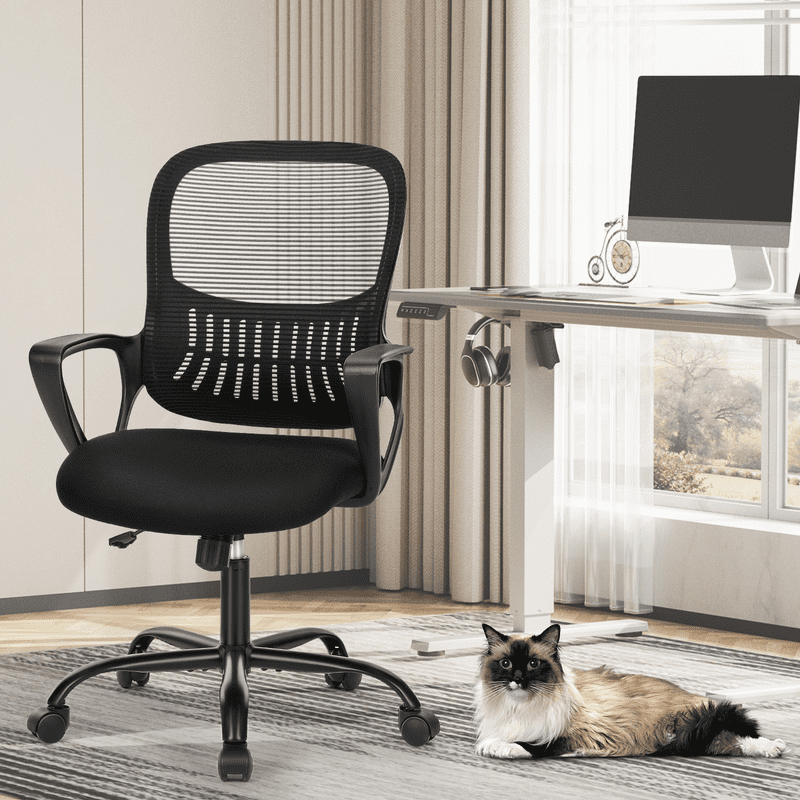
Imagine trying to use a regular office chair with a standing desk or a high reception counter. Your knees bump against the surface, your arms hover awkwardly, and your feet dangle without support. That’s where the counter office chair becomes essential. These tall chairs, also known as drafting stools or counter-height task chairs, bridge the gap between standard seating and elevated workspaces. They are not just taller versions of office chairs—they are ergonomic tools designed for specific environments like labs, kitchens, creative studios, and modern agile offices.
Ergonomics at height: According to a 2023 workplace comfort survey, 68% of employees using standing desks reported less fatigue when they had a properly fitted counter chair with a footring. The ability to perch and rest reduces lower limb strain by up to 40% compared to standing all day.
Anatomy of a Superior Counter Office Chair: Key Differentiators
Unlike standard task chairs, a counter chair must address three unique challenges: height stability, foot support, and seamless integration with higher surfaces. Let’s dissect the components that make a counter chair effective for all-day use.
• Pneumatic Cylinder & Height Range
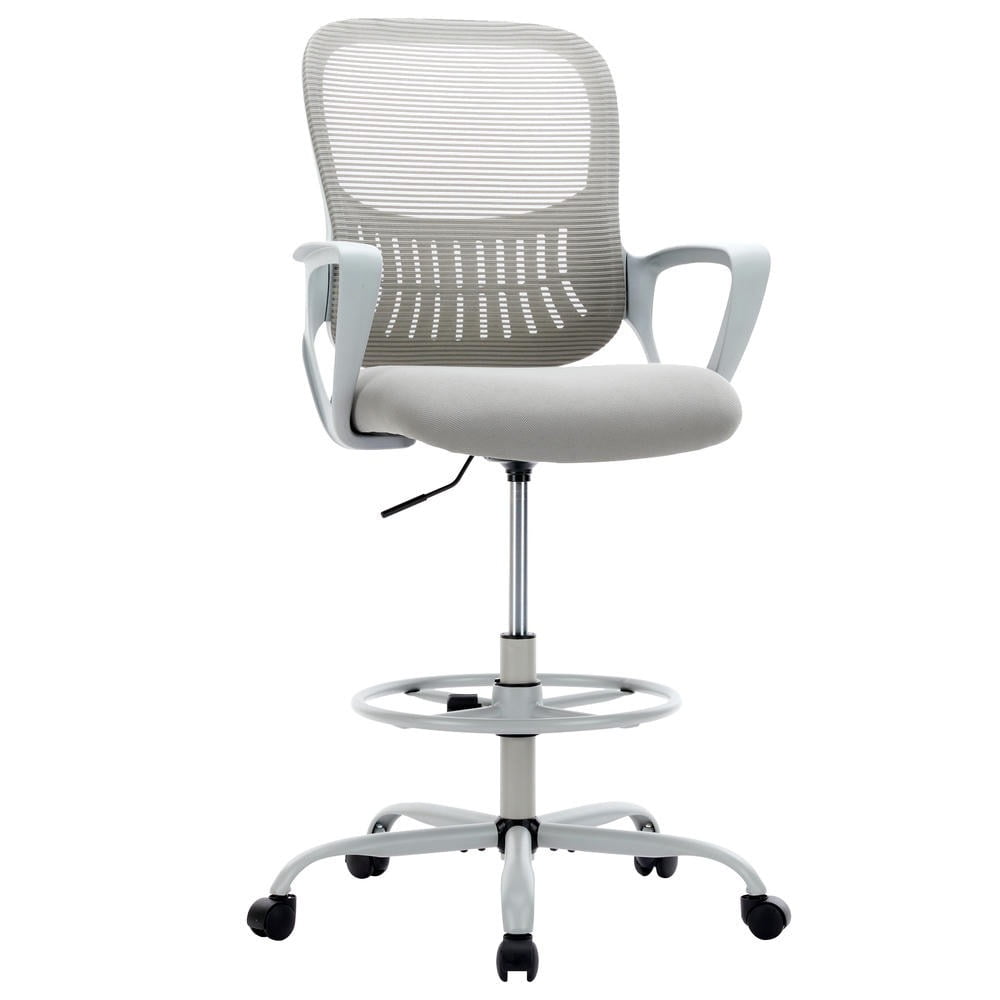
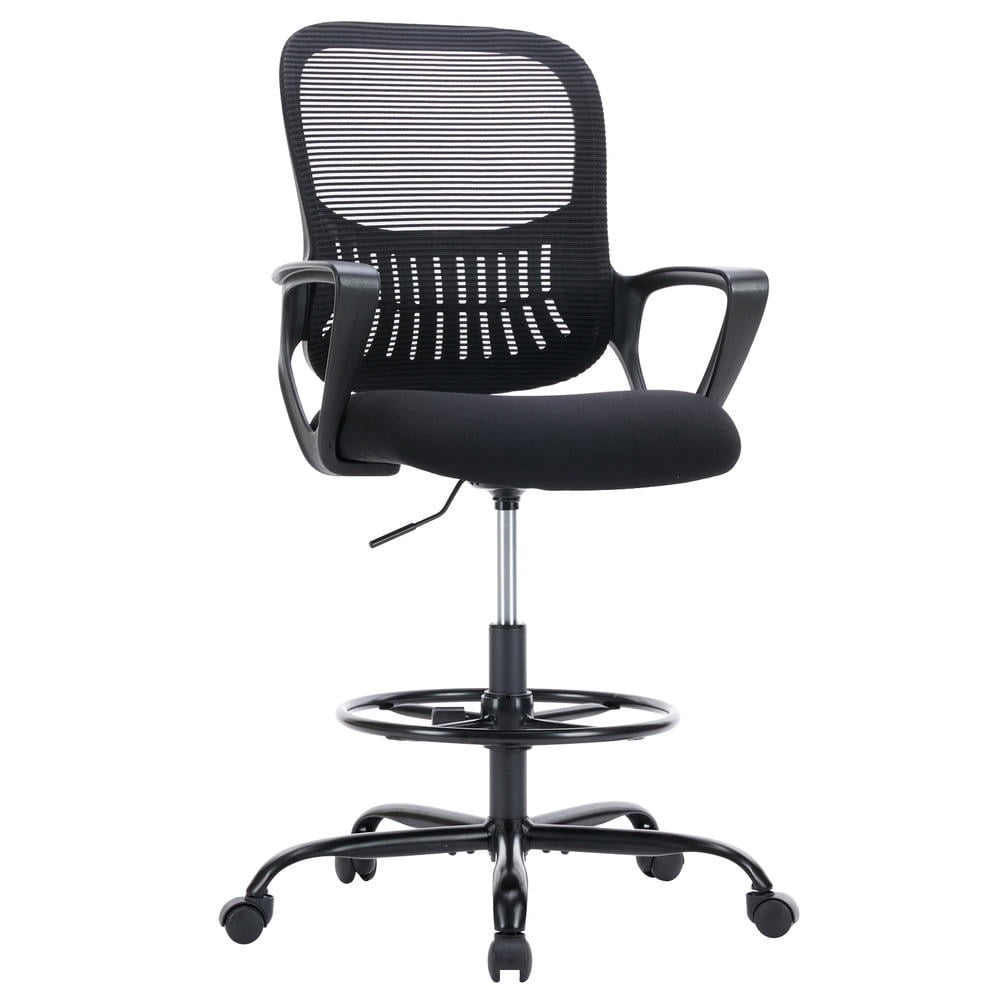
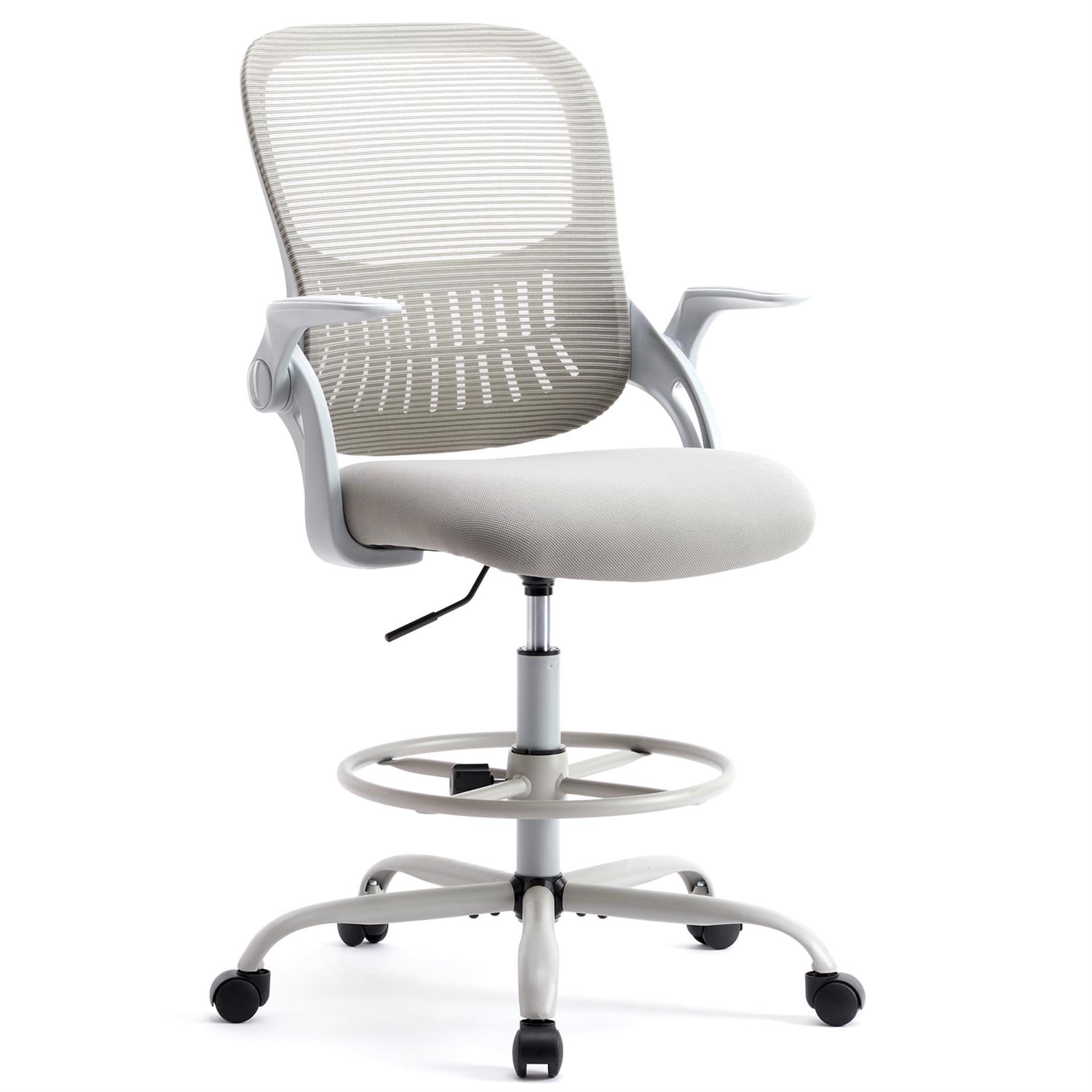
The backbone of any counter chair is its gas lift mechanism. Standard office chairs typically offer seat heights from 16-21 inches. A genuine counter office chair starts where standard chairs end: usually 24 inches at the lowest and up to 32 inches or more at full extension. When shopping, look for the exact range—it should comfortably align with your desk or counter (typically 39-42 inches high). A Class 3 or Class 4 gas cylinder ensures smooth and safe adjustment, especially for heavier users.
• The Critical Role of Footrings
Since your feet won’t reach the floor, a footring is your primary support. But not all footrings are equal. The best ones are:
- Fully adjustable: They slide up and down the central column, allowing you to set the perfect height for your legs (usually 6-8 inches below the seat).
- Wide and non-slip: A diameter of at least 18 inches gives you room to shift foot positions. Textured or rubberized coatings prevent slipping.
- Durable construction: Polished steel or heavy-duty plastic that won't bend under load.
Some modern counter chairs replace the footring with a wide, stable base that allows you to place your feet on the floor if you’re tall, but a ring offers more flexibility for different user heights.
• Base Stability and Caster Selection
A tall chair means a higher center of gravity. A sturdy base is non-negotiable. Look for:
- Base material: Nylon or polished aluminum. Metal bases are heavier and more stable, but quality nylon bases with a wide footprint (at least 26 inches) also work well.
- Caster type: For carpet, standard hard casters are fine. For hardwood or tile, choose soft rubber or polyurethane casters to avoid scratches. Some premium counter chairs feature locking casters which prevent rolling when you’re seated—a great safety feature for leaning.
• Ergonomics Beyond Height
Counter chairs are often used for long periods (think architects at drafting tables or pharmacists at raised counters). Therefore, ergonomic features must not be sacrificed:
- Lumbar support: Adjustable or at least contoured backrest to maintain the natural S-curve of your spine.
- Seat depth and waterfall edge: A seat pan that’s 17-19 inches deep with a downward sloping front reduces pressure on the back of your thighs.
- Backrest recline: A tilt mechanism with tension control allows you to lean back and stretch, reducing static loading on spinal discs.
- Armrests (optional but helpful): Flip-up or adjustable armrests can be useful, but ensure they fit under your counter when not in use.
Quick Comparison: Counter Chair vs. Standard Office Chair
| Feature | Counter Office Chair | Standard Office Chair |
|---|---|---|
| Seat Height Range | 24" – 32" (typical) | 16" – 21" |
| Foot Support | Footring (integrated or adjustable) | Floor (feet flat) |
| Primary Use Case | Standing desks, counters, labs, reception | Standard desks (28-30" high) |
| Typical Weight Capacity | 250-400 lbs (reinforced cylinder) | 250-350 lbs |
| Mobility at height | Often with locking casters for safety | Standard casters, no lock needed |
Frequently Asked Questions About Counter Office Chairs
Conclusion: Elevate Your Comfort with the Right Counter Chair
Choosing a counter office chair is not about simply picking a taller stool. It’s about matching the chair’s height range, foot support, and ergonomic features to your specific work pattern. Whether you’re a graphic designer who switches between sitting and standing, or a receptionist greeting guests at a high counter, the right chair reduces physical stress and boosts focus. Invest in a model with a robust gas lift, a comfortable footring, and casters suited to your floor. Your back—and your productivity—will thank you.
Remember to consider the total package: warranty (minimum 5 years on mechanism), material durability (mesh for breathability, fabric for comfort, or easy-clean vinyl for public areas), and adjustability. A quality counter office chair is a long-term partner in your daily workflow.