
Why Standard Chairs Fall Short: The Case for High Lift
Imagine sitting in a chair that simply doesn't go high enough. Your knees point upward, your shoulders hunch to reach the desk, and by midday your lower back screams. For tall individuals (over 6'2") or those using a standing desk, a high lift office chair isn't a luxury—it's an ergonomic necessity. These chairs feature extended pneumatic cylinders that lift the seat pan to 26, 28, or even 31 inches from the floor. But height is only half the story: they also incorporate wider bases, heavy-duty casters, and reinforced gas lifts to ensure stability at full extension.
Ergonomics Insight: Research from the Human Factors and Ergonomics Society indicates that proper seat height (thighs parallel to floor, feet flat) reduces spinal disc pressure by up to 35%. For tall users, standard chairs (max height ~21 inches) force a suboptimal posture. A high lift chair restores neutral alignment.
Anatomy of a High Lift Office Chair: Beyond Just a Tall Cylinder
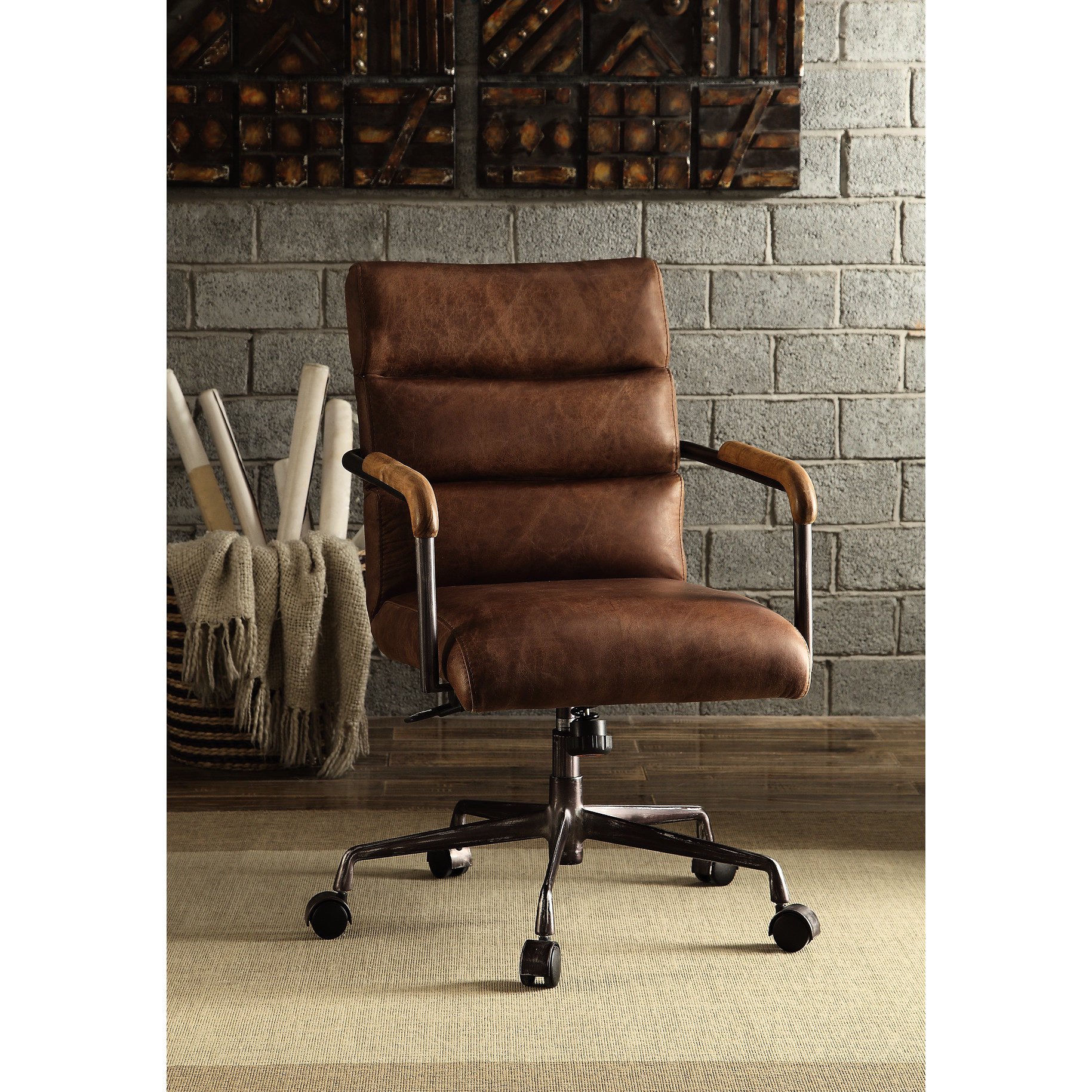
High lift chairs are engineered systems. Swapping a standard gas lift with a longer one on a regular chair is dangerous—the base may be too narrow, causing tipping. True high lift chairs integrate five key components:
- Extended Class 4 or 5 Gas Lift: Pneumatic cylinder with 6-8 inches of lift range, typically 20" to 28" seat height. Certified by BIFMA for safety.
- Wide Metal Base (27-30 inch span): Lowers the center of gravity and prevents tipping when the chair is elevated.
- Oversized Casters (3" or more): Roll smoothly even when the chair is at max height; some include locking casters for stability during standing.
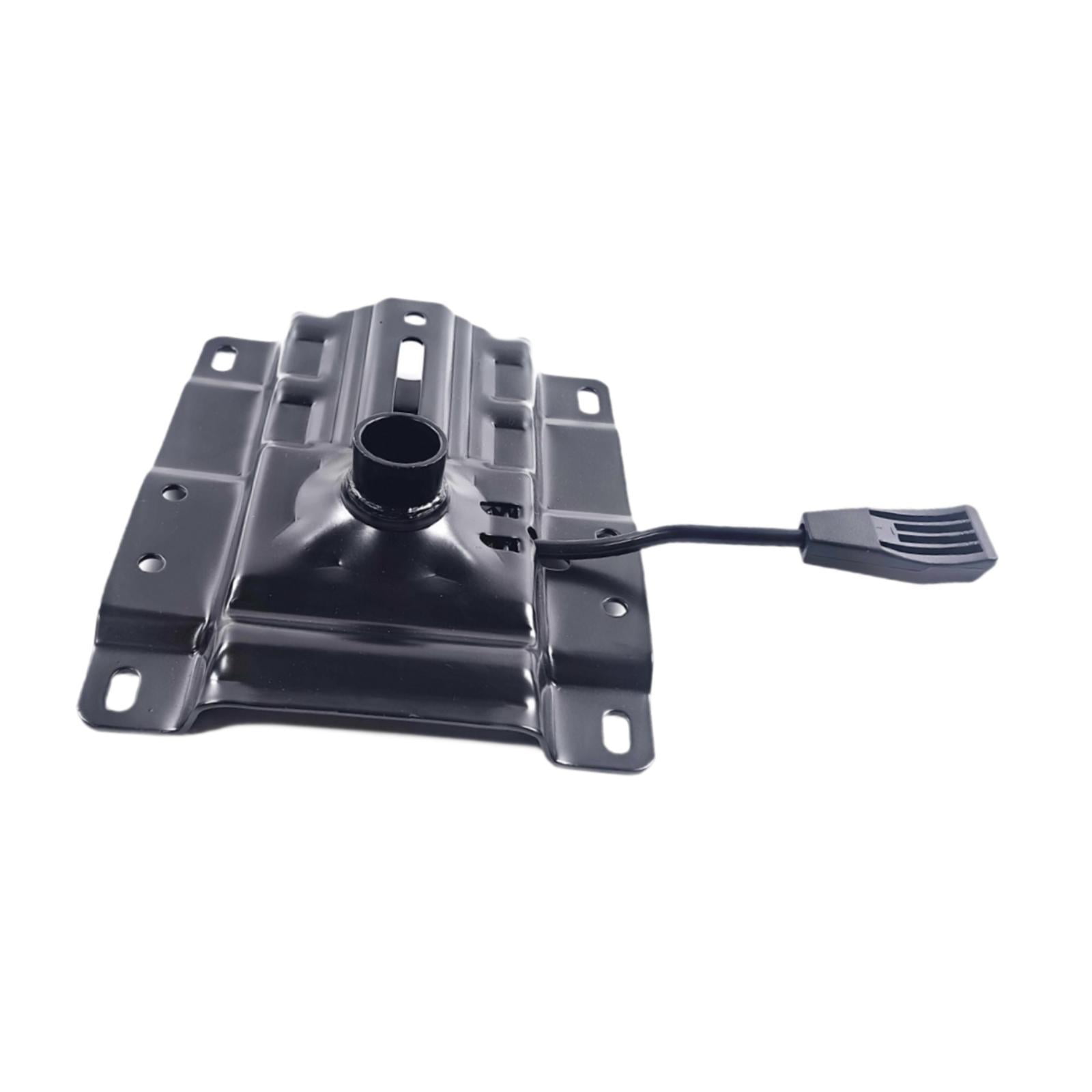
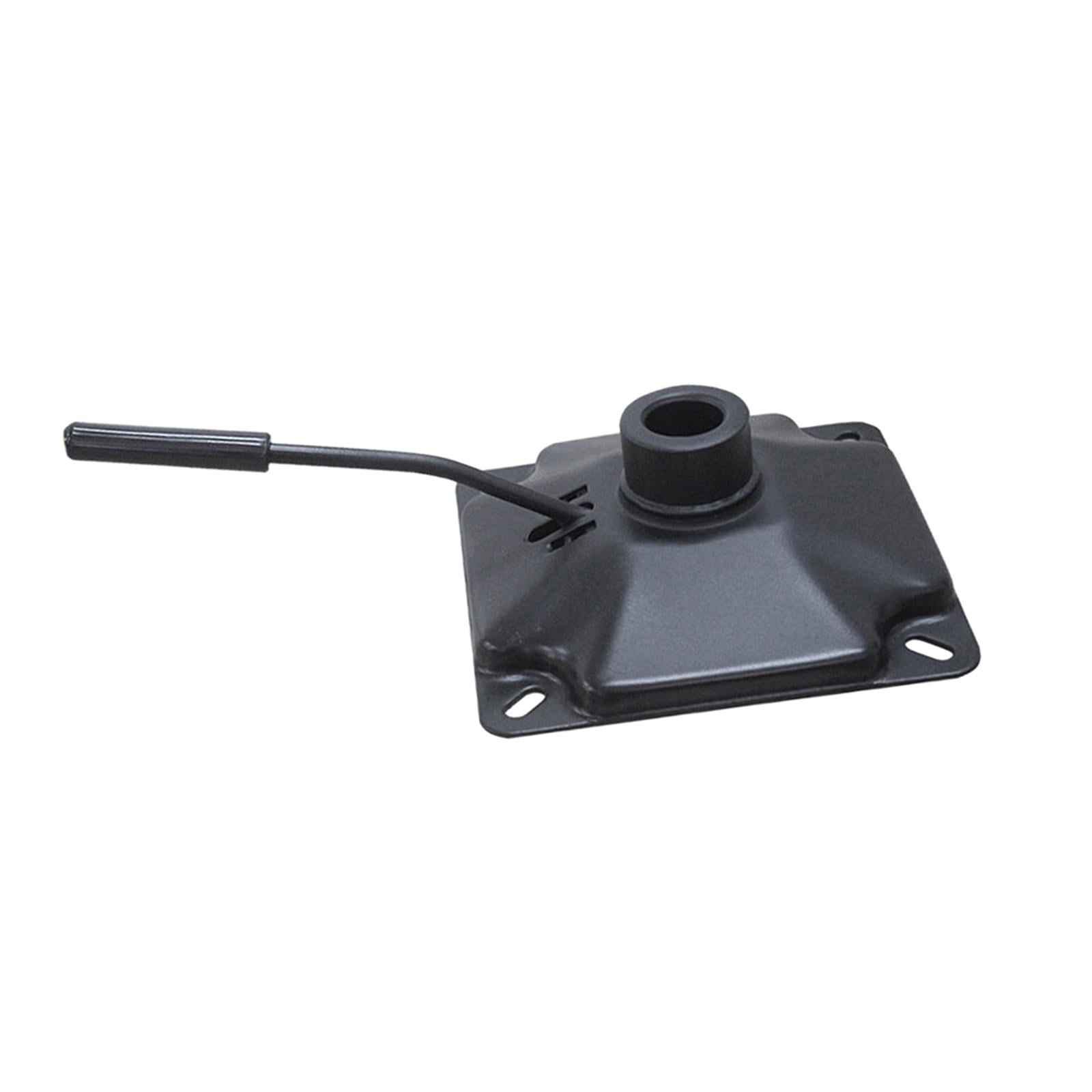
- Reinforced Seat Plate & Frame: Heavy gauge steel to handle the torque of higher lift and heavier users (350-500 lbs capacity).
- Adjustable Foot Ring (optional): Allows feet to rest when perching at bar-height, useful for drafting tables or lab environments.
Who Needs a High Lift Chair? (Use‑Case Matrix)
Standard chairs max out too low. High lift chairs allow thighs to slope slightly downward, reducing pressure on the back of knees.
Quickly transition from sitting to standing perching. A high lift chair lets you sit at counter height while the desk is elevated.
Working at vertical surfaces or slanted tables. High lift chairs with foot rings enable perching while leaning forward.
Adjustable height helps patients with mobility issues to sit and stand with less effort.
Standard counter height (36-40 inches) requires a stool or high lift chair with foot support.
Critical Specifications: What to Look For
Don't be swayed by marketing alone. Use this checklist to evaluate any high lift chair:
- Seat Height Range (Min–Max): Look for at least 20" low to 28" high. For very tall users or standing desks, 21"–31" is ideal.
- Base Diameter: Minimum 27 inches. Smaller bases become unstable at height.
- Gas Lift Class: Class 4 (heavy duty) or Class 5 (extra heavy). Never accept Class 2 or 3 for extended height.
- Weight Capacity: 350 lbs minimum; 400–500 lbs for heavy duty models. Check that capacity applies at full lift.
- Caster Type: For carpet: soft rubber; for hard floors: non-marking polyurethane. Optional locking casters for stationary use.
- Foot Ring Adjustability: If you perch, the ring should be height-adjustable and large enough (18"+ diameter).
High Lift Chair vs. Standing Stool: Key Differences
✅ High Lift Office Chair
- Full backrest and arm support
- Adjustable tilt and lumbar support
- Stable on casters, easy to move
- Can lower to standard desk height
🪑 Standing Stool (Perch Stool)
- Usually backless or low back
- Less supportive for long sitting
- Often has a foot ring but minimal adjustability
- Good for short perching, not full workdays
According to a 2023 workplace survey by ErgoDirect, 72% of employees using standing desks with standard chairs reported discomfort in their shoulders or wrists due to improper height. After switching to a high lift chair with a 26" max height, 89% said they could maintain neutral wrist posture while typing.
Adjustability and Ergonomics: Fine‑Tuning Your High Lift Chair
A high lift chair is only as good as its adjustments. Here’s a step‑by‑step guide to dial it in for your body and desk:
- Set the seat height: While sitting, adjust until your thighs are parallel to the floor (or slightly angled down if you're very tall). Your feet should rest flat. For standing desk mode, raise the chair so you can perch with your feet on the foot ring or floor, keeping a 135° hip angle.
- Adjust lumbar support: The curve should fit the small of your back. Many high lift chairs have height-adjustable lumbar.
- Set seat depth (if available): There should be 2-3 finger widths between the back of your knee and the seat edge.
- Armrest height: Set so your elbows are at 90° and shoulders relaxed. For standing desk use, you may lower armrests to slide the chair under the desk when not in use.
- Tilt tension: Adjust so you can recline slightly without feeling unstable—especially important when the chair is at max height.
Safety First: Preventing Tipping at Full Lift
Because high lift chairs raise you higher, the risk of tipping forward or backward increases. Always ensure:
- The base is large (≥27") and made of steel, not plastic.
- You do not lean excessively forward when the chair is fully elevated.
- The chair meets BIFMA X5.1 standards (the American National Standard for Office Furnishings).
- Casters are appropriate for your floor type to prevent rolling away when sitting down.
Quick Comparison: Seat Height Ranges by User Height
| User Height | Recommended Seat Height Range (floor to seat) | Typical Desk Height |
|---|---|---|
| 5'4" – 5'10" | 16" – 21" (standard chair) | 28" – 30" |
| 5'11" – 6'3" | 18" – 24" (mid‑lift) | 29" – 31" |
| 6'4" – 6'7" | 20" – 28" (high lift) | 30" – 32" |
| 6'8"+ or standing desk | 22" – 31"+ (extra high lift) | 40" – 45" (standing) |
Frequently Asked Questions – High Lift Office Chairs
Final Verdict: Invest in Vertical Freedom
A high lift office chair transforms your workspace from a one‑size‑fits‑all setup into a personalized ergonomic environment. Whether you're tall, use a standing desk, or need a chair that adapts to multiple work surfaces, the extended height range, combined with a reinforced base and proper adjustments, ensures safety and comfort. Don't settle for a chair that stops short—elevate your workday.
Top Pick Summary: For most tall users (6'2"‑6'6"), a chair with 20"‑28" seat height, 350 lb capacity, and adjustable lumbar offers the best balance. For standing desk enthusiasts, consider a model with locking casters and a foot ring. Always verify BIFMA certification.