
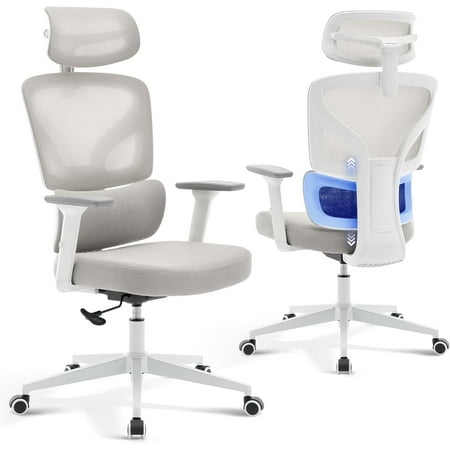
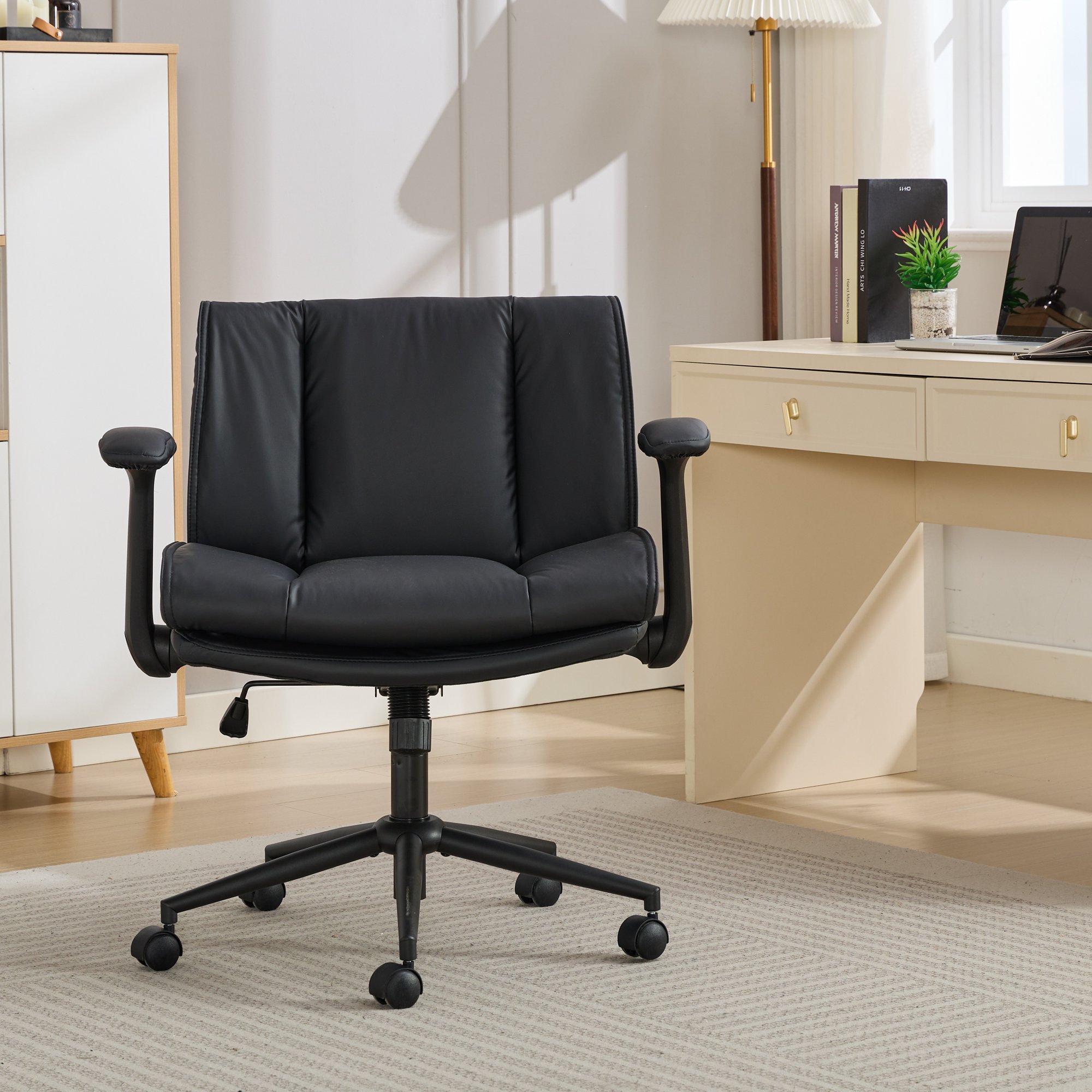
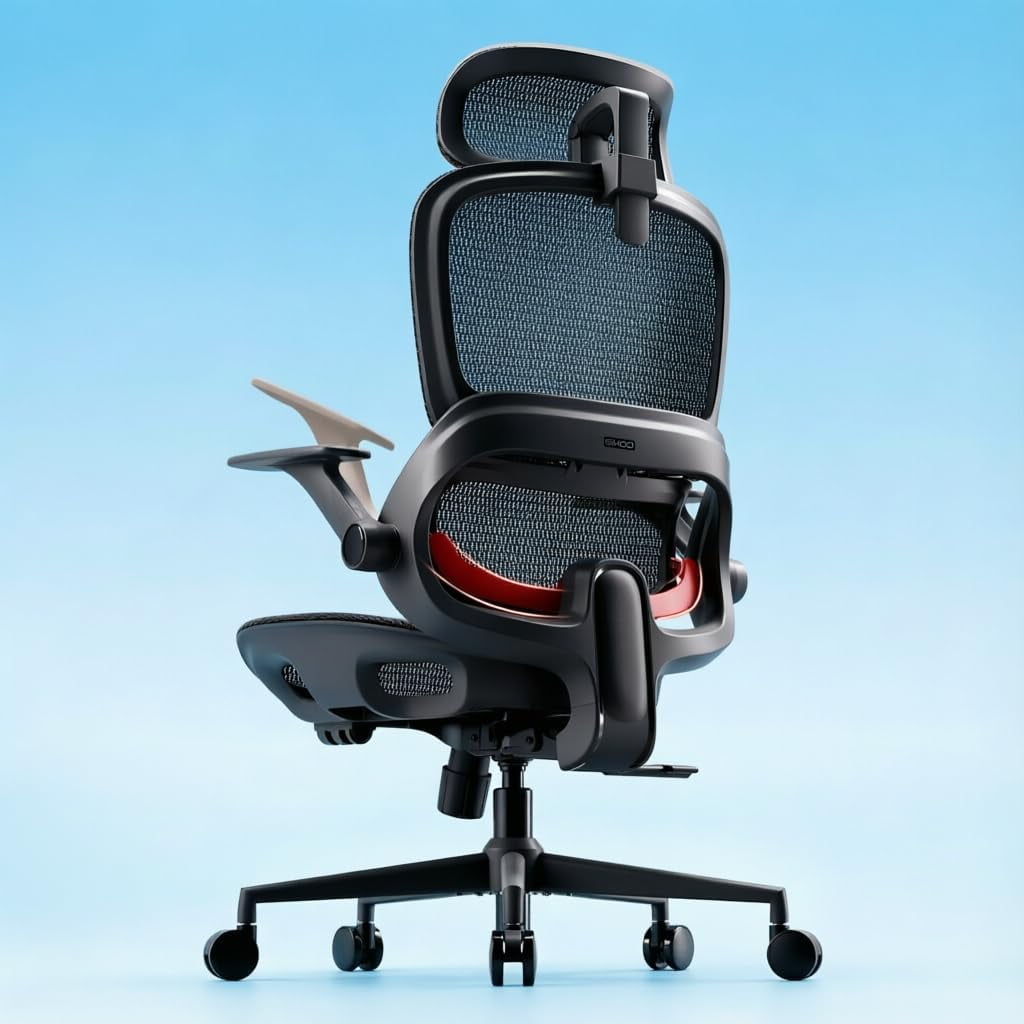
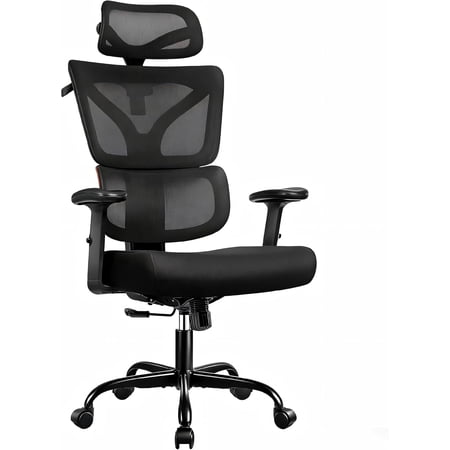
The Quest for the Right Foundation: Why a 300+ lb Capacity Chair Matters
Imagine building a bridge designed to handle commuter cars, but then expecting it to safely support heavy trucks day in and day out. That’s exactly what happens when a person over 300 lbs uses a standard-rated office chair. The mechanism strains, the gas lift may fail, and the base can crack—leading to sudden collapse and potential injury. An office chair for over 300 lbs isn't just a larger version of a regular chair; it’s an engineered piece of equipment built with reinforced components to provide a stable, safe, and comfortable seating platform.
Beyond safety, the right chair directly impacts your productivity and health. According to a study published in the Journal of Occupational and Environmental Medicine, employees who use properly fitted ergonomic furniture report a 46% reduction in musculoskeletal pain. For plus-size users, this means seeking chairs with specific design elements: wider seat bases, taller and broader backrests, industrial-strength mechanisms, and premium materials that resist wear. This guide walks you through every critical aspect, ensuring your next purchase is a lasting investment in your well-being.
Anatomy of a Heavy-Duty Champion: Key Components in a 300+ lbs Office Chair
Not all "heavy-duty" chairs are created equal. To confidently support over 300 lbs, specific components must be over-engineered. Let's dissect the anatomy of a chair built to last.
1. The Foundation: Base, Casters, and Gas Lift
The base is your chair's point of contact with the floor. For a 300+ lb chair, you should look for:
- Base Material: Aluminum is the gold standard—it's lightweight yet incredibly strong and won't corrode. Nylon or plastic bases are less common in this category but must be heavily reinforced.
- Base Diameter: A wider base (28 to 30 inches) provides a lower center of gravity and better stability, preventing tipping.
- Casters: Look for dual-wheel casters or larger, soft rubber casters (often 3 inches) that roll smoothly under heavy loads without damaging floors. They distribute weight more effectively than single wheels.
- Gas Lift (Pneumatic Cylinder): This is the most critical safety component. Chairs for over 300 lbs must use a Class 4 or Class 5 gas lift. These are built with thicker steel and higher-grade seals to handle extreme pressure safely. Never settle for a Class 3 or unmarked cylinder.
2. The Seat and Backrest: Dimensions and Support
Comfort for plus-size users goes beyond just weight capacity; it's about proper fit.
- Seat Width and Depth: A standard chair seat is about 19-20 inches wide. For a 300+ lb user, aim for a seat width of 22 to 28 inches. Seat depth should be adjustable or at least 20-22 inches deep to support the thighs fully without pressure behind the knees.
- Backrest Height: A high-back design (25 inches or taller) is essential to support the entire torso, including the shoulders. Some models even offer headrests for neck support during breaks.
- Reinforced Frame: The internal frame of the seat and back should be heavy-gauge steel. This prevents the chair from warping or developing soft spots over time.
3. Upholstery and Padding: Built to Endure
Best Materials for Durability
- High-grade Bonded or Top-grain Leather: Durable, easy to clean, and molds to the body. Look for reinforced stitching.
- Commercial-grade Fabric: Often with higher "double rub" counts (50,000+), these are breathable and extremely tough. Examples include breathable mesh hybrids and dense weaves.
- High-density Foam: The seat cushion should be at least 4-5 inches thick with a density of 2.5 lbs or higher. This prevents "bottoming out" after a few months.
Materials to Approach with Caution
- Standard Bonded Leather: Can peel and crack within a year under heavy use.
- Thin Mesh: While breathable, standard mesh can sag. Only trust it if the chair has a high weight rating and reinforced mesh panels.
- Low-density Foam: Will compress quickly, leading to discomfort and loss of support.
4. Ergonomic Adjustments: Customizing the Fit
A truly ergonomic office chair for over 300 lbs should allow you to tailor it to your body. Key adjustments include:
- Adjustable Lumbar Support: Both height and depth adjustment are ideal for targeting the curve of your lower back.
- Seat Slider (Depth Adjustment): Allows you to move the seat pan forward or backward to ensure proper thigh support.
- 4D Armrests: Armrests that adjust in height, width, depth, and pivot angle provide support for your arms and shoulders, reducing neck strain.
- Tilt Tension and Lock: You should be able to adjust how much force is needed to recline and lock the chair in multiple positions for active sitting.
Real-World Data: Weight Capacity vs. Actual Use
Manufacturers test chairs to specific limits. A chair rated for 400 lbs has been tested to hold that weight statically and dynamically. However, industry experts often recommend the "80% rule": if you weigh 300 lbs, choose a chair with a capacity of at least 375-400 lbs. This 25-30% buffer ensures the chair isn't operating at its maximum tolerance all day, significantly extending its lifespan. In fact, a survey by the Business + Institutional Furniture Manufacturers Association (BIFMA) suggests that chairs used at 80% of their rated capacity last, on average, 40% longer than those used at 100%.
Step-by-Step Guide to Testing Your Heavy-Duty Office Chair
Before you commit (or after it arrives), use this checklist to ensure it's the right fit.
Step 1: The Seat Pan Test
Sit with your back against the backrest. You should have 2-3 finger widths of space between the back of your knee and the seat edge. If not, the seat depth is wrong.
Step 2: The Shoulder Test
Your shoulders should rest comfortably against the backrest. If the backrest is too narrow, it will pinch. It should support your entire back, including your shoulder blades.
Step 3: The Armrest Alignment
Adjust the armrests so they are level with the height of your desk. Your elbows should form a 90-degree angle, and your shoulders should be relaxed, not hunched.
Step 4: The Recline Check
Lock the chair in an upright position and then try to recline. Does it feel stable? When unlocked, does the recline motion feel smooth and supportive?
Quick Comparison: What to Look For at Different Price Tiers
| Price Tier | Frame & Base | Upholstery | Adjustability | Typical Warranty |
|---|---|---|---|---|
| Value ($250 - $450) | Steel frame, nylon base, Class 3 lift | Bonded leather or basic fabric | Height, tilt, 2D armrests | 1-2 Years |
| Mid-Range ($450 - $750) | Reinforced steel, aluminum base, Class 4 lift | Top-grain leather or high-grade mesh | Height, seat slider, lumbar, 3D arms | 3-5 Years |
| Premium ($750+) | Heavy-gauge steel, polished aluminum base, Class 5 lift | Full-grain leather, commercial fabric | Fully adjustable (4D arms, multi-point lumbar, infinite recline) | 5-10+ Years (lifetime on frame) |
Note: Prices are estimates and can vary. Always check the product specifications for exact details.
Maintenance Tips: Prolonging the Life of Your Heavy-Duty Chair
Even the most robust office chair for over 300 lbs needs occasional care. Simple maintenance can add years to its life:
- Monthly Checks: Inspect all bolts and screws (especially under the seat and on the armrests) and tighten them if necessary. A little wobble today can become a structural failure tomorrow.
- Caster Cleaning: Hair and debris can clog casters, making them harder to roll. Clean them periodically with a tool or your fingers.
- Upholstery Care: For leather, use a conditioner every 6 months to prevent drying and cracking. For fabric, vacuum regularly to remove dust and debris that can abrade fibers.
- Gas Lift Function: If the lift becomes sticky, you can sometimes apply a silicone-based lubricant to the cylinder. If it fails completely, replace it immediately.
Frequently Asked Questions About Office Chairs for 300+ lbs
Conclusion: Invest in Your Foundation for Work and Life
Choosing an office chair for over 300 lbs is a decision that goes far beyond aesthetics. It's about respecting your body's need for safe, stable, and supportive seating. A quality heavy-duty chair eliminates the anxiety of equipment failure and allows you to focus entirely on your work. It's an investment in your health, your productivity, and your peace of mind.
Remember to prioritize a robust base and gas lift, ensure the seat dimensions fit your body, and look for the ergonomic adjustments that will keep you comfortable through long workdays. Use the product grid above to explore top-rated models that meet these rigorous standards. By choosing wisely, you're not just buying a chair—you're building a foundation for years of comfortable, successful work.