
The Complete Guide to Choosing an Office Chair With Arms and No Wheels
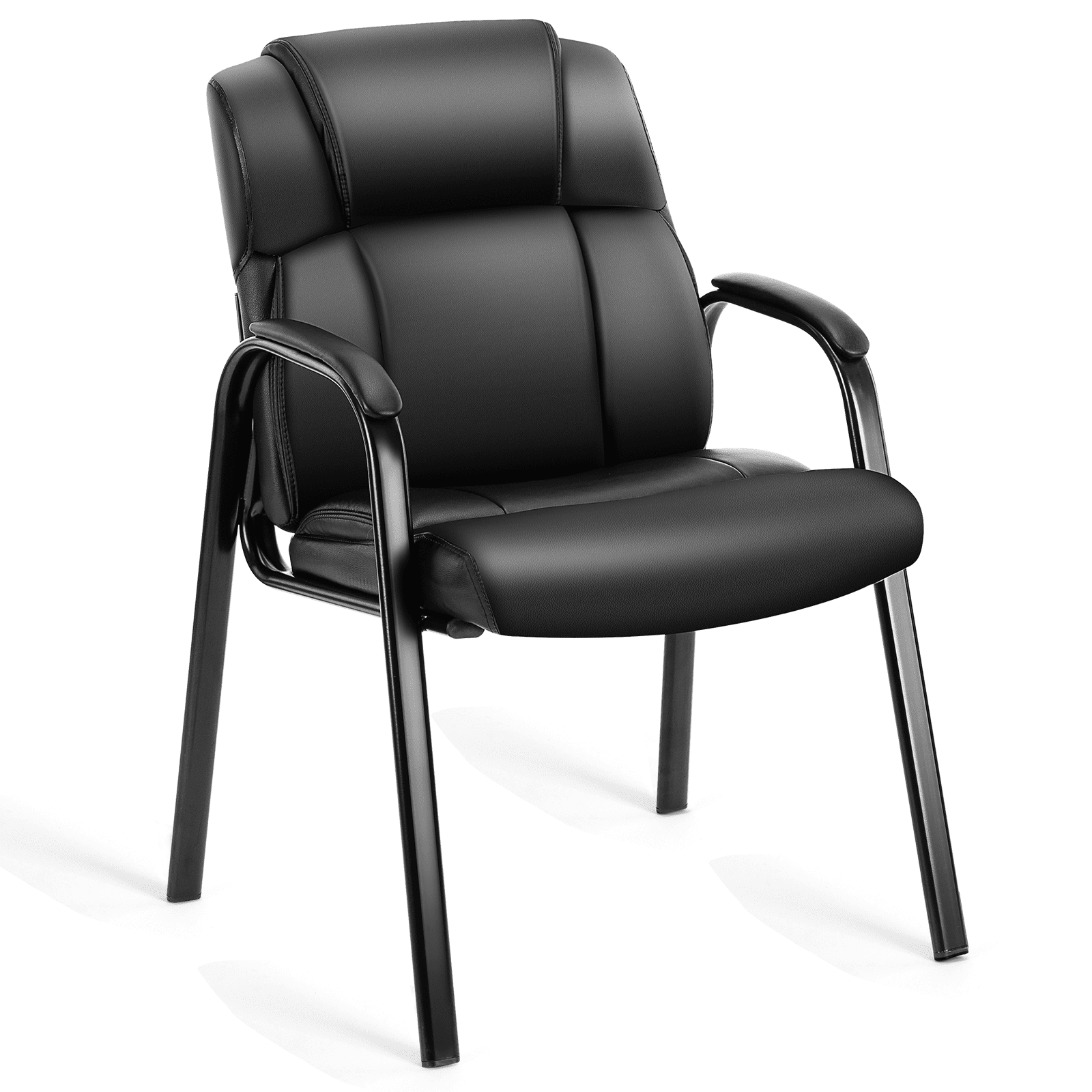
In the dynamic world of office seating, the standard image often involves a chair that swivels and rolls effortlessly across the floor. But a growing number of professionals are discovering the unique advantages of a more grounded approach: the office chair with arms no wheels. Like a sturdy ship anchor in a shifting tide, this type of chair offers a sense of permanence and stability that a rolling chair simply cannot match. Whether you're an artist needing a steady base, a home office user protecting hardwood floors, or an executive seeking a distinguished, executive presence, a stationary chair with armrests is a powerful tool for productivity and focus.
This guide explores everything you need to know about these specialized chairs. We'll delve into their benefits, ideal use cases, key features to look for, and how they compare to their wheeled counterparts, helping you make an informed decision for your workspace.
Why Choose a Stationary Chair? The Power of a Fixed Base
Imagine trying to draw a perfectly straight line or sign a document while sitting in a chair that shifts with every slight movement. This is the fundamental problem that a fixed-base chair solves. The absence of wheels creates a solid, predictable platform. According to a study on workplace ergonomics, a stable seat can improve fine motor control by up to 15% in tasks requiring precision. This makes a non-rolling desk chair with arms the preferred choice for architects, designers, accountants, and anyone who values a steady posture.
✓ Advantages of No Wheels
- Ultimate Stability: Rock-solid base for focused tasks like writing, drafting, or detailed computer work.
- Floor Protection: No casters means zero scratches, scuffs, or dents on hardwood, laminate, or tile.
- Defined Workspace: The chair stays exactly where you put it, ideal for smaller offices or defined zones.
- Lower Maintenance: No wheels to collect hair, dust, or debris, and no casters to break or jam.
- Executive Aesthetic: Often features a more furniture-like appearance with wooden or sled bases, conveying authority.
✗ Considerations
- Limited Mobility: You must get up to move to another part of your desk or workspace.
- Less Dynamic Sitting: May encourage a more static posture if you don't remember to shift positions.
- Floor Glides: The glides on the bottom can still scratch floors if dirty or if the chair is dragged.
- Not for Multi-Tasking: Inefficient for environments where you need to frequently turn or roll to access different areas.
The Crucial Role of Armrests in a Stationary Chair
When you eliminate wheels, the armrests become even more critical. They are your primary points of contact for getting in and out of the chair and for making minor positional adjustments. High-quality arms on a stationary chair provide:
- Enhanced Support for Shoulders and Neck: Properly adjusted armrests allow your shoulders to relax, reducing tension and the risk of "tech neck." This is especially important when you're not rolling around, as your upper body relies more on the chair's fixed structure.
- Leverage for Posture Changes: Fixed arms give you something to gently push against to shift your weight in the seat, promoting micro-movements that are vital for spinal disc health during long periods of sitting.
- A More 'Throne-Like' Feel: In executive and managerial settings, chairs with substantial, well-padded arms convey a sense of authority and permanence that complements a stationary base perfectly.
When shopping, look for chairs with adjustable armrests (height and width). This feature is vital to ensure the arms can be positioned to support your natural sitting posture, preventing you from leaning to one side or hunching your shoulders.
Who Needs an Office Chair With Arms and No Wheels? (Ideal Scenarios)
This type of seating isn't for everyone, but for specific users and environments, it's the perfect solution. Think of it like a fixed-gear bicycle: it's not for every rider, but for those who appreciate its purpose, it's unmatched.
Key Features to Look For (Beyond the Wheels)
Selecting the right stationary chair requires attention to detail. Here are the critical specifications to evaluate, presented in a clear comparison:
| Feature | Why It Matters | What to Look For |
|---|---|---|
| Base Type & Material | Determines stability, floor protection, and style. | Solid wood (for elegance), heavy-gauge steel or aluminum sled base (for durability), or a four-leg design with floor glides. Ensure glides are felted or nylon to protect floors. |
| Armrest Quality | Critical for upper body support and leverage. | Padded, wide, and ideally adjustable in height and width. Fixed arms should be at the correct height for your desk. |
| Ergonomics & Lumbar Support | Prevents back pain during extended sitting. | Built-in lumbar support that is adjustable in depth or height. A contoured backrest that follows the spine's natural curve. |
| Seat Comfort & Depth | Ensures proper thigh support and circulation. | High-density foam cushioning that doesn't flatten easily. A waterfall edge to reduce pressure on the back of the legs. Adjustable seat depth is a premium feature. |
| Upholstery Material | Affects durability, comfort, and professional look. | Breathable mesh for warm climates, durable and easy-clean fabric, or premium leather for a sophisticated executive feel. |
| Weight Capacity | Safety and longevity of the chair. | Aim for a minimum of 300 lbs for standard use. For heavy-duty applications, look for 400-500 lbs capacity, often found in chairs with reinforced steel bases. |
Comparing Your Options: Stationary vs. Rolling Chairs
To help you decide, here's a direct comparison of a wheeled office chair with arms versus a stationary office chair with arms.
| Feature | Chair With Wheels (Rolling) | Chair With Arms, No Wheels (Stationary) |
|---|---|---|
| Primary Benefit | Mobility and ease of movement around a workspace. | Stability and a grounded, focused feel. |
| Best For | Multi-tasking, large L-shaped desks, collaborative environments. | Precision tasks, single-desk focus, reception areas, executive offices. |
| Floor Impact | Can scratch floors; requires special casters for hard surfaces. | Gentle on floors when equipped with proper glides; no rolling scuffs. |
| Typical Aesthetic | Often more functional and task-oriented. | Can be more furniture-like and visually substantial. |
| Posture | Encourages dynamic sitting and movement. | Encourages deliberate posture; user must remember to shift positions. |
According to ergonomic principles, the best chair is the one that fits your specific tasks. If your work requires you to reach multiple areas of your desk, a rolling chair is superior. If your work is centered on a single, focused point, a stationary chair offers unparalleled stability.
Maintenance and Longevity: A Practical Look
One of the unsung benefits of a fixed-base office armchair is its simplicity. The main components to maintain are the upholstery and the floor glides.
- Upholstery Care: Vacuum fabric or mesh chairs weekly. For leather, wipe with a slightly damp cloth every two weeks and apply a leather conditioner every 6-12 months to prevent drying and cracking.
- Floor Glide Maintenance: The glides (the parts that rest on the floor) can accumulate dust and grit. Wipe them down periodically with a damp cloth to prevent them from scratching your floor. If they wear down, they are often replaceable.
- Mechanism Check: Even without wheels, your chair may have a swivel and tilt mechanism. Lubricate this mechanism according to the manufacturer's instructions (usually once a year) to prevent squeaking.
With proper care, a high-quality stationary office chair can last 10-15 years or more, often outliving its wheeled counterparts due to the absence of casters that can break or wear out.
Frequently Asked Questions About Arm-Equipped, Wheel-Free Chairs
Final Verdict: Is a Stationary Armchair Right for Your Office?
Choosing an office chair with arms and no wheels is a deliberate decision to prioritize stability, floor protection, and a grounded aesthetic over mobility. It's not a step backward in office ergonomics; rather, it's a specialized tool for specific tasks and environments. For the creative professional who needs a steady hand, the homeowner protecting beautiful floors, or the executive who values a commanding presence, these chairs offer distinct advantages that rolling chairs simply cannot provide.
By focusing on key features like adjustable armrests, robust lumbar support, and high-quality materials, you can find a stationary chair that not only meets your ergonomic needs but also enhances the focus and professionalism of your workspace. Evaluate your daily tasks, consider your floor type, and think about the atmosphere you want to create. If stability and focus are your top priorities, a wheel-free chair with supportive arms is an excellent investment in your daily comfort and productivity.
Recommendation Summary: For precision work and executive settings, invest in a leather or high-quality fabric model with a sturdy wooden or steel base. For modern, tech-focused home offices, a breathable mesh chair with a sleek sled base and adjustable arms is a fantastic choice. Always prioritize a chair that you can test (or that has a good return policy) to ensure it truly fits your body and work style.