
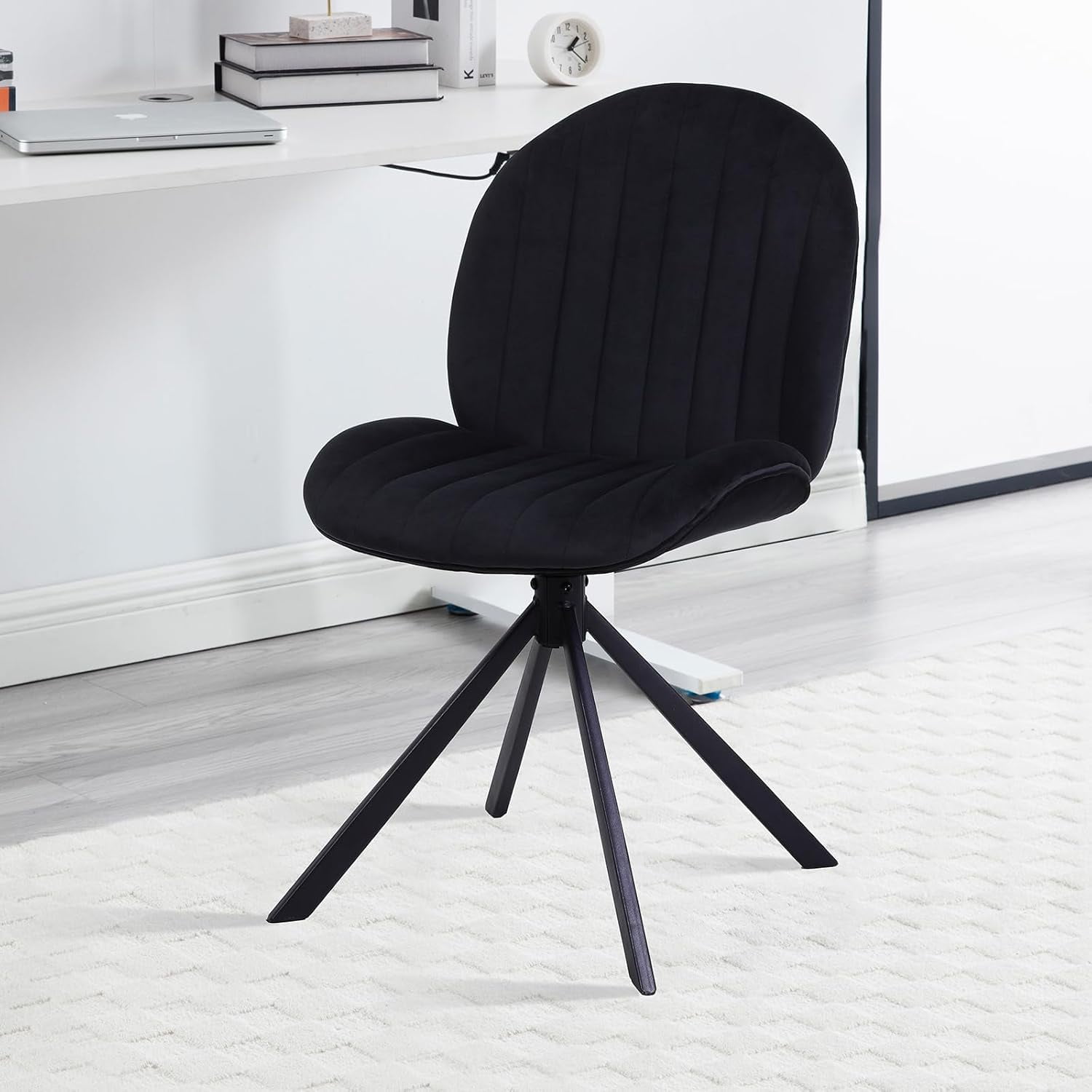
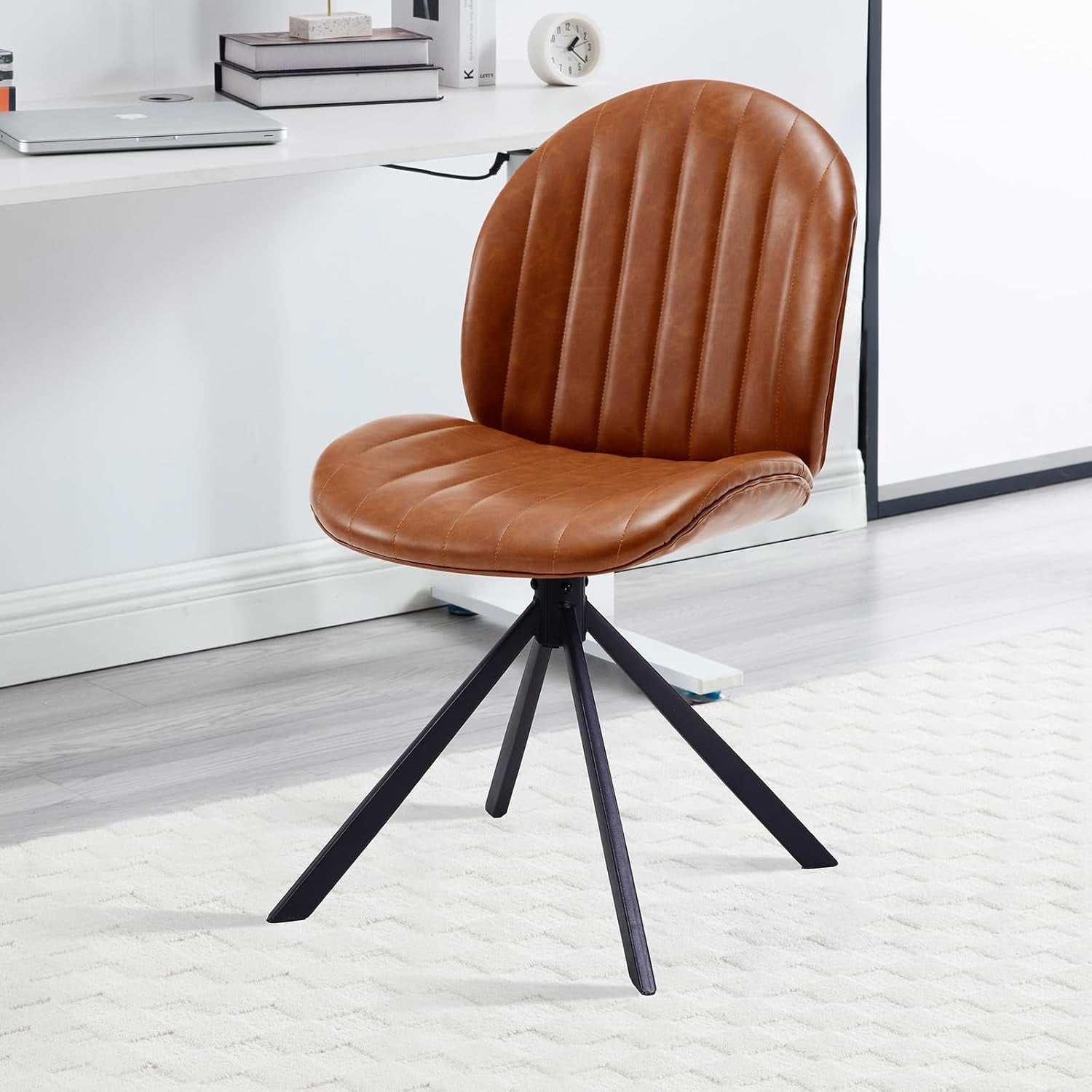
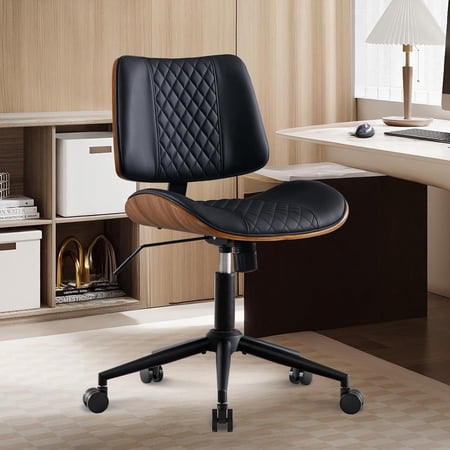
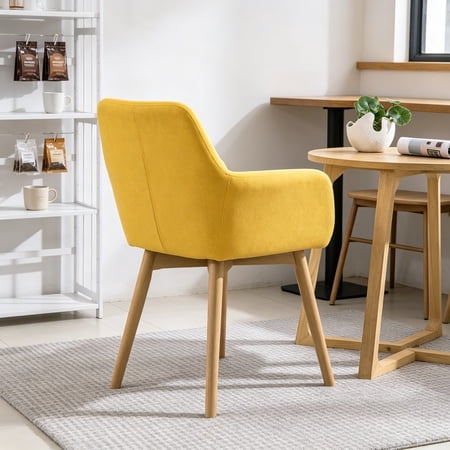
The return of the stationary icon: mid century office chair without wheels
Imagine a chair that doesn’t roll away when you lean forward – a piece that looks as good as it feels. That’s the allure of the mid century office chair no wheels. Inspired by the clean lines of the 1950s and 60s, these chairs combine sculpted plywood, solid legs, and plush upholstery to create a stationary seating solution that turns your desk into a design statement.
Why stationary now? According to interior design surveys, searches for “chairs without wheels” have grown by 70% in the last two years, driven by home workers who want furniture that blends with living spaces, not just functional office equipment.
Anatomy of a mid‑century stationary chair
Unlike typical rolling task chairs, a mid‑century fixed‑base chair is built around four key elements: base, shell, upholstery, and ergonomic intention. Let’s dissect each.
1. Base & stability: why no wheels work
Most no‑wheel mid‑century chairs feature either tapered wooden legs (often walnut or oak) or a solid pedestal base. Wooden legs give that authentic retro look, while a metal or wood pedestal often hides a gas lift for height adjustment. Without casters, the chair stays planted – ideal if you work on an uneven floor or simply dislike scooting.
- Wooden legs: splayed outward for stability, protect floors with included felt pads.
- Pedestal base: usually 5‑point but without wheels; allows swivel and height change.
- Weight distribution: stationary bases often support up to 300 lbs because the load is spread over a larger footprint.
2. Shell & backrest: ergonomics with retro flair
The iconic “shell” design – a single piece of moulded plywood forming seat and back – isn’t just pretty. It follows the natural curve of the spine, offering passive lumbar support. Many modern versions add a slight recline or a separate cushion to accommodate longer sitting.
Lumbar curve
Moulded plywood backrests reduce slouching by promoting an upright posture.
Seat depth
Typically 17‑19 inches, fitting most body types without pressing behind knees.
Armrests (or none)
Many mid‑century chairs are armless for a cleaner look; some feature integrated wooden arms.
Swivel option
Even without wheels, a 360° swivel is common – you can turn without moving the base.
3. Upholstery & materials: from velvet to leather
The choice of cover defines the chair’s personality. Here’s how they compare:
| Material | Vibe | Durability | Best for |
|---|---|---|---|
| Velvet | Luxurious, warm | Good (with care) | Home offices, feminine or eclectic spaces |
| Top‑grain leather | Classy, executive | Excellent (10+ years) | Traditional studies, client‑facing desks |
| Tweed / fabric | Casual, vintage | Moderate (5‑7 years) | Creative studios, libraries |
| Faux leather | Sleek, vegan | Fair (3‑5 years) | Budget‑friendly retro looks |
4. Height adjustability – yes, even without wheels
Don’t assume “no wheels” means “fixed height”. Most quality mid century office chair no wheels models include a pneumatic lift hidden in the base. You can raise or lower the seat to match your desk, while the base remains stationary. Some lower‑cost versions use a screw‑thread mechanism (turn the seat to adjust).
Why choose a stationary mid‑century chair? 5 compelling reasons
- Floor protection: No casters means no scratches on hardwood, tile, or laminate. Perfect for rented apartments or polished concrete.
- Design continuity: These chairs look like real furniture – they belong in a living room as much as an office. No more “office chair aesthetic”.
- Stability during focus: If you tend to push back and forth, a fixed chair keeps you at the correct distance from your keyboard, reducing neck strain.
- Less maintenance: No wheel axles to clean hair from, no jammed casters. Just wipe and go.
- Timeless appeal: Mid‑century design never goes out of style. A well‑made piece can last decades and adapt to any decor trend.
Mid century vs. traditional office chair: quick comparison
| Feature | Mid century (no wheels) | Standard rolling chair |
|---|---|---|
| Mobility | Stationary / swivel only | Free rolling (may need floor mat) |
| Aesthetic | Furniture‑grade, retro | Functional / ergonomic look |
| Typical materials | Wood + upholstery | Plastic/mesh + fabric |
| Best for | Home offices, studios | Corporate, multitasking |
| Adjustability | Height, sometimes tilt | Extensive (lumbar, arms, etc.) |
How to pick the perfect stationary mid‑century chair
Follow this simple 3‑step guide to avoid buyer’s remorse:
According to a 2023 survey by the American Home Furnishings Alliance, 62% of remote workers said they preferred a chair that “doesn’t look like office equipment”. The stationary mid‑century category fulfills that desire while maintaining ergonomic support – a rare combination.