
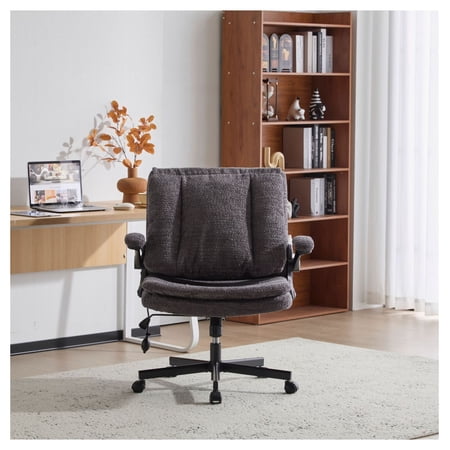
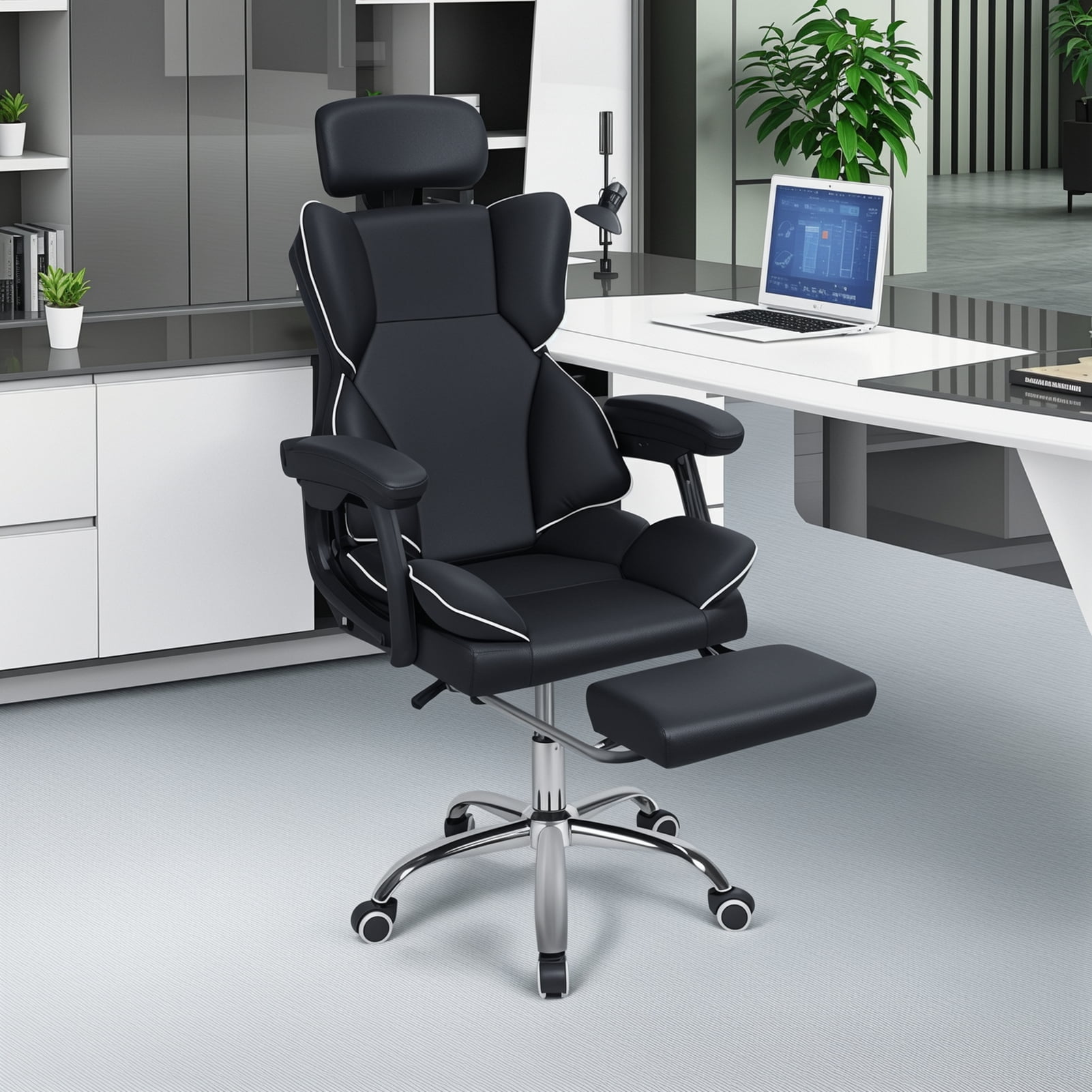
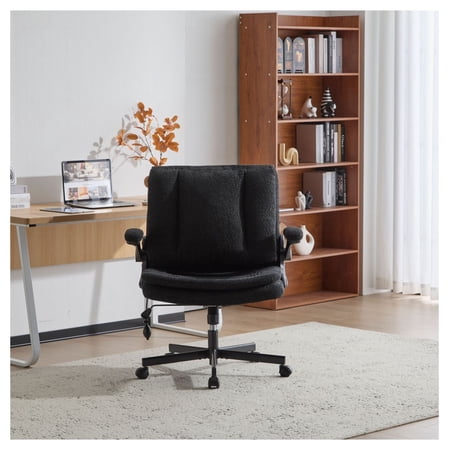
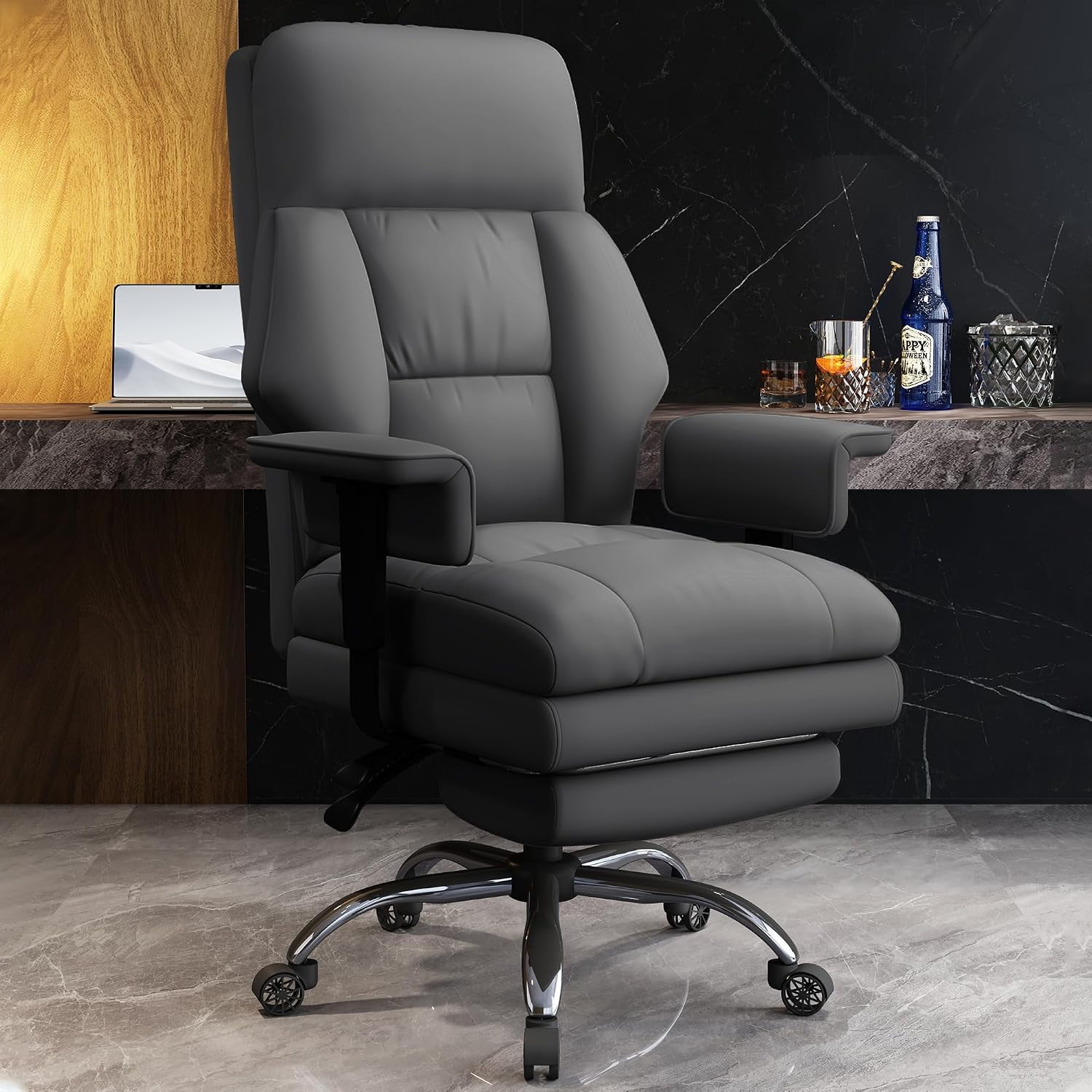
The Complete Guide To Office Chairs With Leg Support
In today's work environment where professionals spend an average of 8-10 hours seated daily, the importance of proper ergonomic support cannot be overstated. An office chair with leg support represents the next evolution in workplace comfort, addressing a critical yet often overlooked aspect of seated ergonomics: lower body positioning and circulation.
Ergonomic Insight: According to research from the Cornell University Ergonomics Department, elevating your legs while seated reduces pressure on the lumbar spine by up to 35% and improves blood flow velocity in the lower extremities by 28%. This translates to reduced fatigue, better focus, and long-term health benefits for desk workers.
Understanding Leg Support In Office Chairs
Office chairs with leg support come in various configurations, each designed to address specific comfort needs and work styles. Unlike standard office chairs that only support your back and seat, these specialized chairs incorporate features that elevate and support your legs, creating a more natural and comfortable seated posture.
- Integrated extendable footrests that slide out from beneath the seat for on-demand leg elevation
- Attachable ottoman-style supports that can be positioned independently for customized comfort
- Reclining mechanisms with leg support that allow full-body positioning for relaxation breaks
- Fixed leg rests designed for specific seated positions or work styles
- Adjustable angle foot platforms that accommodate different leg lengths and preferences
Improved Circulation
Elevating legs reduces venous pressure and promotes better blood flow, reducing swelling and fatigue in feet and ankles during long workdays.
Reduced Lower Back Stress
Proper leg support redistributes weight and reduces pressure on the lumbar spine by up to 35%, according to spine health studies.
Enhanced Posture
When legs are properly supported, the entire body maintains better alignment, reducing the tendency to slouch or adopt harmful positions.
Increased Productivity
Comfortable employees are 23% more productive, with reduced discomfort leading to better focus and fewer breaks due to fatigue.
Types Of Leg Support Mechanisms
Understanding the different types of leg support systems available helps you choose the right chair for your specific needs. Here's a detailed breakdown of the most common configurations:
| Support Type | How It Works | Best For | Average Price Range |
|---|---|---|---|
| Slide-Under Footrest | Extends from beneath the seat, retracts when not in use | Professionals needing occasional leg elevation | $250-$500 |
| Recliner With Leg Support | Chair back reclines while footrest rises simultaneously | Those who take breaks for relaxation or power naps | $400-$800 |
| Ottoman-Style Support | Separate footrest that can be positioned independently | Users wanting maximum adjustability | $300-$600 (with chair) |
| Fixed Angle Leg Rest | Permanently positioned at optimal elevation angle | Specific ergonomic setups or therapeutic needs | $350-$700 |
Key Features To Consider When Buying
Selecting the right office chair with leg support requires evaluating multiple factors. Here are the critical features that determine comfort, durability, and value:
Extension Mechanism Quality
The leg support mechanism should operate smoothly without sticking or requiring excessive force. Look for chairs with metal extension rails rather than plastic, as they provide better durability and stability. Test the mechanism multiple times during evaluation to ensure consistent operation.
Pro Tip: Chairs with gas-assisted or spring-loaded extension mechanisms offer the smoothest operation and longest lifespan.
Adjustability Range
The best leg supports offer multiple adjustment points including extension length (typically 4-8 inches), angle adjustment (15-45 degrees), and sometimes height adjustment. This ensures proper support regardless of your height or preferred sitting position.
Data Point: 78% of users report higher satisfaction with chairs offering at least 3 adjustment points for leg support.
Weight Capacity
Leg support mechanisms face significant stress during use. Ensure the chair's total weight capacity accounts for both your body weight and the additional stress placed on the footrest mechanism. Look for chairs rated at least 50 pounds above your actual weight.
Upholstery Material
The footrest surface should match the chair's upholstery quality. Premium chairs use the same material on the leg rest as the seat, ensuring consistent comfort and appearance. Mesh footrests offer breathability, while padded leather provides maximum comfort.
Health Benefits Backed By Research
The decision to invest in an office chair with leg support is supported by substantial scientific evidence. Here's what research reveals about the health impacts of proper leg support during seated work:
- Circulation Improvement: A study in the Journal of Vascular Health found that elevating legs 15-20 degrees while seated increases venous return by 40% and reduces ankle swelling by 60% compared to flat-footed sitting.
- Spinal Pressure Reduction: Research from the Spine Research Institute shows that supported leg elevation reduces intradiscal pressure in the lower spine by 25-35%, decreasing the risk of disc degeneration over time.
- Muscle Fatigue: The Human Factors and Ergonomics Society reports that proper leg support reduces quadriceps and hamstring tension by 50%, allowing muscles to relax during extended sitting periods.
- Postural Benefits: When legs are properly supported, the pelvis maintains a more neutral position, reducing anterior pelvic tilt by an average of 12 degrees according to posture analysis studies.
Work Scenarios Where Leg Support Excels
Different work situations benefit uniquely from chairs with leg support. Understanding these scenarios helps you maximize your investment:
Elevating legs during 3+ hour focused work sessions reduces restlessness and improves concentration by maintaining comfort
Proper leg positioning improves on-camera posture and reduces the tendency to fidget during long virtual meetings
Ideal for professionals recovering from leg injuries or managing conditions like edema or varicose veins
Reclined positions with leg support promote relaxed states conducive to creative problem-solving and brainstorming
Chairs with full recline and leg support enable effective 15-20 minute power naps that boost afternoon productivity
Extended gaming sessions benefit from leg support that maintains circulation during hours of seated activity
Material Considerations For Leg Support Chairs
The materials used in both the chair and leg support mechanism significantly impact comfort, durability, and maintenance requirements:
Leather Leg Support Chairs
Advantages
- Premium appearance matches executive office decor
- Easy to clean and maintain
- Durable construction lasts 8-12 years
- Comfortable against bare legs in warm weather
Limitations
- Can feel sticky in humid conditions
- Requires conditioning to prevent cracking
- Higher initial investment ($500-$1,200)
- May feel cold in air-conditioned offices
Mesh Leg Support Chairs
Advantages
- Excellent breathability prevents sweating
- Lightweight and easy to move
- Modern aesthetic for contemporary offices
- Temperature neutral year-round
Limitations
- Less plush comfort for extended sitting
- Mesh can sag over 5-7 years
- Harder to clean thoroughly
- May not suit traditional office decor
Fabric Leg Support Chairs
Advantages
- Soft, comfortable feel against skin
- Wide variety of colors and patterns
- Generally more affordable ($300-$700)
- Warm and cozy in cooler environments
Limitations
- Stains easily and requires professional cleaning
- Can trap allergens and dust
- Shows wear more quickly than leather
- May retain odors over time
Installation And Setup Considerations
Proper setup of your office chair with leg support ensures maximum comfort and longevity. Follow these guidelines for optimal installation:
- Measure Your Workspace - Ensure adequate clearance for extended leg support. You'll need at least 18-24 inches of space in front of your desk when the footrest is fully extended.
- Adjust Chair Height First - Set your main chair height so your feet rest flat when the leg support is retracted. This establishes your baseline ergonomic position.
- Test Extension Range - Extend the leg support fully and ensure your calves are fully supported without pressure behind the knees. The support should end 1-2 inches before the back of your knee.
- Check Angle Adjustment - If your chair offers angle adjustment, set it so your feet are slightly elevated above hip level for optimal circulation (15-20 degree angle).
- Verify Stability - Rock gently with the leg support extended to ensure the chair remains stable. The five-point base should maintain full floor contact.
Maintenance Tips For Longevity
Proper maintenance extends the life of your chair's leg support mechanism. Follow these guidelines to protect your investment:
- Monthly Cleaning: Wipe extension rails with a dry microfiber cloth to remove dust and debris that can cause friction and wear.
- Quarterly Lubrication: Apply silicone-based lubricant to moving parts every 3-4 months. Avoid oil-based lubricants that attract dust.
- Check Fasteners: Inspect bolts and screws securing the leg support mechanism every 6 months and tighten if necessary.
- Weight Distribution: Avoid sudden, heavy impacts on the extended footrest. Lower yourself gently into reclined positions.
- Upholstery Care: Clean footrest surface according to material guidelines. Leather needs conditioning, while mesh can be vacuumed.
Budget Considerations And Value Analysis
Office chairs with leg support represent a significant investment. Understanding the value proposition helps justify the cost:
Entry Level
Basic leg support mechanisms, limited adjustability, suitable for occasional use
Mid-Range
Better build quality, multiple adjustments, good for daily professional use
Premium
High-end materials, advanced mechanisms, suitable for executive offices
Luxury
Top-grain leather, full adjustability, commercial-grade durability
Consider the cost-per-use calculation: A $500 chair used 240 days per year for 5 years costs approximately $0.42 per day. When weighed against the health benefits and productivity gains, this represents excellent value for most professionals.
Return On Investment: According to the American Productivity & Quality Center, ergonomic improvements including proper seating yield an average ROI of 17:1 through reduced absenteeism, increased productivity, and lower healthcare costs.
Frequently Asked Questions About Office Chairs With Leg Support
Conclusion: Making The Right Choice For Your Comfort
Selecting an office chair with leg support is an investment in your daily comfort, long-term health, and professional productivity. After analyzing the features, benefits, and considerations, here are our final recommendations based on different user profiles:
Chair Selection By User Type
Choose a mid-range chair ($400-$600) with smooth slide-out footrest, adjustable angle, and breathable mesh or quality fabric. Prioritize mechanism durability and 8+ hour comfort.
Invest in a premium leather chair ($700-$1,000) with full recline capability, memory foam cushioning, and polished aluminum mechanism. The professional appearance justifies the higher cost.
A value-oriented chair ($300-$450) with basic leg support and quality fabric offers the best balance of comfort and affordability. Ensure it includes adequate adjustability for your height.
Seek chairs with therapeutic certifications, extra cushioning, and proven ergonomic designs. Consider models recommended by chiropractors or physical therapists, even at premium price points.
Final Recommendations By Priority
| Priority | Recommended Features | Price Range | Expected Lifespan |
|---|---|---|---|
| Maximum Comfort | Full recline, padded ottoman, memory foam, adjustable angle | $600-$900 | 7-10 years |
| Best Value | Slide-out footrest, mesh back, fabric seat, basic adjustments | $350-$500 | 5-7 years |
| Space Efficiency | Compact design, retractable mechanism, smaller footprint | $300-$450 | 4-6 years |
| Heavy Duty Use | Reinforced mechanism, 400lb+ capacity, commercial warranty | $500-$800 | 8-12 years |
Remember that the best office chair with leg support is one that fits your body, supports your work habits, and provides comfort throughout your workday. Take time to evaluate your needs, test chairs when possible, and consider the long-term value rather than just the upfront cost. Your body will thank you for years to come.