
Redefining the Workspace: The Rise of the Non Wheeled Office Chair
For decades, the image of an office chair has been synonymous with a five-point base and rolling casters. But what if you don't want to roll? What if your workspace is a sanctuary of calm, your floors are pristine hardwood, and your ideal workflow involves stability, not mobility? This is where the non wheeled office chair steps into the spotlight. It’s a piece of furniture that prioritizes a stationary foundation, offering a unique blend of ergonomic support, floor protection, and minimalist design. Far from being a compromise, choosing a chair without wheels is a strategic decision for the modern professional.
Why Consider a Switch? According to a 2023 survey by the Home Office Institute, over 38% of remote workers cited floor damage from chair wheels as a top annoyance. Furthermore, 27% preferred a fixed chair position to maintain an optimal distance from their desk and monitors. A non-wheeled chair directly addresses these points, transforming your seating into an anchor of productivity.
The Anatomy of a Stationary Chair: Glides, Bases, and Benefits
To truly appreciate the non-wheeled office chair, it’s essential to understand what replaces the wheels. The magic lies in the base. Instead of casters, these chairs utilize glides—smooth, often felt or hard plastic pads—that rest gently on your floor. This seemingly simple swap unlocks a host of advantages.
1. The Floor-Saver: Why Glides are Gentle
Hardwood, laminate, and tile floors are beautiful but vulnerable. Traditional wheeled chairs, especially those with hard plastic casters, act like tiny chisels, grinding dirt into the surface and leaving permanent scratches. A non-wheeled chair with felt or smooth plastic glides is like a ballet dancer compared to a tap dancer—it glides (or rather, stays put) without causing micro-abrasions. This not only preserves your floor's finish but also saves you the cost and hassle of a bulky plastic floor mat, keeping the visual flow of your room uninterrupted.
- Felt Glides: Ideal for hardwood and delicate surfaces. They are silent and provide a slight, smooth resistance if you need to nudge the chair.
- Hard Plastic Glides: Best for carpets and rugs. They provide a stable platform without sinking into the fibers.
- Fixed Pedestal Base: Some high-end "non-wheeled" chairs feature a solid, unmoving pedestal, offering the ultimate stability, often found in drafting or specialized task chairs.
2. The "Goldilocks" Zone: Maintaining Perfect Posture
Have you ever found yourself gradually rolling away from your desk during a deep-focus work session? It’s a common, yet distracting, phenomenon. A stationary office chair eliminates this drift. Once you set your distance from the keyboard and monitors, you stay there. This consistent positioning is a secret weapon for ergonomics. It ensures your wrists remain in a neutral position and your eyes are at the correct height relative to the screen, reducing strain and the need for constant micro-adjustments. Think of it as setting your workspace in stone.
3. Aesthetics and Intentionality in Design
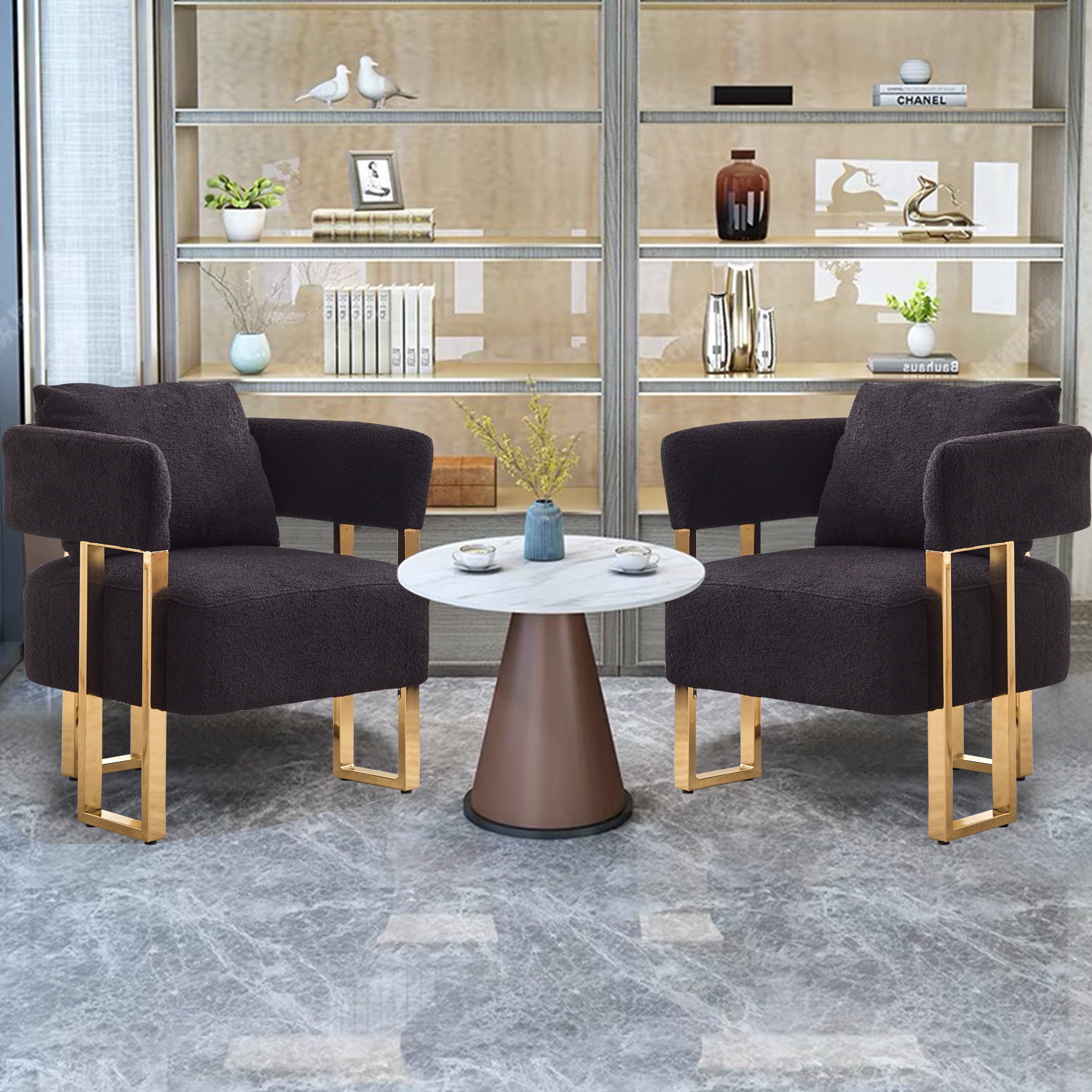
Wheels often give away a chair's "office" origins, making it look utilitarian. A non-wheeled chair, however, can easily blur the lines between office furniture and home decor. Designers are increasingly crafting non-rolling office chairs that resemble elegant dining chairs, cozy accent chairs, or mid-century modern masterpieces. They feature sleeker lines, wooden legs, or upholstered bases that contribute to a room's aesthetic rather than detracting from it. This is perfect for home offices that double as a guest room or a library corner, where you want comfort without the clinical look of an office.
Advantages at a Glance
- Protects Floors: No scratches on hardwood, tile, or laminate.
- Eliminates Mat: Saves money and preserves floor aesthetics.
- Stable Positioning: Stays perfectly placed for optimal ergonomics.
- Quieter Operation: No rumble of wheels on hard floors.
- Design Versatility: Blends seamlessly with home decor.
Considerations
- Reduced Mobility: You must stand up to move to another part of the room.
- Carpet Drag: On plush carpets, glides can create more friction than wheels.
- Not for Multi-Tasking: Less ideal if you frequently slide between different workstations.
Who is the Ideal Candidate for a Wheel-less Chair?
The beauty of this category is its broad appeal. It's not just for one type of person.
- The Design-Conscious Homeowner: You’ve invested in beautiful floors and decor. A non-wheeled chair is a piece of furniture, not just a tool.
- The Focused Professional: You thrive on consistency and find constant movement distracting. A fixed-position chair anchors you to your workflow.
- The Minimalist: You despise clutter, including the visual weight of a floor mat. A chair without wheels simplifies your space.
- Users with Mobility Aids: For individuals who use a cane or walker, a stationary chair can be easier and safer to approach and sit in than a chair that might roll away.
Ergonomics Don't Take a Holiday
A common misconception is that removing wheels means sacrificing ergonomics. This is absolutely false. A high-quality ergonomic stationary chair is packed with the same features you'd find in its rolling counterpart. When shopping, look for:
- Adjustable Lumbar Support: Crucial for lower back health during long sitting periods.
- Seat Height Adjustment: A pneumatic lift is still a must-have to align your knees at a 90-degree angle.
- Seat Depth Adjustment: Ensures there are 2-3 fingers width between the back of your knee and the seat pan.
- Adjustable Armrests: 3D or 4D armrests allow you to support your elbows while keeping shoulders relaxed.
- Tilt Mechanism and Tension Control: Allows for healthy dynamic sitting and recline.
The base is just the foundation; the chair's body is what supports you.
Quick Comparison: Non-Wheeled vs. Traditional Wheeled Chairs
| Feature | Non-Wheeled Chair (Glide/Fixed Base) | Traditional Wheeled Chair |
|---|---|---|
| Floor Protection | Excellent for hard floors; no mat needed | Often requires a mat to prevent scratches |
| Mobility | Stationary; must stand to move | High; easily rolls across the room |
| Positional Stability | Perfect for fixed desk setups | Can drift, requiring readjustment |
| Aesthetic Integration | High; can look like regular furniture | Often distinctly "office" looking |
| Best Workspace | Home offices, studios, executive suites | Dynamic office environments, cubicles |
Making the Right Choice: A Simple Guide
Selecting your perfect chair comes down to a few simple questions:
- What is your floor type? Hardwood/Tile → Strongly consider non-wheeled. Thick Carpet → Either can work, but check glide material.
- Do you hate your floor mat? Yes → Non-wheeled is your answer.
- Do you need to slide between a desk and a drawing board? Yes → You likely need wheels. No → A stationary chair is a viable and often superior option.
- Is your office also a guest room or a visible part of your home? Yes → A stylish non-wheeled chair will look much more intentional.
By answering these, you'll have a clear path to the chair that best serves your life and work.
Frequently Asked Questions About Non Wheeled Office Chairs
Conclusion: Anchor Your Productivity with the Right Foundation
The non wheeled office chair represents a thoughtful shift in how we think about workspace seating. It challenges the status quo by prioritizing stability, floor care, and aesthetic integration over traditional mobility. For the home professional, the design enthusiast, or anyone tired of scratched floors and drifting chairs, this category offers a compelling and often superior alternative.
By focusing on the same ergonomic principles that govern all good seating—adjustable support, comfort, and fit—and pairing them with a stationary base, you can create a workspace that is not only healthier and more productive but also more beautiful. It’s a choice that says you value intentionality in every aspect of your environment. Explore the options above and find the anchor your home office has been waiting for.