
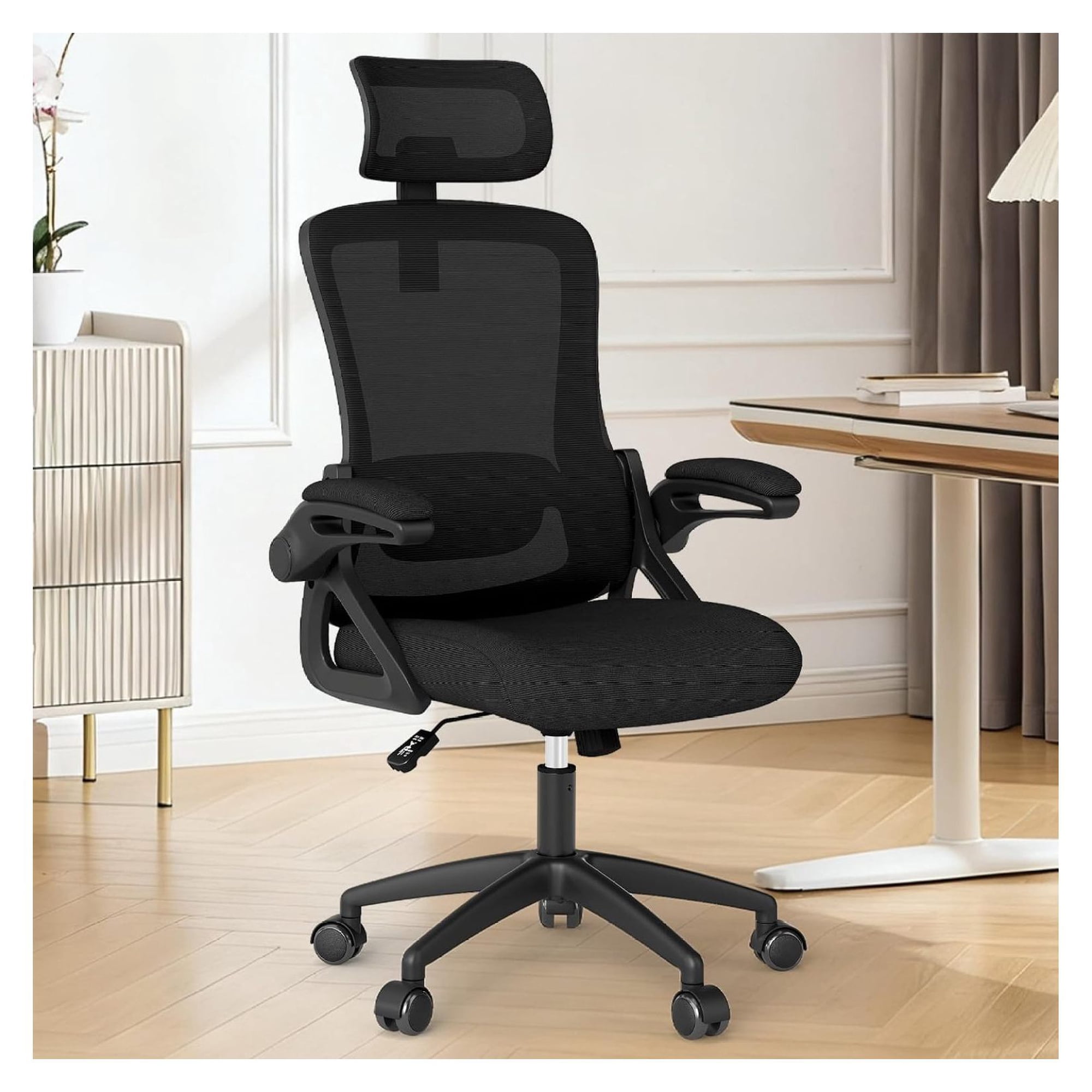
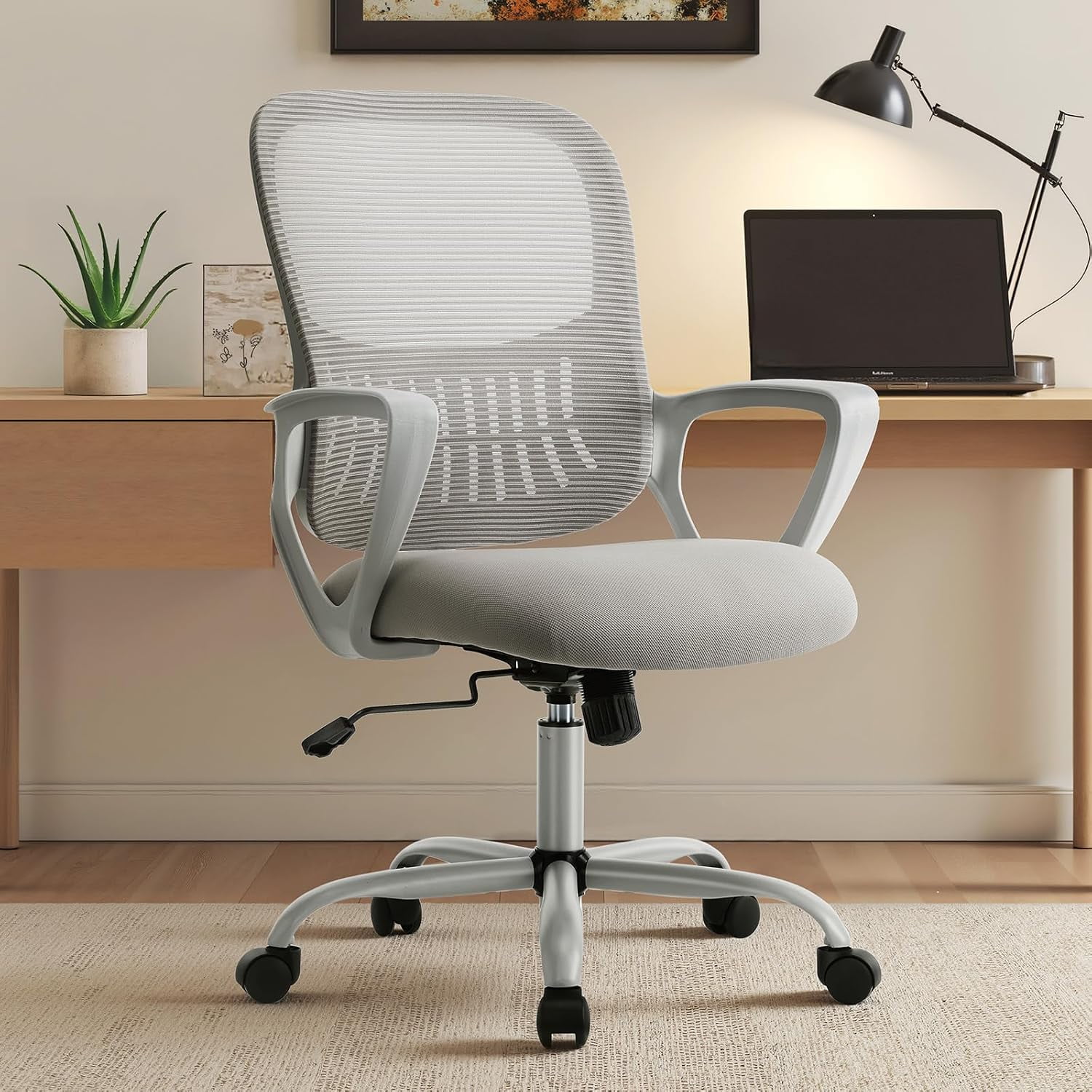
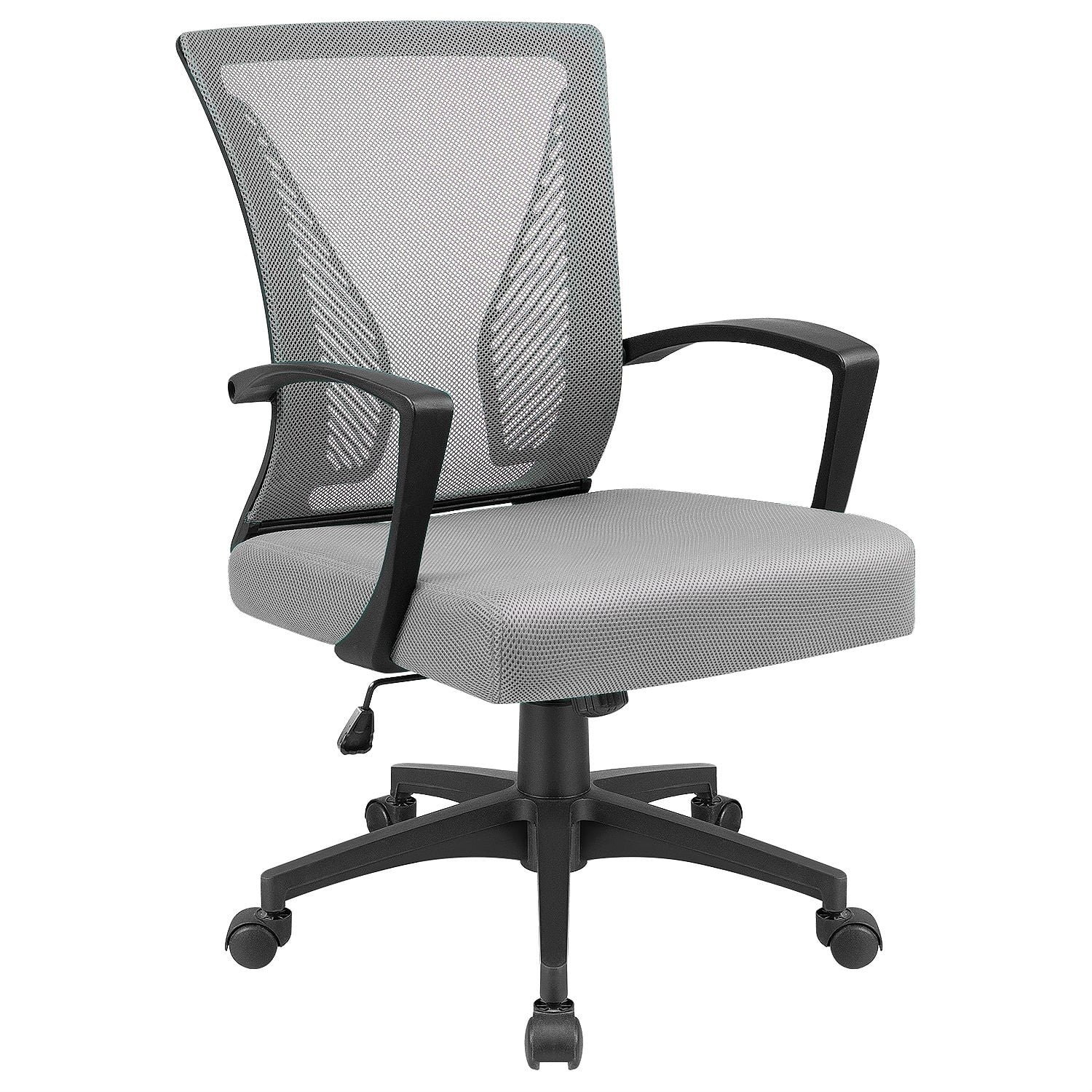
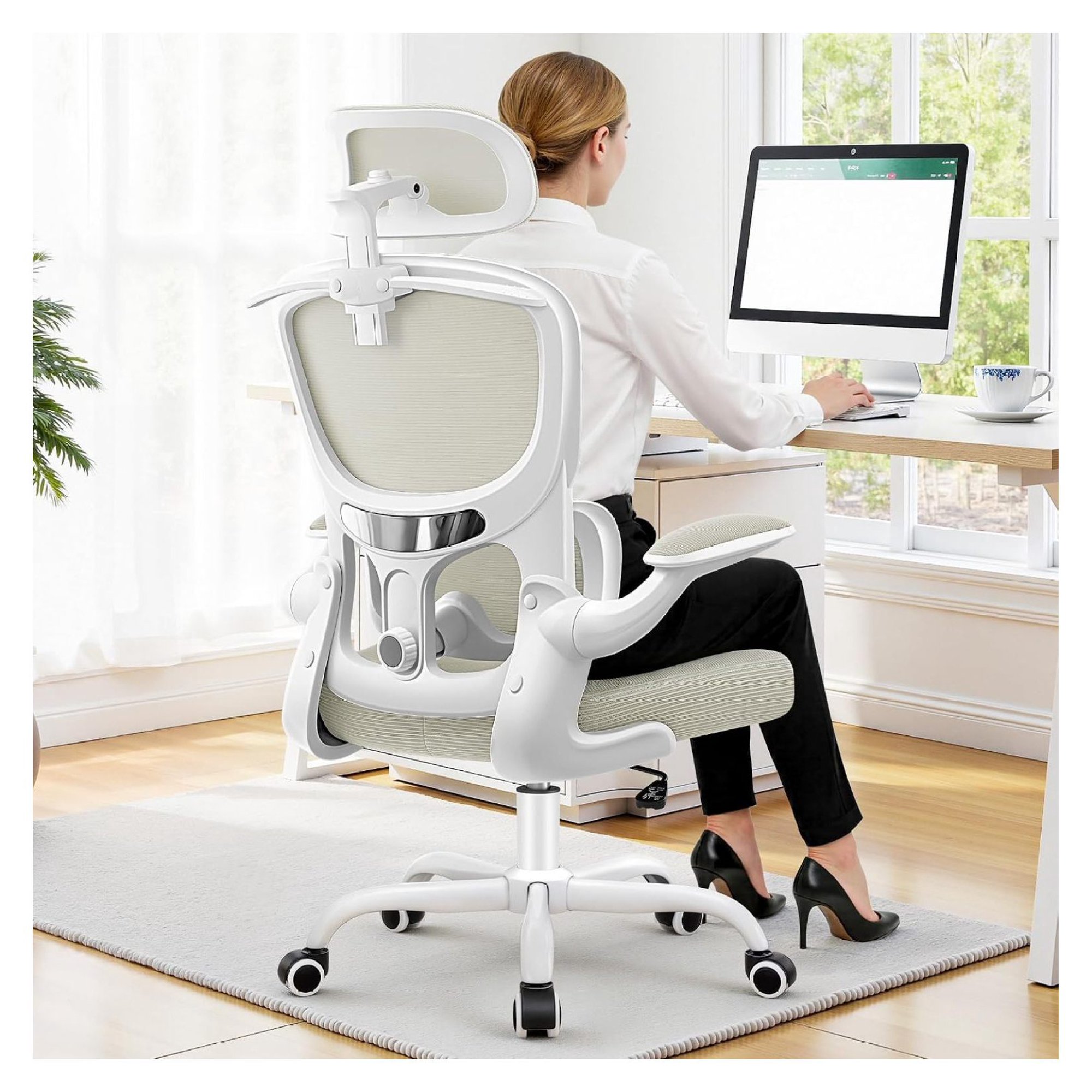
1. The Modern Professional's Secret: Why Mesh Lumbar Support Matters
Think of your spine as a bridge's suspension cable. Without proper support in the right place, the whole structure sags, leading to stress and eventual failure. Your mesh lumbar support office chair acts as that critical support pylon for your lower back. But unlike traditional padded chairs that can feel like a hot, stiff board, mesh brings a revolution: breathable, dynamic tension that moves with you.
According to a 2023 ergonomics study published in the 'Journal of Workplace Health', employees using chairs with breathable mesh backs and adjustable lumbar support reported 52% less lower back discomfort by the end of the workday compared to those using generic foam-backed chairs. Why? Because mesh allows air to circulate, preventing the micro-climate of sweat that leads to restlessness and fidgeting. More importantly, the lumbar support—when properly positioned—keeps the pelvis aligned, reducing the slouching that compresses spinal discs.
2. The Science of the Sling: How Mesh Conforms to Your Lumbar Curve
The magic of a mesh back isn't just the holes; it's the tension. High-quality mesh is woven from resilient polymers (like DuPont™ Sorona or similar) that act like a hammock for your back. Here's a deeper look at what makes a superior mesh lumbar support system:
2.1. Tension Mapping vs. Static Foam
Traditional foam offers a single density of support. A good mesh back, however, creates a "tension map." The weave is often tighter in the lumbar region and looser in the upper back. This creates a zone-specific feel: firm, propulsive support right where you need it in your lower back, and more flexible, shoulder-blade-friendly give up top. This isn't just comfort—it's intelligent biomechanics.
- Dynamic Response: When you lean forward slightly, the mesh tension releases momentarily, then gently pushes you back towards neutral. It encourages micro-movements, which pump blood and nutrients into spinal discs.
- Heat Dissipation: Mesh acts like a radiator. It wicks away body heat. A 2021 study by the Technical University of Denmark noted that users of mesh-back chairs had a 1.5°F lower skin temperature in the back region after 2 hours, leading to a 15% reduction in reported fatigue.
- Contour Adaptation: Unlike a leather chair that you "sit on," a mesh chair you "sit in." The mesh wraps slightly around your torso's shape, providing a subtle lateral support that foam padding struggles to achieve without being bulky.
2.2. Decoding Lumbar Adjustability: It's Not One-Size-Fits-All
The phrase "lumbar support" is meaningless if it can't be adjusted. Your lumbar curve (lordosis) is unique. A chair designed for a 5'2" person will feel completely different for someone who is 6'1". Here's what to look for in a premium mesh lumbar support office chair:
- Height-Adjustable Lumbar: This moves the support pad or tensioned area up and down. You want the firmest part of the mesh to hit the apex of your lower back curve—usually right around your belt line.
- Depth/Tension-Adjustable Lumbar: This is the premium feature. It controls how much the lumbar area protrudes forward. A dial or lever increases or decreases the curve. You want it to fill the void in your back without pushing you uncomfortably forward.
- Segmented Support: Some advanced chairs split the backrest into a firm lumbar zone and a flexible upper zone. This allows the chair to move with you during twisting or reaching tasks while maintaining lower back lockdown.
Analogy: Think of your spine as a stack of coins. Proper lumbar support keeps those coins stacked perfectly straight. Without it, the stack leans and eventually topples. A mesh chair with adjustable lumbar is like having a hand gently holding the stack in perfect alignment, even as you shift.
2.3. Mesh Myths: Durability, Cleaning, and Weight Capacity
Some professionals worry mesh might sag or tear. Let's debunk that. High-tensile mesh used in contract-grade (office-heavy-use) chairs is incredibly strong.
| Myth | Reality |
|---|---|
| Mesh will sag over time | Quality mesh is designed with a specific tension memory. It can withstand millions of flex cycles. Sagging usually only occurs in ultra-cheap chairs with poor polymer blends. |
| Mesh is hard to clean | On the contrary! A vacuum with a brush attachment easily removes dust. Spills can be blotted with a damp cloth. It doesn't absorb liquids like foam, preventing stains and odors. |
| Mesh can't support heavy users | False. Many big-and-tall mesh chairs are rated for 400+ lbs. The mesh itself is strong; the frame and base are the real load-bearers. Look for reinforced aluminum frames. |
3. Health Benefits: Beyond Just a Cool Back
4. Quick Selection Guide: Your Mesh Lumbar Checklist
Before you click 'add to cart', run through this checklist to ensure you're getting genuine value.
- Mesh Grade: Opt for chairs that specify 'high-tensile', 'pellicle', or '8-zone tension' mesh. Avoid generic, loose-weave mesh that looks like it will stretch out.
- Lumbar Mechanism: Is it simply a passive curve, or can you actively adjust it? Active adjustment (lever/knob) is always better.
- Seat Depth: Mesh back is great, but the seat matters too. Look for a seat with responsive foam and a 'waterfall edge' to prevent thigh pressure.
- Tilt Mechanism: A synchronized tilt mechanism that lets your backrest recline while the seat tilts slightly forward keeps your head over your hips and maintains lumbar contact even when leaning back.
- Return Policy: A 30-day return policy is essential. You need to feel if the lumbar hits the right spot for your unique body.
5. Frequently Asked Questions About Mesh Lumbar Chairs
6. Conclusion: Invest in Your Back's Best Friend
Choosing a mesh lumbar support office chair is one of the most impactful investments you can make for your professional life and long-term spinal health. It's the intersection of modern material science and ergonomic necessity. You're not just buying a place to sit; you're buying a platform for sustained focus, energy, and physical well-being. Prioritize adjustability, seek out quality mesh tension, and listen to your body. Your back will thank you, even after the longest of workdays.
Final thought: The best chair is the one you forget you're sitting in because you're so comfortable and supported. A great mesh lumbar chair achieves exactly that.