
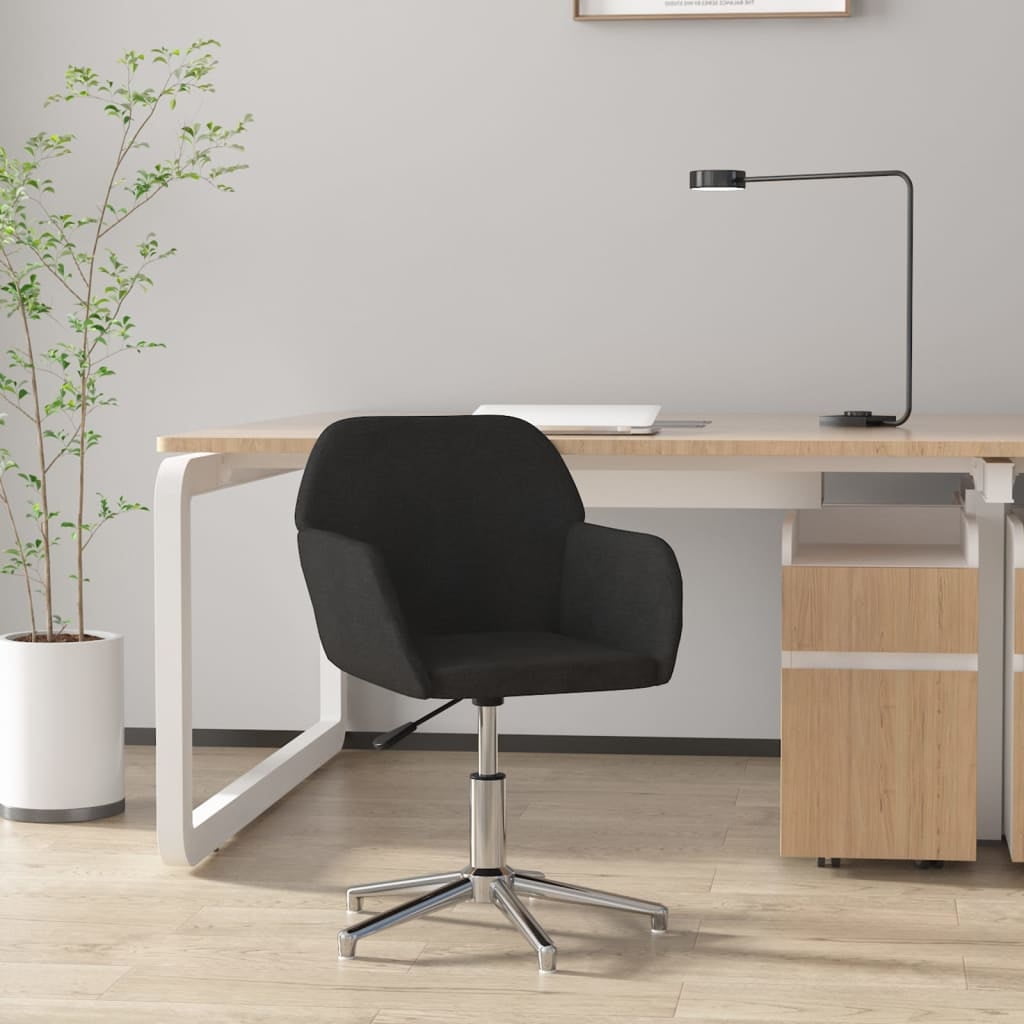
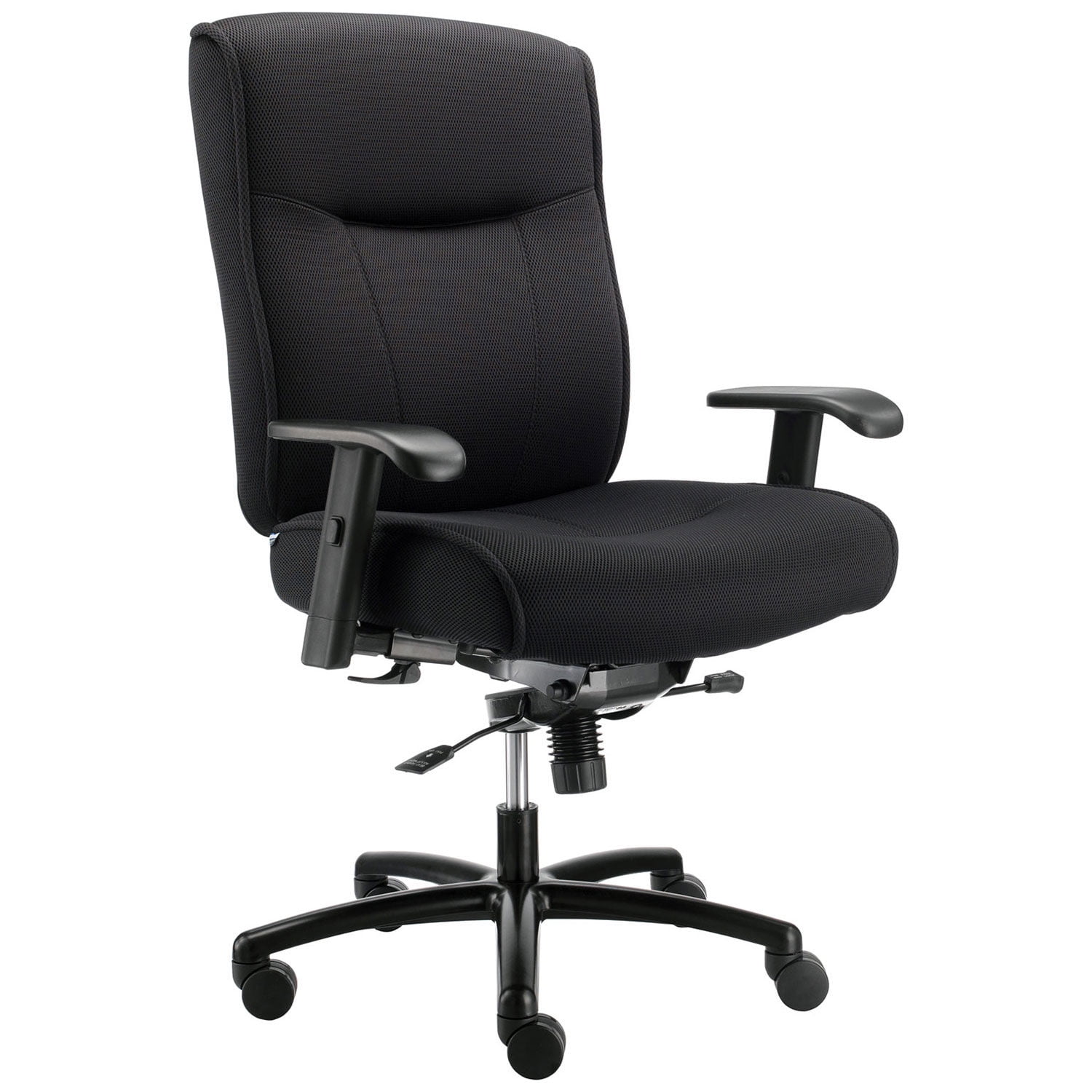
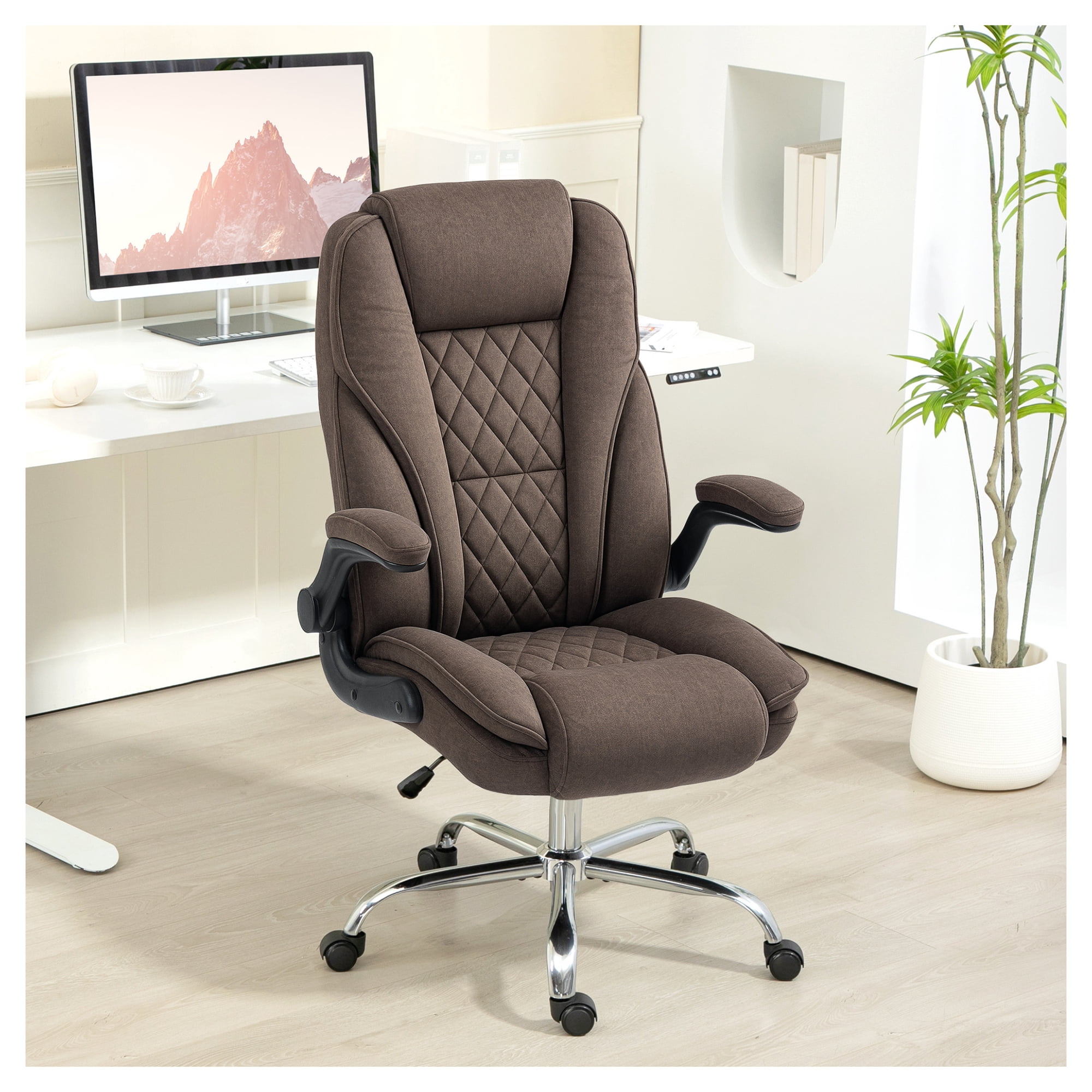
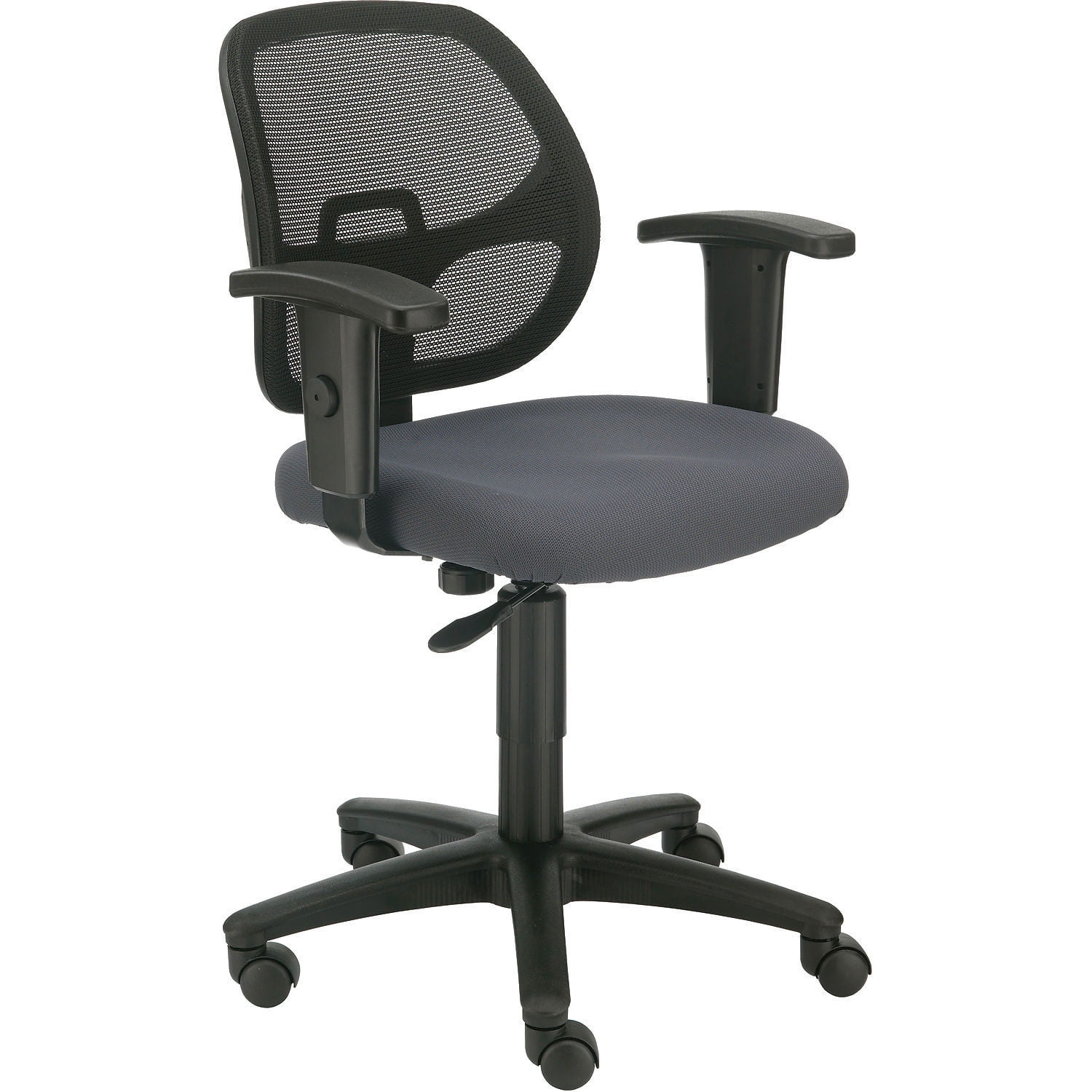
Why a Fabric Office Chair With Arms Might Be Your Best Work Companion
Imagine sinking into a chair that feels like a favorite well-worn jacket—supportive, breathable, and inviting. That is the essence of a high-quality fabric office chair with arms. While leather chairs project a certain corporate sharpness and mesh chairs scream 'high-tech,' fabric chairs offer something different: a quiet, sophisticated comfort that makes a workspace feel more like a personal sanctuary.
For many professionals, the choice of chair material is as important as the ergonomic features themselves. A fabric office chair with arms strikes a beautiful balance. It provides the plushness that some find lacking in mesh, without the temperature extremes (sticky in summer, cold in winter) often associated with leather or bonded leather alternatives. Whether you are equipping a home office, a creative studio, or a executive corner office, fabric brings a warmth and texture that other materials simply cannot replicate.
The Anatomy of a Great Fabric Office Chair With Arms
Choosing the right fabric chair is not just about picking a color you like. It is about understanding the components that contribute to its comfort, longevity, and support. Let's break down what makes a fabric office chair with arms a worthwhile investment.
1. Fabric Quality: Beyond Just the Look
The fabric itself is the star of the show. Not all fabrics are created equal. Here is what to look for:
- Fabric Type: Look for chairs upholstered in high-performance polyester, nylon, or olefin. These synthetic fibers are stain-resistant, fade-resistant, and incredibly durable. Some premium chairs use wool blends or solution-dyed acrylics for even better colorfastness.
- Rub Count (Abrasion Resistance): This is a key indicator of durability. The 'Double Rub' count (tested via the Wyzenbeek method) tells you how much wear the fabric can withstand. For a home office, 15,000-30,000 double rubs is sufficient. For a corporate or shared office, look for 30,000+ (heavy-duty commercial grade).
- Breathability: High-quality upholstery fabric is naturally breathable. Unlike some synthetic leathers, fabric allows air to circulate, preventing that clammy feeling after hours of sitting. This passive climate control is a major health and comfort benefit.
- Stain Resistance: Many modern office chairs come with a built-in stain guard or are treated with a nano-coating that causes liquids to bead up on the surface, giving you precious seconds to blot them away.
2. Armrest Ergonomics: More Than Just a Place to Rest Your Elbows
The 'with arms' part of your search is critical for ergonomics. Fixed arms can often be more of a hindrance than a help. Here is what to prioritize:
- Adjustability (4D is the Gold Standard): The best fabric office chairs allow you to adjust the armrests in four directions: up/down (height), forward/back (depth), left/right (width), and even pivot/angle. This ensures your arms are supported while typing, allowing your shoulders to relax.
- Armrest Padding: Fabric-covered armrests with sufficient high-density foam padding prevent pressure points on your forearms and elbows. Look for 'soft' or 'cushioned' armrests in the product description.
- Width Consideration: If you are broader-shouldered or prefer a more 'open' sitting posture, look for chairs with width-adjustable arms or a design where the arms aren't too constricting.
3. Lumbar Support: The Backbone of Comfort
When sitting for long periods, your lower back needs consistent support. A good fabric chair will offer:
- Built-in Lumbar Curve: Many chairs have a pronounced lumbar curve molded into the backrest. While a good start, it may not fit every spine.
- Adjustable Lumbar Support: Superior chairs offer a lumbar support that you can raise/lower or increase/decrease in depth (tension). This allows you to dial in the exact amount of support needed to fill the natural curve of your lower back.
- External Lumbar Pillows: Some fabric chairs, particularly in the executive category, come with a detachable lumbar pillow. This can be a versatile solution, allowing you to customize the fit.
4. Seat Construction: The Foundation
The seat is where you spend most of your time. Its construction dictates comfort over the long haul.
- Foam Density: The key metric here is density, not softness. High-density foam (often measured in pounds per cubic foot) will resist sagging and maintain its shape for years. Look for terms like 'high-resiliency foam' or 'cold-cured foam.'
- Seat Depth Adjustment: A 'waterfall edge' (where the front of the seat curves down) relieves pressure on the back of your thighs. Combined with a seat slider that moves the pan forward/backward, you can ensure proper thigh support regardless of your leg length.
- Suspension System: High-end chairs use a suspension system (like sinuous springs or an elastic webbing) beneath the foam to provide a 'floating' sensation and better weight distribution, preventing you from bottoming out.
Think of it this way: Choosing a fabric office chair with arms is like buying a high-quality pair of jeans. You want denim that's durable (high rub count) but breathable, a fit that's just right (adjustable arms and lumbar), and stitching that won't unravel (robust frame construction). It's an everyday essential that should feel like it was made for you.
5. The Mechanism: The Unsung Hero
The mechanism controls the chair's movement. Key features to look for include:
- Syncro-Tilt or Multi-Position Tilt: This mechanism allows the seat and backrest to move together at a pre-set or adjustable ratio. It keeps you supported as you recline, which is crucial for dynamic sitting (changing positions throughout the day).
- Tilt Tension Adjustment: A simple knob that lets you control how much force is needed to recline. You should be able to adjust it to match your weight and preferred rocking resistance.
- Seat Height Pneumatics: A smooth, gas-lift cylinder that allows you to easily adjust the seat height so your feet are flat on the floor and your knees are at a 90-degree angle.
Fabric vs. Other Materials: A Quick Comparison
| Feature | Fabric Office Chair (with arms) | Leather/Bonded Leather | Mesh Chair |
|---|---|---|---|
| Breathability | High (natural air flow) | Low (can trap heat) | Excellent (max air flow) |
| Comfort Feel | Plush, warm, cozy | Firm, sleek, cool to touch | Supportive, bouncy, cool |
| Durability (to wear) | Very High (if high rub count) | High (top-grain) / Low (bonded) | Good (can sag over years) |
| Maintenance | Moderate (vacuum + spot clean) | Easy (wipe clean) | Easy (dust with brush) |
| Aesthetic Vibe | Inviting, residential, cozy | Executive, formal, sharp | Modern, technical, minimalist |
6. Finding the Right Size for Your Body
One of the most overlooked aspects is size. A 'one-size-fits-all' approach rarely works.
- Seat Width and Depth: If you are taller or larger-framed, look for a 'wide seat' or 'big and tall' fabric chair. These offer wider seats (22+ inches) and deeper seat pans.
- Backrest Height: For those over 6 feet tall, a 'high-back' fabric chair provides crucial support for the upper back and shoulders. Some even come with an adjustable headrest.
- Weight Capacity: Always check the manufacturer's stated weight capacity. For enhanced durability and safety, look for chairs rated at least 50 pounds above your weight. Many fabric 'big and tall' chairs are rated for 400-500 lbs.
Step-by-Step: How to Test a Fabric Office Chair With Arms
Before you commit (especially if buying online with a good return policy or in-store), here is a 3-step test you can perform:
- The 15-Minute Sit: Sit in the chair for at least 15 minutes. Don't just perch; work as you normally would—type on a laptop, read a document. Pay attention to any hotspots (backs of thighs, shoulders) or pressure points.
- The Adjustment Check: Go through all the adjustments: raise/lower the seat, lock/recline the back, and move the armrests through their full range. Do the levers feel solid? Is the movement smooth?
- The Lean-Back Test: Lean back in the chair with your feet off the floor (carefully!). Does the chair feel stable? Does the backrest support your spine through the full range of motion, or does it feel like it might tip?
Frequently Asked Questions About Fabric Office Chairs With Arms
Conclusion: Investing in Your Daily Comfort
A fabric office chair with arms is more than just a place to sit; it is an investment in your daily well-being and productivity. By understanding the nuances of fabric quality, the critical importance of adjustable arms, and the underlying ergonomic mechanisms, you can move beyond aesthetics and make a choice that supports your body for years to come.
Whether you prioritize the cozy, inviting feel of a plush fabric, the breathability that keeps you cool, or the sophisticated texture it adds to your office, there is a perfect fabric chair out there for you. Use this guide as your roadmap, and you will find a chair that not only looks great but feels like it was made just for you.