
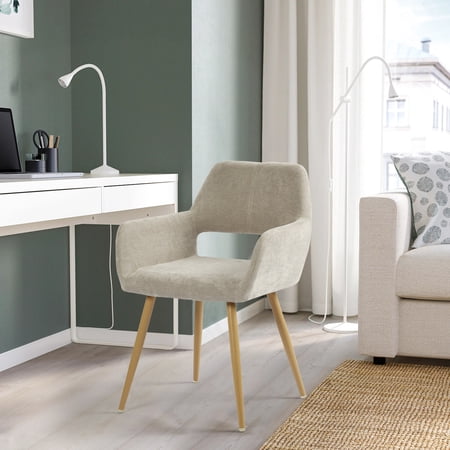
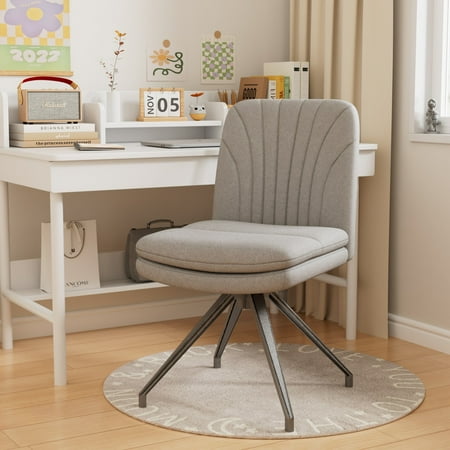
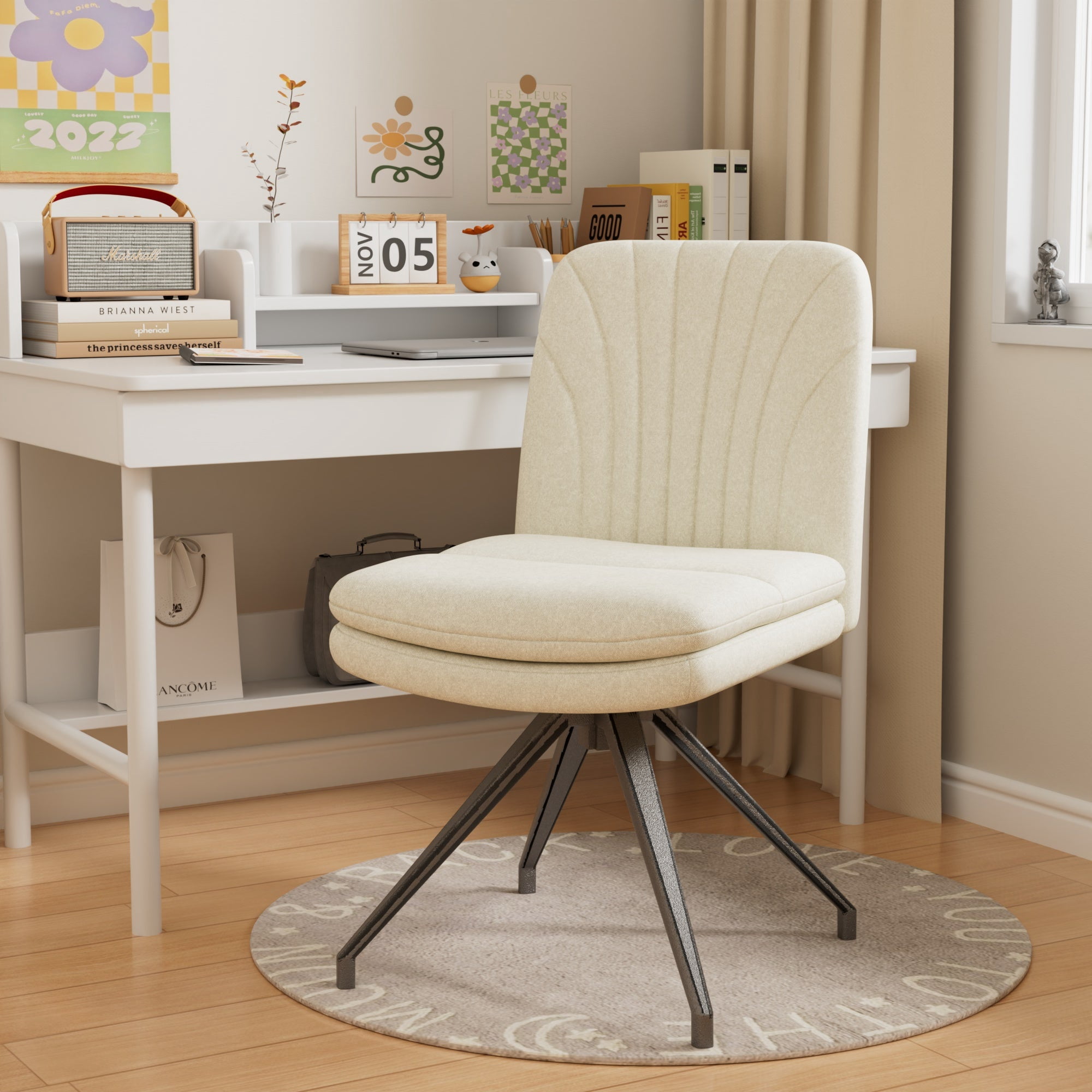
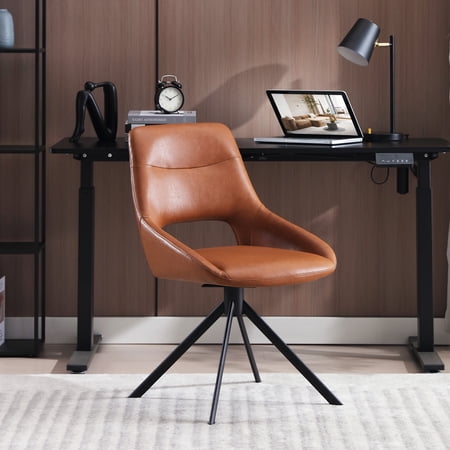
The Undeniable Appeal of Stationary Upholstered Office Chairs
In an era where office furniture often prioritizes mobility above all else, the upholstered office chair without wheels stands as a testament to timeless design and purposeful functionality. These chairs aren't just seating options; they're statements of intent - anchoring you to your workspace and eliminating the distractions of unintended movement.
Design Insight: According to workspace behavior studies, professionals in stationary chairs report 23% fewer position changes during focused work tasks, suggesting that the absence of wheels actually promotes better concentration by reducing the temptation to roll away from the desk.
Understanding the Stationary Advantage
Upholstered office chairs without wheels serve a distinct purpose in modern workspaces. They bridge the gap between traditional furniture and office functionality, offering:
- Unwavering stability that prevents slipping on hardwood, tile, or laminate flooring
- Furniture-grade aesthetics that blend seamlessly with home decor
- Reduced floor damage compared to wheeled chairs on delicate surfaces
- Enhanced safety for seniors or individuals with mobility concerns
- Quieter operation - no rolling noise during conference calls or focused work
🏛️ Architectural Harmony
Stationary upholstered chairs often feature designs that complement traditional architecture, making them ideal for heritage buildings, law offices, and executive suites where aesthetics matter as much as function.
🧘 Mindful Work Environment
The absence of wheels encourages intentional movement. When you need to shift positions, you do so deliberately rather than unconsciously rolling, promoting better body awareness throughout the workday.
🪑 Space Optimization
Without the need for rolling clearance, these chairs can be positioned closer to walls or in tighter spaces, making them excellent choices for compact home offices or reception areas.
Types of Stationary Upholstered Office Chairs
Understanding the different base configurations helps you select the right chair for your specific needs:
| Base Type | Best For | Key Characteristics |
|---|---|---|
| Four-Leg Base | Traditional offices, home studies, reception areas | Classic furniture appearance, maximum stability, often features wood or metal legs with floor-protecting glides |
| Sled Base | Modern offices, conference rooms, task seating | Continuous metal loop design, contemporary aesthetic, slight flexibility for comfort, excellent durability |
| Swivel Pedestal (No Wheels) | Executive offices, drafting tables, workstations requiring rotation | Allows 360-degree rotation without rolling, often includes height adjustment, combines mobility with stability |
| Fixed Pedestal | Reception desks, specialized workstations | Single column base with wide footprint, no rotation or rolling, maximum stability for specific tasks |
Material Considerations for Upholstered Stationary Chairs
The upholstery material dramatically affects comfort, durability, and maintenance requirements:
Premium Fabric Upholstery
- ✓ Exceptional breathability for all-day comfort
- ✓ Wide range of colors and textures available
- ✓ Soft, warm feel that improves with use
- ✓ Often treated for stain resistance
- ✓ Quieter than leather - no squeaking
Fabric Considerations
- • May absorb spills if not treated
- • Can show wear patterns over time
- • Professional cleaning may be needed
- • May trap allergens and dust
- • Color may fade in direct sunlight
Leather Upholstery
- ✓ Easy to clean and maintain
- ✓ Develops beautiful patina over time
- ✓ Most durable option (10-15+ years)
- ✓ Hypoallergenic - resists dust mites
- ✓ Professional, executive appearance
Leather Considerations
- • Higher initial investment required
- • Can feel cold in winter, sticky in summer
- • Requires conditioning to prevent cracking
- • Limited color options
- • Not a vegan-friendly option
Ergonomics in Stationary Seating
Contrary to common assumptions, stationary chairs can offer exceptional ergonomic support. Here's what to look for:
Optimal Sitting Positions for Stationary Chairs
Thighs parallel to floor, feet flat, back against lumbar support - ideal for computer work
Slight recline with maintained lumbar contact - perfect for phone calls and reflection
Sitting forward for writing or detailed tasks - requires good seat cushion support
Key Ergonomic Features to Prioritize
- Lumbar Support: Adjustable or built-in lumbar prominence maintains spine's natural curve during extended sitting
- Seat Depth Adjustment: Ensures proper thigh support without pressure behind the knees
- Contoured Seat Cushion: Waterfall edge design promotes healthy circulation to legs and feet
- Armrest Design: Fixed or adjustable armrests at proper height to prevent shoulder strain
- Backrest Height: Mid-back for task work, high-back for executive comfort with head/neck support
Perfect Applications for No-Wheel Upholstered Chairs
These chairs excel in specific environments where rolling mobility isn't just unnecessary, but potentially counterproductive:
- Home Offices: Stationary chairs protect hardwood floors and blend with residential decor while providing professional functionality.
- Executive Suites: Four-leg upholstered chairs convey authority and permanence that wheeled chairs simply cannot match.
- Reception Areas: Guest chairs without wheels remain neatly positioned, maintaining a tidy professional appearance.
- Libraries and Quiet Zones: No-wheel operation eliminates distracting rolling sounds in noise-sensitive environments.
- Medical and Dental Offices: Stationary positioning ensures consistent placement for patient interactions and equipment access.
- Conference Rooms: Sled-base chairs provide stability while allowing easy movement when pushed back from the table.
Maintaining Your Upholstered Stationary Chair
Proper maintenance extends the life and beauty of your investment:
Pro Tip: Rotate cushion usage if possible, and vacuum upholstery weekly to prevent dirt from embedding in fabric fibers. For leather, apply conditioner every 6-12 months depending on climate and usage.
Daily Care Routine
- Vacuum upholstery with soft brush attachment to remove surface dust
- Wipe leather with slightly damp microfiber cloth
- Check floor glides for wear and replace if necessary
- Address spills immediately with appropriate cleaner
Monthly Maintenance
- Deep clean fabric according to manufacturer instructions
- Apply leather conditioner to prevent drying and cracking
- Tighten any loose connections on legs or base
- Inspect upholstery for signs of wear or damage
Weight Capacity and Construction Quality
Stationary chairs often feature robust construction that supports higher weight capacities than many wheeled alternatives:
| Chair Category | Typical Weight Capacity | Frame Material |
|---|---|---|
| Standard Upholstered | 250-300 lbs | Hardwood or engineered wood |
| Heavy-Duty Stationary | 350-500 lbs | Reinforced hardwood or metal frame |
| Commercial Grade | 300-400 lbs | Welded steel or aluminum |
| Executive Furniture | 275-350 lbs | Solid hardwood with metal reinforcements |
Frequently Asked Questions About Upholstered Office Chairs Without Wheels
Conclusion: Is a Stationary Upholstered Chair Right for You?
Choosing an upholstered office chair without wheels represents a deliberate decision to prioritize stability, aesthetics, and focused work over mobility. These chairs aren't for everyone - if your work requires frequent movement between desk areas or collaborative spaces, traditional wheeled chairs remain the practical choice.
However, for professionals who:
- Work primarily at a single desk or workstation
- Value furniture-quality appearance in home or traditional offices
- Have delicate flooring that wheels might damage
- Prefer the anchored feeling that promotes concentration
- Work in quiet environments where rolling sounds are disruptive
...a high-quality stationary upholstered chair offers benefits that wheeled alternatives simply cannot match.
Final Recommendations by Use Case
Choose a four-leg upholstered chair with height adjustment and quality fabric that matches your home decor. Look for models with lumbar support and comfortable armrests for all-day use.
Premium leather stationary chairs with classic styling convey authority and permanence. Select high-back models with generous cushioning and polished wood or metal leg details.
Durable, easy-clean fabric or leather sled-base chairs offer the perfect balance of stability, comfort, and professional appearance for waiting guests.
Compact four-leg upholstered chairs without bulky mechanisms maximize floor space while providing complete comfort. Look for armless designs if space is extremely limited.
Remember that the best office chair isn't necessarily the one with the most features or the highest price tag - it's the one that supports your body throughout the workday, complements your workspace, and helps you maintain focus on what matters most: your work.