
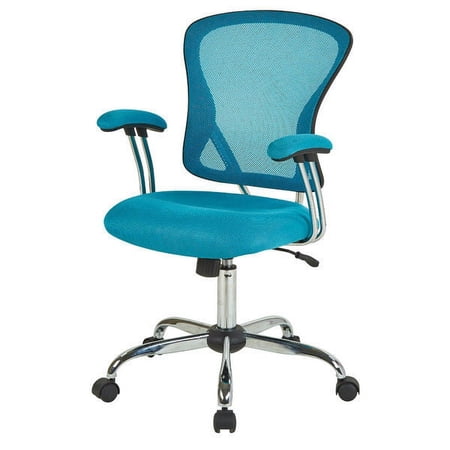
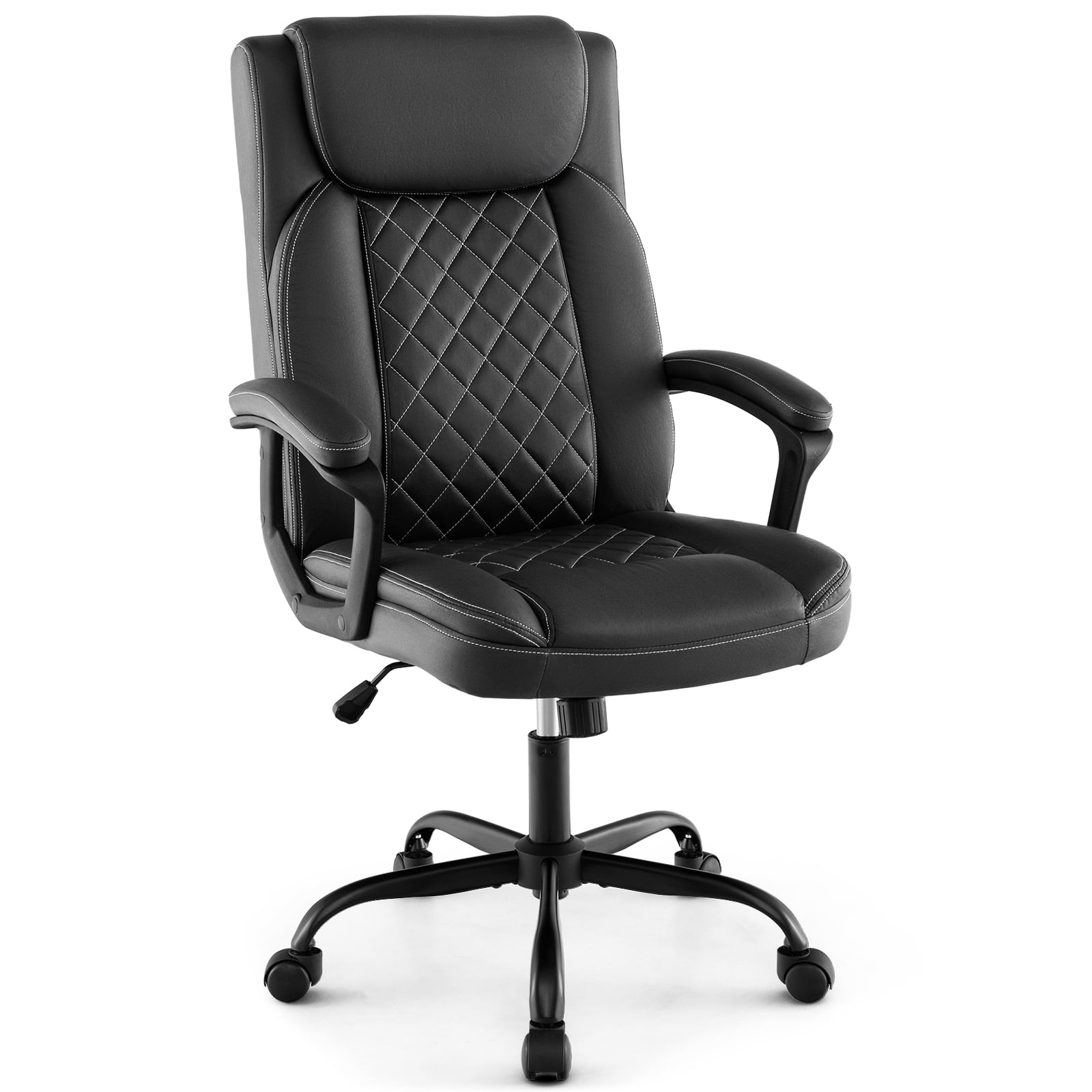
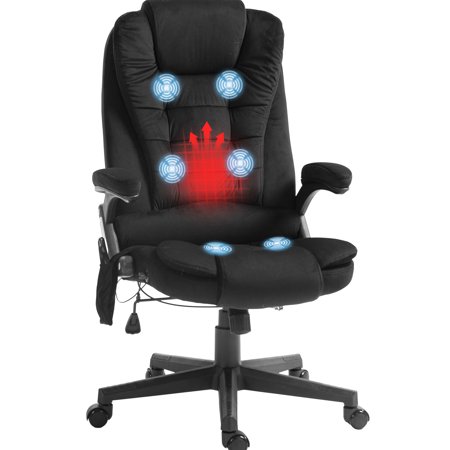
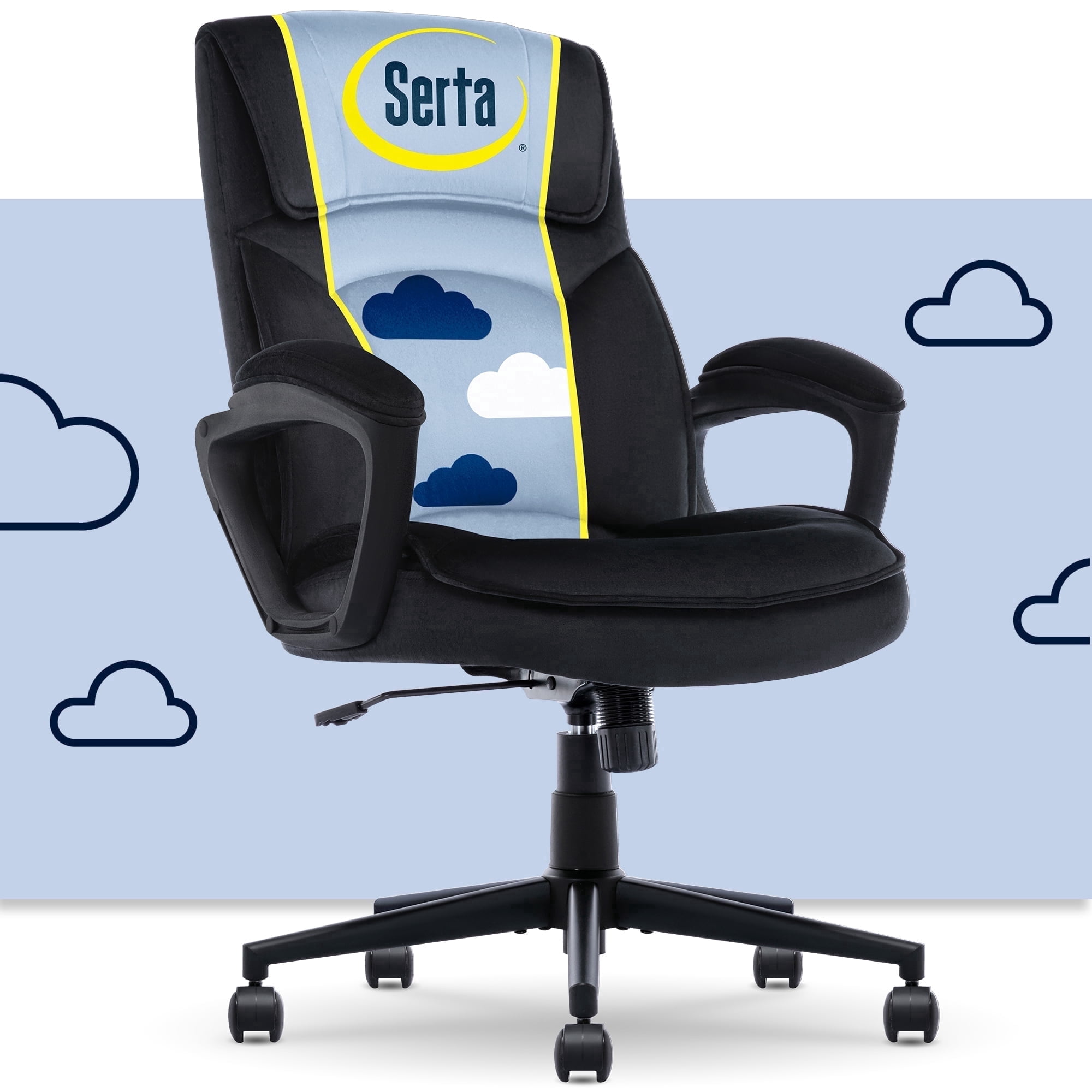
The Hidden Hero of Ergonomic Seating: Padded Armrests
When we think of office chair comfort, we often focus on lumbar support or seat cushion thickness. But there's an unsung hero that plays a pivotal role in your daily well-being: the office chair padded armrest. Imagine driving a car for hours without being able to rest your elbows—your shoulders would soon scream for relief. The same happens at your desk. Padded armrests are not just a luxury; they are an ergonomic necessity that can prevent chronic neck and shoulder pain.
According to a study by the Human Factors and Ergonomics Society, proper arm support can reduce muscle activity in the upper trapezius (shoulder area) by up to 25%. This means less tension, fewer headaches, and more energy at the end of the day. In this guide, we'll dive deep into why padded armrests matter, how to choose the right padding, and what features separate a good armrest from a great one.
Beyond Basic Support: The Science and Art of Armrest Padding
1. The Ergonomic Chain Reaction: How Armrests Affect Your Whole Body
Your body works as an interconnected system. When your arms are unsupported, your shoulders instinctively hunch to stabilize them. This leads to a forward head posture, rounding of the upper back, and eventually lower back strain as your body compensates. Padded armrests break this chain. By providing a soft, stable platform for your forearms, they allow your shoulder girdle to relax. Your elbows stay close to your body at a comfortable 90-100 degree angle, keeping your wrists straight for typing. The result? A cascade of positive effects: open chest, aligned spine, and reduced pressure on the cervical vertebrae.
A 2021 review in Applied Ergonomics highlighted that workers using chairs with adequately padded and adjustable armrests reported 32% less discomfort in the neck and shoulders compared to those with hard or non-adjustable armrests. The padding absorbs micro-impacts from typing and fidgeting, further reducing strain.
2. Anatomy of a Perfectly Padded Armrest: Materials Matter
Not all padding is created equal. Here’s a breakdown of what you’ll find inside those cushy rests:
- Memory Foam: Molds to the unique shape of your forearm, distributing pressure evenly. It's excellent for reducing hot spots but can retain heat. Look for gel-infused versions.
- High-Density Polyurethane Foam: Offers firm, consistent support that doesn't flatten over time. It provides a stable base and is often used in premium chairs.
- Sponge Foam (Low Density): Soft initially but compresses quickly, leading to "bottoming out" and loss of support. Common in budget chairs.
- Gel Inserts: Often combined with foam, gel helps dissipate heat and adds a plush, cooling feel. Ideal for warm environments or long sessions.
- Breathable Fabric Covers: Mesh or high-quality weave allows air circulation, preventing sweaty arms. Leatherette is easy to clean but may feel sticky in heat.
Ergonomist's Tip: Press the armrest with your thumb. It should depress slightly but spring back quickly. If it feels like a rock or collapses to the plastic base, keep looking.
3. Adjustability: The Secret Sauce for Personalized Comfort
Fixed armrests are like one-size-fits-all hats—they rarely fit perfectly. For true ergonomic benefit, your office chair padded armrest should offer adjustability. Here's what to look for:
- Height Adjustment: Lets you align the armrest with your desk surface so your elbows form a 90-degree angle. Essential for avoiding shoulder shrug.
- Width Adjustment: Allows you to move armrests closer or farther apart to match your shoulder width. Prevents you from leaning to one side.
- Depth Adjustment (Slide): The armrest pad can move forward or backward. This ensures support for your forearm whether you're typing close or leaning back.
- Pivot/Angle Adjustment: Some high-end chairs let you tilt the pad to match your natural arm angle when reclining.
Chairs with "4D" armrests offer all these adjustments, providing a tailored fit that can make a world of difference. If budget allows, prioritize 3D or 4D armrests.
4. Shape and Size: Contoured vs. Flat Pads
The shape of the padded top influences comfort significantly. Flat, wide pads are great for those who rest their entire forearm. Contoured pads with a slight depression cradle the arm and prevent it from sliding off. Some designs feature a soft, rounded edge to avoid pressure on the inner elbow (ulnar nerve). Think of it like a well-designed pillow—it should support without digging in.
5. Durability and Maintenance: Keeping the Comfort Alive
Padded armrests endure constant contact with skin, oils, and occasional spills. Over time, cheap foam can disintegrate or the cover may peel. To ensure longevity:
- Look for chairs with replaceable armrest pads—a sign the manufacturer expects long-term use.
- Choose covers that are wipeable (leatherette, treated fabric) or removable for washing.
- Check the warranty: A 5-year or longer warranty on parts indicates confidence in padding durability.
6. Who Benefits Most from Padded Armrests?
While everyone benefits, certain groups find them indispensable:
- Heavy Typists/Programmers: Constant keyboard use requires stable, cushioned arm support to prevent carpal tunnel aggravation.
- Individuals with Shoulder/Neck Issues: Proper arm support offloads the cervical spine, providing relief from conditions like stiff neck or tension headaches.
- Multi-taskers who take notes: Leaning on a hard armrest while writing can cause elbow bursitis. Padding protects the olecranon bursa.
- Big & Tall Users: Extra body weight means more pressure on bony prominences. Thicker, high-density padding is crucial for comfort.
7. Common Myths About Padded Armrests Debunked
- Myth: "Armrests are only for reclining."
Fact: Active workers use armrests for micro-breaks—resting arms while reading or thinking—which reduces cumulative fatigue. - Myth: "Softest padding is best."
Fact: Too soft lacks support and can cause arm instability, making you work harder to keep arms steady. - Myth: "You don't need padding if you have good posture."
Fact: Even with perfect posture, gravity pulls your arms down. Padding absorbs that force, reducing muscle effort.
8. Quick Comparison: Types of Armrest Padding
| Padding Type | Feel | Durability | Best For |
|---|---|---|---|
| Memory Foam | Slow-slow, contouring | Good (with care) | Pressure relief |
| High-Density Foam | Firm, supportive | Excellent | Long-term, heavy use |
| Gel-Infused Foam | Plush, cool | Good | Warm climates, hot flushes |
| Low-Density Sponge | Soft, flimsy | Poor | Occasional use, budget |
By understanding these nuances, you're now equipped to evaluate chairs not just by their looks, but by the true comfort they deliver through their padded armrests.
Frequently Asked Questions About Office Chair Padded Armrests
Conclusion: Invest in Comfort That Works for You
Your office chair is a tool for productivity, and the office chair padded armrest is a critical component that directly impacts your physical well-being. Don't underestimate the difference a few inches of quality foam can make. From reducing the risk of chronic pain to enhancing focus through comfort, padded armrests are a small feature with a massive return on investment.
When shopping, prioritize adjustability, material quality, and shape that suits your build. Whether you're a CEO, a developer, or a work-from-home parent, your arms deserve a soft place to land. Use the product grid above to explore top-rated chairs with excellent padded armrests, and take the next step toward a healthier, more comfortable workday.