

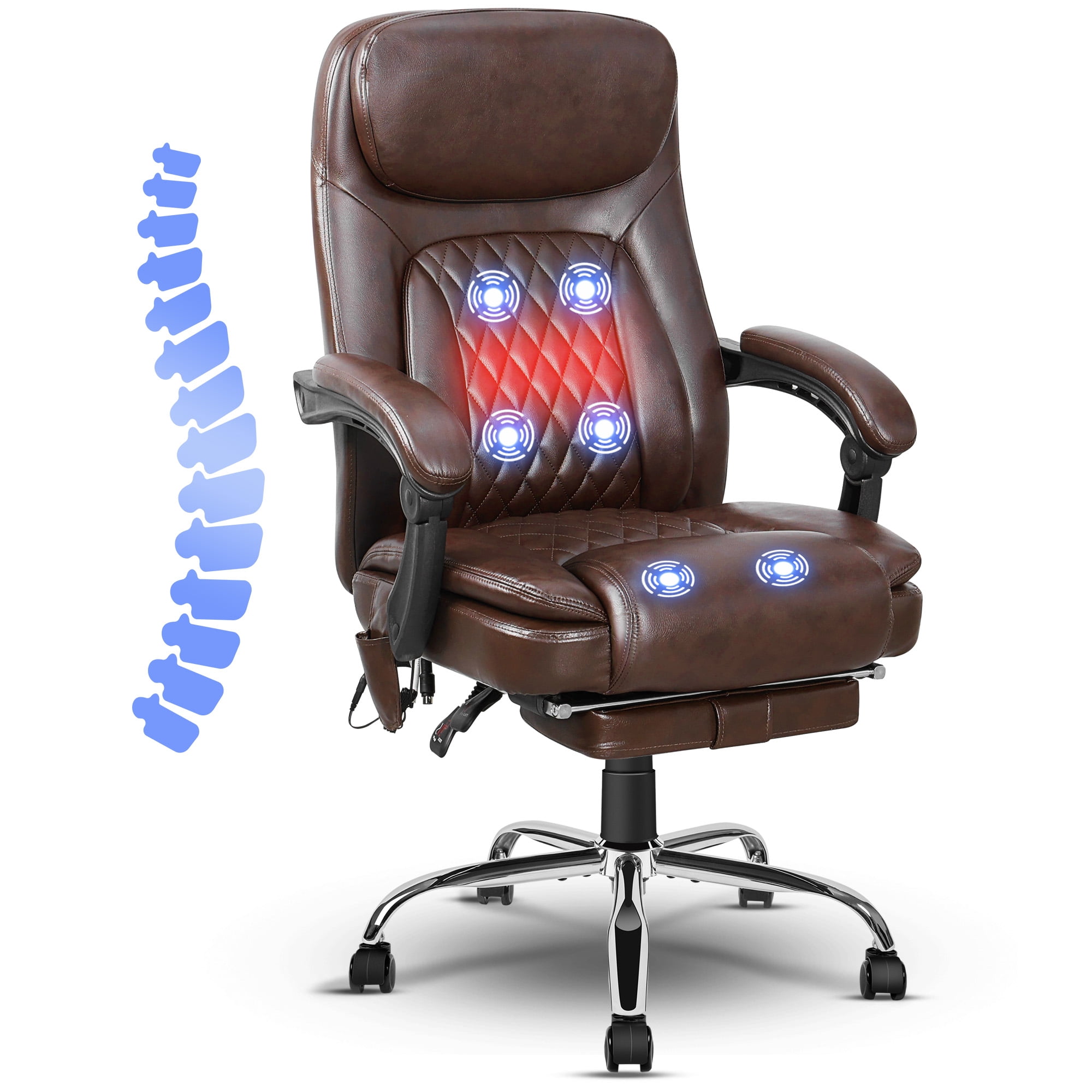
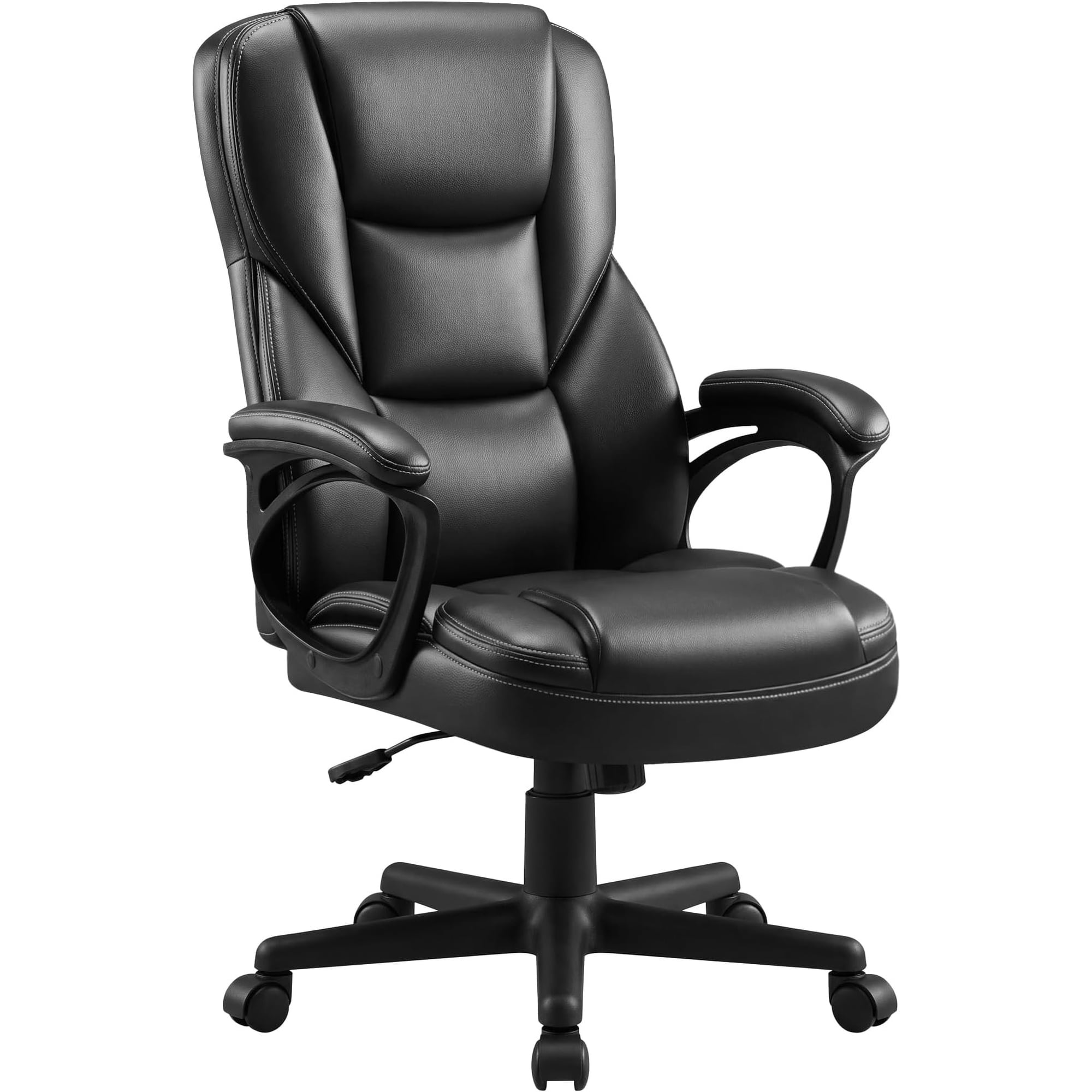
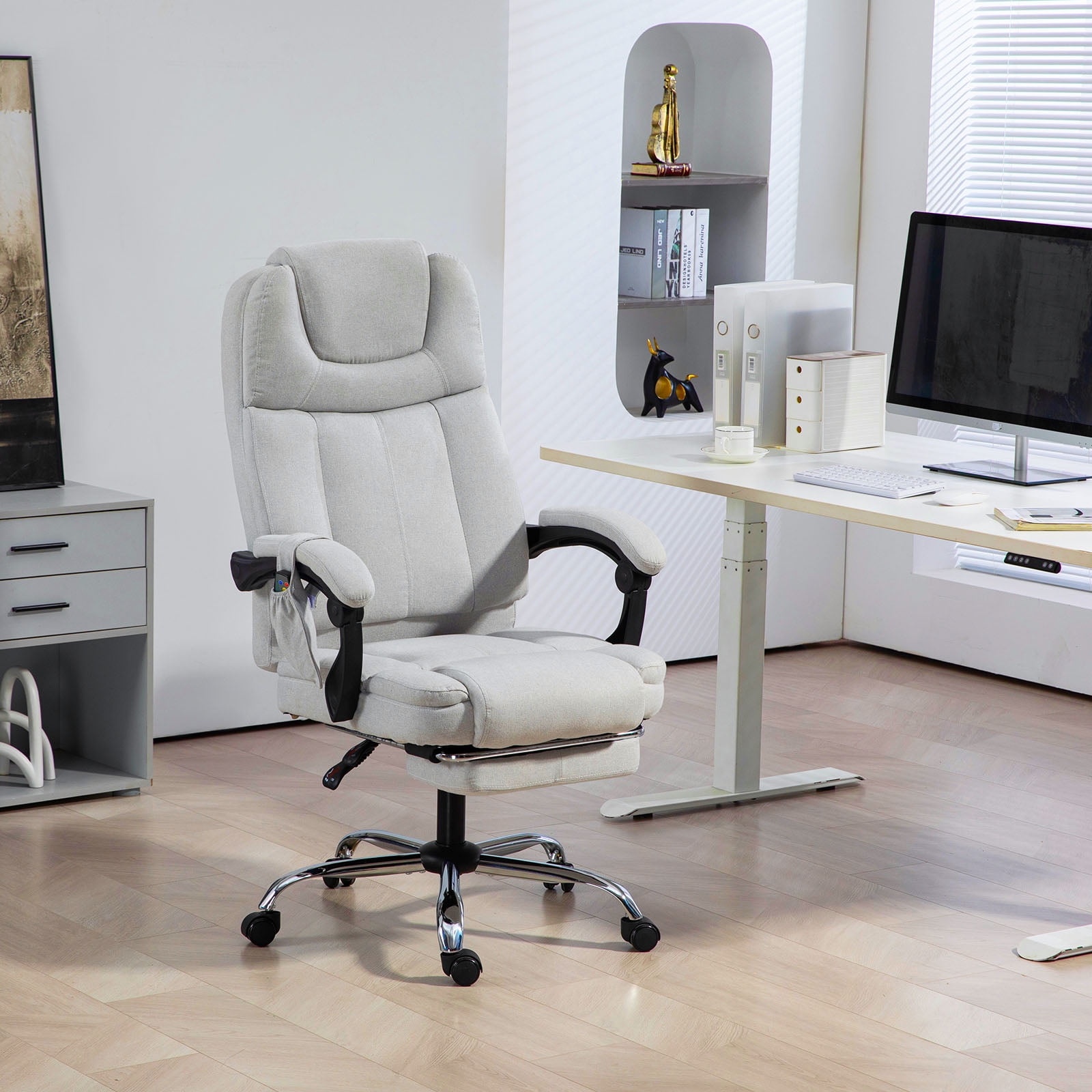
The New Standard in Executive Comfort: Reclining Chairs
Imagine this: you've just finished a grueling three-hour negotiation. Your mind is sharp, but your body craves a reset. Instead of slumping in a static chair, you push a lever, the backrest gently lowers to 135°, and a padded footrest extends to support your legs. For ten minutes, you're in a zero-gravity posture, then you return upright, refreshed. This is the power of a reclining executive office chair.
For decades, executive seating meant imposing leather chairs that looked authoritative but offered little in terms of dynamic ergonomics. Today's leaders demand more. They need furniture that adapts to them—not the other way around. A reclining executive chair bridges the gap between professional presence and personal well-being. It signals success while actively protecting your spine during marathon work sessions. According to a 2023 survey by the American Posture Institute, 72% of executives who switched to a reclining model reported a significant decrease in midday back fatigue.
Research insight: The human spine isn't designed for static upright sitting. When you recline to about 120-130°, intradiscal pressure drops by nearly 30% compared to sitting at 90°. This is why the best reclining executive office chairs are no longer a luxury—they're a health intervention.
Decoding the Recline: Mechanisms That Matter
Not all recline functions are created equal. Understanding the mechanics helps you choose a chair that supports both focused work and deep relaxation. Here are the three primary types you'll encounter in premium reclining executive chairs:
1. Synchronized Tilt with Sliding Seat
This is the gold standard for executives who spend 8+ hours at their desk. As you lean back, the seat pan moves forward slightly while the backrest reclines. This keeps your feet naturally planted on the floor and prevents that uncomfortable "shirt-pulling" sensation. Your body remains in a balanced, supported posture throughout the entire range of motion. Look for chairs that offer lockable positions so you can work in a slight recline (110°) or fully kick back during a phone call.
2. Infinite Position Recline with Footrest
Inspired by high-end automotive seats, these chairs allow you to stop at any angle between upright and nearly flat. They almost always include a retractable footrest (either manual or spring-loaded). This category is ideal for leaders who want the option of a true power nap or a meditative break. The best models use a sturdy lever system—avoid gas-strut recliners that might bounce or fail over time. A solid steel frame with infinite lock gives you the confidence to recline fully without tipping.
3. Wall-Hugger Recline Technology
If your office is compact, this is a game-changer. Instead of the chair back swinging backward into the room, the seat slides forward as you recline. This means you can place the chair just inches from the wall and still recline fully without hitting it. For executives in corner offices or home offices with limited floor space, wall-hugger reclining executive chairs offer the best of both worlds: full relaxation without rearranging furniture.
Key features to examine when comparing models:
- Recline angle range: Standard is 120°-135°, but premium versions offer up to 180° (flat).
- Footrest mechanism: Look for pop-out footrests with plush padding, or hidden ottomans that slide from under the seat.
- Lumbar support integration: The best reclining chairs have independent lumbar adjustment that stays supportive even when reclined.
- Headrest design: A contoured, adjustable headrest is crucial for napping—it supports the cervical spine.
- Material & breathability: Since you may recline for longer periods, breathable leather or high-performance mesh prevents overheating.
A study by Cornell University's Department of Ergonomics found that workers with chairs offering at least 15 degrees of recline (beyond upright) reported 17% less upper back tightness by the end of the week. For executives who often work through lunch, the ability to recline even briefly resets the nervous system. It's not just about comfort—it's about maintaining peak cognitive performance.
5-Step Selection Process for Your Reclining Executive Throne
- Measure your space: Note the distance from your desk to the wall. If you have less than 20 inches, prioritize wall-hugger models.
- Define your recline usage: Do you want to occasionally lean back during calls (130° is enough) or actually nap (look for 150°+ with footrest)?
- Check weight capacity and base: Reclining adds stress to the mechanism. Choose a chair rated at least 100 lbs above your weight. A heavy-duty aluminum base with large casters ensures stability when reclined.
- Test material feel: If you run warm, opt for premium mesh on the back or perforated leather. For cold offices, thick top-grain leather retains heat.
- Verify the warranty: The recline mechanism is mechanical. Look for at least a 5-year warranty on the tilt mechanism and 10 years on the frame.
Choosing the right reclining executive chair is like selecting a high-performance car seat for your office. You wouldn't drive cross-country in a seat that doesn't adjust; similarly, you shouldn't navigate your workday in a chair that locks you into one position. The recline function is your suspension system—it absorbs the bumps of the day and keeps you aligned.
Material Considerations for Reclining Executive Chairs
Because reclining chairs involve more contact with the back and often the legs (when footrest is extended), material choice becomes even more critical.
🏆 Premium Leather (Full-grain)
- Durability: Withstands the friction of repeated recline motions.
- Breathability (if perforated): Some high-end models offer laser-perforated leather for airflow.
- Aesthetic: Unmatched executive presence.
- Best for: Corner offices, client-facing environments, cooler climates.
🌀 High-End Mesh (back) + Fabric/Leather (seat)
- Airflow: Mesh backs keep you cool while reclining.
- Flexibility: Conforms to movement during tilt.
- Maintenance: Easy to clean.
- Best for: Tech executives, warmer offices, all-day wear.
For the footrest area, look for reinforced stitching and extra padding. This part takes direct pressure when you recline fully, so a thinly upholstered footrest can become uncomfortable quickly. Some luxury models use memory foam on the footrest—a sign of thoughtful design.
Quick Comparison: Types of Reclining Executive Mechanisms
| Mechanism | Typical Angle | Footrest | Best Use Case |
|---|---|---|---|
| Knee-tilt | up to 120° | Optional | Active work, slight recline |
| Synchronized + sliding seat | 130°-150° | Often built-in | Deep work + short breaks |
| Multi-position infinite lock | up to 180° | Always included | Power naps, total relaxation |
Frequently Asked Questions: Reclining Executive Office Chairs
Conclusion: Elevate Your Leadership with the Right Recline
A reclining executive office chair is more than a place to sit—it's a command center that supports both intense focus and essential recovery. By investing in a chair with a robust recline mechanism, premium materials, and thoughtful ergonomics, you're not just buying furniture; you're investing in your long-term health and daily energy.
Whether you choose a sleek leather model with a hidden footrest or a high-tech mesh back with infinite lock, the ability to change posture throughout the day will transform how you work. Remember to measure your space, test the recline smoothness, and prioritize lumbar support that moves with you. The right chair will serve you for a decade, keeping you comfortable, collected, and in command.
Final Takeaway
Look for a model that combines at least 130° of recline, adjustable lumbar support, and a footrest if you value true relaxation. The best reclining executive chairs feel like a natural extension of your body—allowing you to lean in when it's time to lead, and lean back when it's time to recharge.