
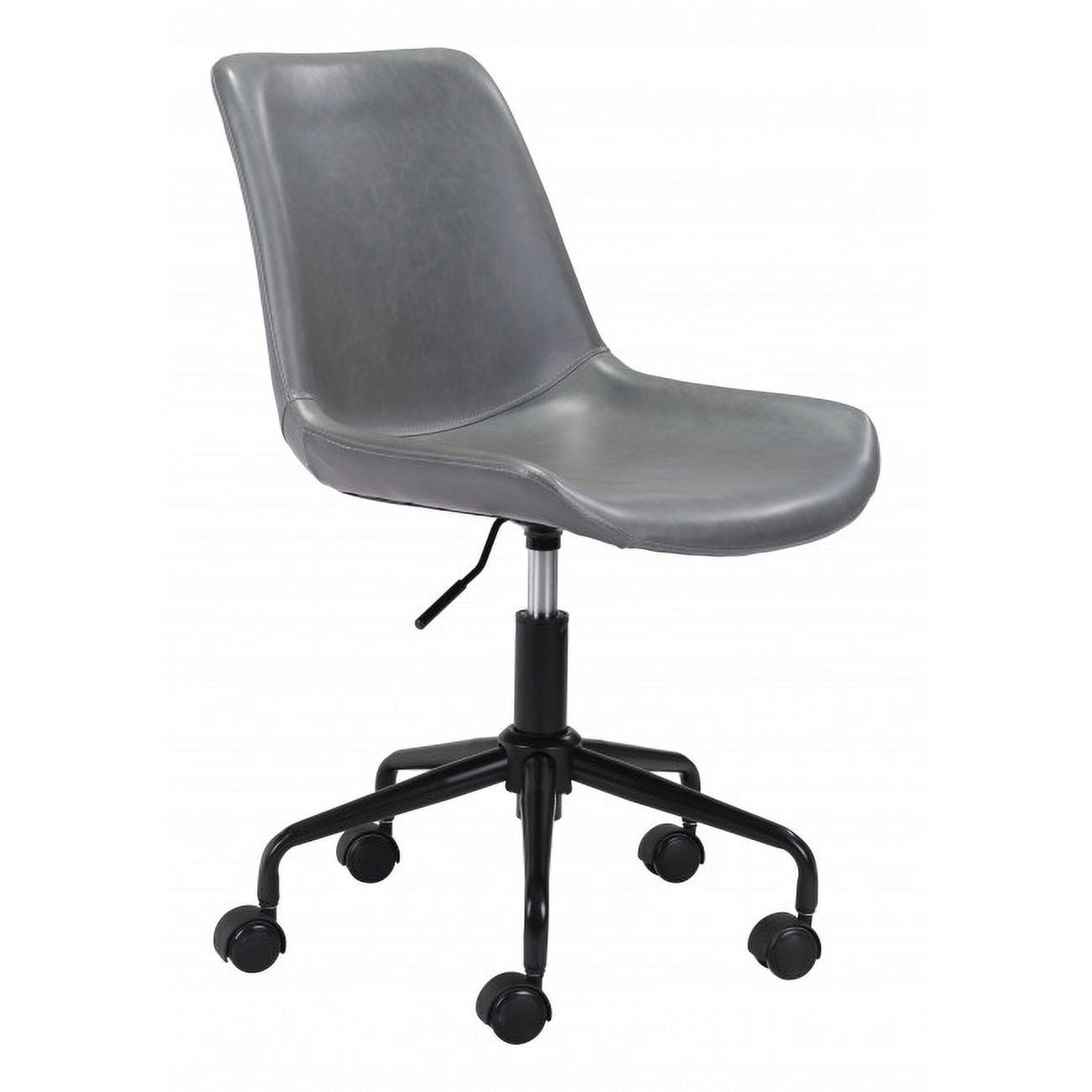
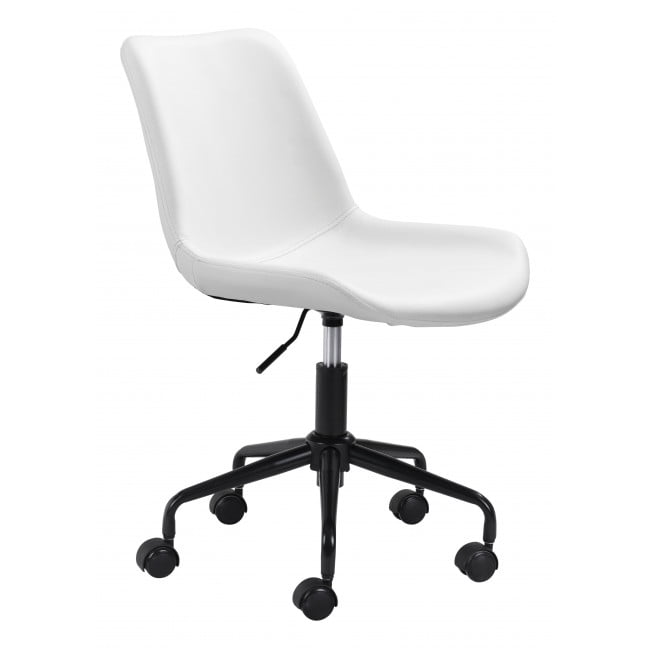
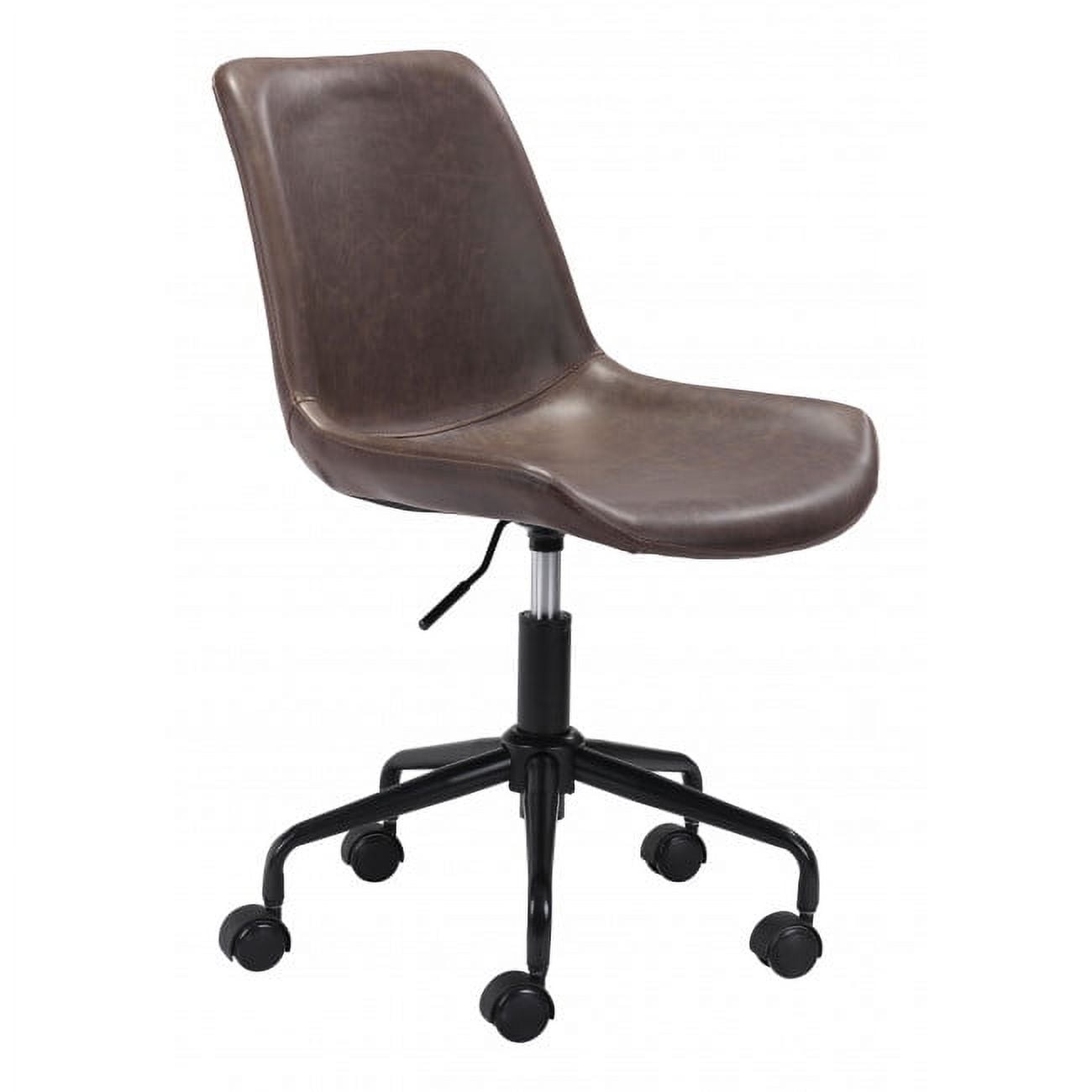
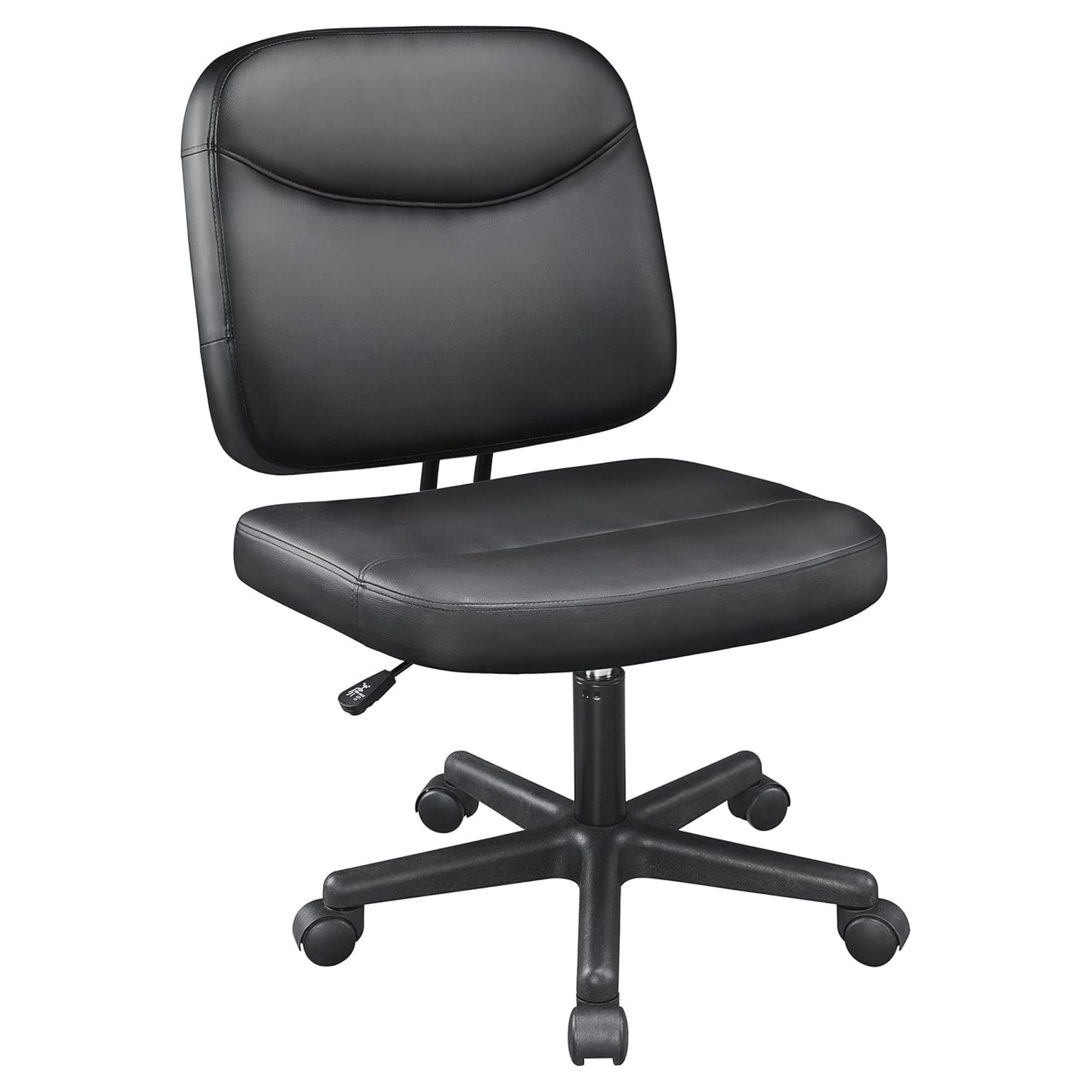
Why a Leather Rolling Office Chair is a Game-Changer for Your Workspace
Imagine this: you're in the zone, deep in thought, and you need to reach a file on the other side of your desk. With a stationary chair, you'd have to stand up or stretch awkwardly. But with a high-quality leather rolling office chair, you simply glide over, maintain your focus, and get back to work. The combination of premium leather and smooth-rolling casters isn't just a luxury—it's a productivity tool.
A leather rolling office chair represents the intersection of professional aesthetics and functional mobility. Whether you're navigating a sprawling executive desk or shifting between dual monitors, the right set of wheels and a comfortable, durable seat can transform your workday. According to a study by the Facilities Management Journal, employees with high-quality, mobile seating report a 28% increase in perceived workflow efficiency.
Why This Combination Matters: Leather provides the durability and classic look suitable for client-facing roles, while the rolling mechanism (with the right casters) protects your floors and allows for seamless movement. It's a synergy of form and function.
Decoding the "Rolling" Factor: More Than Just Wheels
When shopping for a leather office chair, most people focus solely on the leather quality and back support. However, the mobility system—the casters and the base—is equally critical for long-term satisfaction. A chair that doesn't roll smoothly or, worse, damages your flooring, can be a constant source of frustration.
1. The Anatomy of a Great Office Chair Caster
Not all wheels are created equal. The standard hard plastic casters found on many budget chairs are designed for thick, commercial carpet. If you have hardwood, laminate, or tile, these wheels will feel like grinding rocks. Here’s what you need to know:
🪵 Hardwood Floor Casters (Soft Rubber/Polyurethane)
These are your go-to for hard surfaces. They have a softer tread that grips just enough to roll easily but won't scratch or leave marks. They are often labeled "floor-friendly" or "for hard floors."
🧶 Carpet Casters (Hard Nylon)
Designed to roll through carpet fibers without sinking. These are usually harder and sometimes larger in diameter. Using these on hard floors can lead to slipping and floor damage.
🔒 Locking Casters
Ideal for those who want the chair to stay put during sitting but still be moveable. A simple lever locks the wheel, providing stability for getting in and out of the chair.
⚙️ Rollerblade-Style Casters
A popular aftermarket upgrade. These use high-quality polyurethane wheels on precision bearings. They offer a silent, incredibly smooth glide on any surface and are a favorite among enthusiasts.
2. The 5-Star Base: Stability is Key
A rolling chair is only as good as its foundation. The base is almost always a 5-star design for stability, but the material matters:
- Nylon/Plastic Bases: Common in mid-range chairs. They are lightweight and cost-effective but may flex under very heavy loads.
- Metal Bases (Polished Aluminum or Chrome): The hallmark of a premium leather rolling office chair. They offer superior durability, a higher weight capacity, and a sophisticated look that complements the leather upholstery.
When evaluating a chair, tip it over and look at the base. A heavy, solid metal base is a sign that the chair is built to last and will remain stable during dynamic movement.
3. The Gas Lift: Your Chair's Elevator
The gas lift mechanism is what allows you to adjust the height of your rolling chair. A quality lift should operate smoothly, without jerking, and hold your weight at the chosen height indefinitely. Look for chairs with Class 3 or Class 4 gas lifts, which are rated for heavier use and higher weight capacities (typically 300 lbs+). A failing gas lift is a common issue in cheap chairs, but a high-quality leather rolling chair will feature a robust, certified mechanism.
Leather and Movement: A Match Made for the Modern Office
There's a common misconception that leather is slippery and not ideal for a chair you roll around in. In reality, high-quality, aniline or semi-aniline leather has a natural grip. It holds you in place while allowing for micro-adjustments in your seating position. This is crucial for a rolling chair, as you need stability when you've rolled to a stop.
Leather Grades and Their Impact on Mobility
- Bonded Leather: Made from leather scraps glued together. It's the least breathable and can crack over time, especially with the friction of frequent rolling and swiveling. Not recommended for a daily-use rolling chair.
- Genuine Leather (Corrected Grain): A good mid-tier option. The surface is sanded and embossed with a texture, making it durable and uniform. It resists wear from movement well.
- Top-Grain Leather: The top layer of the hide is used. It's sanded slightly to remove imperfections, resulting in a smooth, durable, and breathable surface. It's an excellent choice for a rolling chair as it balances durability with a luxurious feel.
- Full-Grain Leather: The highest quality, using the entire hide with all its natural markings. It's incredibly durable and develops a beautiful patina. While more expensive, it's the ultimate choice for a chair that will be in constant use for decades.
Why Leather Doesn't Overheat with Good Casters
Another myth is that leather is always hot. Premium leather is breathable. Furthermore, the ability to easily roll away from your desk, stretch your legs, and change your environment prevents the heat buildup that can occur from being static. The mobility encourages better circulation, making the leather feel more comfortable throughout the day.
Think of your chair's wheels like the tires on a car. You wouldn't put off-road tires on a sports car, just as you shouldn't put hard plastic casters on a beautiful hardwood floor. The leather rolling office chair is your vehicle for the workday, and it needs the right tires for the road (your floor) to perform optimally.
Ergonomic Insight: A 2023 survey by the BackCare Foundation noted that workers with fully adjustable, mobile chairs reported 35% less lower back stiffness by the end of the day compared to those in static chairs. The ability to change position and distance from the desk encourages better posture and dynamic sitting.
Frequently Asked Questions About Leather Rolling Office Chairs
Conclusion: Invest in the Glide
Choosing a leather rolling office chair is about more than just aesthetics; it's about creating a dynamic and healthy workspace. By understanding the interplay between leather quality, caster types, and the chair's base construction, you can make an informed decision that enhances your comfort, protects your flooring, and boosts your productivity for years to come. Don't just settle for a chair that sits there—choose one that moves with you.
Whether you're a CEO finalizing a deal or a creative professional sketching your next big idea, the freedom to move seamlessly is a small luxury that pays enormous dividends in focus and physical well-being.