
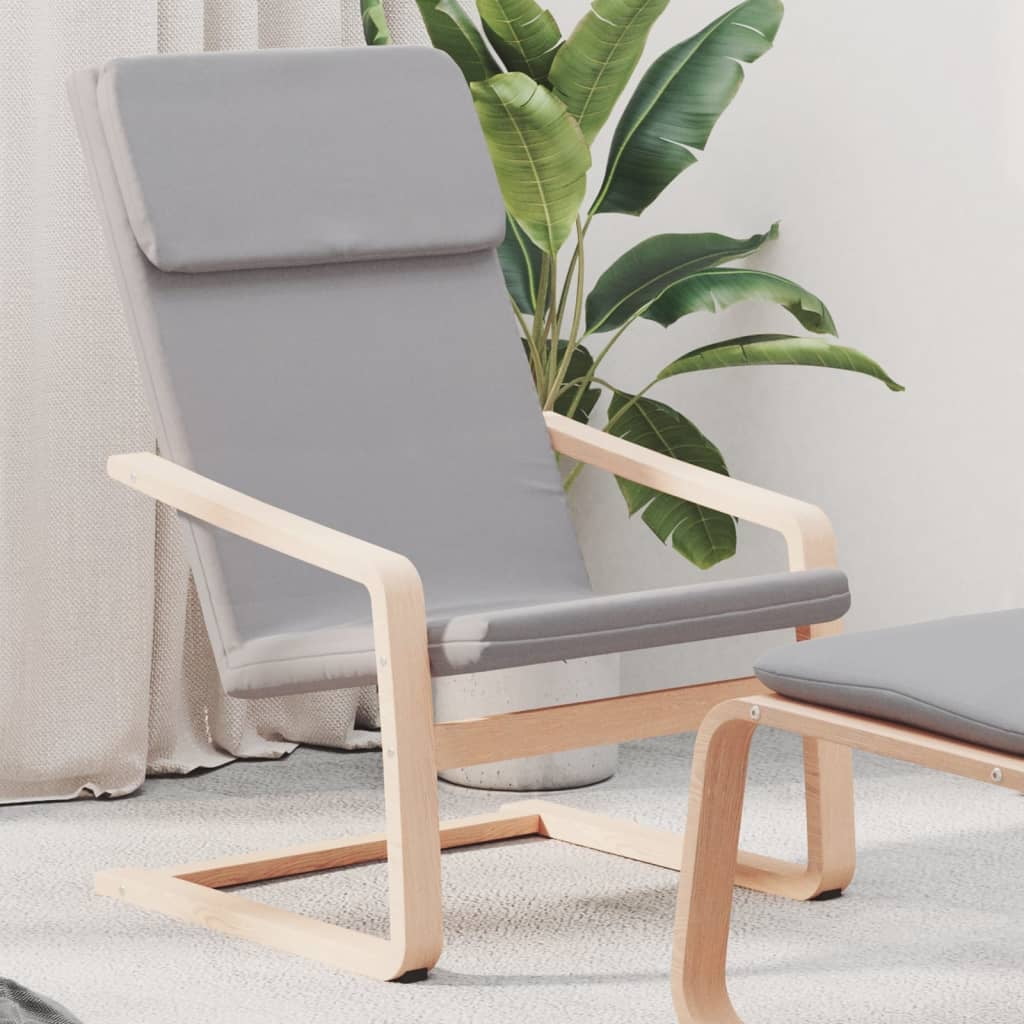
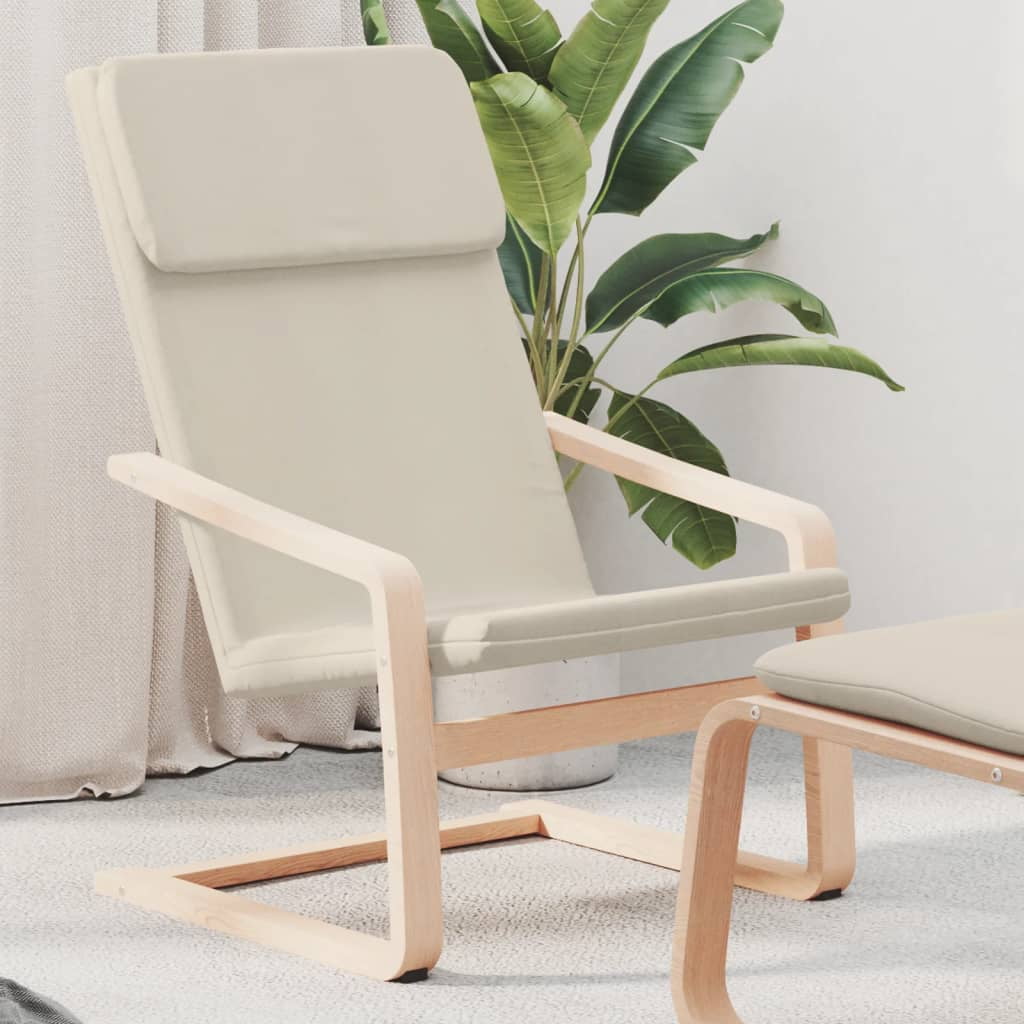
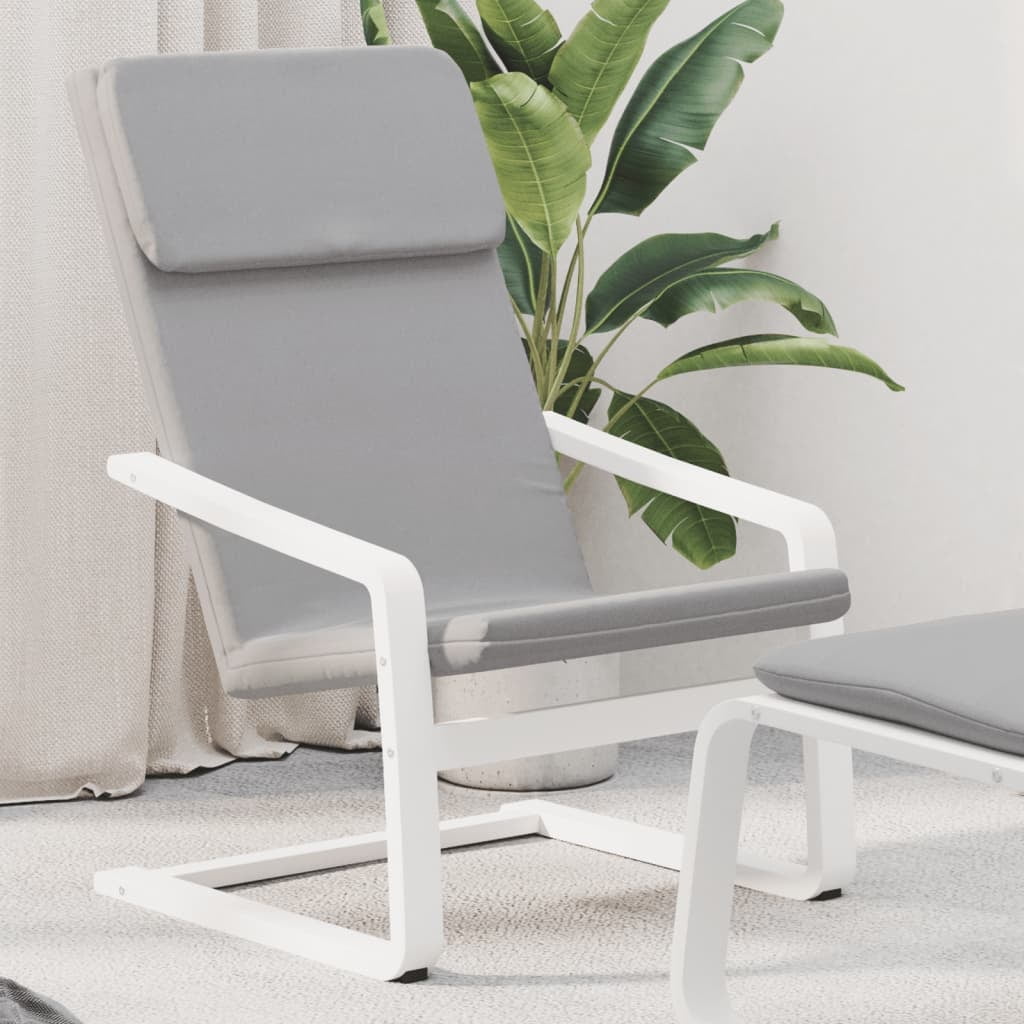
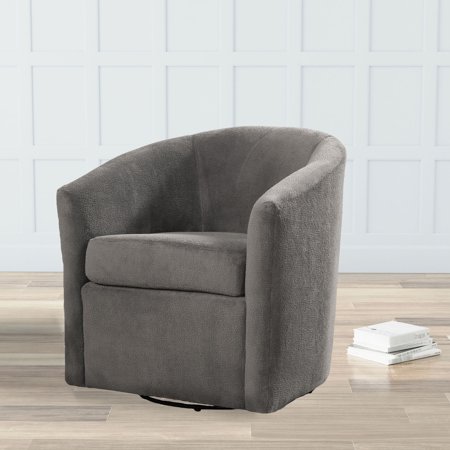
Introduction: The Rise of the Relaxing Office Chair
Imagine your favorite cozy armchair, but perfectly suited for your desk. That's the promise of a relaxing office chair. For years, office seating focused solely on function—often at the expense of comfort. But as our workspaces have become more personal (especially at home), a new priority has emerged: creating an environment that reduces stress, not adds to it. A relaxing office chair is the cornerstone of this philosophy. It's a seat that invites you to sit down, breathe deeply, and focus, all while providing the support your body needs to avoid afternoon aches. It's not just a chair; it's a daily retreat within your workspace.
Why It Matters Now: A 2023 survey by the American Institute of Stress found that 83% of US workers suffer from work-related stress. Creating a calming physical environment—starting with a truly comfortable and relaxing chair—can be a powerful tool to combat this. It's an investment in your mental well-being as much as your physical health.
The Anatomy of a Relaxing Office Chair: More Than Just Cushioning
A truly relaxing office chair is a carefully engineered piece of furniture. It's not simply a standard task chair with extra foam. Designers achieve that 'ahhh' feeling through a combination of specific features that work together.
1. The "Cloud-Like" Seat: Material and Construction
The foundation of relaxation is the seat itself. Manufacturers use several techniques to achieve that plush feel:
- High-Density Foam with a Soft Top Layer: The core is often firm, high-density foam for support, but it's topped with a softer layer of memory foam or fiberfill. This creates a 'sinking in' sensation without bottoming out.
- Generous Padding Depth: Relaxing chairs typically have 4 to 6 inches of cushioning in the seat, compared to the 2-3 inches found in standard task chairs.
- Waterfall Front Edge: This isn't just for circulation. The gentle downward slope at the front of the seat relieves pressure behind the knees, allowing your legs to truly relax as you sit.
2. Upholstery: The Power of Touch
The material that touches your skin plays a huge role in the perception of comfort. Different fabrics evoke different feelings of relaxation.
Plush Fabric / Chenille
- Warm & Inviting: Feels soft and warm, perfect for a cozy home office.
- Variety: Available in countless colors and textures to match your decor.
- Breathability: Natural fibers allow for some air circulation.
Velvet / Velour
- Luxurious Feel: The smooth, soft pile is inherently soothing to the touch.
- Aesthetic: Adds a touch of elegance and warmth to any room.
- Consideration: Can sometimes show compression marks, but this adds to its 'lived-in' relaxing charm.
Breathable Mesh (Hybrid)
- Cool Comfort: For those who want relaxation without getting too warm. Often combined with plush seat cushions.
- Supportive: The mesh back contours to your spine while feeling light.
Soft Microfiber
- Buttery Soft: An incredibly smooth and soft texture that feels gentle against the skin.
- Durable & Easy-Clean: Often more stain-resistant than other fabrics, making it practical for daily relaxation.
3. Ergonomics of Relaxation: Support You Don't Notice
The magic of a great relaxing chair is that the support is invisible. You don't feel poked or prodded by hard plastic or aggressive lumbar curves. Instead, the chair supports you gently.
- Built-in, Contoured Lumbar: The lumbar support is integrated into the plush backrest. It's a gentle, curved shape that fills the small of your back without needing a hard, adjustable pad.
- Padded Armrests: Forget hard plastic. Relaxing chairs feature armrests generously padded with foam and upholstered in the same soft material as the rest of the chair.
- High Back with Integrated Headrest: Many relaxing chairs feature a tall back with a built-in, padded headrest. This allows you to lean back and let your head and neck sink into soft support during a moment of deep thought or a quick break.
4. Motion and Adaptability: The Gentle Rock and Recline
A truly relaxing chair often allows for subtle movement, which can be incredibly soothing.
- Smooth-Swivel Base: A quiet, gliding swivel lets you turn to reach files or talk to a colleague without any jarring movements.
- Permanent or Lockable Tilt: A mechanism that allows the chair to rock or tilt gently with your movements can reduce spinal stiffness. Look for chairs with adjustable tension so you can control how much effort it takes to recline. Some even have a locking feature to hold your preferred recline angle.
Think of a relaxing office chair like a well-designed car seat for a long journey: it's deeply comfortable, but it also holds you in the correct position to prevent fatigue. It's that blend of indulgence and intelligent design that defines the category.
Relaxing Chair vs. Standard Task Chair: A Quick Glance
| Feature | Relaxing Office Chair | Standard Task Chair |
|---|---|---|
| Primary Goal | Ultimate comfort & stress reduction | Functionality & posture for long hours |
| Seat Cushion | Thick, plush, often multi-layer foam | Firm, medium-density foam |
| Backrest Feel | Soft, upholstered, may 'give' slightly | Often mesh or firm, taught fabric |
| Armrests | Padded and upholstered | Often hard plastic or adjustable plastic |
| Ideal For | Home offices, creative roles, leaders who value a calming presence | Corporate offices, high-intensity focus roles, shared workspaces |
Frequently Asked Questions About Relaxing Office Chairs
Conclusion: Invest in Your Daily Moments of Calm
Choosing a relaxing office chair is a deliberate choice to prioritize your well-being. It's an acknowledgment that the hours you spend at your desk should not be a battle against discomfort, but a period of focused, calm productivity. By blending the inviting softness of a favorite lounge chair with the essential support of an ergonomic seat, these chairs offer the best of both worlds.
Whether you're a remote worker crafting your perfect sanctuary or an executive wanting a more inviting space for thoughtful work, a relaxing office chair transforms your relationship with your workspace. It invites you to sit, stay a while, and do your best work—all while feeling genuinely at ease.