
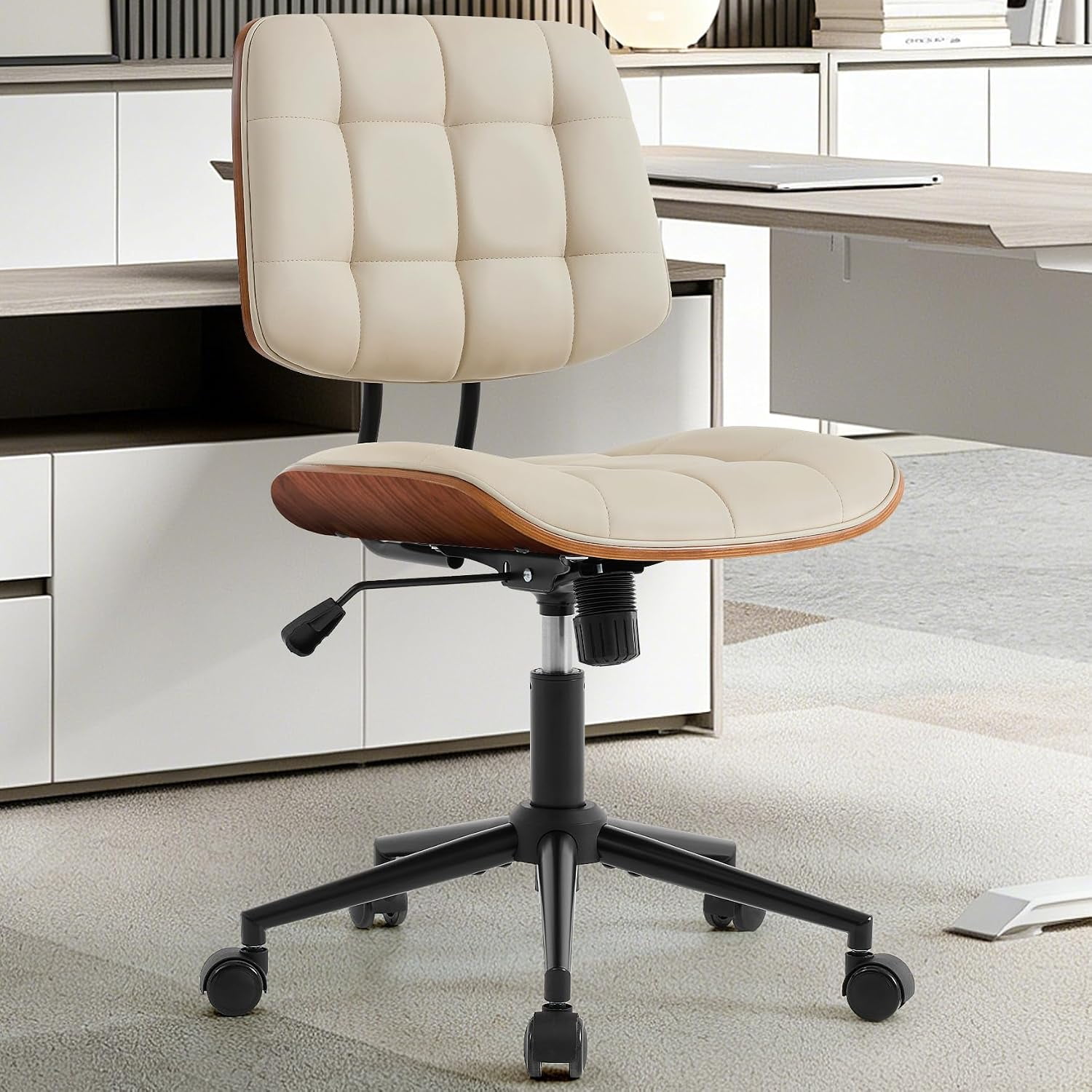
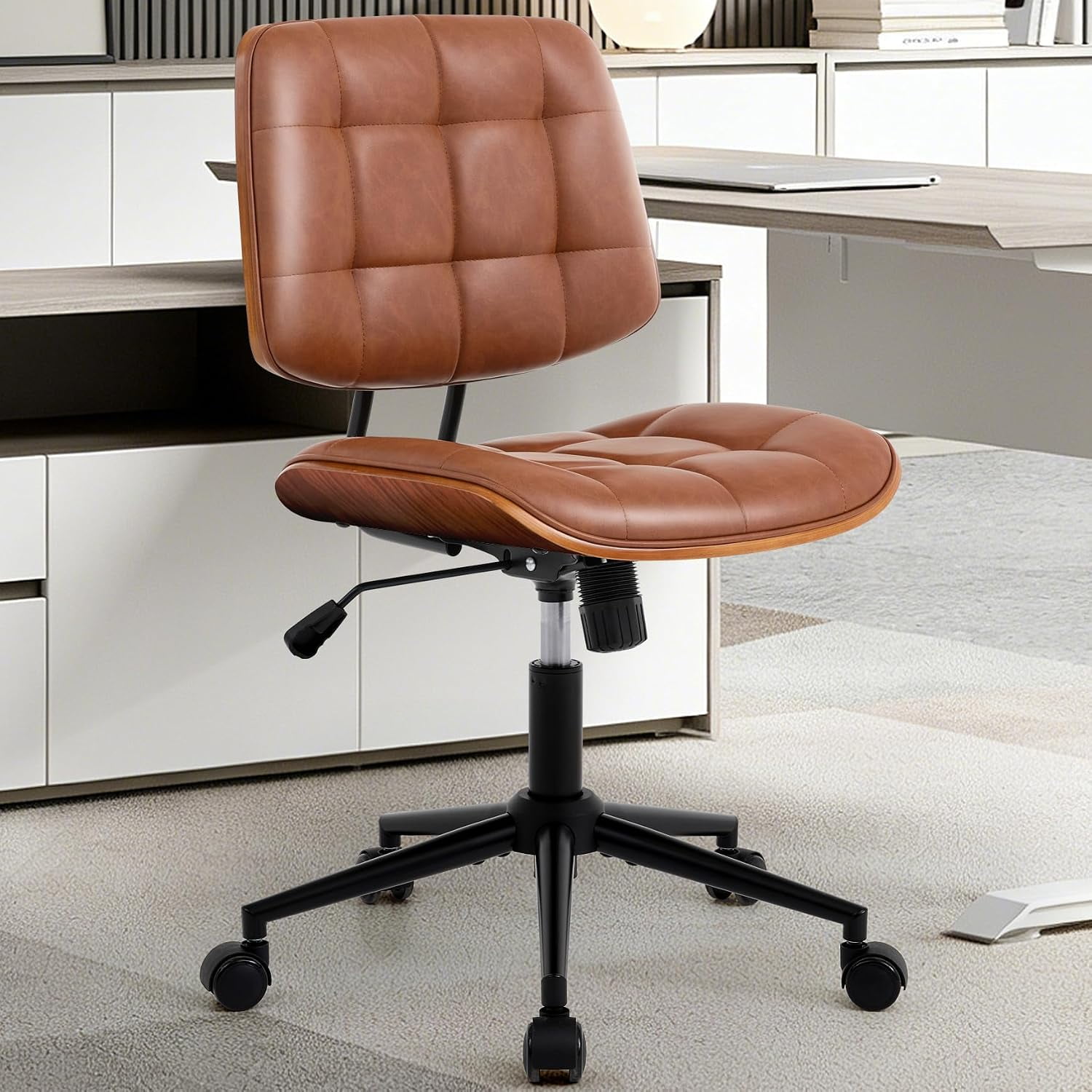
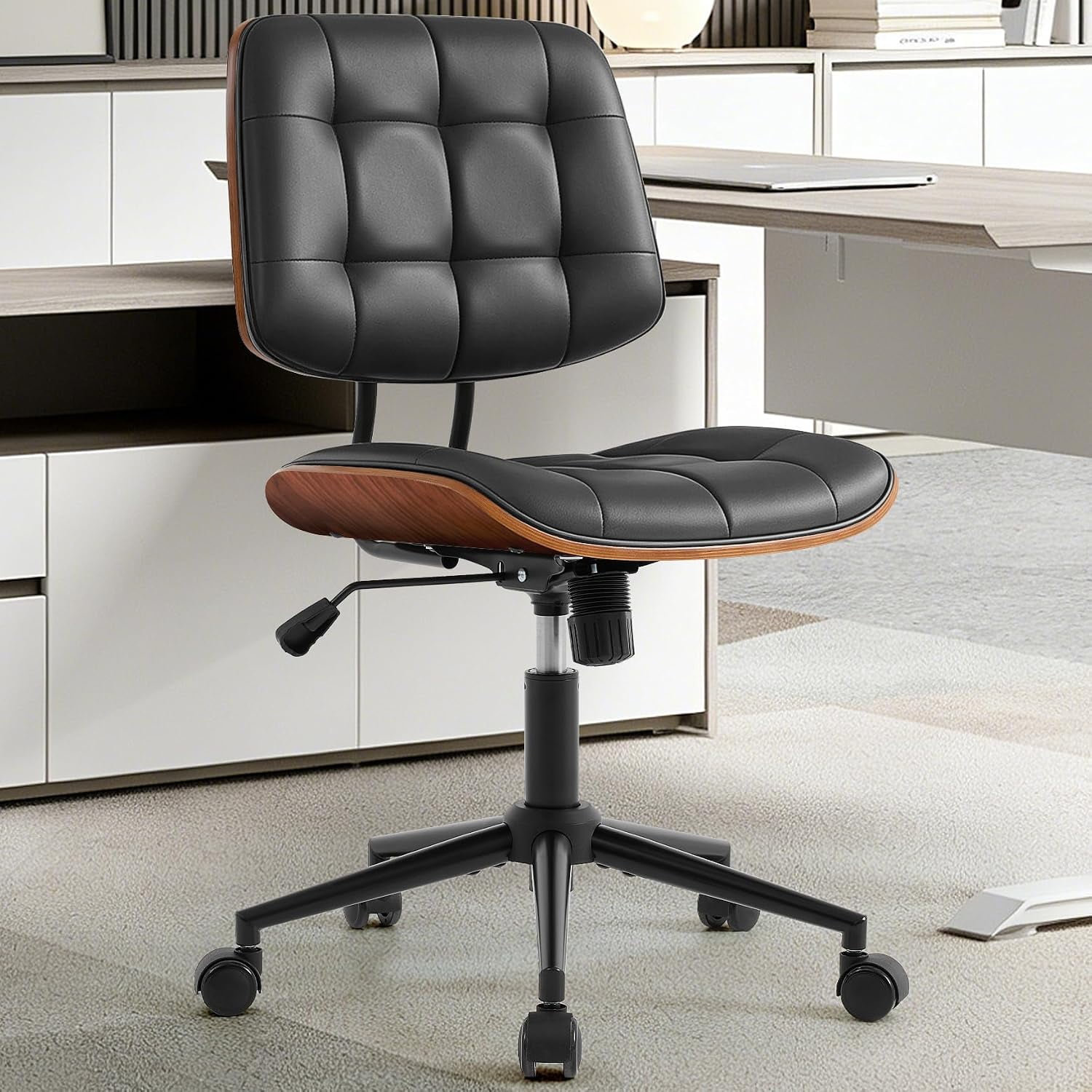
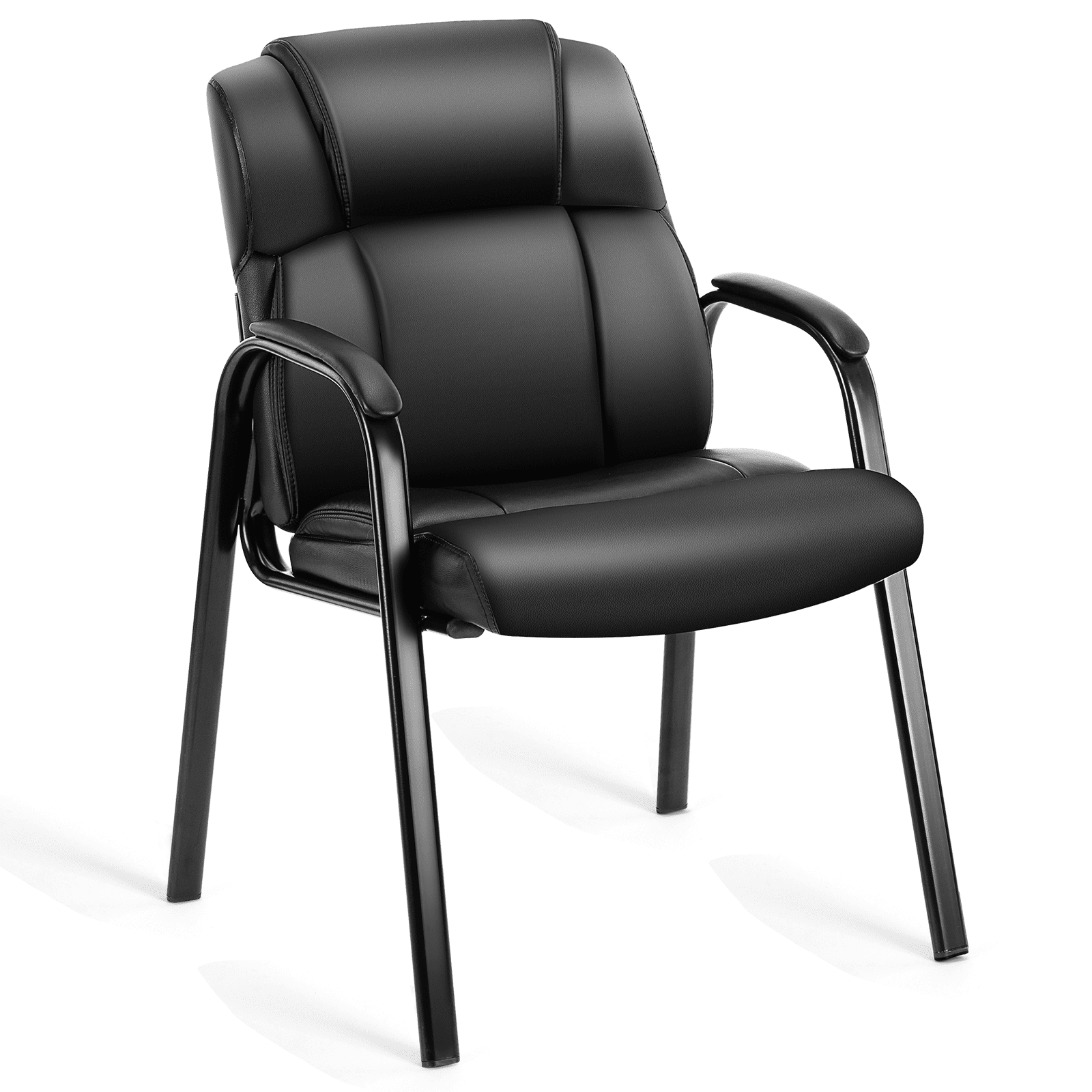
Why Choose an Office Chair Without Wheels But With Arms?
Imagine a workspace where your chair stays exactly where you left it—no sudden rolling, no constant micro-corrections. That's the promise of a office chair no wheels with arms. While rolling chairs dominate modern offices, stationary armchairs offer unique advantages for focus, safety, and floor protection. They are the unsung heroes of reception areas, home offices with delicate floors, and workspaces where every ounce of concentration matters.
Ergonomics Insight: A study from the Human Factors and Ergonomics Society suggests that stationary seating can reduce lower back fatigue by up to 22% in tasks requiring precise hand-eye coordination, because the body isn't subtly stabilizing against chair movement. Arms further reduce shoulder tension.
Key Benefits of Fixed-Base Arm Chairs
- Absolute stability: Ideal for drafting, drawing, or any task where rolling would be disruptive.
- Floor-friendly: No wheels means no scratches on hardwood, tile, or laminate—no mat needed.
- Cleaner look: Often sleeker with covered bases; less dust accumulation than casters.
- Safety: Great for seniors or those with mobility aids; the chair won't slide out during sit-to-stand.
- Durability: Fewer moving parts (no casters to break or jam) often means a longer lifespan.
Who Needs a Wheel-less Office Chair With Arms?
This category isn't a compromise—it's a targeted solution. Consider these scenarios:
| User Profile | Why It Works |
|---|---|
| Receptionist / Front Desk | Presents a professional front; chair stays neatly behind desk without drifting. |
| Home office with hardwood | Protects expensive flooring; no need for ugly plastic mats. |
| Makeup artists / stylists | Stability during detailed work; arms support client comfort. |
| Drafting / engineering | Precision tasks require a fixed position; arms reduce hand fatigue. |
| Executive waiting areas | Upscale armchairs that don't roll away when guests stand up. |
Core Features to Evaluate
When shopping for a desk chair without casters, look beyond the obvious. Here's a detailed feature matrix:
| Feature | Why It Matters | What to Look For |
|---|---|---|
| Base type | Stability & aesthetics | 5-star fixed base (most stable) or sled base (modern look). |
| Arm adjustability | Custom fit for shoulders | Height-adjustable or fixed padded arms (width also important). |
| Seat height adjustment | Ergonomic leg position | Pneumatic lift even without wheels—essential for shared desks. |
| Swivel | Reach different areas without rolling | 360-degree swivel is highly recommended even if stationary. |
| Upholstery | Comfort & durability | Breathable mesh, easy-clean fabric, or premium leather. |
| Glides / feet | Floor protection | Felt or rubber pads on base legs to prevent sliding/marks. |
Material Considerations for Stationary Arm Chairs
Without wheels, the material choice becomes even more central to the chair's character. Here's a breakdown similar to the example but tailored to our keyword:
Leather / Faux Leather
- Upscale look for executive/reception areas.
- Easy to wipe clean – spills bead up.
- Durable with proper care (5-10 years).
- No fabric to trap dust – hypoallergenic.
Fabric / Mesh
- Breathable – reduces sweating during long sits.
- More color options to match decor.
- Softer feel – cozy for home offices.
- May stain – requires fabric protector.
Adjustability vs. Simplicity: Finding Balance
Just because a chair lacks wheels doesn't mean it's a static throne. Modern stationary office seating often includes:
- Pneumatic height adjustment (essential for shared workstations).
- Swivel mechanism (so you can turn without moving the base).
- Tilt tension or rocking function (some fixed-base chairs still recline).
- Adjustable armrests (width and height).
Think of it like a pilot's seat in a cockpit: firmly anchored, yet fully adjustable to the individual. That's the sweet spot.
Step-by-Step: How to Select Your Ideal Wheel-less Armchair
1. Measure your space & desk height
Because you can't roll closer, ensure the chair height aligns perfectly with your desk. Measure from floor to desktop; subtract ~10-12" for ideal seat height range.
2. Prioritize arm type
Fixed arms: simpler, sturdier. Adjustable arms: better ergonomics if multiple users. Ensure they fit under your desk.
3. Test the base stability
A 5-star fixed base is the gold standard—it won't tip. Sled bases look minimalist but can rock on uneven floors.
4. Consider upholstery maintenance
High-traffic area? Leather or vinyl wins. Home office? Fabric adds warmth. Mesh keeps you cool.
5. Check weight capacity
Without wheels, the construction must be solid. Look for 300lb+ capacity for longevity.
Frequently Asked Questions: Office Chair No Wheels With Arms
Conclusion: Stability as a Strategic Choice
Choosing an office chair no wheels with arms isn't about missing out—it's about intentional design. For professionals who value a planted position, floor protection, and clean aesthetics, these chairs outperform traditional rolling ones. Remember: the best chair is the one that fits your work style, body, and environment. Whether you're greeting guests at a reception, perfecting a design at a drafting table, or simply tired of chasing a rolling chair around your home office, a quality stationary armchair delivers.
Final Recommendations
Leather or faux leather with fixed arms – easy to clean, professional look.
Fabric or mesh with adjustable arms – comfort for long hours, breathable.
Adjustable-height, swivel base with stable glides – maximum flexibility without movement.