
Beyond a Chair: The Science of High Quality Ergonomic Seating
Imagine your office chair as the foundation of a house. If the foundation is shaky, everything built on top—your focus, energy, and even your physical health—becomes unstable. A high quality ergonomic office chair is precisely that: a scientifically engineered foundation designed to keep your body in neutral alignment, reduce micro-traumas from static sitting, and actually enhance your cognitive performance. According to a study from Cornell University, proper ergonomic seating can reduce musculoskeletal discomfort by over 50% and improve productivity by up to 17.5%.
Think of it like a high-performance sports car seat. It's not just about plush cushioning; it's about adjustability, lateral support, and keeping the driver (you) firmly in control during long stretches. A cheap chair is like a bench with no shocks—every bump (or hour of sitting) jars your spine. A premium ergonomic chair, however, acts like a dynamic suspension system, adapting to your every movement.
Core Anatomy of a Superior Ergonomic Chair
What exactly separates a $200 chair from a $1,200 chair? It’s not just a brand name. It's the sum of meticulously engineered components that work in harmony. Below, we dissect the crucial elements.
1. Adjustable Lumbar Support: The Spine's Best Friend
Static lower back pillows are often useless because everyone's spine curvature is different. High-quality chairs feature independent lumbar adjustment—both in height and, more importantly, in depth. This allows you to dial in the exact pressure needed to fill the natural gap in your lower back. Without this, you're likely to slump, inviting back pain and fatigue.
- Height adjustment: Ensures support hits the right spot (usually between L3 and L5 vertebrae).
- Depth/pressure adjustment: Allows you to control how much the support pushes into your back. A must-have for sensitive backs.
- Dynamic vs. static: Some chairs have lumbar that moves with you as you recline; others are fixed but adjustable. Both can work well.
2. Seat Depth Adjustment: The "Two-Finger Rule"
Ever feel pressure behind your knees after sitting? That's a seat pan that's too long. High-quality ergonomic chairs include a seat slider that moves the cushion forward or backward. Proper depth leaves 2-3 fingers of space between the back of your knee and the seat edge, supporting about 80% of your thigh without cutting off circulation. This feature alone can prevent swelling and discomfort in long meetings.
Did you know? A study in the Journal of Physical Therapy Science found that correct seat depth reduces pressure on the popliteal vein by 35%, significantly improving lower limb blood flow during prolonged sitting.
3. Synchronized Recline Mechanism: Movement is Key
Static upright posture is actually harmful. Our bodies crave movement. Top-tier chairs offer a synchronized recline where the seat and backrest move at a specific ratio (often 2:1 or 3:1). This keeps you supported while allowing your hip and knee angles to open, reducing spinal disc pressure. A high-quality mechanism will also have adjustable tension, so you're not fighting the chair to lean back, nor will it fling you forward when you shift weight.
- Multi-position lock: Lets you lock in your favorite recline angle for focused work or relaxed thinking.
- Weight-sensitive tension: A simple knob that matches resistance to your body weight—essential for smooth recline.
4. 4D Armrests: Small Levers, Big Impact
Armrests are often an afterthought, but they directly affect shoulder and neck tension. "4D" means they adjust in four directions: up/down, forward/back, left/right (width), and pivot angle. Being able to position armrests so your elbows are at 90 degrees, shoulders relaxed, and forearms parallel to the floor is a game-changer for preventing "tech neck" and typing strain.
Material Matters: Breathability vs. Cushioning
The debate between high-quality mesh, premium fabric, and leather often confuses buyers. Here’s a straightforward breakdown for ergonomic chairs:
Advantages of Premium Mesh
- Breathability: Air circulates freely, preventing sweaty back syndrome.
- Conforming support: High-tension mesh cradles your shape without sagging.
- Durability: Good mesh doesn't stretch out like cheaper fabric.
- Modern aesthetic: Clean, professional look favored in tech and design industries.
Considerations for Mesh
- Initial firmness: Some users find it less "huggable" than thick foam.
- Edge comfort: On some models, the frame can be felt if the mesh isn't tensioned perfectly.
Advantages of High-Density Foam (Fabric/Leather)
- Plush comfort: Molds to your body with zero pressure points.
- Warmth: Ideal for cooler offices.
- Luxury feel: Leather especially conveys a premium, executive presence.
Considerations for Foam
- Heat retention: Can become uncomfortable in warm environments.
- Wear over time: Even high-density foam can break down after 5-8 years.
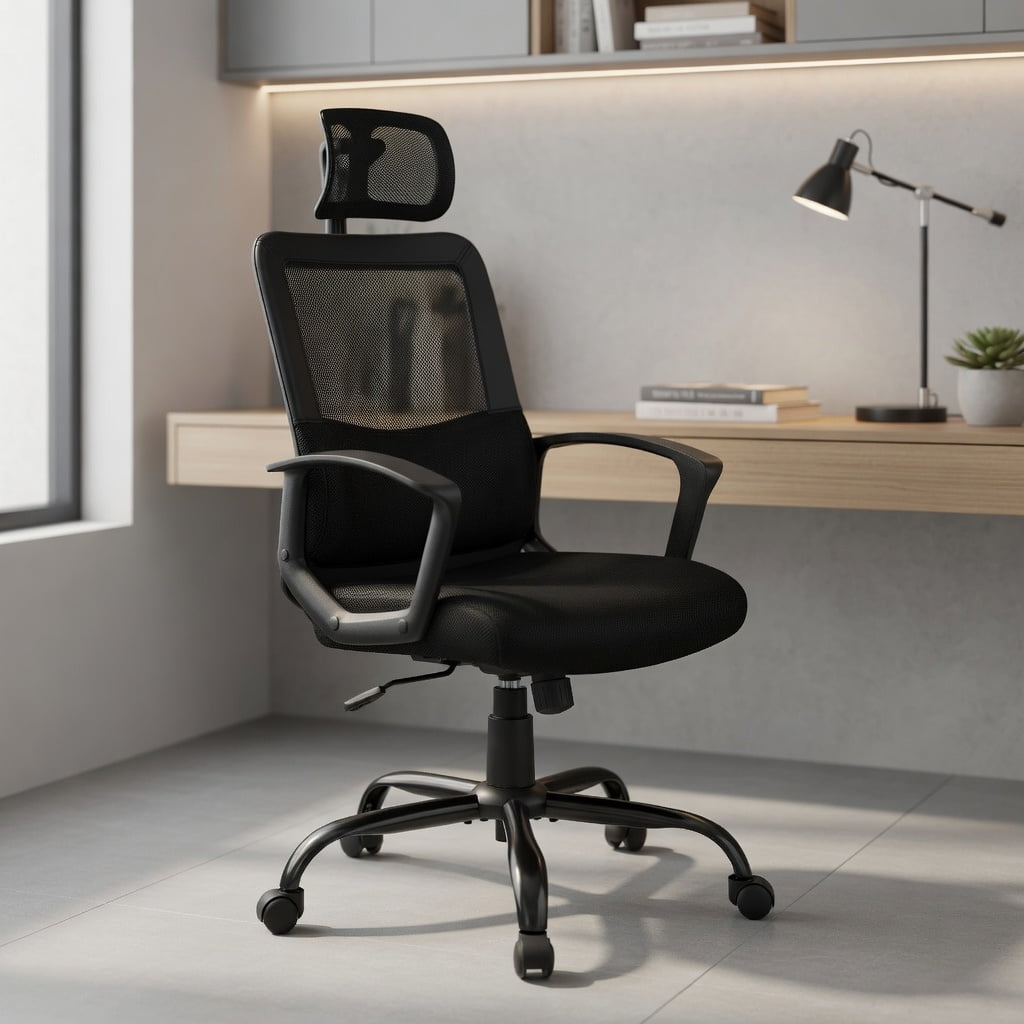
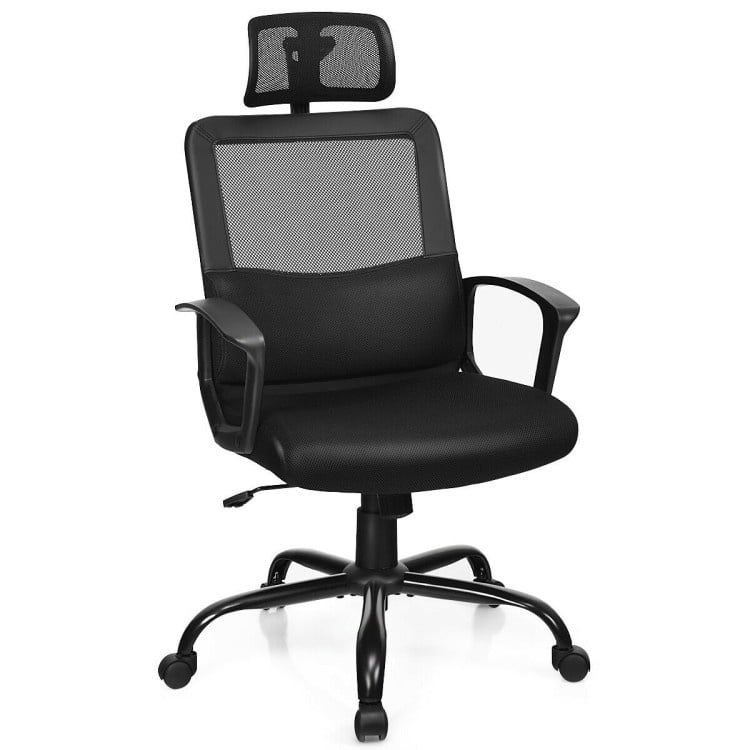
Our recommendation? For all-day use, a mesh back with a generously padded foam seat (often called "hybrid ergonomic") offers the best of both worlds: a cool, supportive back and a forgiving, comfortable seat.
Long-Term Value: Warranty and Build Quality
A high-quality ergonomic chair is an investment. Look for Class 4 gas lifts (the highest safety rating), aluminum or reinforced steel bases, and dual-wheel casters that roll smoothly on carpets or hard floors. A warranty of at least 5 years on parts, and ideally 10+ years on the frame, signals manufacturer confidence. Cheaper chairs often use Class 2 or 3 lifts, which are prone to failure and don't support heavier users safely.
Your 4-Step Ergonomic Chair Selection Process
Step 1: Measure Your Workspace
Measure your desk height (standard is 28-30 inches). Ensure the chair's maximum seat height is at least 2 inches below your desk surface. Also, measure the space behind you—a high-back chair might not fit if you have cabinets.
Step 2: Identify Your "Pain Points"
Do you get lower back ache? Prioritize deep lumbar adjustment. Shoulder stiffness? 4D armrests are non-negotiable. Leg numbness? Look for a deep seat slider. List your top three physical complaints and match them to chair features.
Step 3: Test the Mechanism Range
When you sit, check if the seat pan tilts forward (helps with perching for desk work). See if the backrest tension adjusts easily. A quality chair feels "solid" when you move—no creaks, wobbles, or jerky motions.
Step 4: Read Verified Buyer Reviews
Look for patterns: do multiple people mention the seat cushion softening after 6 months? Is the mesh holding up? Real-world feedback from people with similar body types is invaluable.
Frequently Asked Questions About High Quality Ergonomic Office Chairs
Conclusion: Invest in Your Most Valuable Asset—Your Health
A high quality ergonomic office chair is not an expense; it's a long-term investment in your daily well-being and professional output. By focusing on independent adjustments, durable materials, and a fit that matches your unique body, you transform a simple seat into a productivity tool. Use the guide above, explore the curated products, and give your body the support it deserves.