
Why Choose a Home Office Chair Without Wheels?
Imagine you're in the middle of an intense work session, you lean forward to grab a notebook, and your chair rolls backward. Frustrating, right? For many home workers, the constant micro-adjustments to stay in position break concentration. Home office chairs without wheels solve this by offering a stationary foundation. They are the "anchor" of your workspace—providing stability, protecting your floors, and often blending seamlessly with home decor.
Insight: According to a 2023 home office survey, 38% of remote workers prefer chairs without casters to prevent unwanted movement on carpets or to protect sensitive hardwood floors. The demand for stylish, furniture-like office seating has risen by 27% since 2020.
Key Benefits of Wheel-less Office Chairs
- Floor Protection: No casters means no scratches on hardwood, laminate, or tile. Most have felt glides or rubber feet.
- Perfect for Carpets: Rolling chairs on plush carpets can be difficult to move and may damage fibers. Stationary chairs stay put without digging in.
- Stability and Safety: Ideal for those with balance concerns, or for use on uneven floors. No sudden rolling when you lean back.
- Design Versatility: Wheel-less chairs often look like traditional furniture—armchairs, mid-century modern, or elegant executive styles that don't scream "office".
- Quiet Operation: No squeaky casters or rolling noise. Perfect for video calls or shared spaces.
Common Base Types for Stationary Chairs
Without wheels, the base becomes a critical feature. Here are the most common designs you'll encounter:
| Base Type | Description | Best For |
|---|---|---|
| Four-Legged | Classic chair design with four separate legs, often wooden or metal, with glides. | Traditional home offices, library aesthetics, low-height desks. |
| Sled Base | A continuous metal loop that forms both legs and back support; offers slight flex. | Modern offices, moderate movement without tipping, sleek look. |
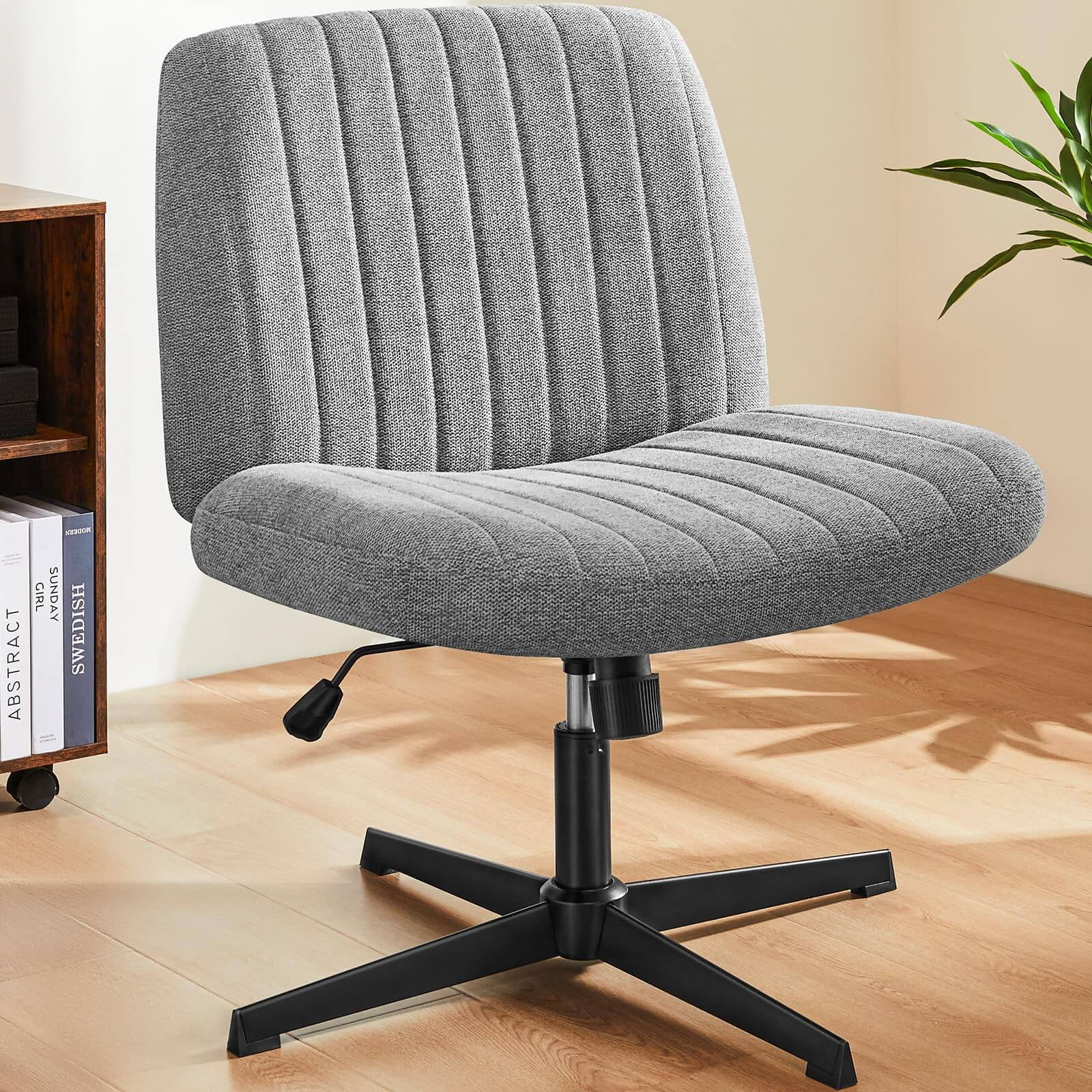
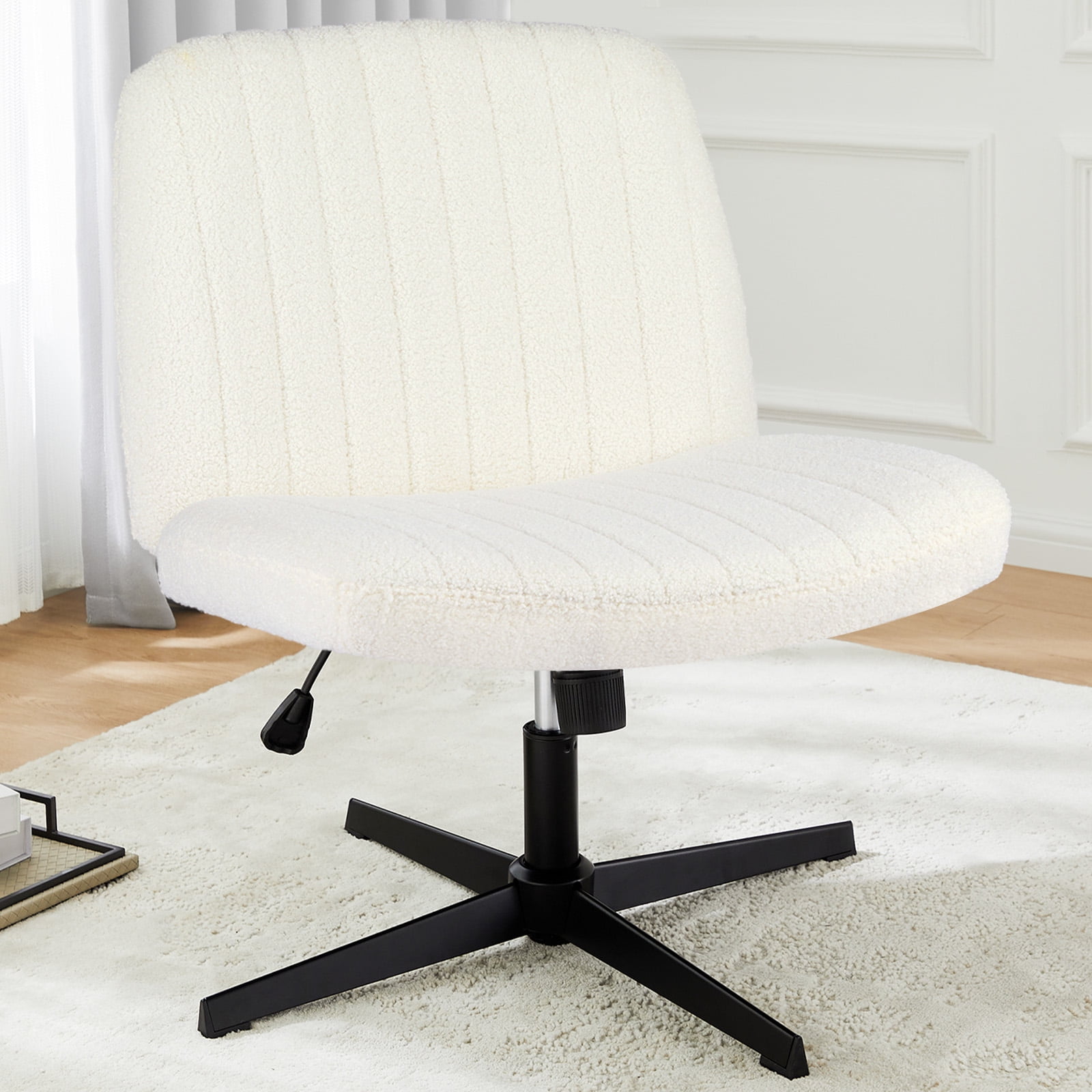
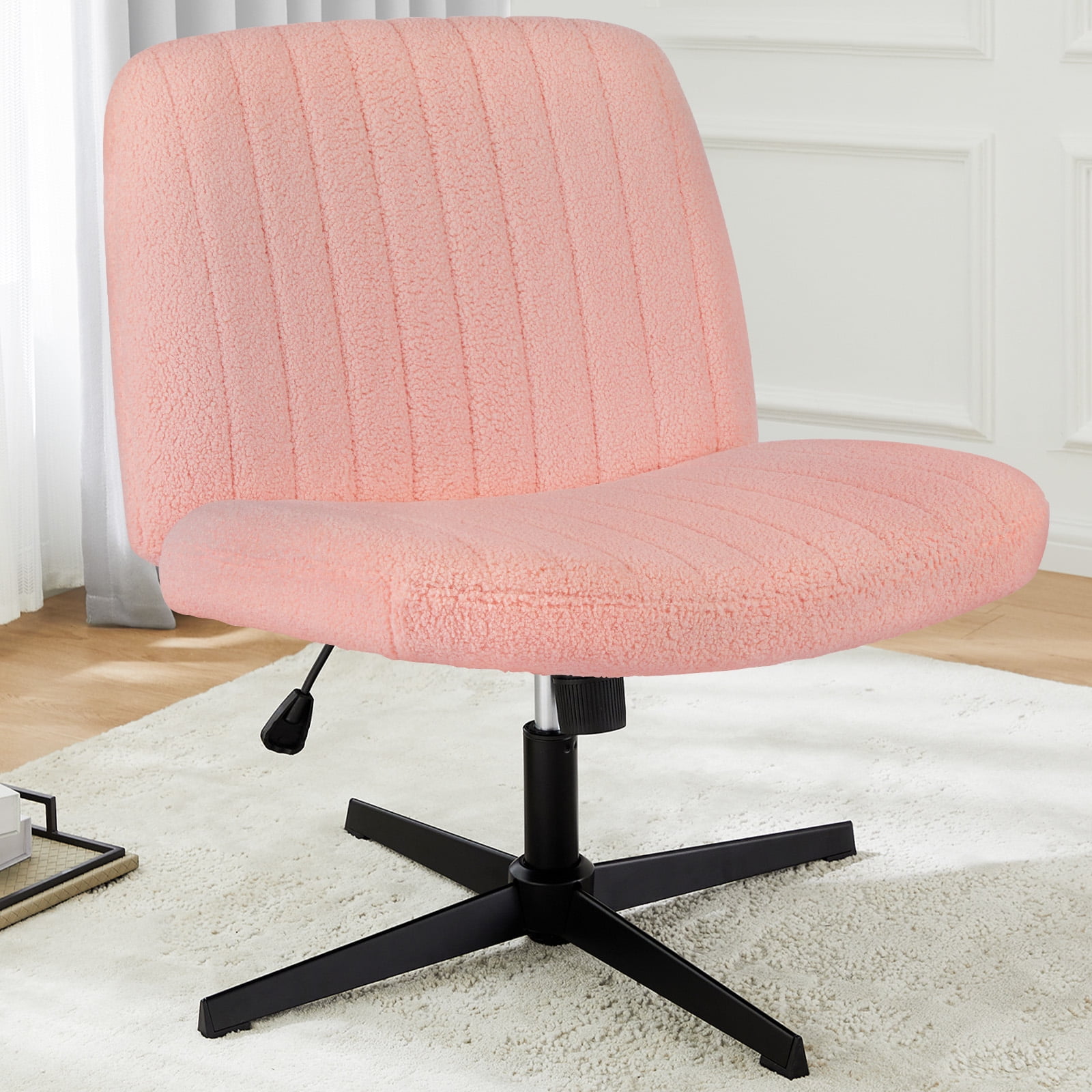
| Pedestal with Glides | Central column (like a rolling chair) but ends with a stationary base or non-rolling glides. | Swivel functionality without movement; good for dynamic sitting. |
| Fixed Five-Star | Traditional star base but with rubber feet or locking casters instead of wheels. | Heavy-duty use, executive style, maximum stability. |
Material Considerations for Wheel-less Chairs
Since mobility isn't a factor, material choice leans toward durability, comfort, and style. Let's break down the most popular options:
Leather / Faux Leather
- Pros: Luxurious look, easy to wipe clean, ages well, professional appearance.
- Cons: Can be warm in summer, may crack if not conditioned, heavier.
Fabric / Linen
- Pros: Breathable, cozy, wide color/pattern range, softer feel.
- Cons: Can stain, may attract dust/pet hair, harder to deep clean.
Mesh
- Pros: Excellent airflow, modern look, lightweight, often ergonomic.
- Cons: Limited color options, may not suit traditional decor, frame often visible.
Wood + Upholstery
- Pros: Classic, sturdy, natural warmth, timeless design.
- Cons: Usually minimal adjustability, heavier to move.
5 Situations Where a Wheel-less Chair Excels
- You have thick carpet: Traditional wheels sink into carpet, making rolling difficult and potentially damaging loops. A stationary chair sits firmly on top.
- Your home office doubles as a guest room: A wheel-less armchair looks less "corporate" and more inviting for guests.
- You work on a standing desk part-time: With a height-adjustable stationary stool, you don't have to chase a rolling chair when you sit back down.
- You have young children or pets: No rolling chair to startle them or be used as a "toy" – plus no pinch points from casters.
- You prefer a drafting stool at a high desk: Many tall stools with foot rings come with stable, non-rolling bases for safety.
Ergonomics Without Wheels: What to Look For
Just because a chair doesn't roll doesn't mean it can't be ergonomic. In fact, some argue that a stable base encourages better posture because you don't unconsciously roll into awkward positions. Prioritize these features:
Adjustable Height
Even without wheels, a pneumatic lift lets you match desk height.
Lumbar Support
Built-in or adjustable lumbar maintains spine curve.
Seat Depth Adjustment
Ensures proper thigh support without pressure behind knees.
Armrest Adjustability
Fixed arms can work, but adjustable width/height is better.
Comparison: Wheel-less vs. Rolling Chairs
| Feature | Wheel-less Chair | Rolling Chair |
|---|---|---|
| Floor protection | Excellent (glides/felt) | Requires mat or special casters |
| Stability during focus | High – stays put | Can drift, may need locking casters |
| Mobility | None (lift to move) | Easy to roll around |
| Style variety | Often blends with home decor | Often "office" look |
| Weight capacity potential | Very high (no wheel stress) | Depends on caster strength |
Selecting the Right Base Glides for Your Floor Type
One often overlooked aspect of wheel-less chairs is the glide material. If your chair has a stationary base, it will have feet or glides. Here's how to choose:
- Felt glides: Ideal for hardwood, laminate, and tile – they slide easily without scratching.
- Rubber / urethane glides: Great for carpets – they grip and prevent sliding, but can mark hard floors.
- Plastic glides: Budget option, but may scratch floors; check for smooth edges.
- Metal glides with nylon: Durable and low-friction, often used in commercial settings.
If you plan to move the chair occasionally (e.g., to vacuum), felt glides on hardwood are your best friend.
Styles and Aesthetics: Beyond the Office Look
Because wheel-less chairs are often chosen for home use, manufacturers have embraced a wide range of designs:
- Mid-Century Modern: Wooden legs, tweed or velvet upholstery, low back – trendy and comfortable.
- Industrial Loft: Metal sled base, distressed leather, exposed stitching.
- Scandinavian Minimalist: Light wood, pale fabric, clean lines.
- Traditional Executive: High-back leather with nailhead trim, stationary five-star base.
- Convertible / Guest Chair: Often armless with a small footprint, can be pulled up to a desk or used as extra seating.
Care and Maintenance
Without wheels, maintenance is simpler: vacuum or wipe the base, check glide pads for wear (replace when thin), and clean upholstery per material guidelines. Since there are no casters to collect hair and debris, wheel-less chairs can be more hygienic.
Who Should Avoid Wheel-less Chairs?
If you frequently move between workstations, need to roll to filing cabinets, or have a very large L-shaped desk where you slide from one end to the other, a rolling chair might be more practical. But for most home office workers with a dedicated desk, a wheel-less chair offers a compelling blend of stability and style.
Frequently Asked Questions: Home Office Chairs Without Wheels
Conclusion: Stability Meets Style
Home office chairs without wheels are not a compromise—they are a conscious choice for focus, floor protection, and aesthetic harmony. Whether you're outfitting a cozy home nook or a executive home office, there's a wheel-less design that provides the ergonomic support you need without the rolling distraction. Use the selection guide above, check the product grid for current deals, and invest in a chair that stays with you—literally.
Remember: the best chair is the one that fits your body, your workspace, and your work habits. For many, that means saying goodbye to casters.