
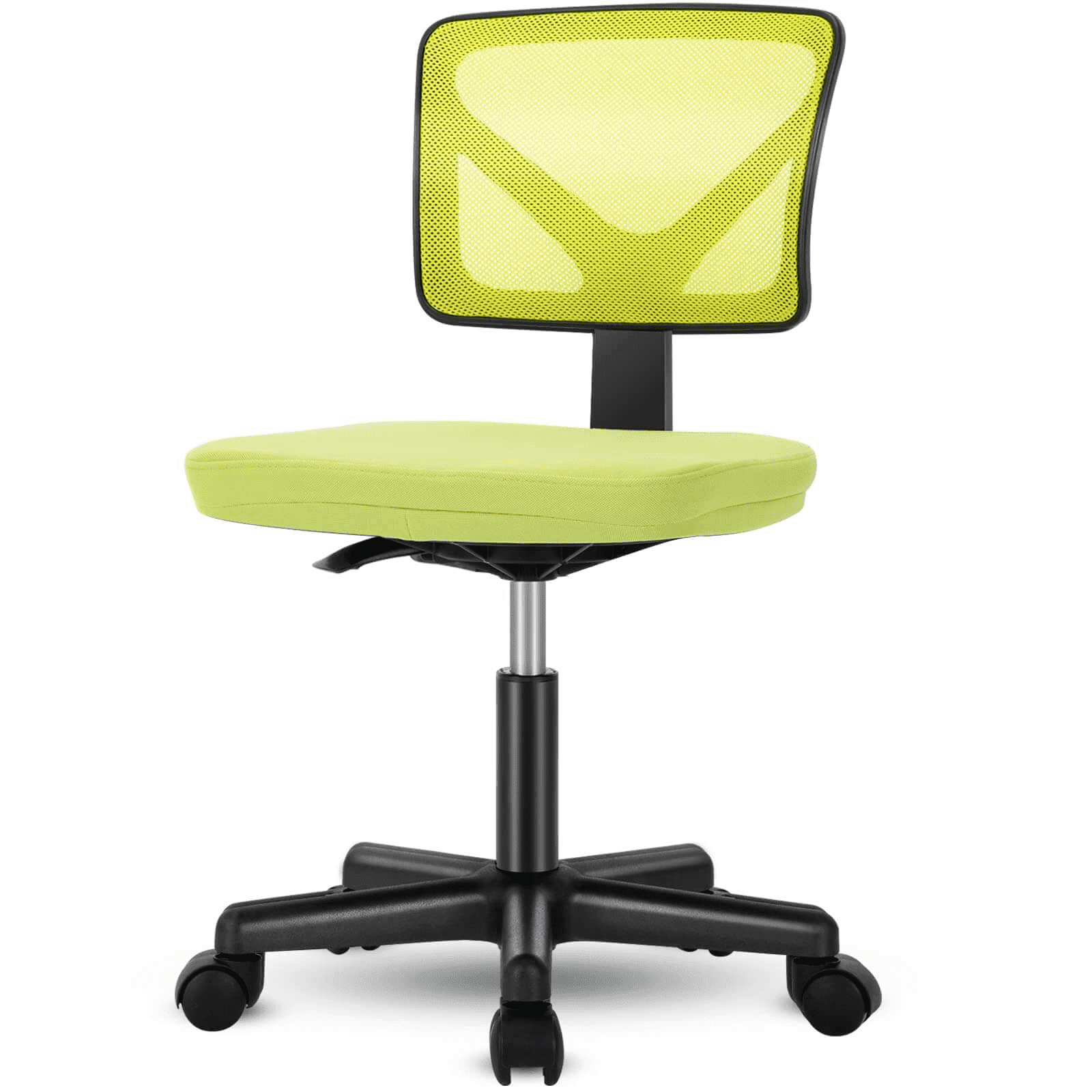
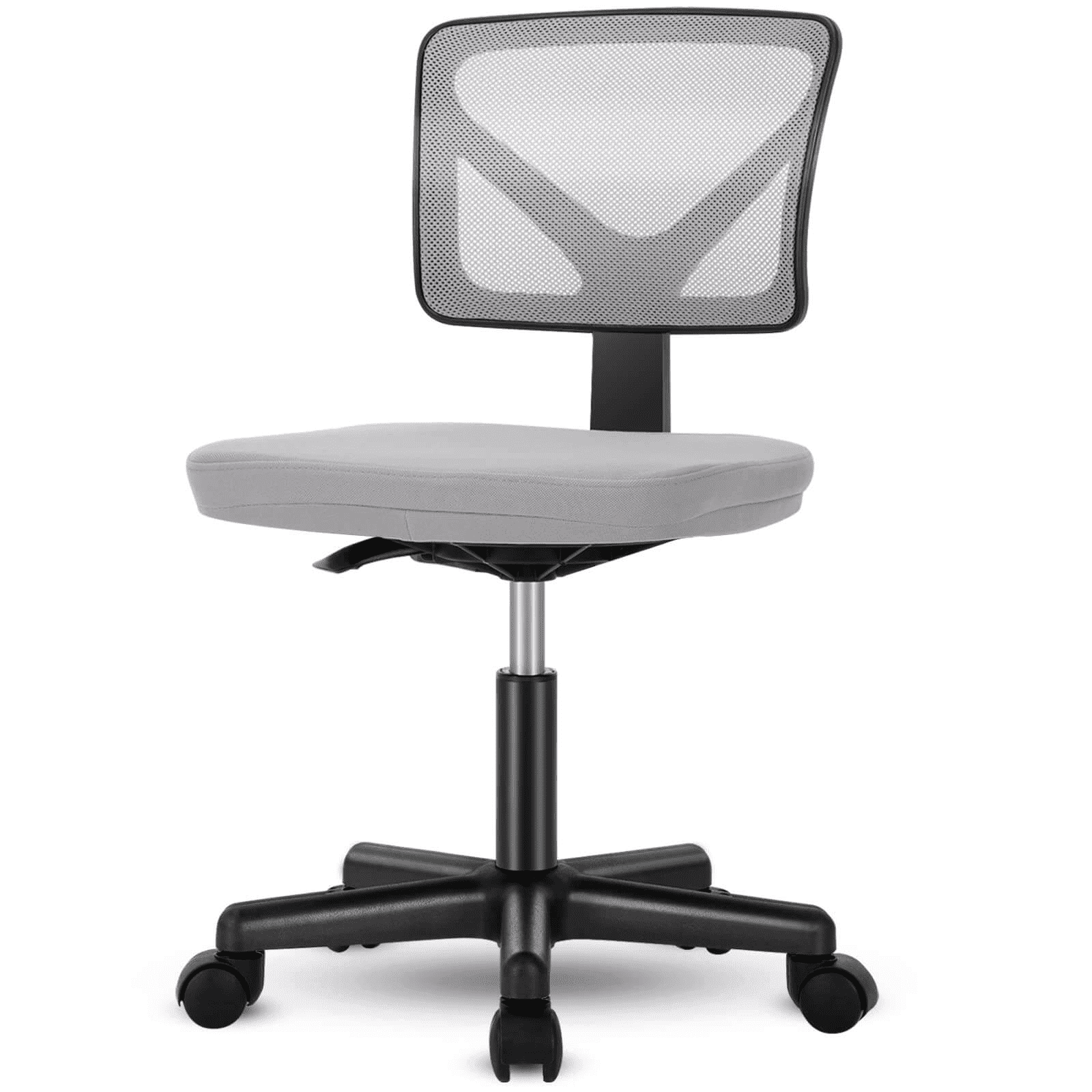
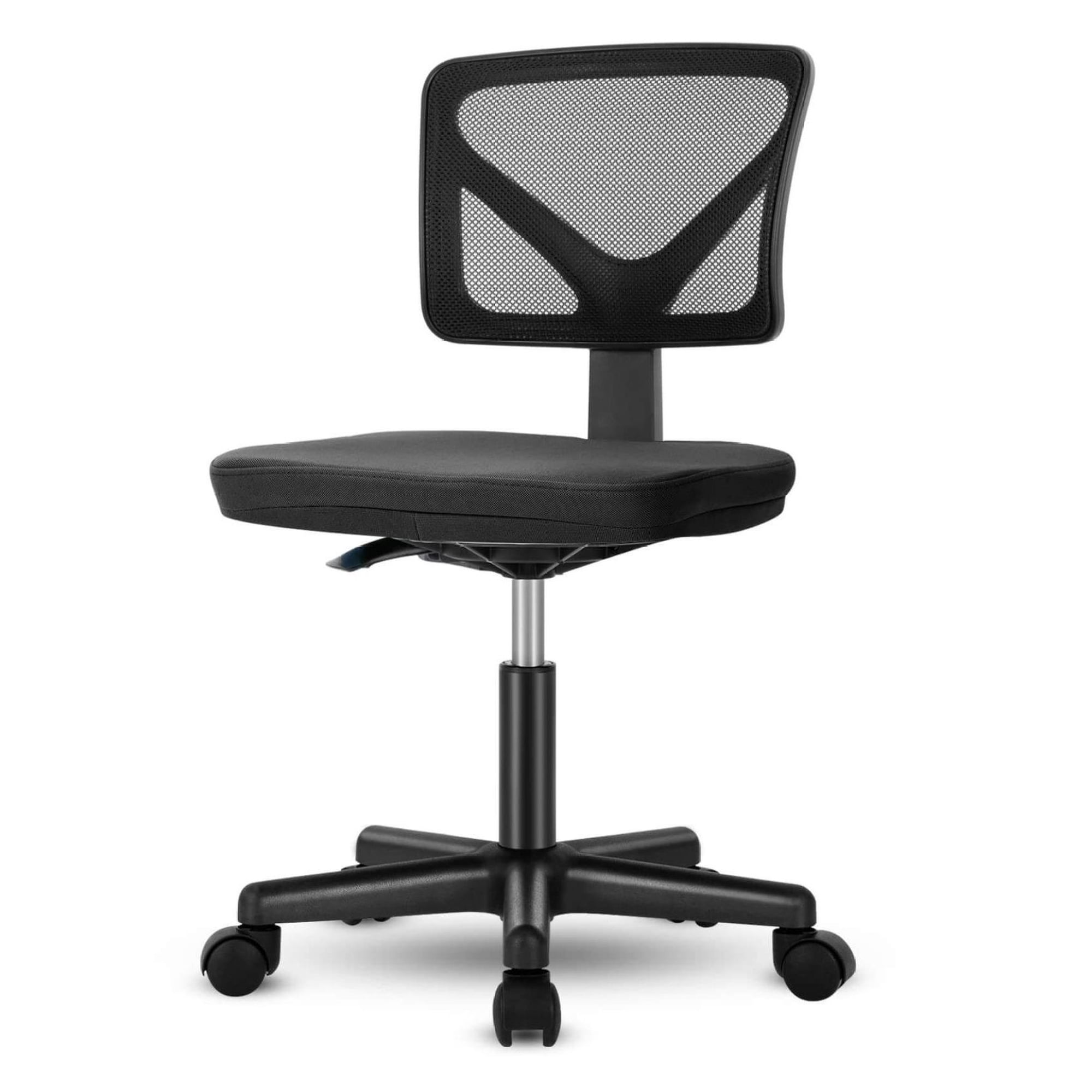
Why "No Arms, But Great Back Support" Makes Perfect Sense
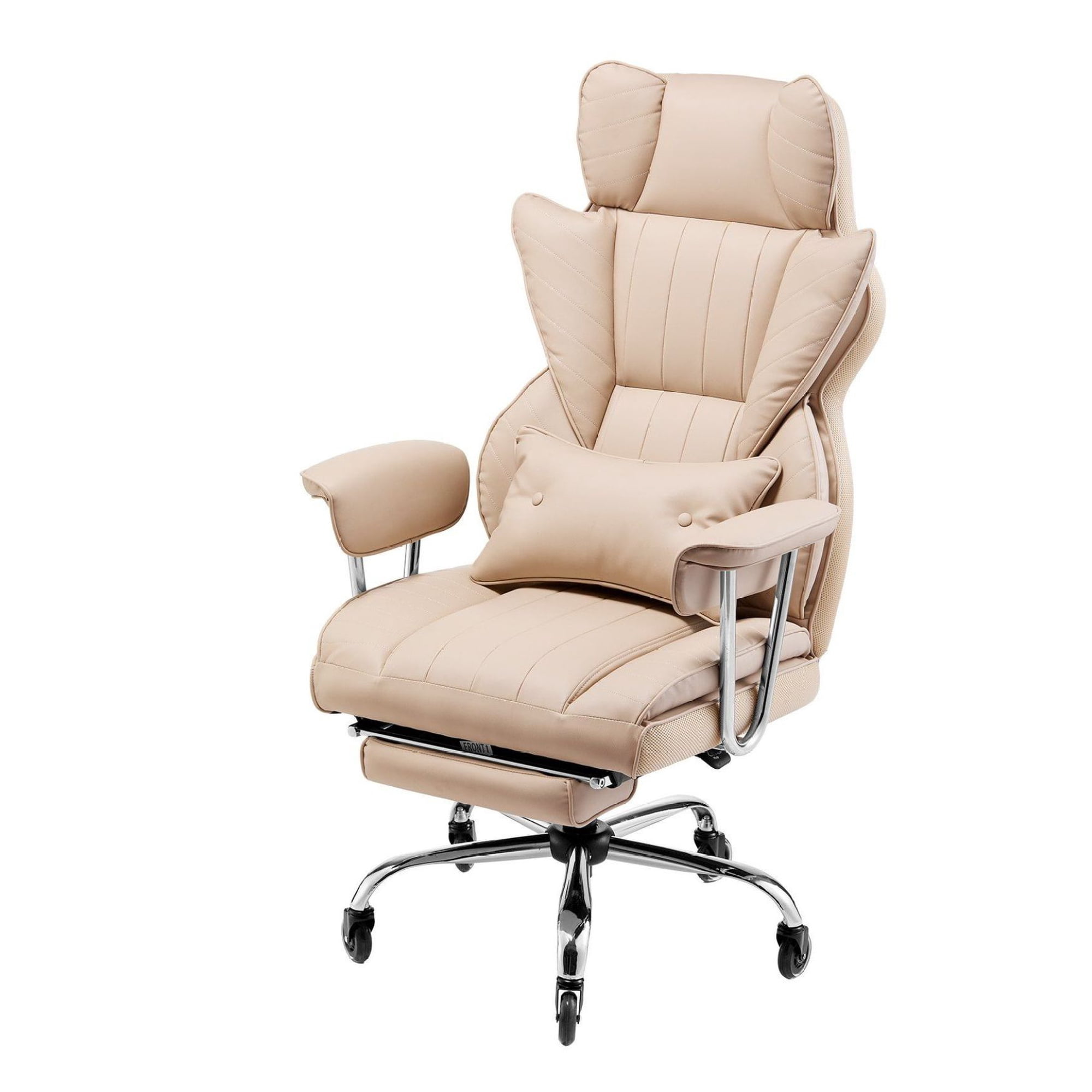
Imagine trying to fit a standard bulky executive chair into a compact home office, or constantly bumping your elbows against the armrests while typing. For many, traditional armrests can feel more like a cage than a comfort. This is where the office chair no arms lumbar support category shines. It strips away the unnecessary to focus on what truly matters: your spine's health.
These chairs are not about compromise; they are about intentional design. By removing the arms, you gain the freedom to sit closer to your desk, move naturally, and even sit cross-legged if that's your style. But the magic ingredient is the built-in lumbar support. Without it, an armless chair is just a stool. With it, you get a tool that actively encourages the natural S-curve of your spine, reducing the slouching that leads to afternoon backaches. According to ergonomic studies, proper lumbar support can reduce spinal disc pressure by up to 40%, making these chairs a silent ally in your workday.
The "Active Sitting" Advantage: How Armless Design with Lumbar Support Changes Your Posture
Most people think a good office chair should hold you like a firm hug. But the human body is designed for movement. Static, rigid postures are the enemy of a healthy back. This is where an armless chair with targeted lumbar support creates a unique synergy. It doesn't lock you in; it supports you while you move.
The Core Concept: Freedom vs. Restriction
Think of armrests like training wheels on a bike. They provide stability, but they can also prevent your core muscles from engaging. When you remove the armrests, your body naturally relies more on its own structural support—your abdominal and back muscles. This subtle shift encourages what ergonomists call "active sitting." You make tiny, subconscious adjustments throughout the day, shifting your weight, leaning forward, or turning to the side. These micro-movements pump nutrients into spinal discs and prevent the stiffness that comes from being locked in one position for hours.
- Improved Circulation: Freedom to shift position keeps blood flowing to your legs and glutes.
- Core Engagement: Without armrests to lean on, your core muscles lightly engage, providing natural spinal stability.
- Natural Alignment: You're forced to sit closer to the desk, which can prevent the forward head posture caused by leaning back into armrests.
The Lumbar Connection: The Unsung Hero in an Armless Chair
Without arms, the lumbar support becomes the star player. It's the only constant guide for your spine. A high-quality lumbar mechanism in an armless chair acts like a friendly hand, reminding you to maintain your curve even as you move. This is a departure from standard office chairs where both arms and lumbar compete for your attention. Here, the lumbar support is the primary ergonomic feature.
Key Lumbar Features to Look For:
- Adjustable Depth: This is non-negotiable. The support must push into the curve of your lower back, not just sit flat against it.
- Height-Adjustable Lumbar: Everyone's spine is different. You need to be able to move the pad up or down to hit the apex of your lumbar curve.
- Dynamic Tension: Some advanced chairs have lumbar that flexes and moves with you, providing support whether you're leaning forward to type or sitting upright.
Who Is This Hybrid Chair Perfect For?
The combination of armless freedom and focused lumbar support isn't for everyone, but for specific groups, it's a revelation.
Small Space Dwellers
Slides completely under a desk, saving valuable square footage in apartments or tiny home offices.
Multi-Taskers
Perfect for those who swivel between a desk, a drawing table, or a side console without armrests getting in the way.
Broad-Shouldered Individuals
Standard armrests are often too narrow. An armless design offers unlimited shoulder room.
Rehabilitation & Flexibility
Ideal for users recovering from injuries who need to change positions frequently or sit in non-standard ways (e.g., with one leg tucked).
Material & Build: What to Prioritize
Since the chair relies heavily on its backrest, material choice affects both durability and comfort.
Mesh Backs (Highly Recommended)
- Breathability: Keeps you cool, as the lumbar support area won't trap heat.
- Dynamic Flexibility: Mesh often flexes slightly, complementing the "active sitting" concept.
- Durability: High-quality mesh resists sagging and maintains its tension for years.
Fabric/Leather Considerations
- Comfort: Plush and soft, but can get warm.
- Lumbar Integration: Look for chairs where the lumbar is a sculpted part of the foam, not just a flat back.
- Maintenance: Easier to clean than mesh? Depends on the fabric.
Data Point: A study published in the journal "Spine" indicated that chairs with dynamic, adjustable lumbar support reduced perceived lower back discomfort by 53% compared to chairs with fixed, non-adjustable backs. This is especially critical in an armless design where the backrest is the primary contact point.
Beyond the Chair: Setting Up Your Armless Workspace
To maximize the benefits of your new chair, your desk setup matters more than ever. Without armrests, your desk surface becomes your arm support.
- Desk Height is Critical: Your desk should be at a height where your forearms are parallel to the floor when typing. This prevents shoulder hunching.
- Invest in a Quality Keyboard Tray: If your desk is too high, a tray can bring the keyboard to the perfect level, as you can't rely on chair armrests to bridge the gap.
- Consider a Gel Wrist Rest: This provides the support your wrists might miss from padded armrests, especially during long typing sessions.
- Monitor Height: Ensure your eye level is at the top of your screen to maintain a neutral neck position, as you'll be sitting more upright without arms to lean back into.
Frequently Asked Questions: Armless Chairs & Lumbar Support
Conclusion: Is an Armless Lumbar Chair Your Next Smart Purchase?
Choosing an office chair with no arms but dedicated lumbar support is a decision to prioritize spinal health and spatial freedom over the conventional notion of a "complete" chair. It's a minimalist approach that can yield maximum benefits if it aligns with your work style and physical needs. It forces better desk ergonomics, encourages movement, and places the emphasis exactly where it should be: on the natural curve of your back.
For the remote worker in a cramped apartment, the artist needing unrestricted arm movement, or anyone who has ever felt confined by standard armrests, this chair type is not just an alternative—it's an upgrade. Pair it with a properly set up desk, and you have a workspace that supports both your body's need for motion and your spine's need for stability.