
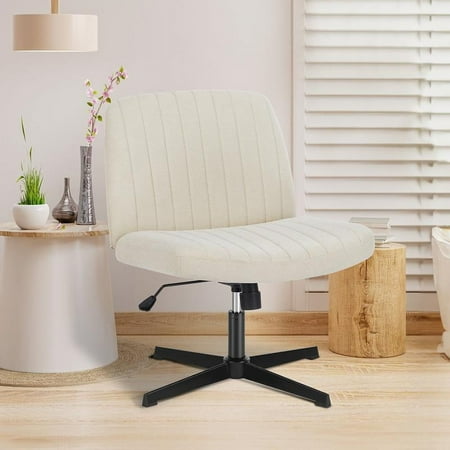
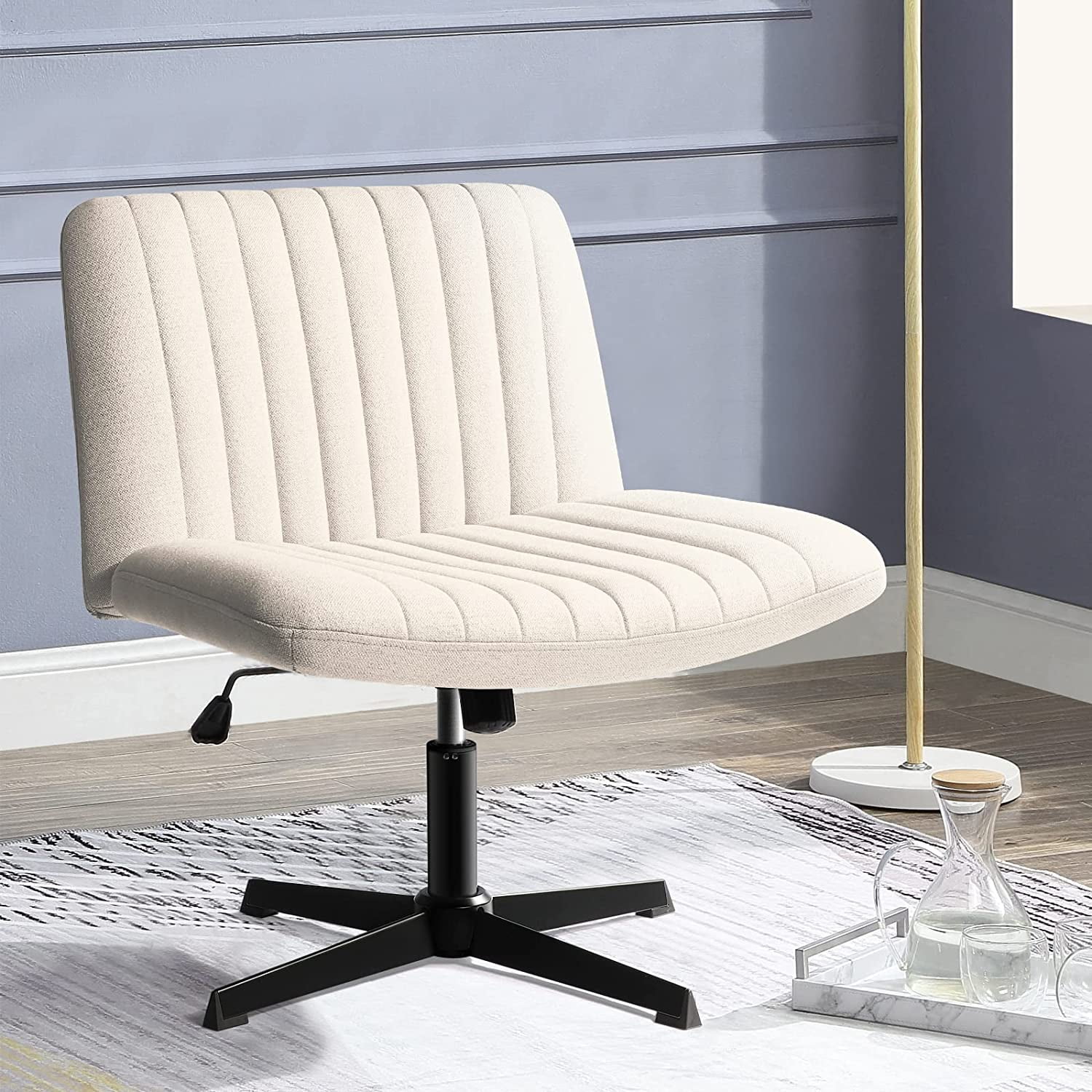
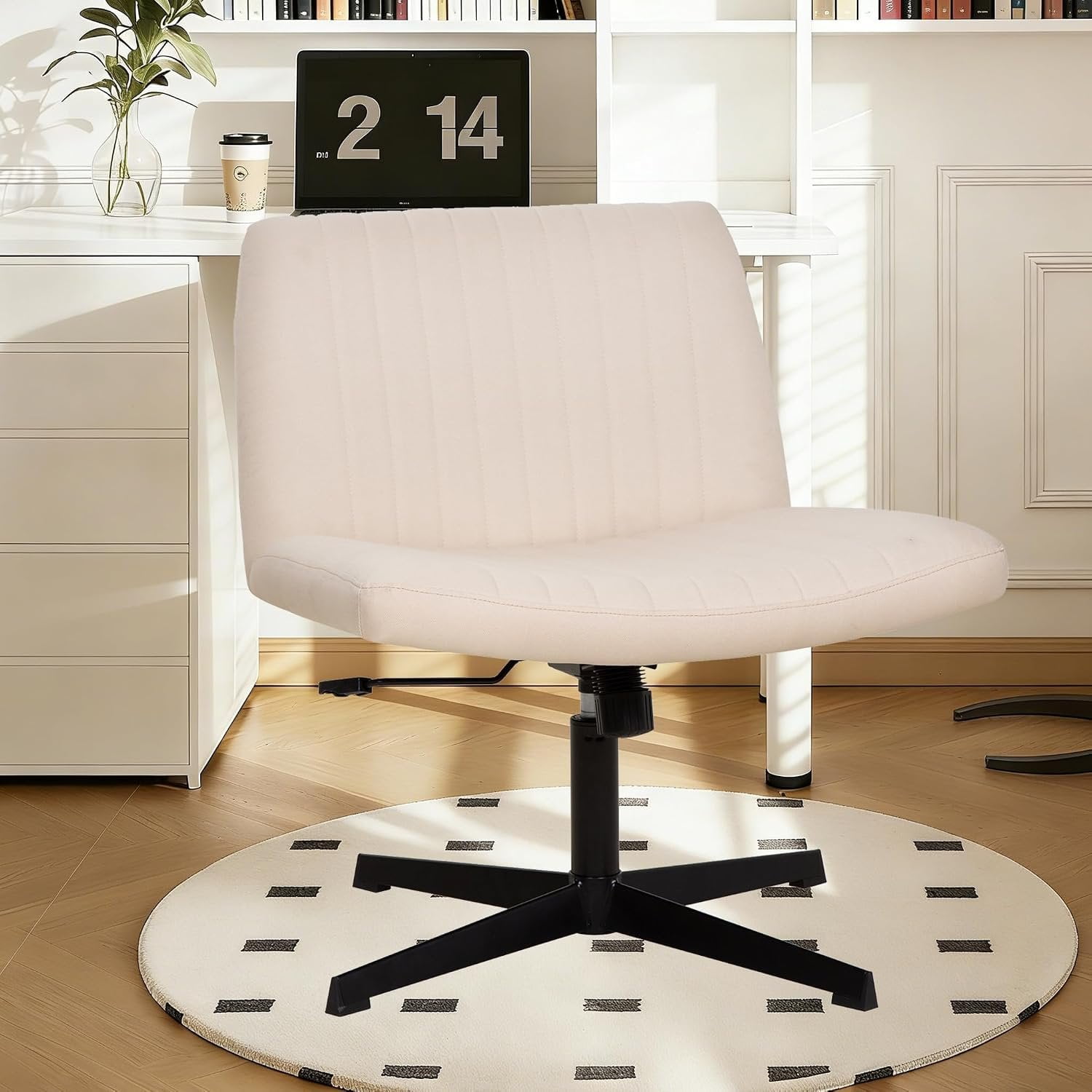
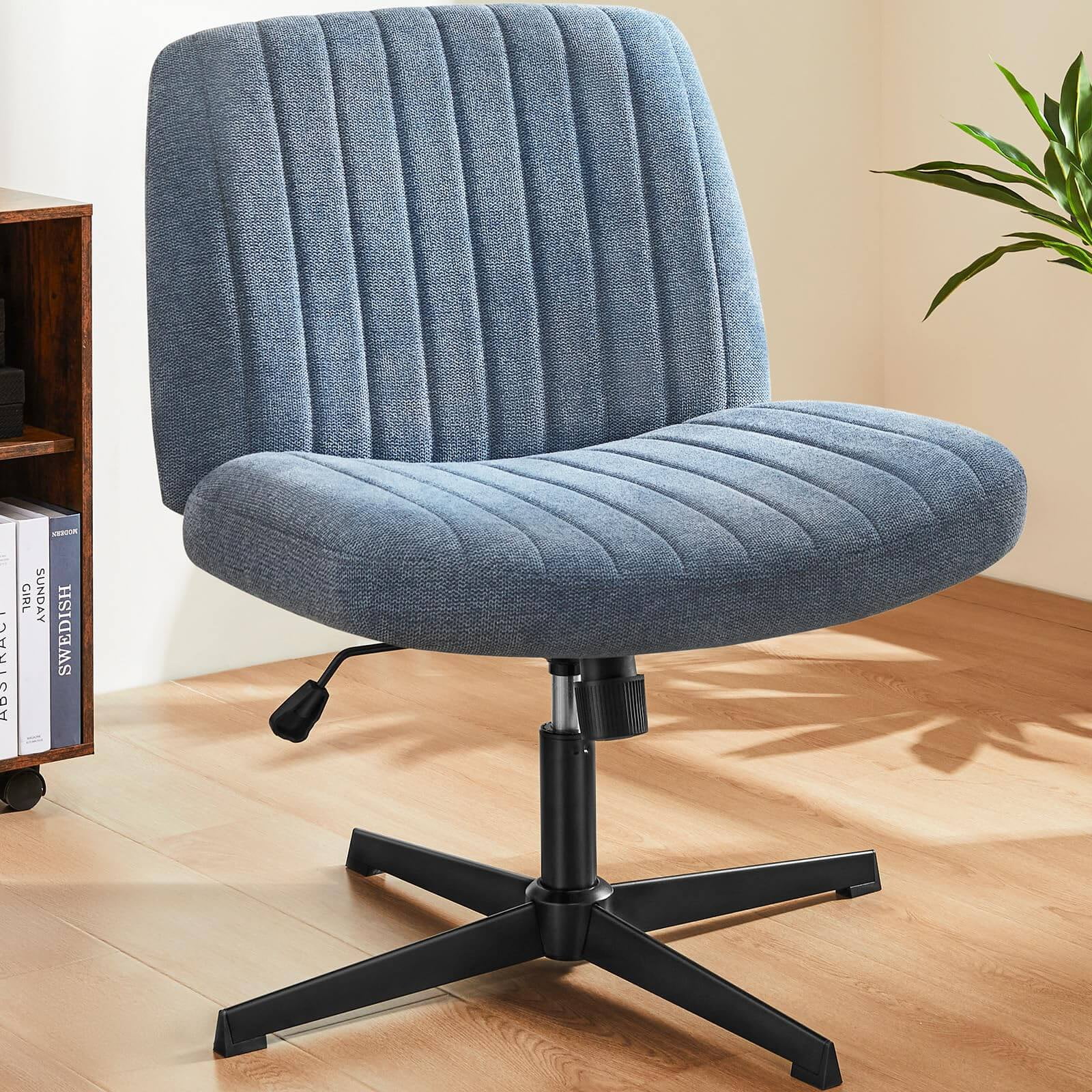
Why Choose a Stationary Adjustable Height Chair?
Imagine trying to read a map on a moving boat—frustrating, right? That’s how some people feel in a rolling office chair on a slick floor. An office chair no wheels adjustable height is like a sturdy lighthouse: firmly planted, yet offering a perfect view (or in this case, perfect ergonomics). It provides the adjustability you need for proper posture without the constant micro-movements that can break focus.
Ergonomic Insight: A study in the Journal of Physical Therapy Science noted that excessive shifting in a chair with poor stability can lead to muscle fatigue. A stable base allows your core muscles to relax, reducing overall fatigue by up to 20% during a workday.
The Undeniable Benefits of a Wheel-less Design
While rolling chairs dominate the market, the stationary adjustable height chair is a specialized tool that excels in specific environments. Let's break down why you might anchor yourself.
- Superior Stability for Precision Tasks: Architects, artists, and gamers often prefer a fixed chair. No unexpected rolling when you lean forward to sketch or make a critical move.
- Floor Protection Guaranteed: Even "hard floor casters" can leave micro-scratches over time. Chairs with glides or fixed feet eliminate this risk entirely—perfect for hardwood, laminate, or tile.
- Enhanced Focus and "Stay-Put" Mentality: There’s a psychological anchor. Knowing you won't roll away subconsciously tells your brain it's time to buckle down and work.
- Ideal for Sloped or Uneven Floors: In older homes or studios with slight floor inclines, a rolling chair becomes a runaway train. A stationary base remains perfectly level and safe.
- Cleaner Aesthetic: Without casters, the base often has a cleaner, more furniture-like appearance—blending seamlessly into a home office or living room workspace.
Key Features to Look For in a Non-Rolling Adjustable Chair
Just because it doesn't roll doesn't mean it skimps on features. Here’s what separates a great stationary chair from a back-breaking perch.
1. Base Type: Glides vs. Fixed Legs
The base determines stability and slight movement. Most office chair no wheels adjustable height models use one of two systems:
- Glides (or Sled Base): These are smooth, often felt-tipped pads at the end of a five-star base. They allow you to push or rock slightly to shift position but won't roll freely. Great for those who want the option to nudge the chair an inch or two.
- Four-Leg Base: Think of a sturdy dining chair. This offers zero movement—absolute stability. These are often found in high-weight-capacity or design-forward chairs. You must get up to reposition.
2. Adjustability Mechanisms
Don't assume "no wheels" means "no adjustments." Look for these critical ergonomic features:
- Pneumatic Height Adjustment: The same gas lift mechanism as rolling chairs. Essential for matching your desk height.
- Seat Depth Adjustment: Allows you to slide the seat pan forward/backward to support your thighs properly.
- Lumbar Support: Ideally adjustable in height and depth. This is your spine's best friend.
- Tilt Tension and Lock: The ability to recline slightly and lock the angle promotes dynamic sitting.
Who Needs an Office Chair Without Wheels?
The "one-size-fits-all" approach doesn't work for seating. Here’s a quick guide to see if this category is for you:
| User Profile | Why a Stationary Chair Works | Key Feature to Prioritize |
|---|---|---|
| Creative Professionals (Designers, Artists) | Stability for drawing/handwork; no rolling when reaching for tools. | Swivel function (still needed!) & stable glides. |
| Home Office Users with Delicate Floors | Protects expensive hardwood or tile from scratches. | Felt glides or rubber feet. |
| Gamers | Intense movements won't send you rolling away from the screen. | High backrest & sturdy four-leg base. |
| Individuals with Mobility Issues | Easier to get in/out of a chair that doesn't roll away. | Sturdy armrests for leverage & fixed base. |
| Big & Tall Users | Higher weight capacity often comes with a more robust, non-caster base. | Reinforced frame & wide seat. |
Material Matters: Upholstery for Stationary Seating
The material choice affects comfort, maintenance, and how the chair integrates with your room.
- Leather/Faux Leather: Easy to clean, looks professional. Can be warm in summer but wipes clean easily—great for a studio where paint or ink might be present.
- Mesh: Extremely breathable, keeping you cool during long sessions. Often used in ergonomic-focused models with adjustable lumbar.
- Fabric: Offers a cozy, residential feel. Available in countless colors. May require more cleaning but feels warmer and softer.
According to interior design surveys, 68% of home office buyers now prioritize "residential look" office furniture, making fabric and leather stationary chairs a top choice for blending workspaces with living areas.
Overcoming the "Mobility" Challenge
The biggest concern with a no-wheel chair is, "How do I reach the filing cabinet?" The solution is simple: swivel + mindset. A quality stationary chair still swivels 360 degrees. You twist to reach side tables or adjacent desks. If you need to move across the room, you stand up—which ergonomists actually recommend doing every 30-60 minutes anyway. It’s a feature, not a bug.
✅ Zero Floor Damage
Felt glides are standard on premium models.
✅ Perfect Posture Anchor
Your body stays aligned without micro-adjustments.
✅ Quiet Operation
No clicking casters on hard floors.
✅ Design Versatility
Looks like a statement chair, not office equipment.
How to Set Up Your Stationary Chair for Optimal Ergonomics
- Set the Height: Adjust the chair so your thighs are parallel to the floor, feet flat. Your knees should be at a 90-degree angle. The pneumatic lever makes this easy.
- Adjust Seat Depth: Slide the seat pan so there are 2-3 finger widths of space between the back of your knee and the seat edge. This prevents circulation restriction.
- Position Lumbar Support: The curve of the support should fit into the small of your back. Adjust height until it feels supportive, not pushing you forward.
- Set Armrests (if available): Adjust them so your shoulders are relaxed and your elbows form a 90-degree angle when typing.
- Test Recline: Lean back. The tension should be firm enough to support you but loose enough to allow movement. Lock the tilt if you prefer a static angle.
By following these steps, your office chair no wheels adjustable height becomes a personalized command center for productivity.
Frequently Asked Questions: No-Wheel Adjustable Chairs
Conclusion: Stability is the New Luxury
In a world of constant motion, an office chair no wheels adjustable height offers a counter-trend: intentional stillness. It proves that you don't need casters to have a fully ergonomic, adjustable, and professional seating solution. Whether you're protecting a pristine hardwood floor, seeking laser-focused stability for creative work, or simply wanting a chair that looks like fine furniture, this category delivers. By choosing a model with the right base, ample adjustability, and quality materials, you invest in a workspace that anchors you to success—without rolling away from it.