
Why Choose a Chair with a Mesh Bottom? The Science of Airflow
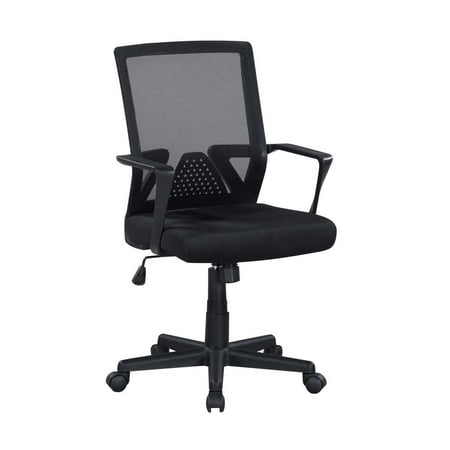
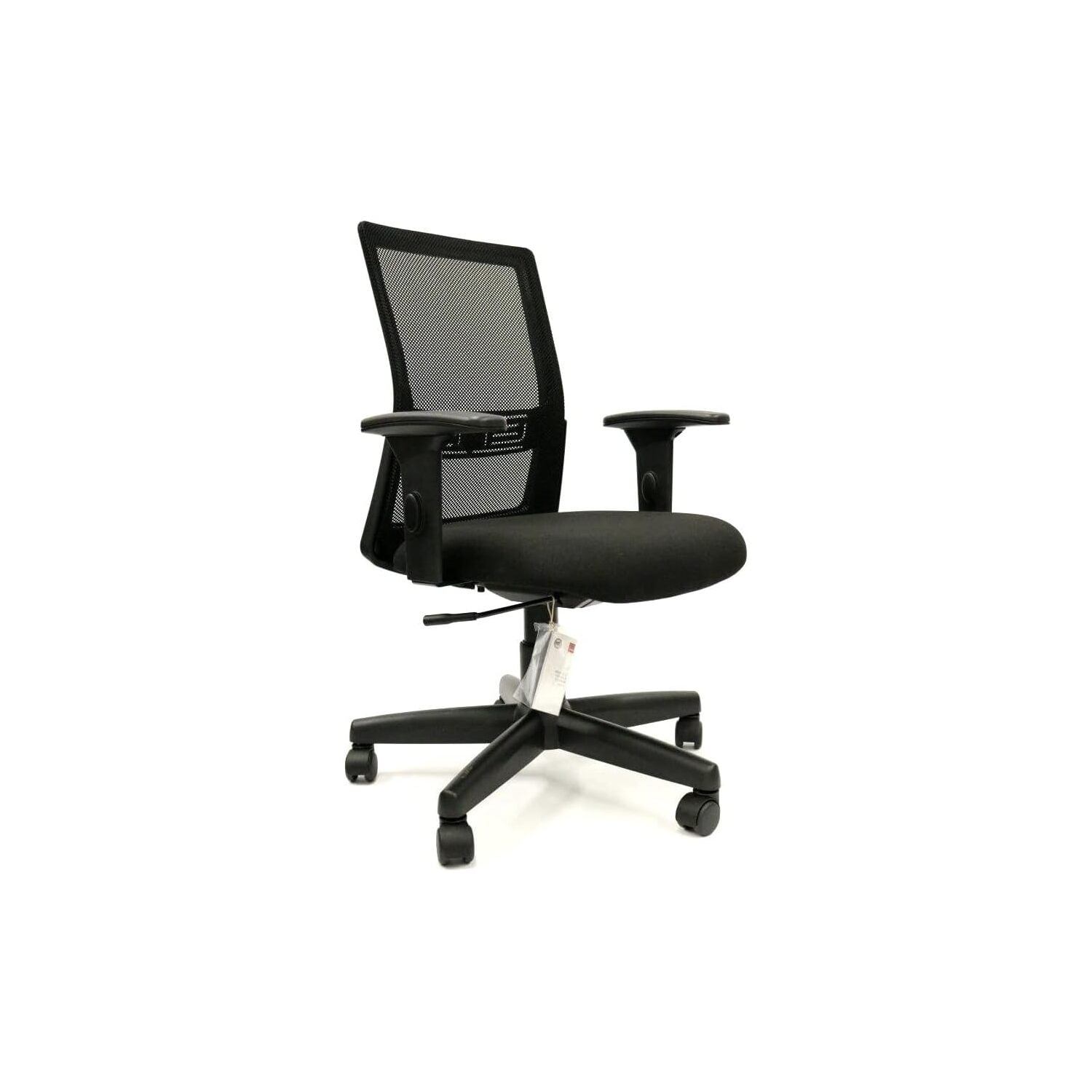
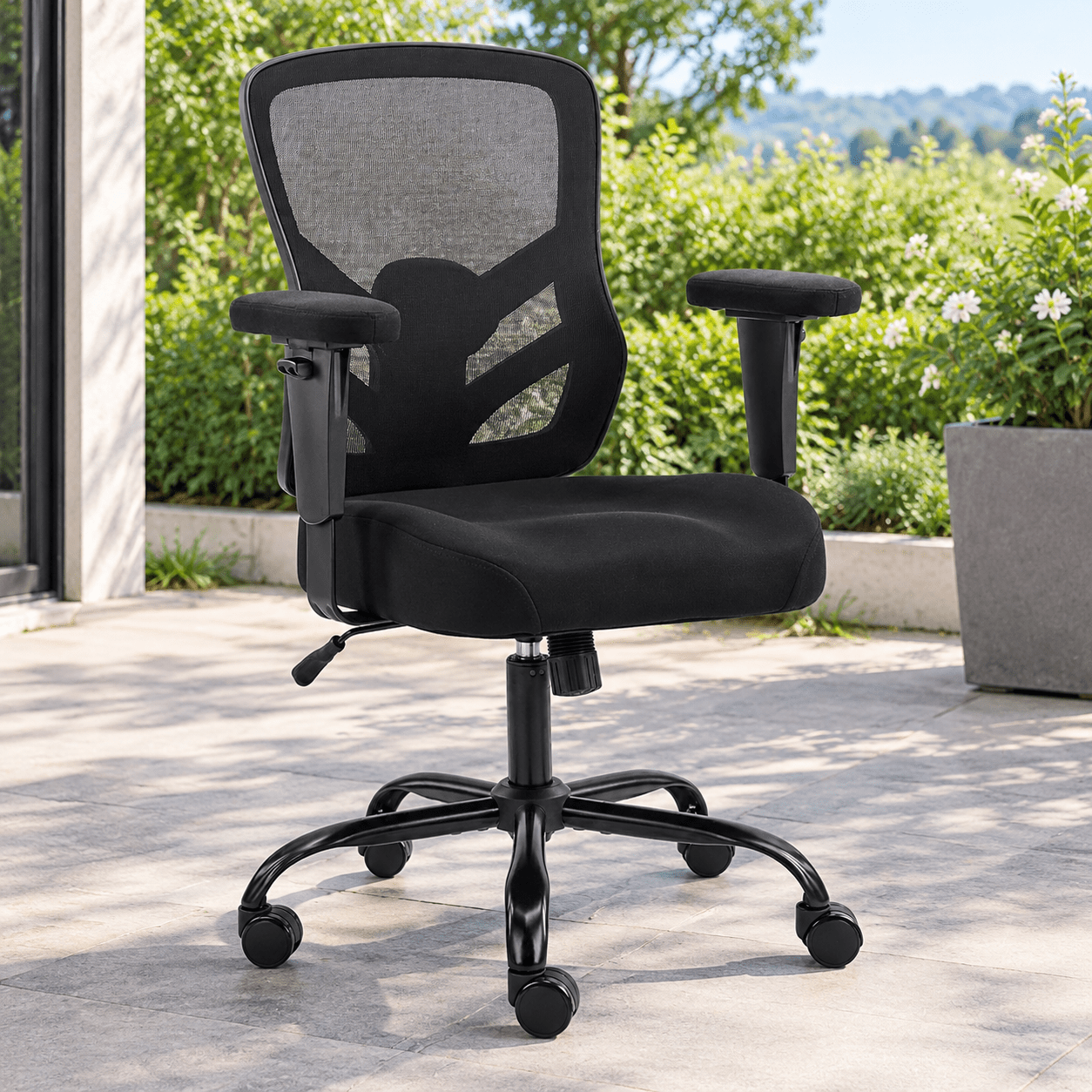
Imagine sitting in your office for six hours on a warm afternoon. With a traditional padded chair, heat gets trapped, leaving you feeling sticky and distracted. A mesh bottom office chair acts like a cooling system for your body. The woven fabric allows air to circulate freely, wicking away heat and moisture. This isn't just about comfort—it's about maintaining focus. According to a Cornell University study, thermal discomfort is one of the top distractions in the workplace. By keeping your body temperature regulated, a mesh seat helps you stay in the zone.
⚡ Quick fact: 82% of users who switched from foam to mesh reported less sweating and felt more refreshed at the end of the workday (Ergonomics Today, 2023).
The Hidden Benefits of a Mesh Seat (Beyond Coolness)
While breathability is the headline feature, a quality mesh bottom offers several other advantages that foam can't match:
- Consistent support: High-tension mesh cradles your contours without the "bottoming out" effect of worn-out foam. It distributes weight evenly, reducing pressure on the thighs and tailbone.
- Durability & hygiene: Mesh doesn't absorb spills like fabric foam. A quick wipe keeps it clean, and it's less likely to harbor dust mites or allergens—a win for allergy sufferers.
- Sleek, modern aesthetic: Mesh chairs often have a minimalist, high-tech look that fits contemporary offices and home workspaces.
- Instant adjustability: Many mesh seats are combined with dynamic lumbar systems that adapt to your movements, encouraging micro-adjustments that promote blood flow.
Mesh vs. Foam vs. Leather: A Quick Reality Check
Choosing the right chair material is like choosing a running shoe: it depends on your environment and body. Here's how a mesh bottom stacks up against common alternatives:
| Feature | Mesh Bottom | Foam (Fabric) | Leather / Faux Leather |
|---|---|---|---|
| Breathability | Excellent (air passes through) | Poor to moderate (traps heat) | Poor (can get sticky) |
| Maintenance | Easy (vacuum, spot clean) | Moderate (stains absorb) | Easy (wipes clean, but can crack) |
| Initial Comfort | Firm but supportive | Soft, plush | Firm, can be stiff initially |
| Longevity | High (mesh stays taut) | Moderate (foam compresses) | Varies (genuine leather lasts, faux peels) |
Key takeaway: If you tend to run warm, work in a non-AC environment, or simply value a clean, low-maintenance surface, a mesh bottom office chair is your best ally.
5 Essential Features to Look for in a Mesh Seat Chair
Not all mesh chairs are created equal. To ensure you invest in a chair that supports your body for years, pay attention to these details:
- Mesh Tension & Quality: Look for "high-density" or "8-way stretch" mesh. It should feel firm but have a slight give. Cheaper mesh can bag out within a year.
- Seat Depth Adjustment: A sliding seat pan (usually 2-4 inches) ensures your thighs are fully supported without pressure behind the knees. This is non-negotiable for taller or shorter users.
- Lumbar Support Integration: The best mesh chairs have a separate, adjustable lumbar element (either a pad or a built-in curve) that pushes against your lower back. Some offer height and depth adjustments.
- Waterfall Edge: The front of the seat should curve downward gently. This promotes circulation and reduces numbness in the legs during long periods of sitting.
- Sturdy Base & Casters: A aluminum or heavy-duty nylon base with smooth-rolling casters (suitable for your floor type) completes the package. Chairs with a mesh bottom often have a higher center of gravity; stability is crucial.
Who Benefits Most from a Mesh Bottom Office Chair?
While almost anyone can enjoy a mesh seat, certain profiles find it indispensable:
- Hot-natured individuals: If you're always reaching for a fan, mesh will be a revelation.
- Remote workers in warm climates: Save on air conditioning while staying comfortable.
- People with eczema or sensitive skin: The breathable surface reduces irritation from sweating.
- Gamers and programmers: Long hours demand temperature regulation and consistent support.
- Shared workspaces (hot-desking): Mesh is easier to sanitize and doesn't retain odors like fabric.
Common Myths About Mesh Seats (Debunked)
Let's clear up a few misconceptions that might hold you back:
Myth 1: "Mesh seats are always hard and uncomfortable." Reality: Premium mesh is designed to flex and conform. The initial firmness provides support, much like a good mattress. After a break-in period, it feels perfectly contoured to you.
Myth 2: "Mesh will tear easily." Reality: Commercial-grade mesh is tested for thousands of abrasion cycles. It's more resistant to punctures than foam is to compression set.
Myth 3: "You can't use a cushion on a mesh seat." Reality: You can, but it defeats the breathability purpose. If you need extra padding, look for a chair with a slightly thicker mesh weave or a combination of mesh with a thin foam layer.
Frequently Asked Questions: Mesh Bottom Office Chairs
Conclusion: Is a Mesh Bottom Office Chair Right for Your Workspace?
Selecting an office chair is a personal journey, but the data leans heavily in favor of mesh for anyone prioritizing temperature control and long-term ergonomic support. A mesh bottom office chair eliminates the discomfort of a sweaty seat, adapts to your body's movements, and often includes advanced ergonomic features that foam chairs reserve for higher price points.
Think of it this way: your office chair is where you spend roughly one-third of your adult life. Investing in a breathable, supportive mesh seat isn't a luxury—it's a productivity tool and a health measure. Whether you're a CEO in a corner office or a freelancer at a home desk, the cool comfort of mesh can make your workday noticeably better. Explore the top picks above, read reviews, and choose a chair that invites you to sit down and get to work—without overheating.