
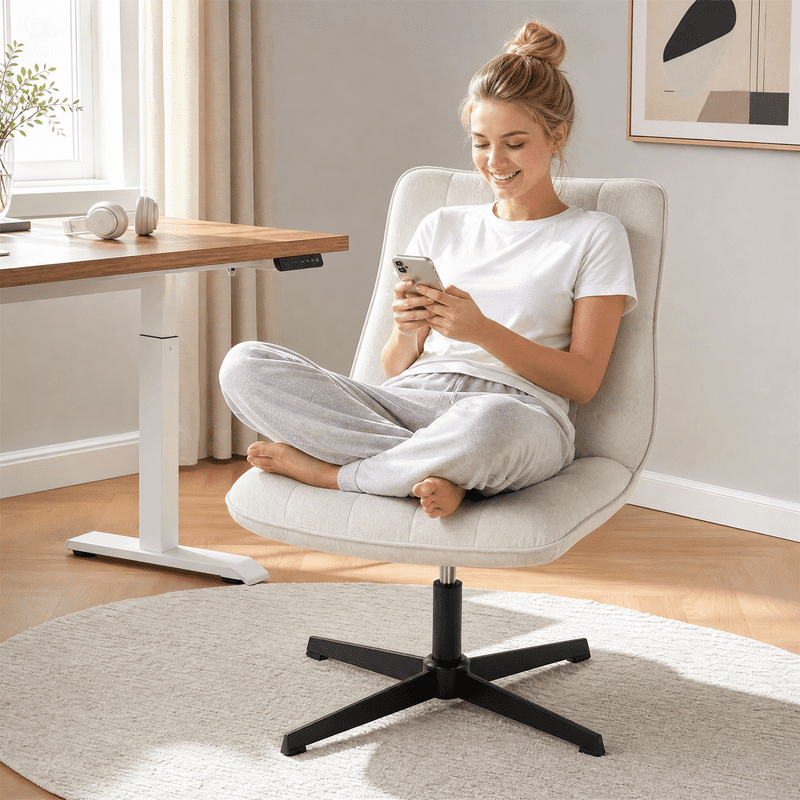
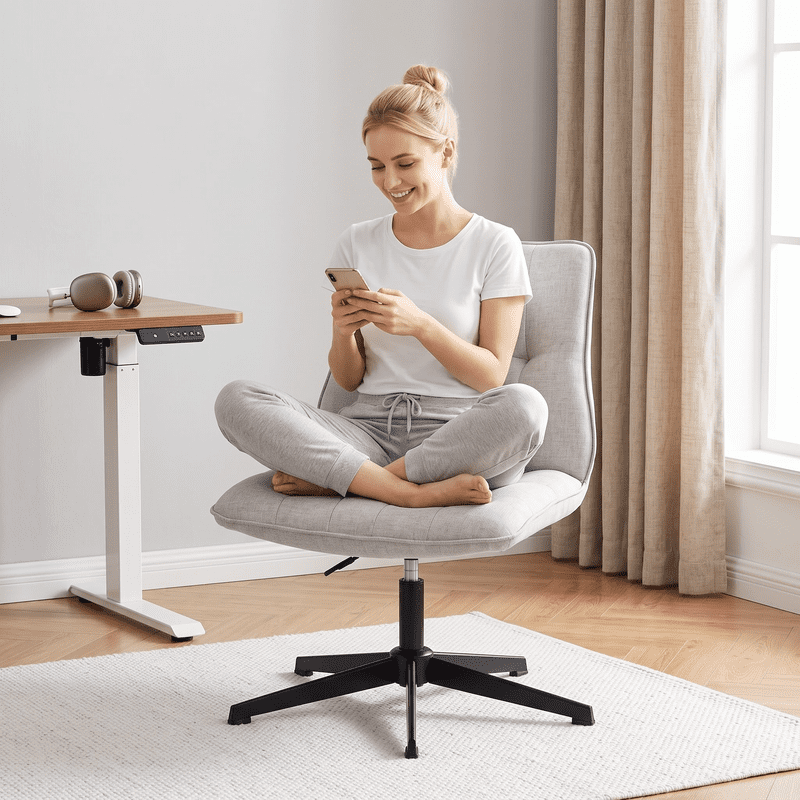
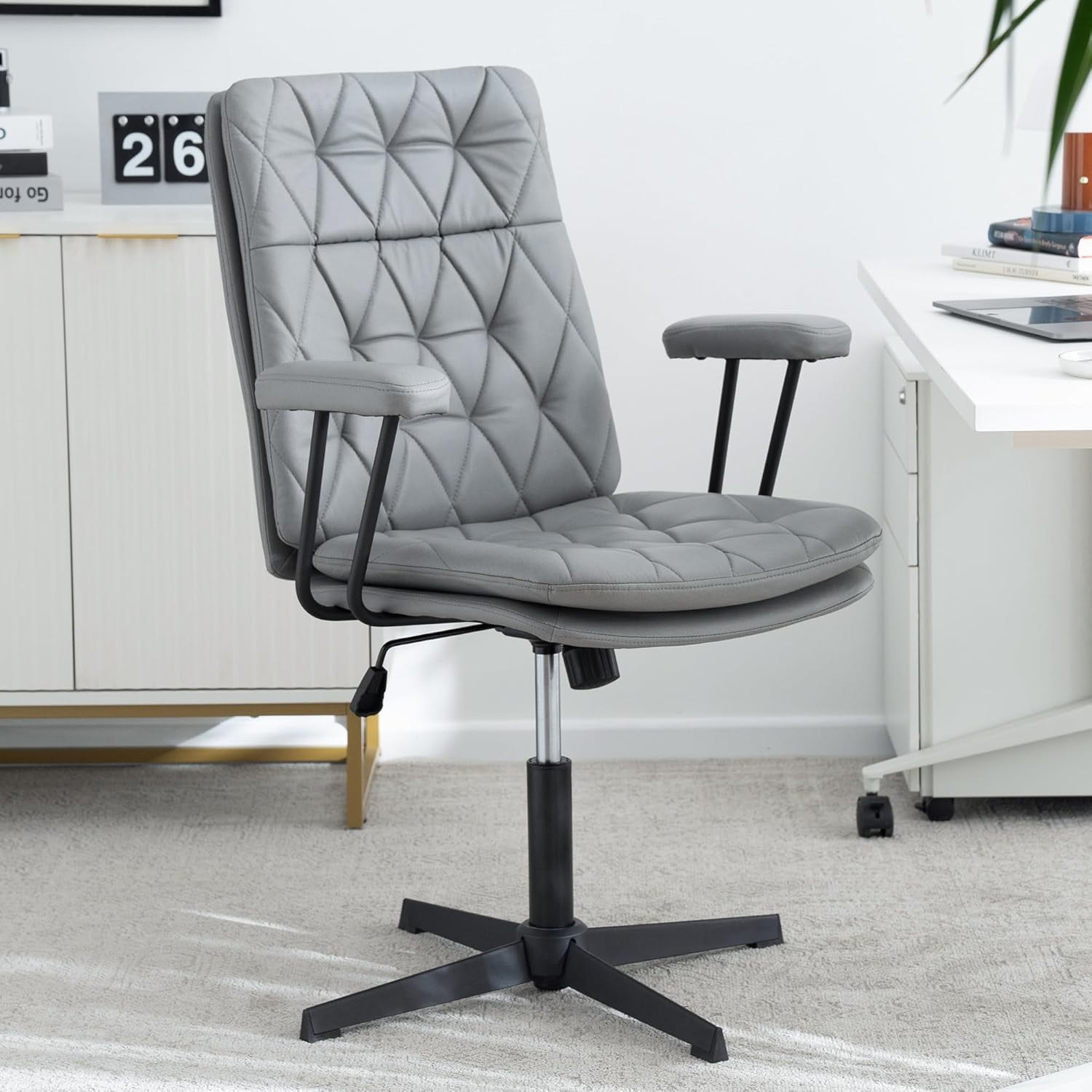
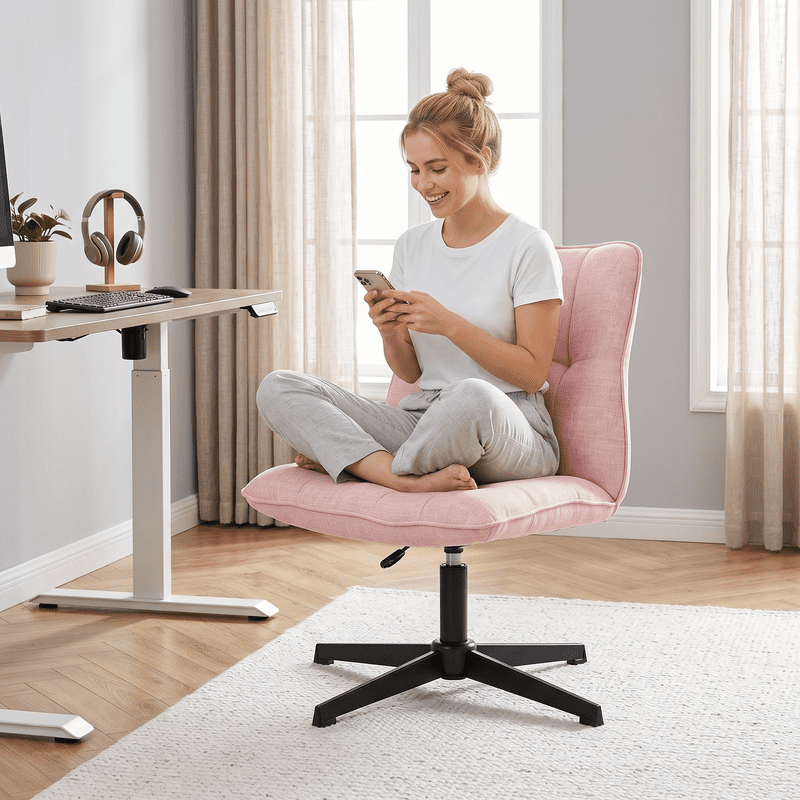
Reclaim Your Focus: Why a Wheel-less Office Chair Might Be Your Best Investment
Imagine this: you're deeply engrossed in a complex report, and with a slight shift of your weight, your chair rolls a few inches away from your desk. You pull yourself back, but the momentum is broken. This subtle, often unconscious movement happens dozens of times a day, quietly chipping away at your concentration. A wheel-less office chair offers a powerful solution to this modern workplace distraction.
Often called stationary chairs or fixed-base seating, these designs replace rolling casters with stable glides or a solid pedestal. They are not about restricting your movement, but about making it intentional. For professionals who stand, design, or analyze, a chair that stays put is a tool for precision. Let's explore why going wheel-less is a trend backed by ergonomics and productivity science.
The 'Anchor Effect': How Stationary Chairs Enhance Focus
There's a psychological principle at play: when your body is anchored, your mind is free to wander creatively without physical wandering. A study on workplace dynamics suggests that reducing non-purposeful movement can decrease cognitive load, allowing you to allocate more mental energy to the task at hand. A wheel-less chair acts as a physical anchor, signaling to your brain that it's time for deep, focused work.
From a physics perspective, a stationary base provides a more stable platform for your pelvis and spine. When your chair doesn't shift, your micro-muscles aren't constantly firing to correct for unexpected movements. This can lead to reduced muscle fatigue by the end of the day. Think of it like the difference between standing on a moving bus versus standing on solid ground—one requires constant, energy-draining adjustments, while the other allows for relaxation and stability.
Ideal Use Cases: Where Wheel-less Chairs Excel
While not for everyone, stationary chairs are indispensable in specific scenarios:
- The Standing Desk Companion: This is the #1 use case. A wheel-less chair at a standing desk provides a "lean stool" function. You can perch at the perfect height, and it won't roll away when you stand up. It encourages a healthy sit-stand rhythm.
- Drafting and Design Work: Architects, graphic designers, and engineers often need to reach for tools or reference materials. A wheel-less chair ensures they return to the exact same position, maintaining consistent ergonomics.
- Delicate Flooring: Hardwood, laminate, and tile floors are susceptible to scratches from traditional casters. Wheel-less chairs with felt glides are the ultimate floor protectors.
- Executive Presence: In a conference room or a client-facing office, a stationary chair can convey a sense of stability and authority. It eliminates fidgeting during important presentations.
- Rehabilitation & Posture Training: Physical therapists sometimes recommend stationary seating to help individuals retrain their posture and core engagement, as the chair forces them to stabilize themselves actively.
Navigating the World of Stationary Seating: Key Features and Materials
Just because a chair lacks wheels doesn't mean it lacks options. Modern wheel-less chairs come in a variety of styles, each with a different base mechanism and ergonomic feature set.
Types of Wheel-less Chair Bases
Glides / Sled Base
- How it works: Uses smooth, fixed pads (often felt or plastic) instead of wheels.
- Best for: Hard floors and carpets. They offer slight sliding if pushed, but no rolling.
- Pros: Easy to pivot on, protects floors, simple and durable design.
Fixed Pedestal / Central Column
- How it works: A single, heavy-based column with a wide, stable footrest ring or solid base.
- Best for: Drafting stools, laboratory seating, and industrial use.
- Pros: Maximum stability, often includes a footring for support, incredibly durable.
Ergonomic Features You Can't Ignore
When shopping for a wheel-less chair, look beyond the base. These ergonomic features are critical for long-term comfort:
| Feature | Why It Matters in a Stationary Chair | What to Look For |
|---|---|---|
| Pneumatic Height Adjustment | Essential for aligning with your desk, especially standing desks. Without wheels, you must be able to adjust the height to get into the perfect position. | A smooth gas lift with a wide range (at least 4-6 inches). |
| Seat Depth Adjustment | Proper seat depth ensures your back rests against the lumbar support while leaving 2-3 finger widths behind your knees. This prevents circulation issues. | A slider mechanism that moves the seat pan forward or backward. |
| Lumbar Support | Critical for maintaining the spine's natural 'S' curve. In a stationary chair, you're in a more fixed position, making adjustable lumbar support even more vital. | Adjustable height and depth lumbar systems, or dynamic support that moves with you. |
| Swivel Function | Most wheel-less chairs still swivel. This allows you to turn to reach different areas of your workspace without needing to roll. | A 360-degree smooth swivel mechanism. |
Material Matters: Comfort and Durability
The upholstery on a stationary chair is just as important as on any other office chair. Here's a quick guide:
- Mesh: Highly breathable, keeping you cool during long periods. Often used in task-oriented stationary chairs. Best for warmer climates or those who run hot.
- Fabric: Offers a wide range of colors and a soft feel. Durable, high-quality fabrics are easy to clean and provide good insulation. Best for general office use and comfort.
- Leather/Faux Leather: Projects a premium, executive image. Easy to wipe clean. Best for executive offices or client-facing environments, but can be less breathable.
According to industry data, chairs with high-resilience foam in the seat and a robust frame (often steel or reinforced polymer) last 8-12 years, even with daily use. The absence of wheels removes a common failure point (casters breaking or jamming), potentially increasing the chair's lifespan.
Choosing Your Perfect Stationary Chair: A Step-by-Step Guide
Selecting the right wheel-less chair is a personal journey. Follow these steps to ensure you make a choice that supports your body and workflow for years to come.
Step 1: Analyze Your Workspace & Work Style
- Floor Type: Hardwood? Use chairs with smooth felt glides. Carpet? Sled bases work well.
- Desk Type: Is it a fixed-height desk or a standing desk? For standing desks, a stool-style fixed pedestal chair with a footring is ideal. For standard desks, a height-adjustable sled base chair works best.
- Task Requirements: Do you need to reach multiple areas? A 360° swivel is crucial. Do you need to lean back and think? Look for a chair with a good tilt mechanism.
Step 2: Prioritize Ergonomic Adjustments
Not all stationary chairs are created equal. Create your priority list:
- Non-negotiable: Seat height adjustment.
- High Priority: Adjustable lumbar support. This is your back's best friend.
- Important: Seat depth adjustment, especially if you are tall or short.
- Nice to Have: Adjustable armrests (height, width, pivot) to support your shoulders.
Step 3: Match Your Budget to Quality
A wheel-less chair is an investment in focus and health. Here's a realistic budget breakdown:
Entry-Level
Basic stationary chairs, often with limited adjustments. Good for guest seating or short-term use.
Mid-Range
The sweet spot for most home offices. You'll find good ergonomics, durable materials, and solid base construction.
Premium
High-end ergonomic designs with advanced lumbar systems, premium leather/mesh, and heavy-duty frames. Built for 24/7 use.
Step 4: Test for "Intentional Movement"
Sit in the chair. Can you easily pivot to reach your keyboard and mouse? Can you tilt back comfortably? Does the chair feel firmly planted when you shift your weight? The goal is a chair that feels stable yet allows for the micro-movements your body needs. If a chair feels too restrictive, it's not the right one.
Health and Productivity Benefits: What the Data Says
Reduced Fidgeting
Studies on workplace productivity suggest that eliminating non-task-related movement can improve concentration by up to 20%. A stationary chair minimizes the 'drift' that breaks focus.
Improved Core Engagement
Because the chair doesn't roll, your core muscles engage slightly more to maintain posture. This subtle engagement can strengthen your back over time.
Better Hip Alignment
A stable base prevents the hips from tilting or rotating unevenly, which can happen when one wheel rolls and the others don't. This promotes better pelvic alignment.
Floor Protection
While not a health benefit, it's a huge plus for your wallet. Replacing scratched hardwood is expensive; wheel-less chairs with glides are a permanent solution.
Frequently Asked Questions About Wheel-less Office Chairs
Final Verdict: Is a Wheel-less Chair Right for You?
Choosing a wheel-less office chair is a statement about how you want to work. It's a choice for stability over constant motion, for intentional focus over unconscious distraction. For the standing desk user, the design professional, or the executive who values a grounded presence, these chairs offer unique benefits that rolling chairs simply cannot match.
By prioritizing key ergonomic features like lumbar support and seat depth adjustment, and by selecting the right base type for your floor, you can find a stationary chair that not only protects your back but also transforms your productivity. It's not about being stuck in place; it's about being anchored to your purpose.