
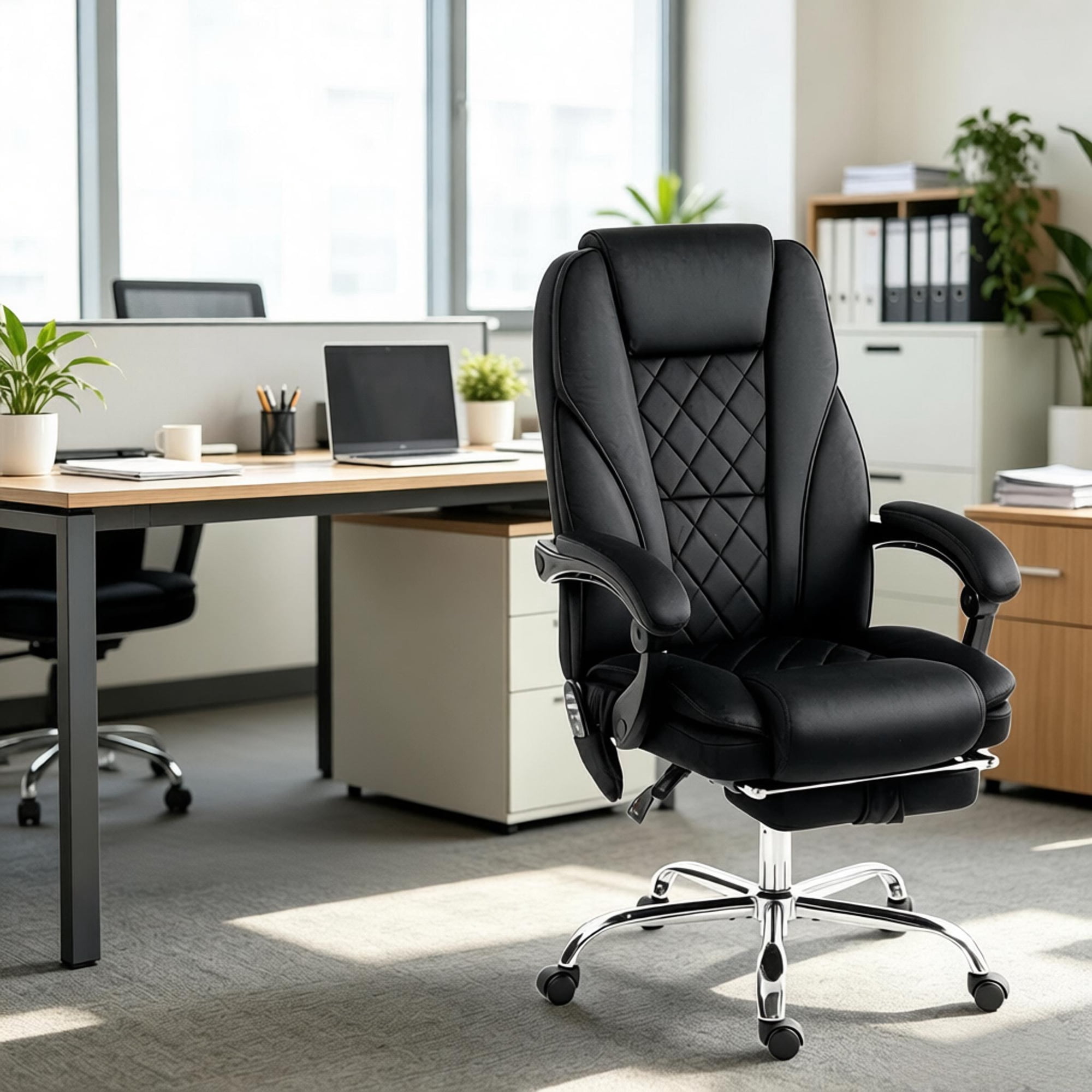
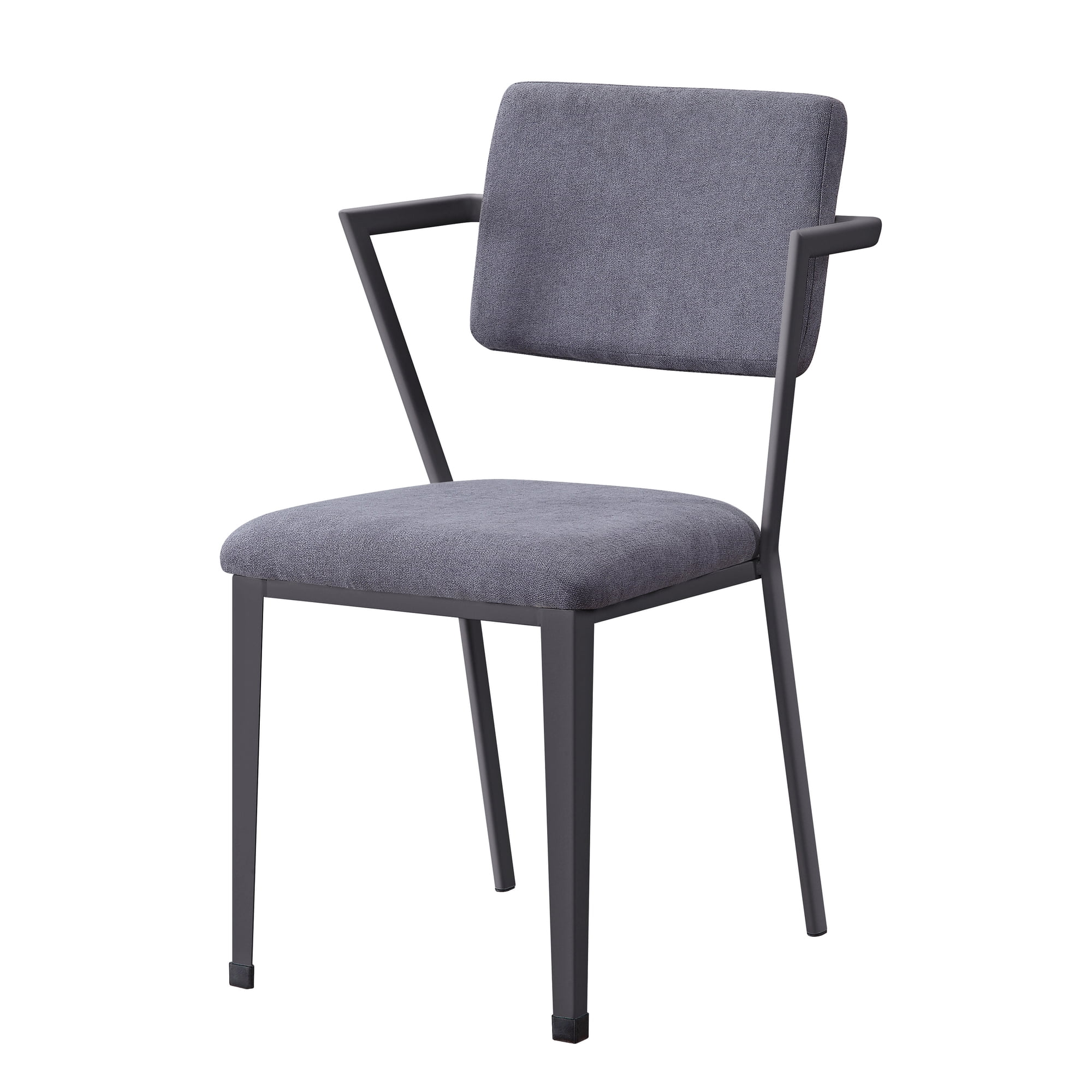
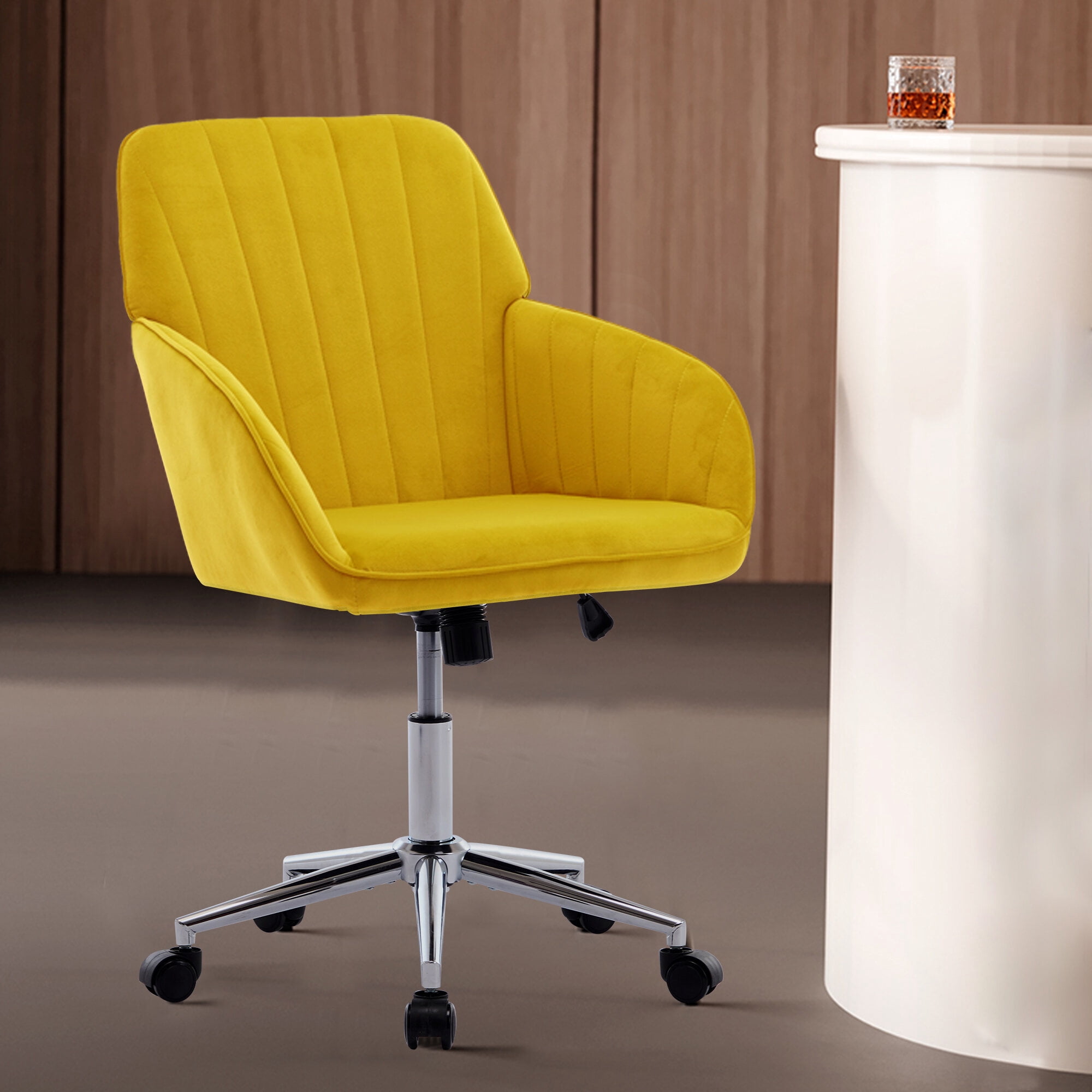
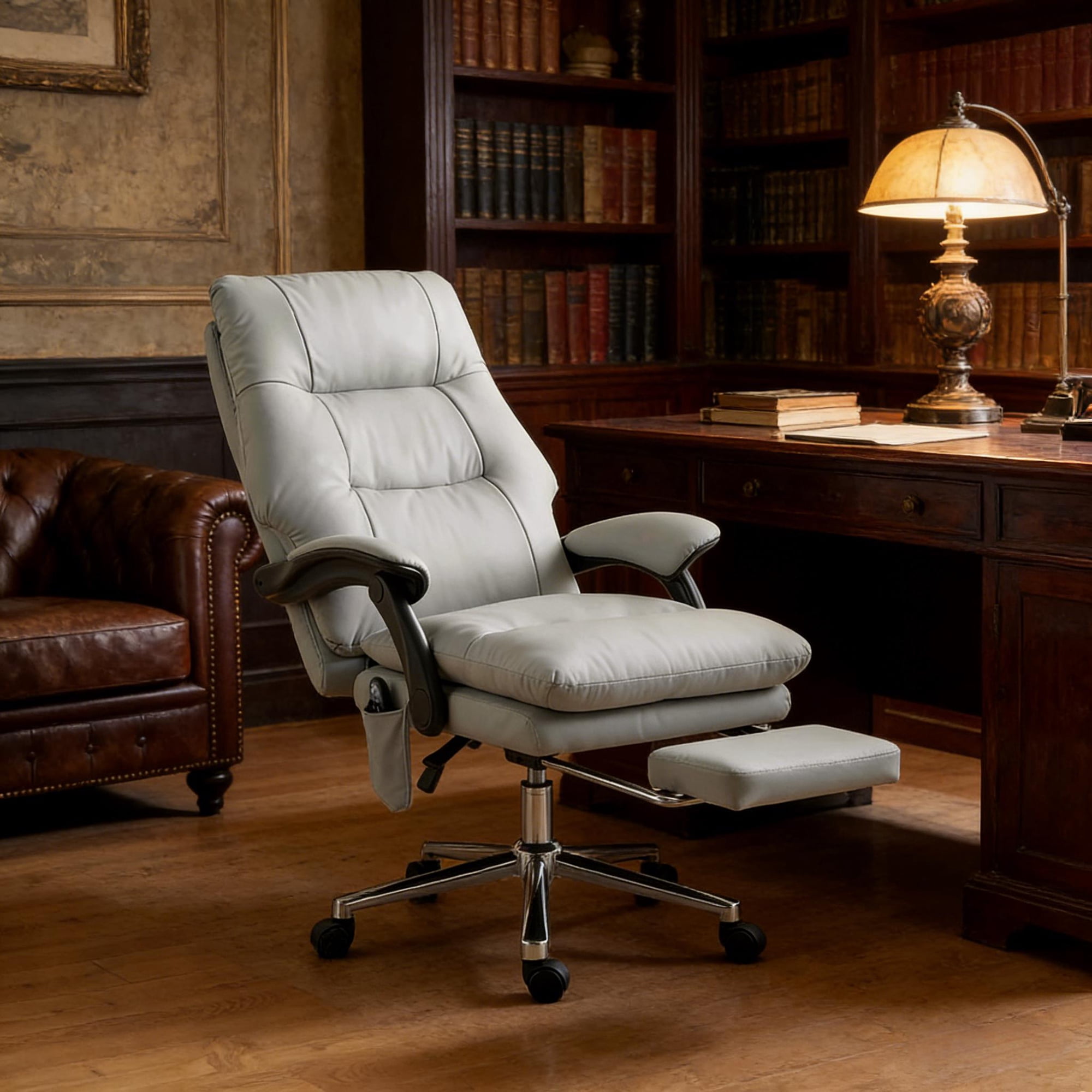
Beyond "One-Size-Fits-All": The Philosophy of Human-Centric Seating
For decades, office chairs were designed around a mythical "average" person—a static figure that rarely matched reality. The result? Millions of workers suffer from back pain, stiff necks, and poor circulation simply because their chair fought against their body's natural form. Enter the human office chair: a new generation of seating that treats the sitter as a dynamic, living individual. Just as a well-tailored suit fits better than something off-the-rack, a human-centric chair conforms to your spine's unique S-curve, supports your sitting style, and even moves with you as you shift position throughout the day. This isn't just about comfort; it's about creating a workspace that sustains your health and focus.
According to the Occupational Safety and Health Administration (OSHA), poor seating contributes to over 600,000 workplace musculoskeletal injuries annually. A human office chair directly combats this by integrating principles from physiotherapy and sports science. Think of it as a piece of performance equipment for your work—engineered to reduce fatigue, improve circulation, and keep you energized from your morning coffee to your final email.
The Anatomy of a Human Office Chair: Key Design Elements
What exactly sets a human office chair apart from a standard ergonomic model? It’s the meticulous attention to how the human body behaves in a seated position. Below, we dissect the critical components that make these chairs a worthwhile investment for your well-being.
1. Dynamic Lumbar Support: Your Spine's Silent Partner
Static lumbar pads often miss the mark, pressing too hard or not hitting the right spot. A true human office chair features dynamic or self-adjusting lumbar support. This means the backrest contains a flexible mechanism that moves and contours with your spine as you lean forward to type or recline to think. Some advanced models use a tensioned mesh that automatically provides firmness where you need it most—the lower lumbar region—while remaining flexible in the thoracic area. This constant, gentle support prevents the "slouching cascade" where poor posture leads to fatigue, which leads to worse posture.
2. The Waterfall Seat Edge: Saving Your Legs from Numbness
Have you ever felt tingling or numbness in your thighs after a long meeting? That’s often caused by the front edge of the seat cutting off circulation. Human-centric chairs almost universally feature a "waterfall" edge—a gentle downward curve at the front of the seat. This design reduces pressure on the underside of your thighs, allowing blood to flow freely to your lower legs and feet. It’s a small detail with a massive impact on comfort, especially for taller individuals or those who sit for extended periods.
3. Responsive Recline and Tilt Tension
Instead of a simple lock-out mechanism, a human office chair often utilizes a synchronized recline system. As you lean back, the backrest and seat tilt at a carefully calculated ratio (often around 2:1 or 3:1). This keeps your feet planted on the floor and your vision relatively level with your monitor, preventing the "feet flying up" sensation. The tension is usually adjustable via a simple knob, allowing you to tailor the resistance to your body weight. The goal is to make movement easy and natural—whether you’re leaning in for intense work or rocking back to contemplate a problem.
4. Material Science: Breathability and Conformity
Human chairs prioritize materials that work with your body's biology.
- High-Tensile Mesh: Used predominantly in the backrest, it offers exceptional breathability, preventing the sweaty back syndrome common with leather or thick fabric. It also provides variable tension—firmer where needed, softer in other areas.
- Memory Foam or Multi-Layer Foam: In seat cushions, these materials distribute your weight evenly, reducing pressure on the ischial tuberosities (the "sit bones"). Some chairs use a gel-infused foam layer to dissipate heat.
- 4D Armrests: Armrests on a human office chair aren't an afterthought. They adjust in height, width, depth, and often pivot angle. This allows you to support your arms in a neutral position, relieving shoulder and neck tension while typing.
5. Intuitive Controls: Adjustability Without a User Manual
A hallmark of good human-centric design is that adjustments are simple and accessible. You shouldn't need a PhD to change your seat height. Look for chairs with paddle-style or dial controls located conveniently under the seat. The best designs allow you to adjust everything—seat depth, lumbar position, armrests, and recline tension—while remaining seated, so you can fine-tune your fit in real-time as your needs change.
Why Your Body Deserves a Human Office Chair: 5 Tangible Benefits
Moving beyond features, let’s look at the real-world impact of switching to a chair designed for human anatomy.
- Reduced Risk of Chronic Back Pain: By maintaining the spine's natural S-curve, these chairs prevent the posterior pelvic tilt that flattens and stresses lumbar discs. A study in the Journal of Physical Therapy Science noted that participants using adaptive chairs reported a 40% reduction in lower back discomfort over six months.
- Improved Circulation and Reduced Fatigue: The waterfall seat edge and pressure-distributing foam prevent blood flow restriction. Better circulation means more oxygen to your brain and muscles, leading to sustained energy levels throughout the afternoon.
- Enhanced Focus and Productivity: Discomfort is a major distraction. When your chair "disappears" because it fits perfectly, your brain is free to concentrate on complex tasks. This state of 'ergonomic flow' can significantly boost your output.
- Better Long-Term Posture: A human chair doesn't force you into a rigid position; it gently guides you towards better alignment. Over time, your body's muscle memory adapts, and you may find your posture improving even when you're not in the chair.
- Accommodation for Unique Body Types: Whether you're petite, tall, or have specific physical needs, the wide range of adjustments on a human office chair means you can achieve a custom fit that standard chairs simply can't offer.
Frequently Asked Questions About Human Office Chairs
Conclusion: It's Time to Sit Naturally
The shift towards a human office chair represents a fundamental change in how we think about our work environment. It's an acknowledgment that we are not cogs in a machine, but dynamic individuals who need tools that support our natural biology. By prioritizing features like dynamic lumbar support, intuitive adjustability, and breathable materials, these chairs do more than just provide a place to sit—they actively contribute to your health, comfort, and professional performance. As you spend countless hours at your desk, remember that the chair you choose is the foundation of your workspace. Choosing one designed for a human—for you—is one of the smartest investments you can make.