

Why "Adjustability" Is the Secret to a Pain-Free Workday
Imagine wearing a tailored suit versus an off-the-rack size. The tailored one fits every contour perfectly, allowing you to move freely without restriction. The same principle applies to your office chair. A standard chair forces your body to adapt to its fixed shape, often leading to pressure points, fatigue, and long-term discomfort. The most adjustable office chair does the opposite: it adapts to you.
For the modern professional, a one-size-fits-all chair is a compromise. Our bodies are unique—different heights, weights, spinal curvatures, and arm lengths. A highly adjustable chair acknowledges this diversity. It’s not just about moving the seat up and down; it's about fine-tuning the lumbar support to hit the exact curve of your lower back, adjusting the armrests so your shoulders can relax, and setting the seat depth to support your thighs without cutting off circulation. This article explores the pinnacle of office seating: chairs that offer the highest degree of customization.
Anatomy of the Most Adjustable Office Chair
What separates a basic chair from a highly adjustable ergonomic marvel? It's the number of independent adjustments you can make. Think of it as moving from a simple 2-way radio to a professional mixing board with a slider for every frequency. Here are the critical zones of adjustment you need to look for.
1. The Lumbar Support: More Than Just a Bump
Basic chairs have a fixed lumbar "bump" that may or may not hit your spine in the right spot. The most adjustable chairs feature independent lumbar systems.
- Height Adjustment: Allows you to move the support up or down to align perfectly with the inward curve of your lower back. A must-have for tall and petite users.
- Depth Adjustment: This is the true game-changer. A lever or dial increases or decreases how much the lumbar support protrudes forward. This lets you dial in the exact amount of pressure you need, from a gentle reminder to firm, active support.
- Air Lumbar: Found on premium models, air bladders inflate and deflate to provide dynamic, cushion-like support that you can fine-tune throughout the day.
2. 4D Armrests: The Command Center
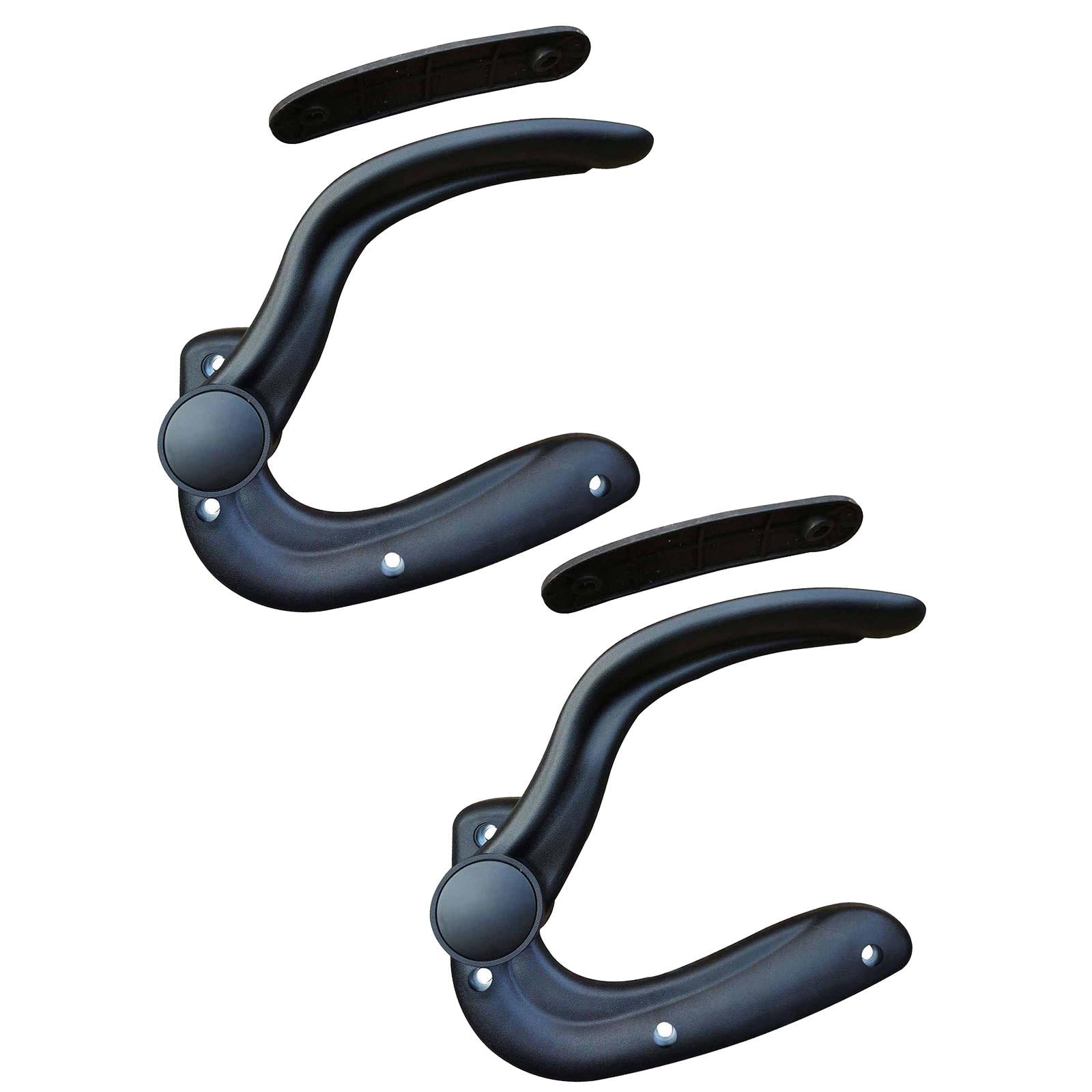
Armrests are often an afterthought, but they play a huge role in shoulder and neck tension. The term "4D" means adjustment in four dimensions:
- Height (Up/Down): Essential for keeping your elbows at a 90-degree angle and your shoulders relaxed.
- Width (Left/Right): Allows you to bring the armrests closer together for typing or spread them apart for broader tasks.
- Depth (Forward/Backward): Ensures the armrest pad supports your forearm, not your elbow joint, when you're leaned back or typing.
- Pivot (Angle): The armrest pad can tilt inward or outward to match the natural angle of your forearms, providing consistent support.
3. Headrest: Cervical Support on Demand
Many task chairs omit headrests, but for all-day comfort and task-switching, a fully adjustable headrest is invaluable.
- Height and Angle: Look for a headrest that moves up and down and tilts. This allows you to support the curve of your neck whether you're sitting upright to work or reclined to think.
- Forward Projection: Some advanced headrests also slide forward. This is crucial for taller users who need the headrest to reach them without pushing their head forward unnaturally.
4. Seat Depth: The "Thigh Gap" Principle
Proper seat depth ensures that the seat pan supports your thighs without pressing into the back of your knees. A chair with a seat slider is non-negotiable for a truly personalized fit.
How it works: You slide the seat pan forward or backward. The goal is to leave about two to three finger-widths of space between the edge of the seat and the back of your knee. This simple adjustment dramatically improves circulation and comfort over long hours.
5. Backrest Height & Recline Mechanics
Highly adjustable chairs offer flexibility in how the backrest moves and supports you.
- Backrest Height Adjustment: Allows the backrest to be raised or lowered, ensuring the built-in lumbar support hits the correct spot on your spine, especially in chairs with separate back and seat components.
- Tilt Tension & Lock: The best chairs let you adjust how much force is needed to recline. You can also lock the chair in multiple positions, from upright working posture to a relaxed, thinking angle.
- Synchro-Tilt Mechanism: This advanced feature makes the seat and backrest move in a synchronized, ergonomic ratio (e.g., for every 3 degrees the backrest reclines, the seat tilts up 1 degree), keeping your feet planted and preventing shirt ride-up.
Adjustability Spectrum: From Basic to "Most Adjustable"
According to ergonomic studies, chairs with comprehensive adjustability can reduce the risk of musculoskeletal disorders by up to 60% compared to fixed-posture chairs.
The "Knobology" Factor: Material & Build Quality
With great adjustability comes great responsibility—for the chair's build quality. More mechanisms mean more points of potential failure. Look for chairs with:
- Class 4 Gas Lift: Ensures smooth, durable height adjustment.
- Reinforced Mechanisms: The levers and knobs should feel solid, not plasticky or flimsy.
- High-Density Foam or Advanced Mesh: The materials should be able to withstand constant shape-shifting without wearing out. Premium mesh is often preferred for its breathability and ability to conform to the body while providing firm support.
📊 Data Point: A survey of 500 remote workers found that 78% of those who switched to a highly adjustable office chair reported a significant decrease in daily back and neck discomfort within the first month. Furthermore, 65% noted an improvement in their ability to focus during long work sessions, attributing it to the elimination of physical distractions.
Frequently Asked Questions About Adjustable Chairs
Conclusion: Invest in the Chair That Fits You Best
The quest for the most adjustable office chair is a quest for personalized health and productivity. It's an acknowledgment that your body deserves more than a generic seat. By prioritizing chairs with comprehensive lumbar control, 4D armrests, adjustable seat depth, and a customizable headrest, you are not just buying a piece of furniture; you are investing in your physical well-being and professional performance.
Remember, the most expensive chair isn't always the best for you. The best chair is the one that, after you've tweaked every lever and dial, feels like it was custom-made for your body. Use this guide to navigate the world of high-adjustability seating and find the perfect command center for your workday.