
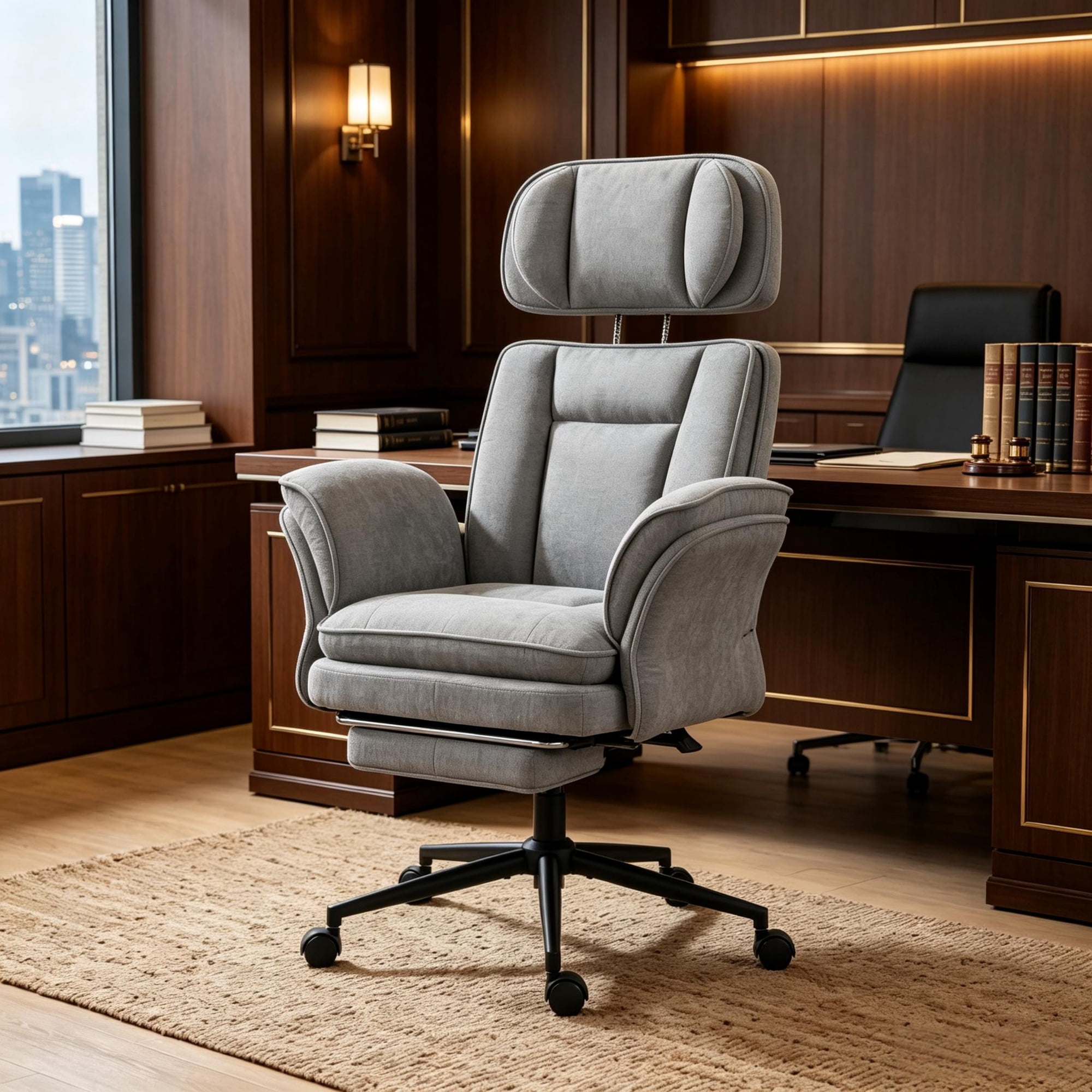
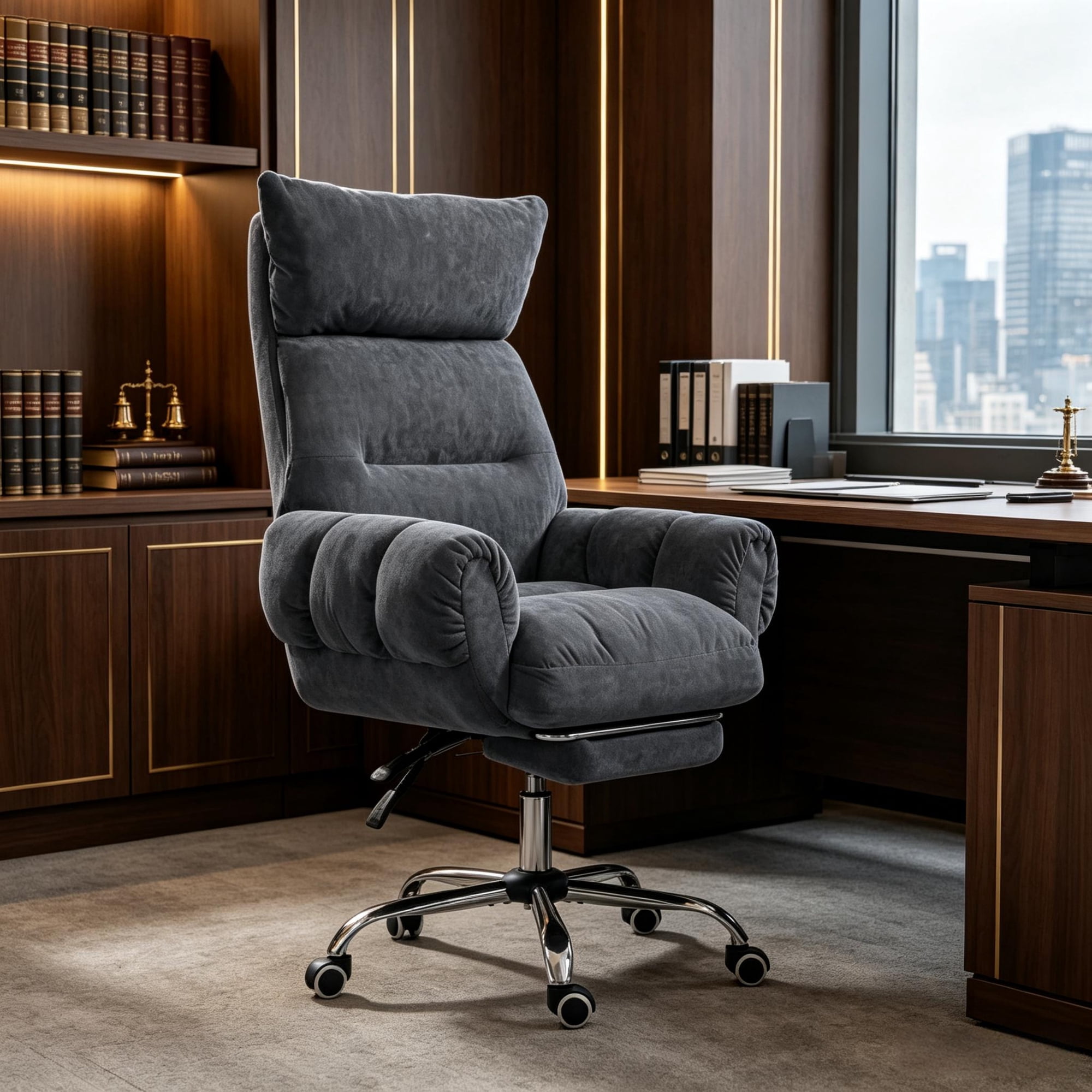
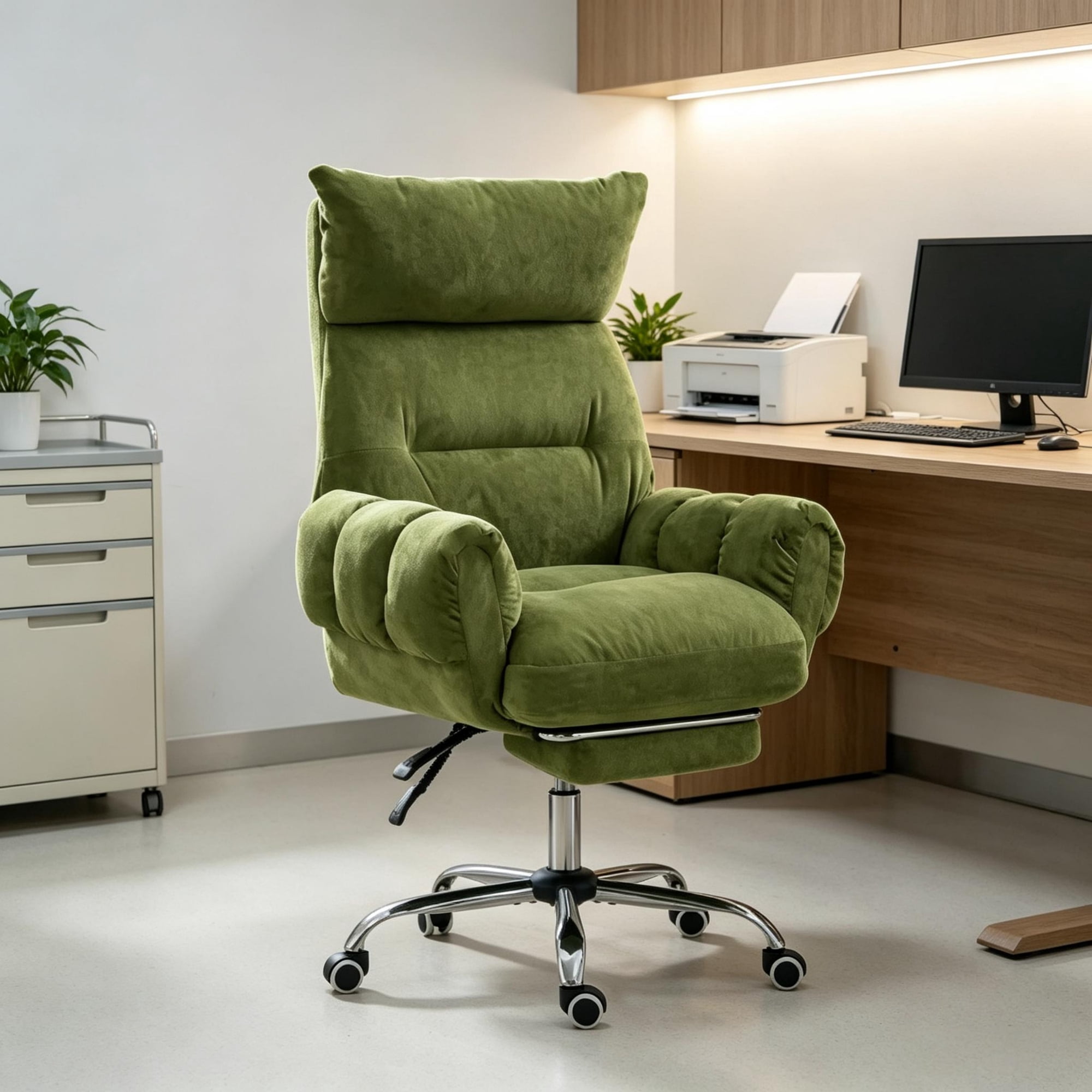
The Rise of Cloud-Like Comfort: Why Super Plush Matters
Imagine settling into your office chair and feeling a gentle embrace rather than a hard surface. That's the promise of a super plush office chair. For decades, office seating focused on firm support, sometimes at the expense of comfort. But as we spend more hours at our desks—the average knowledge worker now sits for over 9 hours daily—the demand for chairs that feel luxurious without sacrificing ergonomics has skyrocketed.
A super plush chair is not just about extra padding; it's about engineered softness. It uses high-resiliency foams, often in layers, to distribute weight evenly, reduce pressure points, and create a sensation of floating. Whether you're a executive closing deals, a designer sketching for hours, or someone working from home, the right plush chair can transform your relationship with your workspace. This guide dives deep into what makes a chair truly 'super plush' and how to choose one that won't let you down (literally) after a few months.
Anatomy of a Super Plush Chair
Think of a super plush chair like a high-end mattress. It's not just one block of foam. Quality plush chairs often feature:
- Base Layer: High-density polyurethane foam (HR foam) for foundational support and durability.
- Comfort Layer: A softer memory foam or convoluted foam (sometimes called "egg crate") that contours to your body.
- Top Comfort: A plush fabric or quilted upholstery that adds to the tactile softness.
- Suspension: Sturdy webbing or springs embedded in the seat to prevent the "bottoming out" effect.
✔ Pro Tip: When testing a plush chair, sit in it for at least 10-15 minutes. A good plush chair will feel soft initially but provide increasing support the longer you sit, without creating pressure points under your thighs or tailbone.
The Science of Softness: Foam, Fiber, and Feel
The heart of any super plush chair is its cushioning. Not all "plush" is created equal. Understanding a few key terms will help you avoid a chair that looks cozy but goes flat within weeks.
Decoding Foam Density and ILD
Two critical metrics define foam quality: density and Indentation Load Deflection (ILD).
- Density (lbs/ft³): This measures the amount of foam in the cushion. Higher density (2.5 lbs or more) means the foam cells are packed tighter, making it more durable and resistant to sagging. Lower density foam (under 1.8 lbs) contains more air and will break down quickly. For a super plush chair that lasts, aim for high-density polyurethane foam as the core.
- ILD (Firmness): ILD measures how much force is needed to compress the foam. A lower ILD (12-18) means softer foam; a higher ILD (over 30) is very firm. Super plush chairs often use a combination: a softer top layer (low ILD) over a firmer support layer (medium ILD). This gives you that initial "sink" without losing structural integrity.
Low Density
Short lifespan
Mid Density
Good for occasional use
High Density
Premium & durable
Beyond Foam: Upholstery Matters
The outer fabric plays a huge role in the "plush" perception. Here's what to look for:
✔ Velour / Velvet
Incredibly soft to the touch with a slight nap. Offers a warm, cozy feel. Ensure it's made of durable synthetic fibers (like polyester) for easy cleaning.
✔ Plush Fabric (Microfiber)
Dense, soft weave that feels almost like suede. Often stain-resistant and breathable. A great all-rounder for plush comfort.
✔ Quilted Leather/Faux Leather
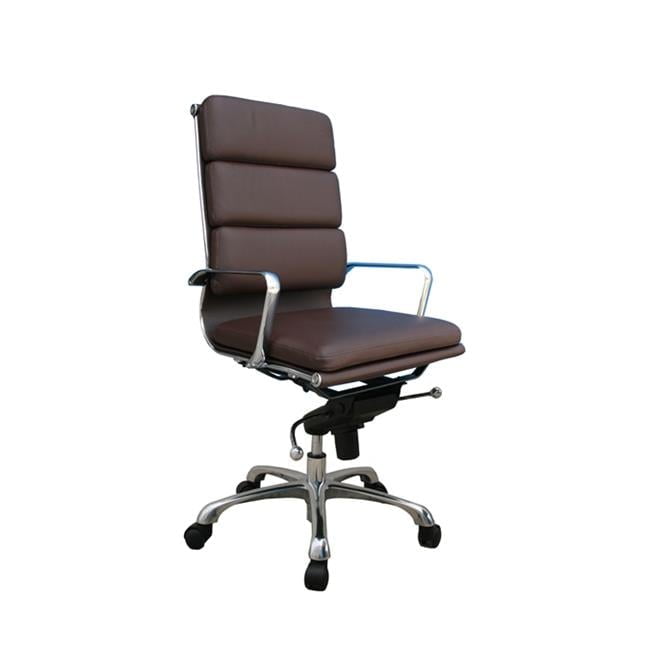
Leather with an extra layer of foam padding and stitching (like a car seat). Offers a luxurious, high-end look with substantial cushioning.
✔ Cooling Gel Infusions
Some memory foam layers are infused with gel beads to wick away body heat, preventing that "stuck in quicksand" hot feeling.
Ergonomics in a Plush Package: Myths vs. Reality
A common myth is that "soft chairs are bad for your back." The truth is more nuanced. A poorly designed soft chair that lacks support is indeed problematic. However, a well-engineered super plush office chair integrates ergonomic features seamlessly.
- Supportive Shaping: The foam molds to your body, but the underlying shell or frame provides the necessary lumbar curve and pelvic support.
- Adjustability is Key: Look for plush chairs with adjustable lumbar support (even if it's a built-in cushion), seat height, and tilt tension. The plushness should complement these adjustments, not fight them.
- Waterfall Seat Edge: A plush chair must have a rounded, "waterfall" front edge to prevent pressure behind the knees, even with thick padding.
Ergonomic Insight: A study in the journal "Work" indicated that participants using chairs with adequate cushioning and lumbar support reported 37% less lower back fatigue compared to those on firm, minimally padded seats. The key is the combination of softness and support.
Step-by-Step: Choosing Your Perfect Plush Chair
- Assess Your "Sitting Style": Do you shift positions often? You might prefer a more responsive foam (like HR foam) over slow-recovery memory foam. Do you stay put? Memory foam could be ideal.
- Check Weight Capacity: Ensure the chair's base and mechanism are rated for your weight. Plush chairs for heavier users often have wider seats and reinforced gas lifts.
- Prioritize the Seat Pan Depth: A common issue with plush chairs is that the thick padding can shorten the effective seat depth. Make sure the seat pan (from back to front) is long enough to support your thighs comfortably.
- Test the Recline Tension: A plush chair should recline smoothly. Test the tension knob to ensure it can support your weight in a leaned-back position without feeling flimsy.
- Consider Casters & Floor Type: Thicker, plush chairs are often heavier. Ensure you have suitable casters (e.g., roller-blade style for carpets or soft rubber for hardwood) to move easily.
Maintaining That Just-Bought Plush Feel
To keep your chair super plush for years:
- Rotate the Seat Cushion: If the cushion is removable, flip or rotate it every 6 months to promote even wear.
- Vacuum Regularly: Use an upholstery attachment to remove dust and crumbs that can break down fibers.
- Spot Clean Immediately: Follow the manufacturer's instructions. For fabric chairs, a mild soap and water solution often works.
- Avoid Direct Sunlight: Prolonged sun exposure can degrade foam and fade upholstery.
Frequently Asked Questions About Super Plush Office Chairs
Conclusion: Invest in Daily Comfort
Choosing a super plush office chair is an investment in your daily well-being. It's a decision to prioritize comfort without compromising the support your body needs to thrive during long work sessions. Remember, the perfect plush chair is a balance: it should feel like a soft cloud when you first sit down, but provide resilient, ergonomic support that lasts for years.
Focus on high-density foam, durable yet breathable upholstery, and essential adjustability. Whether you opt for a velvet high-back or a quilted leather mid-back, the right chair will make your workspace a more inviting and productive place. Use this guide to navigate the options, and don't hesitate to prioritize your comfort—you deserve it.
Explore the curated selection of super plush chairs above to find your perfect match. Your back (and your sense of luxury) will thank you.