
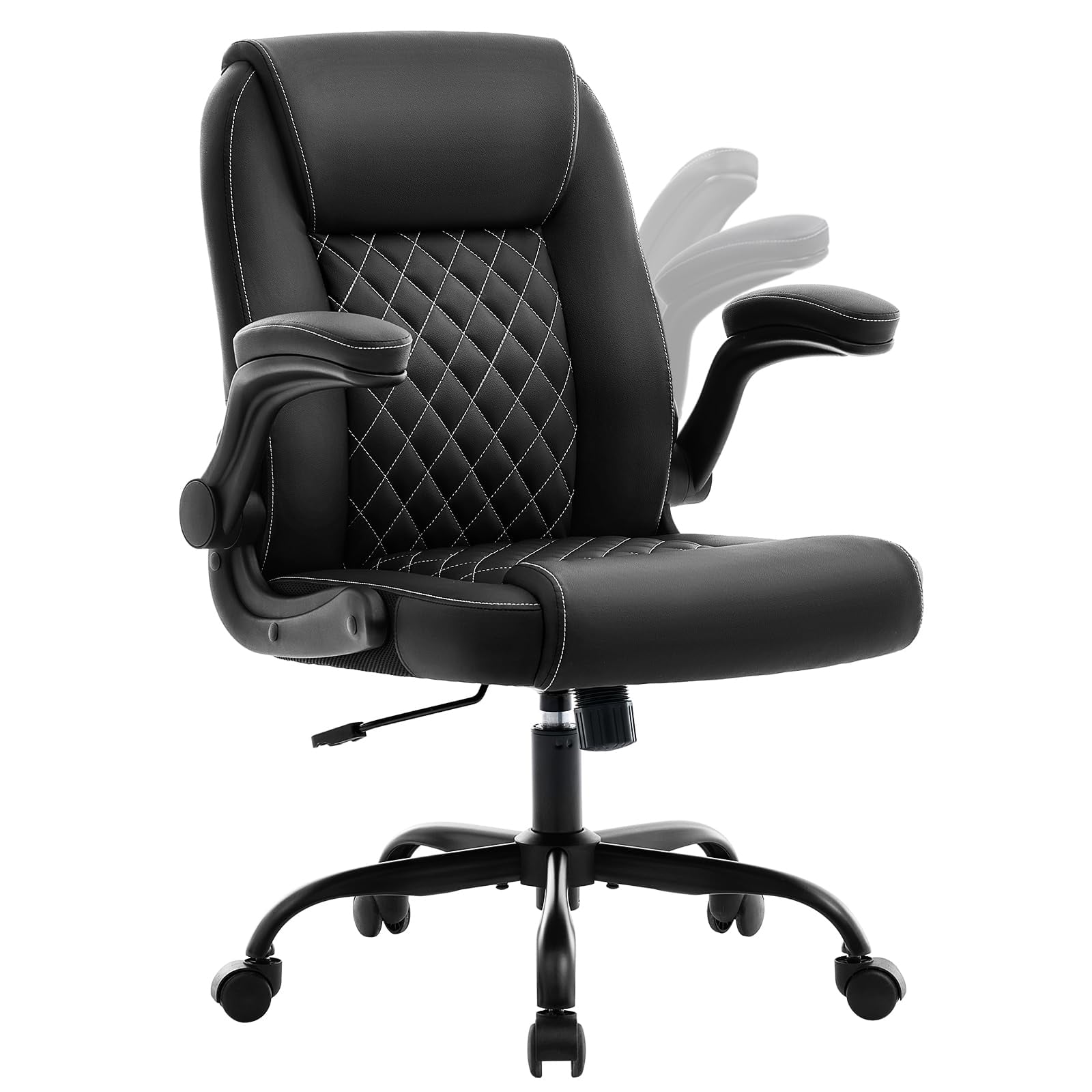
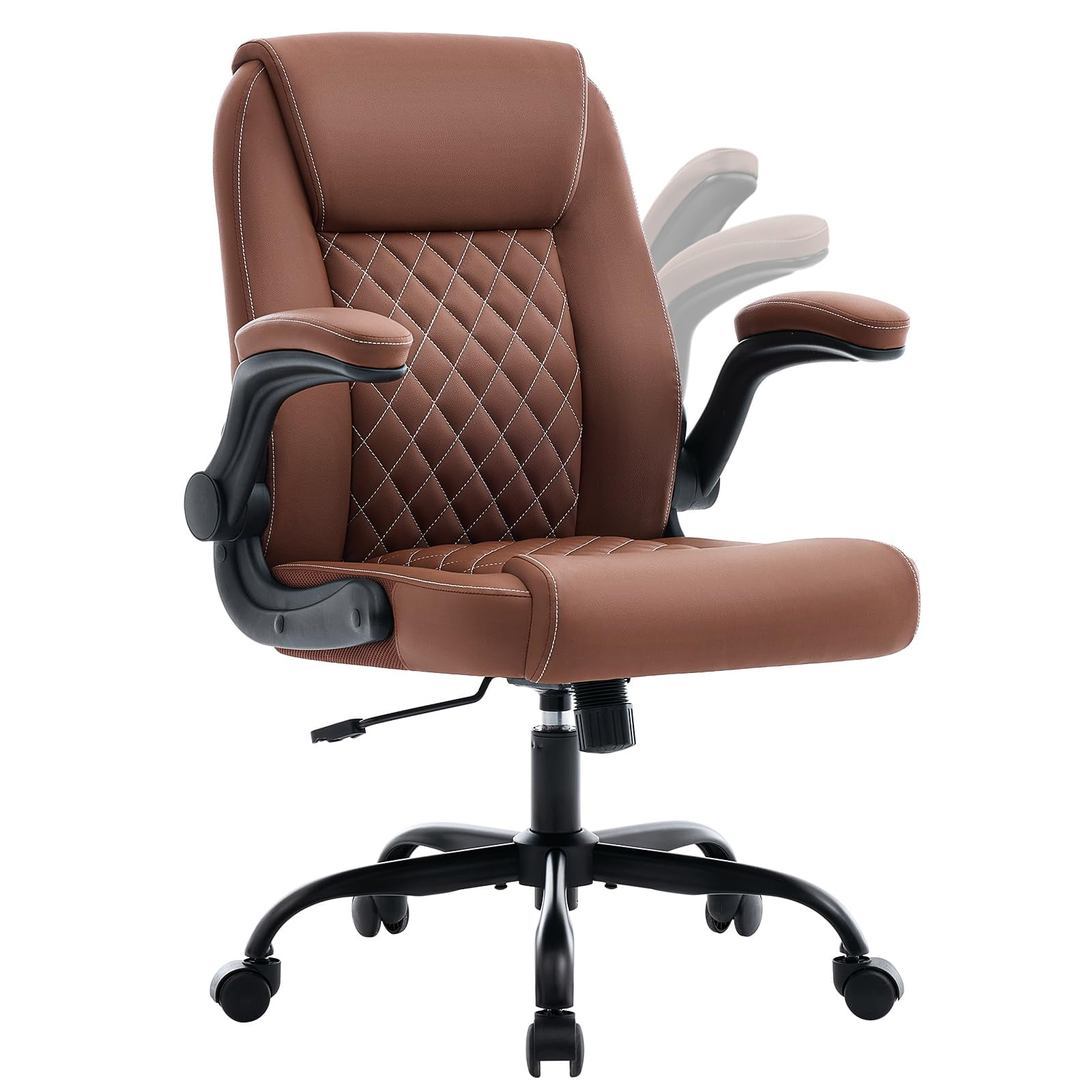
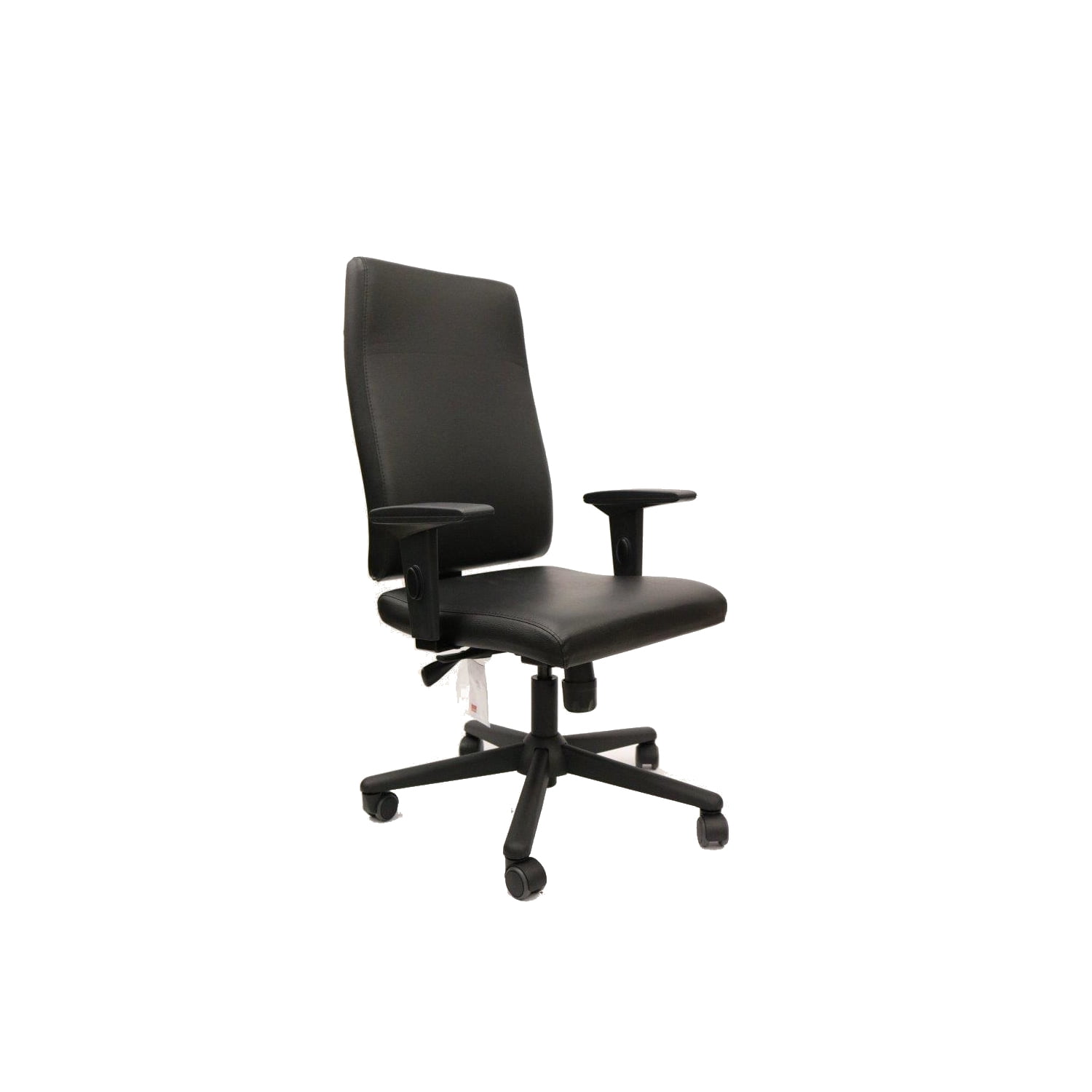
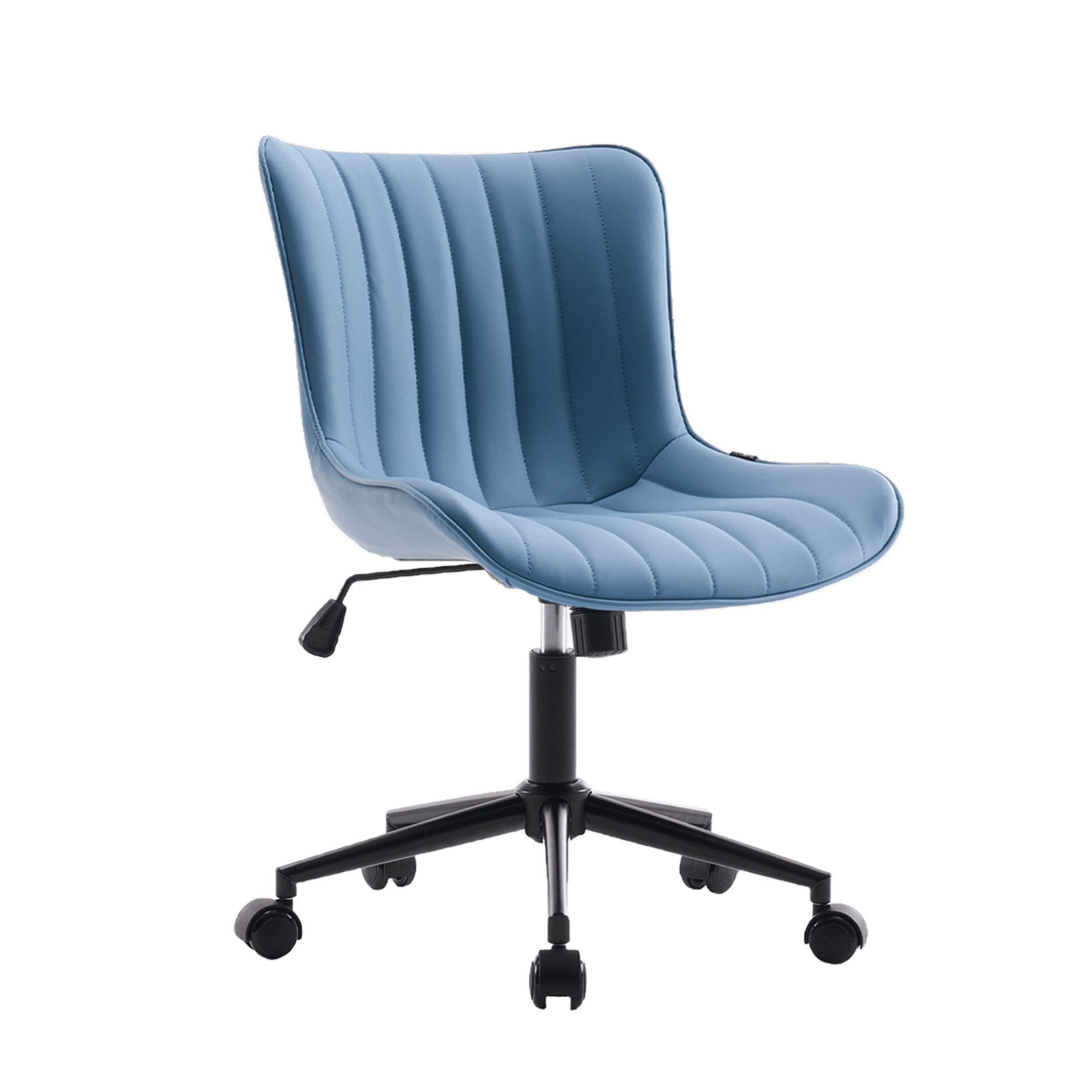
The Allure of a Soft Leather Office Chair: More Than Just a Seat
Imagine sinking into your chair after a long morning of back-to-back video calls. Instead of a stiff, unforgiving surface, you're greeted by a gentle embrace—supple leather that feels soft to the touch, cradling you in plush comfort. This is the daily experience of owning a high-quality soft leather office chair. It's not just a place to sit; it's a personal sanctuary that transforms your workspace from purely functional to a haven of productivity and relaxation.
In the world of office seating, the term "soft leather" evokes a promise of luxury and ease. But it's a promise that must be delivered through careful craftsmanship and material selection. Unlike the firm, sometimes stiff leather found in traditional executive chairs, soft leather variants are designed for immediate comfort. They often feature generous padding, premium foam layers, and leather that's been treated or selected for its natural give, creating a "broken-in" feeling from day one.
Why it matters: A study by the Furniture Industry Research Association suggests that perceived comfort—the initial "soft" feel of a chair—can positively influence a user's satisfaction and even their posture throughout the workday. When you feel comfortable, you're less likely to fidget and more likely to maintain a stable, supportive sitting position.
The Anatomy of Comfort: What Makes Leather Feel "Soft"?
The softness you feel comes from a combination of factors working in harmony. Understanding these elements helps you distinguish between a genuinely high-quality chair and one that might lose its comfort after a few months.
- The Leather Grade: Full-grain or top-grain leather, especially aniline or semi-aniline finishes, retain the natural grain and suppleness of the hide. This top-tier leather feels soft and develops a beautiful patina over time. Lower grades, like bonded leather, often feel plastic-like and can crack.
- The Cushioning Core: This is the unsung hero. High-resiliency (HR) foam or a combination of foam and a plush fiber topper provides that initial soft "sink-in" feel while maintaining the necessary support to prevent you from bottoming out. Look for terms like "molded foam" or "multi-density foam" for the best of both worlds.
- The Suspension System: The support beneath the cushion. A high-quality chair will have a durable suspension system (like sinuous springs or an elastic webbing) that works with the foam to absorb shock and distribute your weight evenly, enhancing that soft, floating sensation.
Soft Leather vs. Other Leather Types: A Quick Guide
To truly appreciate a soft leather chair, it helps to see how it stacks up against other common leather types used in office furniture.
| Leather Type | Feel & Texture | Durability | Best For |
|---|---|---|---|
| Soft Leather (e.g., Nappa, Aniline) | Buttery, supple, and plush; molds to the body quickly | High (with proper care); may show natural markings | Home offices, creative spaces, anyone prioritizing cloud-like comfort |
| Traditional Top-Grain | Smooth and firm; often has a protective coating | Very High; resists stains and wear | Corporate executive suites, high-traffic areas |
| Bonded/ Faux Leather | Initially smooth, often stiff; can feel plastic | Low to Moderate; prone to peeling and cracking | Budget-conscious setups, guest chairs with light use |
Who Needs a Soft Leather Office Chair?
While the appeal is broad, this type of chair is a game-changer for specific users:
- The Creative Professional: For designers, writers, or artists who spend hours in deep thought, the tactile comfort can be a source of inspiration and reduce physical distractions.
- The Home Office Enthusiast: If your office doubles as a personal space, a soft leather chair adds a touch of warmth and residential luxury that a stark mesh chair cannot.
- Individuals with Sensitivity: Those who find firm surfaces uncomfortable due to back, hip, or tailbone issues may find the generous padding of a soft leather chair provides welcome pressure relief.
- The Style-Conscious Worker: It's a statement piece. A beautifully upholstered soft leather chair elevates the entire aesthetic of a room, signaling a blend of success and personal comfort.
5 Essential Features to Look for in a Soft Leather Office Chair
Navigating the market can be tricky. Keep these five critical features in mind to ensure you're investing in a chair that will provide lasting comfort and support.
- Authentic Leather Upholstery: Verify it's genuine top-grain or full-grain leather at least on the primary contact surfaces (seat and back). This ensures the "soft" feel will last.
- Multi-Density Foam Cushioning: Look for a seat cushion with a firm, supportive foam base and a softer, plush top layer. This prevents the "hammock effect" where your hips sink too low, causing misalignment.
- Hidden Ergonomic Adjustability: Softness shouldn't come at the expense of support. Essential adjustments include pneumatic seat height, adjustable lumbar support (often built into the plush backrest), and tilt tension control.
- Sturdy, Silent Mechanism: A soft, relaxing chair shouldn't be accompanied by squeaks and creaks. Look for a robust metal frame and a smooth-operating tilt mechanism for distraction-free movement.
- Generous Proportions: Soft leather chairs often have a wider, more generous seat and back. Ensure the dimensions fit your body type and your workspace comfortably.
The Maintenance Secret: Keeping Your Leather Soft
Investing in a soft leather chair is just the first step. To keep it looking and feeling luxurious for years, a simple maintenance routine is key. Think of it like caring for a fine leather jacket.
- Dust Regularly: Use a soft, dry microfiber cloth weekly to prevent dust and grit from settling into the leather's pores and causing micro-abrasions.
- Condition Seasonally: Every 3-6 months, apply a high-quality leather conditioner. This replenishes the natural oils, preventing the leather from drying out, cracking, and losing its soft, supple feel. It's like moisturizing your skin.
- Address Spills Immediately: Blot (don't rub!) any spills with a clean, absorbent cloth. For sticky marks, use a damp cloth with a tiny drop of pH-neutral soap, then wipe with a clean damp cloth and dry thoroughly.