
Finding Your Perfect Ergonomic Office Chair for a Heavy Person
Imagine a bridge built for a busy highway. It needs stronger steel, deeper foundations, and wider lanes than a small country bridge. The same principle applies when you're looking for an ergonomic office chair for a heavy person. Standard chairs are like those small bridges: they work for average loads, but under sustained higher weight, they wobble, sink, or break. A dedicated heavy-duty chair is engineered differently—from the inside out—to provide safe, comfortable, and long-lasting support.
If you or someone you're buying for carries more weight, you've likely experienced the frustration of seats that feel too narrow, cushions that flatten within months, or hydraulic lifts that slowly sink. This article dives deep into what makes a chair truly supportive for larger body types, ensuring you invest in a seat that promotes good posture and lasts for years. We'll look beyond marketing terms and focus on engineering facts.
The Anatomy of a Truly Supportive Heavy-Person Ergonomic Chair
Not all "big and tall" chairs are created equal. To choose wisely, you must understand the critical components that handle extra load. Think of it as the chassis and suspension of a heavy-duty truck versus a compact car.
1. The Frame: The Unseen Hero
The frame is the skeleton. In standard chairs, it might be plastic-reinforced or thin-gauge steel. For a heavy person, you need a one-piece steel frame (minimum 3/16" thickness). Some premium models use reinforced aluminum alloy for lighter weight but equal strength. When researching, look for specifications mentioning "reinforced steel frame" or "heavy-gauge steel construction." Avoid chairs that rely on plastic brackets at stress points.
2. The Base: Five Points of Contact with the Floor
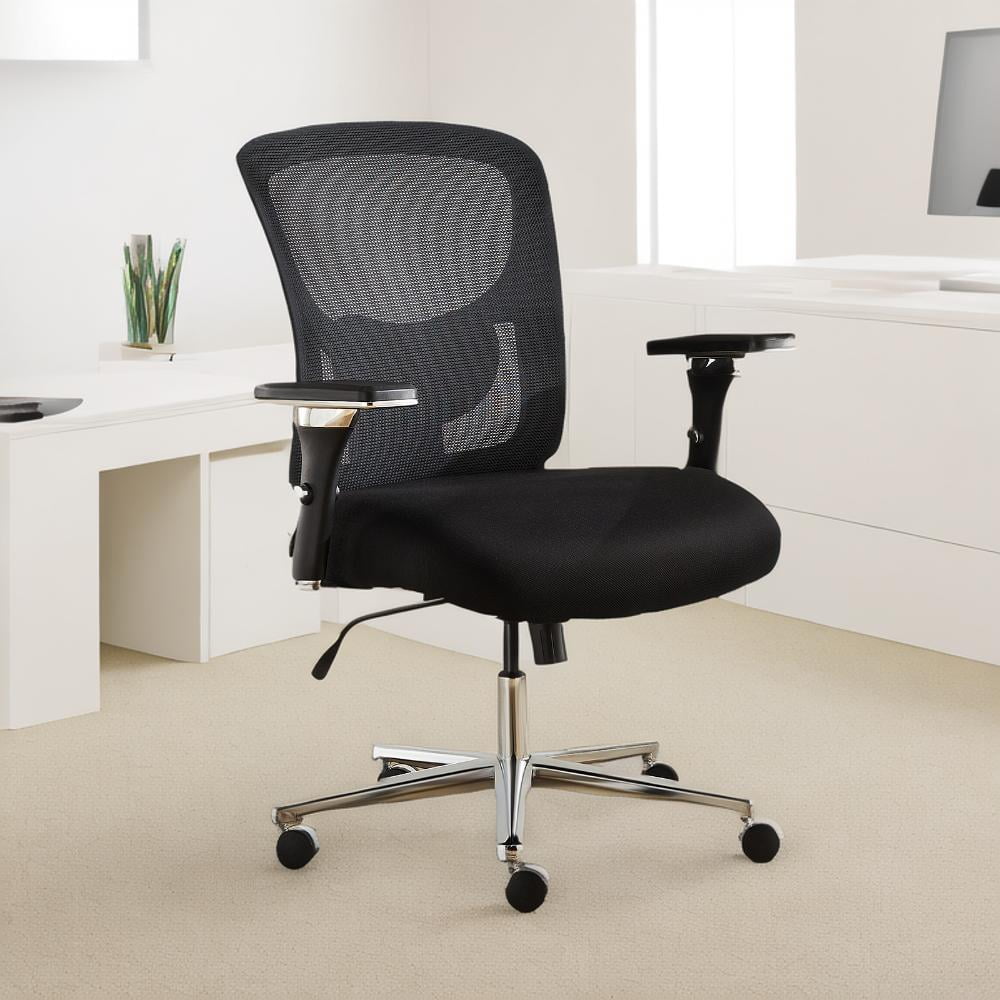
A wobbly base is dangerous. The base (the spider-like part with wheels) must be made of solid nylon or polished aluminum. For capacities over 400 lbs, an aluminum base is standard because it doesn't flex. The base diameter should also be larger—typically 28 to 30 inches—to provide a wider stance and prevent tipping. Standard chair bases are often 26-27 inches.
3. The Pneumatic Cylinder (Gas Lift)
This is the most common failure point. A standard Class 2 or 3 gas lift is designed for up to 250 lbs. A heavy-duty chair must use a Class 4 or Class 5 gas lift. Class 4 supports up to 400 lbs, while Class 5 handles 500 lbs and beyond. These have thicker pistons and stronger seals. If a product page doesn't mention the lift class, it's a red flag.
4. Seat Pan and Cushioning
Comfort starts here. For a heavy person, two factors matter: width and density. Look for a seat pan width of at least 22 inches (some go up to 30 inches). The cushion should be high-resilience (HR) cold-molded foam with a density of 50-60 kg/m³. This foam bounces back and won't bottom out after a few months. Some chairs combine a suspension mesh layer under the foam for better weight distribution—a technique borrowed from luxury automotive seating.
5. Mechanism and Adjustability
Standard tilt mechanisms might lock or break under high load. Heavy-duty chairs use reinforced mechanisms, often with a multi-function design: seat slide, tilt tension adjustable with a larger knob (easier to turn), and back angle lock. For ergonomics, ensure you have:
- Adjustable lumbar support (height and depth) – crucial for lower back health.
- 4D armrests – width, height, depth, and pivot adjustments accommodate broader shoulders and varied tasks.
- Seat depth adjustment – allows proper thigh support (2-3 finger gap behind the knee).
Material Face-Off: What Works Best for Higher Weight?
Choosing between materials isn't just about looks; it's about long-term durability and hygiene.
✅ Heavy-Duty Mesh
- Breathable: prevents sweating during long sitting.
- Supportive: high-tension mesh conforms without sagging if quality is high.
- Maintenance: easy to wipe, doesn't absorb odors.
- Con: cheaper mesh can stretch over time. Look for "Pirelli" or "elastic" mesh with a tight weave.
✅ Reinforced Leather/Faux Leather
- Durable: top-grain leather lasts decades; high-quality PU leather is also tough.
- Professional look: fits executive settings.
- Support: often paired with denser foam.
- Con: can get hot, requires occasional conditioning (real leather).
Data Speaks: Why Proper Fit Matters
According to a study published in the journal Ergonomics, individuals using a chair that is too narrow or with inadequate cushioning reported a 53% increase in discomfort after just two hours, compared to those using properly fitted heavy-duty chairs. Furthermore, the BIFMA (Business and Institutional Furniture Manufacturers Association) sets standards for chair durability. For a heavy person, ensure the chair meets or exceeds ANSI/BIFMA X5.1 testing for durability and stability, specifically the heavier-duty tests often labeled "big & tall" certification.
Real-World Analogy: The Right Tool for the Job
Think of buying an ergonomic office chair for a heavy person like buying a backpack for a long hike. A flimsy school backpack will dig into your shoulders, rip at the seams, and leave you sore. But a hiking pack with a reinforced internal frame, padded hip belt, and load-lifter straps distributes weight perfectly and makes the journey comfortable. The chair's frame distributes your weight, the lumbar support acts like the hip belt, and adjustable armrests are your load-lifter straps. Don't settle for the school backpack version of an office chair.
Frequently Asked Questions: Heavy Person Ergonomic Chairs
Conclusion: Your Health and Comfort Are Worth the Investment
Finding the right ergonomic office chair for a heavy person is not a luxury—it's a necessity for long-term health and productivity. By focusing on the frame, gas lift class, seat width, and material quality, you're not just buying a chair; you're investing in your physical well-being and professional comfort. A quality chair pays for itself by preventing back pain, improving circulation, and allowing you to focus on your work instead of your discomfort. Use the information above to filter through options and select a chair that feels like it was built just for you. Your body will thank you at the end of every workday.