
Why Every Office Worker Needs a Heated Chair Cushion
Imagine walking into a freezing office on a Monday morning. The thermostat hasn't kicked in yet, and you're facing eight hours at your desk. Your fingers are cold, your shoulders are tense, and within an hour, your lower back starts to ache from the chill. This scenario plays out in millions of offices worldwide—but it doesn't have to. A heated office chair cushion is the simple, affordable solution that transforms your workspace into a cozy, productive environment.
Industry Insight: According to the International Journal of Occupational Safety and Ergonomics, maintaining optimal body temperature (between 68°F and 72°F) during work hours improves cognitive performance by up to 15%. Heated cushions help regulate micro-climate temperature, keeping your core warm without overheating the entire office.
Beyond mere comfort, heated cushions offer genuine therapeutic benefits. Heat therapy—also called thermotherapy—has been used for centuries to treat muscle pain and stiffness. When you apply gentle, consistent heat to your back and thighs, blood vessels dilate, increasing circulation to soft tissues. This brings oxygen and nutrients to tired muscles while flushing away metabolic waste products like lactic acid. The result? Less stiffness, reduced pain, and faster recovery from the physical stress of sitting.
The Science of Heat Therapy for Desk Workers
Your body is designed to move, not to sit statically for hours. When you remain seated, your hip flexors shorten, your glutes switch off, and your lower back muscles work overtime to keep you upright. Add a cold environment to this equation, and muscles contract even further—like a rubber band left in a freezer. A heated cushion acts as a gentle counterforce, encouraging muscles to relax and lengthen. Physical therapists often recommend 15-20 minutes of heat application before stretching or after prolonged sitting to maximize flexibility and reduce injury risk.
❄️ Cold Office Solution
If your office runs cold (common in summer with aggressive AC or drafty older buildings), a heated cushion provides personal climate control without fighting building management.
⚡ Energy Efficient
Heating an entire office costs thousands. A personal heated cushion uses pennies per day, making it eco-friendly and budget-conscious.
❤️ Therapeutic Heat
Moist heat penetrates deeper than dry heat, soothing arthritis, sciatica, and chronic back pain better than oral painkillers alone.
🧘 Stress Reduction
Warmth triggers parasympathetic nervous system response, lowering cortisol and promoting calm focus during high-pressure work.
Key Features to Look for in a Heated Office Chair Cushion
Not all heated cushions are created equal. The market offers everything from $15 basic pads to $150 therapeutic systems. Here's what separates a good investment from a disappointing purchase:
1. Heating Element Technology
The heart of any heated cushion is its heating element. Look for carbon fiber heating elements rather than older wire-based systems. Carbon fiber heats more evenly, flexes without breaking, and doesn't create "hot spots" that can cause discomfort or burns. Premium cushions use far-infrared heating technology, which penetrates 1.5 inches into muscle tissue—similar to professional physical therapy equipment.
2. Heat Settings & Controls
You need control. Basic cushions offer "on/off" only, which often means too hot or not hot enough. Look for 3-6 adjustable heat settings ranging from 95°F to 140°F. The best controllers are backlit, have large buttons you can feel without looking, and include a digital display showing current temperature. Remote controls (wired or wireless) are convenient if the cushion sits behind your back where you can't reach easily.
Ideal Temperature Guide by Use Case
All-day comfort, mild warmth, energy saving
Therapeutic relief, cold office, muscle relaxation
Deep heat therapy, chronic pain, short sessions
Safety Note: Never fall asleep on high settings. Look for auto-shutoff (2 hours is standard) for peace of mind.
3. Safety Certifications
You're plugging an electrical device into your chair and sitting on it for hours. Safety is paramount. Always look for UL (Underwriters Laboratories), ETL, or CSA certification—these indicate independent testing for electrical safety. For USB-powered cushions, ensure they're certified by the manufacturer and use quality components. Avoid no-name brands from unverified sellers; electrical fires are rare but preventable.
4. Material & Comfort
The cushion itself must be comfortable for all-day sitting. Look for:
- Memory foam core: Conforms to your body and distributes weight evenly
- Gel-infused top layer: Prevents heat buildup from your body (ironic but important—you want warmth from the heater, not sweat)
- Breathable cover: Microfiber or bamboo viscose wicks moisture
- Removable, washable cover: Essential for hygiene (offices are germy places)
- Non-slip bottom: Silicone dots or rubberized backing prevents sliding on leather or fabric chairs
5. Power Source Options
Your office setup determines which power source works best:
| Power Type | Best For | Pros | Cons |
|---|---|---|---|
| 120V Wall Plug | Permanent desk setups | Fastest heating, highest temperatures, consistent power | Takes up outlet, cord can be bulky |
| 12V DC (Adapter) | Most office chairs | Safer low voltage, good heat output, efficient | Adapter brick can be warm |
| USB (5V) | Laptop workers, travelers | Use with power bank, portable, computer powered | Slower heating, lower max temp |
| Battery Pack | Hot desking, outdoor work | Truly wireless, use anywhere | Limited runtime (2-6 hours), heavier |
How to Choose the Perfect Heated Cushion for Your Needs
With dozens of options available, use this step-by-step guide to narrow your search:
Step 1: Assess Your Primary Need
Are you mostly cold? Suffering from back pain? Looking for luxury? Your primary goal determines the right cushion type:
- Primarily cold office: Prioritize rapid heating (120V) and high max temperature (130°F+)
- Chronic back pain: Look for therapeutic features like far-infrared, lumbar support shape, and deep tissue penetration
- All-day comfort seeker: Memory foam with gentle, adjustable warmth and breathable cover
- Portability needed: USB-powered, lightweight, foldable design with travel pouch
Step 2: Measure Your Chair
Standard office chair seats are 18-20 inches wide and 16-18 inches deep. Measure your specific chair:
- Seat width: Cushion should be slightly smaller (16-18 inches) to fit within chair edges
- Seat depth: If you're tall, look for extended depth (20+ inches) to support thighs
- Back support: Some cushions include a heated backrest—measure your chair back height
Step 3: Check Your Workspace Power
Where will you plug in? Consider:
- Distance to nearest outlet (cord length: standard 6-8 feet, some offer 10-12 feet)
- Available outlets (do you need a multi-plug adapter?)
- USB ports on your computer or monitor (for USB models)
- Battery life if you move between desks
Step 4: Set Your Budget
Heated cushion price ranges reflect quality and features:
Basic
Simple on/off, basic materials, limited safety features
Mid-Range
Multiple heat settings, memory foam, safety certifications
Premium
Far-infrared, therapeutic grade, dual-zone heating, extended warranty
Health Benefits Backed by Research
The combination of heat therapy and ergonomic support isn't just feel-good marketing—it's supported by medical research:
Clinical Studies on Heat Therapy
- A 2021 study in the Journal of Clinical Medicine found that continuous low-level heat therapy reduced lower back pain by 47% in office workers after 2 weeks of daily use.
- Research from the Archives of Physical Medicine and Rehabilitation showed that heat wrap therapy was more effective than oral ibuprofen for acute lower back pain relief.
- The International Journal of Hyperthermia reported that 30 minutes of far-infrared heat increased local blood circulation by 150%, accelerating muscle recovery.
Specific Conditions That Benefit
Maintenance and Longevity
A quality heated cushion should last 3-5 years with proper care. Follow these tips to maximize lifespan:
- Clean regularly: Remove and wash covers every 2-4 weeks (office chairs accumulate skin cells, dust, and bacteria)
- Store flat or rolled loosely: Never fold tightly—this can break heating wires over time
- Avoid liquid exposure: Keep coffee/water away from controls and connections
- Inspect cords monthly: Look for fraying, kinks, or damage
- Unplug when not in use: Saves energy and prevents electrical issues
Frequently Asked Questions About Heated Office Chair Cushions
Conclusion: Warmth is a Productivity Tool
A heated office chair cushion is more than a luxury—it's an investment in your daily comfort, health, and focus. For less than the cost of a few coffee runs, you can transform a cold, uncomfortable workspace into a cozy command center. Whether you're an executive in a drafty corner office, a remote worker in an unheated home office, or someone managing chronic pain, the right heated cushion pays dividends in wellbeing.
Remember these key takeaways when shopping:
- Prioritize safety certifications (UL/ETL) over cheap imports
- Match power source to your workspace (USB for laptops, 120V for permanent desks)
- Look for adjustable heat and auto-shutoff for flexibility and safety
- Consider therapeutic features like far-infrared if you have chronic pain
- Don't skimp on materials—memory foam and breathable covers matter for all-day comfort
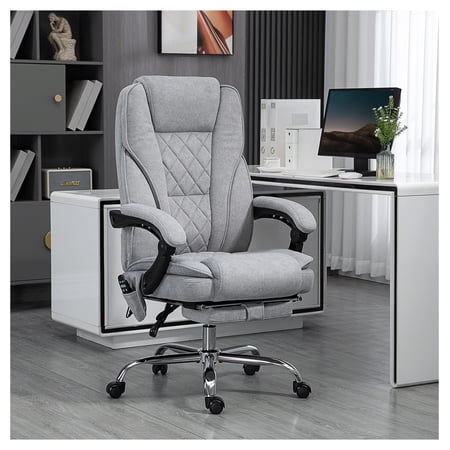
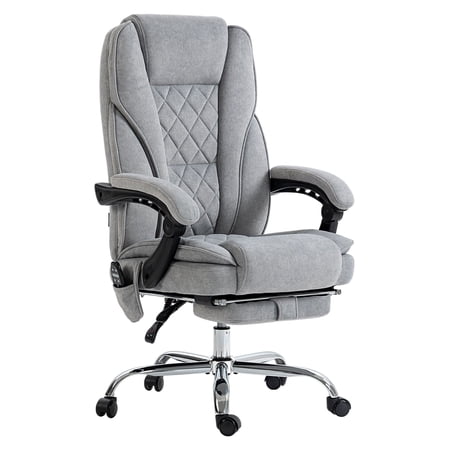
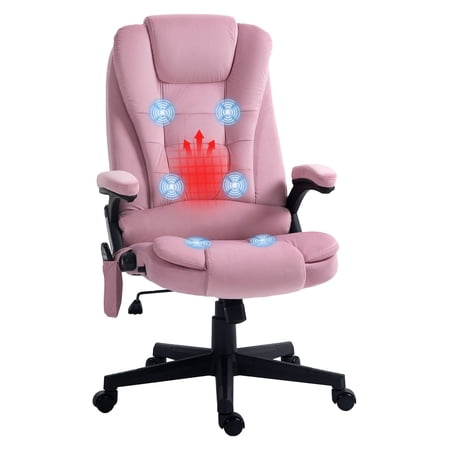
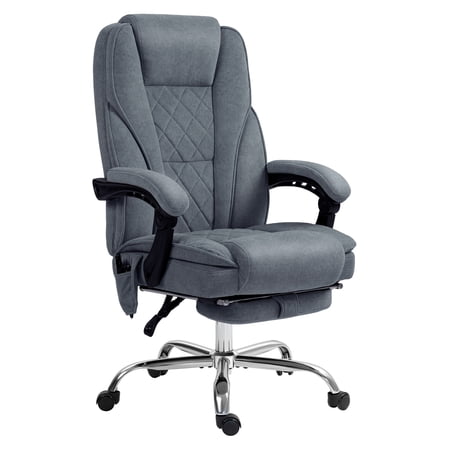
The products featured above represent the best options across different needs and budgets. Click through to check current prices and read verified buyer reviews—because sometimes, the best way to stay warm is to learn from someone who's already sitting pretty.