
Why Choose an Ergonomic Folding Office Chair? (Smart Flexibility)
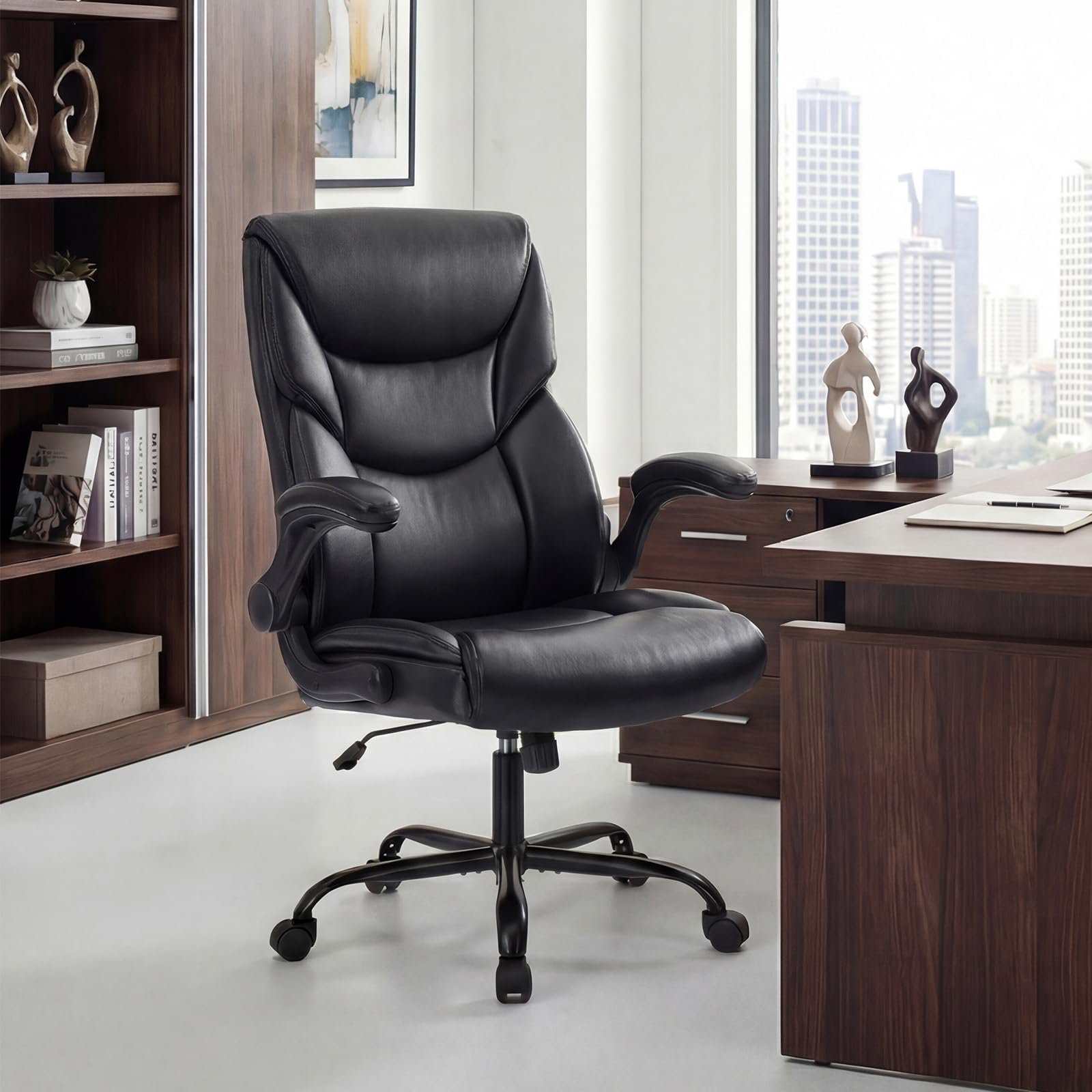
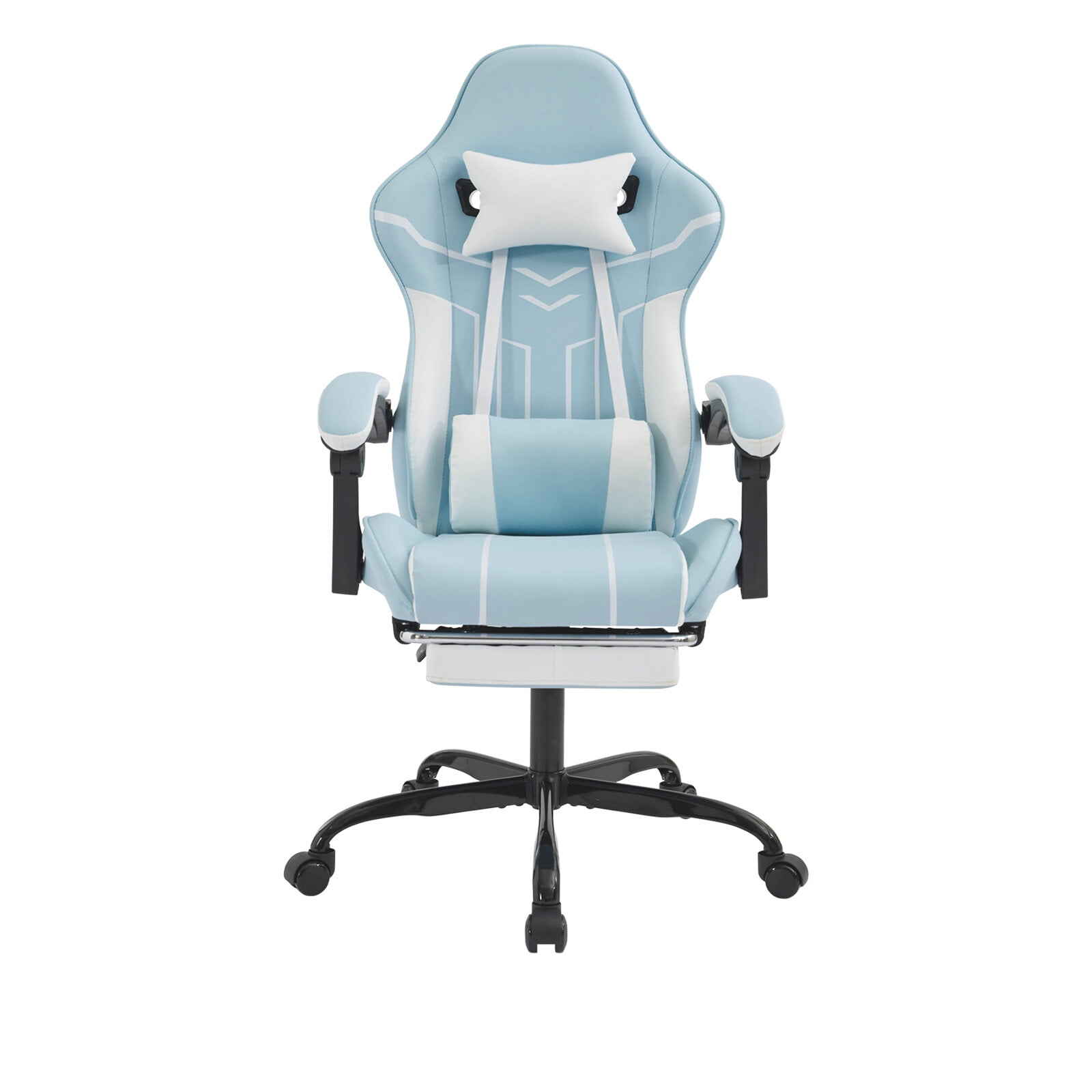
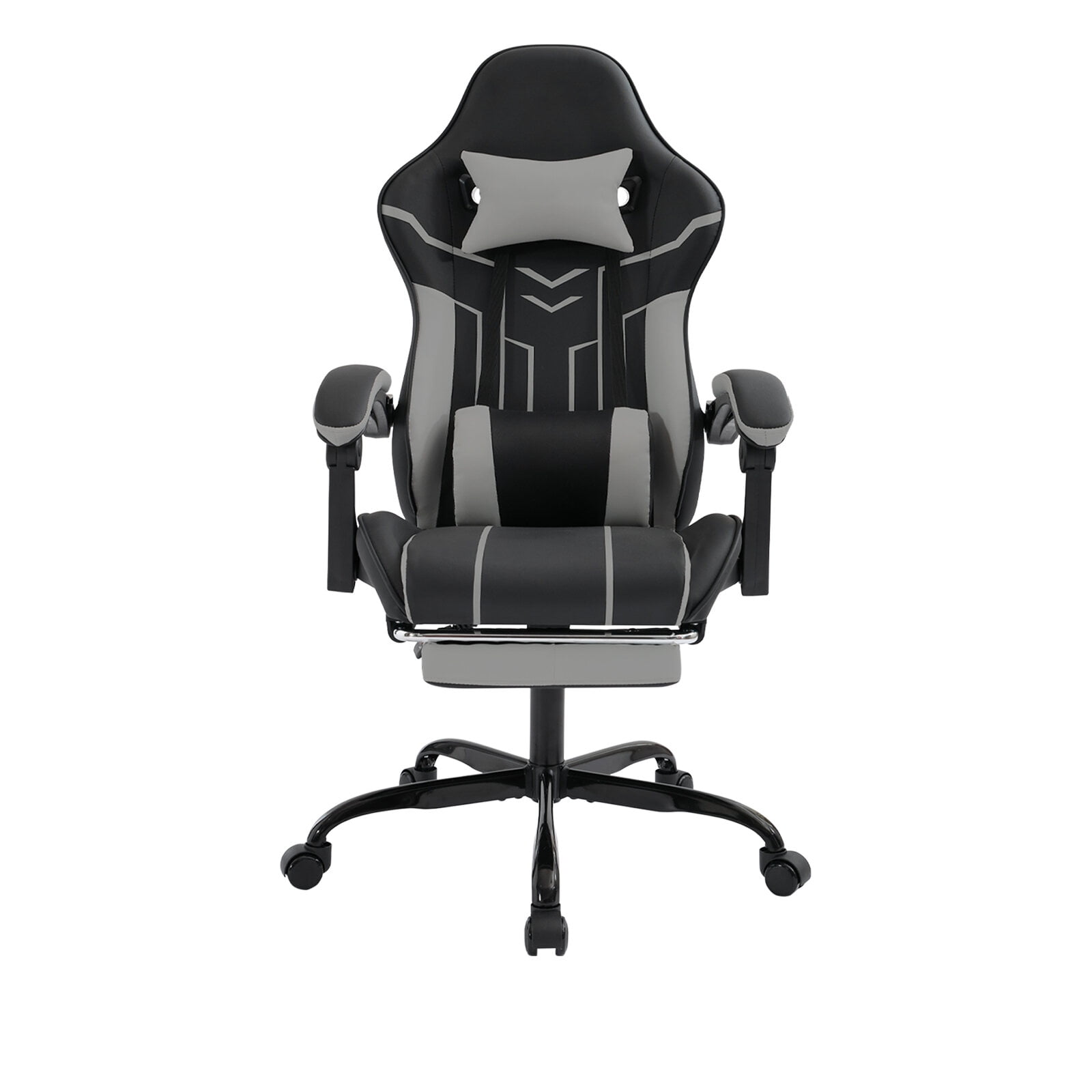
Imagine a chair that disappears when you need floor space, yet embraces your lower back like a premium task chair. That’s the promise of a well-designed ergonomic folding office chair. Whether you work from a studio apartment, run a home business with limited room, or need extra seating for guests that doesn’t scream “temporary,” these chairs blend portability with proper support.
Market insight: According to interior design surveys, 43% of home offices are located in multi‑purpose rooms (guest bedrooms, corners of living rooms). An ergonomic folding chair allows you to reclaim the space after work hours, without compromising your posture during the day.
Anatomy of an Ergonomic Folding Chair: What Sets It Apart
Not all folding chairs are created equal. A true ergonomic folding office chair includes:
- Lumbar-supportive backrest – either a pronounced curve or an adjustable pad that maintains the spine’s natural S-shape.
- Contoured seat cushion – high-density foam or gel-infused layer to prevent pressure points, often with a waterfall edge for leg circulation.
- Height-adjustable mechanism – pneumatic lift to match desk height (essential for shared workspaces).
- Sturdy folding frame – reinforced steel or aluminum with locking hinges; no wobbling when seated.
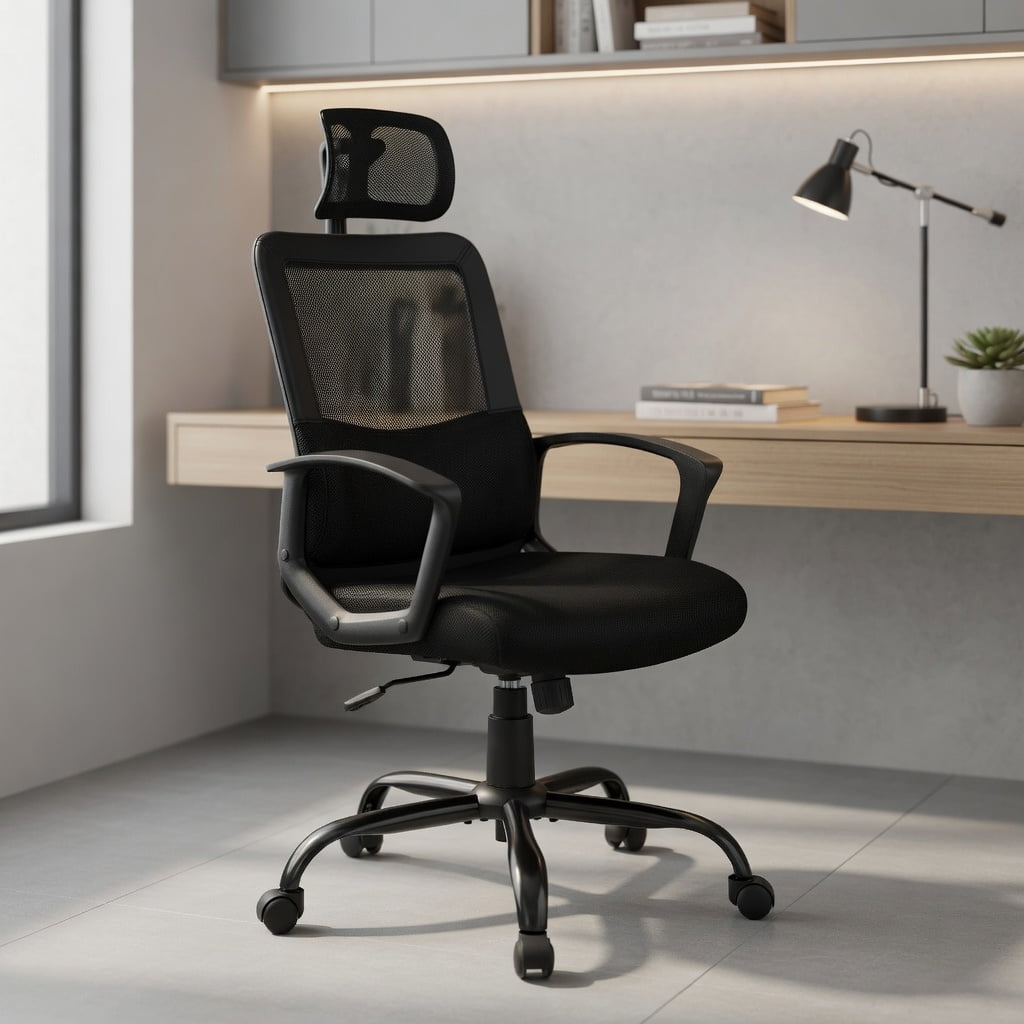
- Breathable materials – mesh back panels or perforated fabric to keep you cool during long hours.
Who Benefits Most from an Ergonomic Folding Chair?
Remote workers in small homes
Fold it after work and turn your office back into a dining/living area.
Hybrid employees
Take it to the office on team days, fold and store at home on remote days.
Guest room / dual‑purpose rooms
Offer visitors a comfortable seat without a permanent bulky chair.
Students in dorms
Move it under the bed when not studying – maximize tiny square footage.
Key Features Comparison: Folding vs. Traditional Office Chair
| Feature | Ergonomic Folding Chair | Standard Fixed Office Chair |
|---|---|---|
| Space saving | ⭐⭐⭐⭐⭐ (folds to 6-10" depth) | ⭐⭐ (always occupies full footprint) |
| Lumbar support | ⭐⭐⭐ to ⭐⭐⭐⭐ (depends on model) | ⭐⭐⭐⭐⭐ (often more adjustable) |
| Portability | ⭐⭐⭐⭐ (carry handle, lightweight) | ⭐ (heavy, hard to move) |
| Durability for daily use | ⭐⭐⭐⭐ (quality steel frame) | ⭐⭐⭐⭐⭐ (typically longer lifespan) |
| Price range | $80 – $350 | $150 – $1000+ |
Hidden Gems: What to Look for When Buying
When scanning product listings, keep an eye out for these “detail differentiators”:
- Auto‑lock folding mechanism: prevents accidental collapse when you lean back.
- Dual‑wheel casters: some folding chairs include wheels (great for rolling between desks); others are stationary.
- Folding armrests: they tuck away so the chair becomes ultra‑flat – also allow you to pull the chair under a low desk.
- Weight capacity label: look for at least 275 lbs for all‑day reliability.
- Removable/ washable cover: some fabric chairs offer zippered cushions for easy cleaning.
Ergonomics on the Go: Real‑World Scenario
Take Sarah, a freelance graphic designer. She lives in a 500‑sq‑ft apartment. Her desk is in the living room corner. Before, she used a wooden dining chair, which led to backaches. She switched to an ergonomic folding office chair with mesh back and adjustable lumbar. Now she works 6‑hour sessions comfortably, and when friends visit for dinner, the chair folds and slides behind the bookshelf. “It’s like having two rooms in one,” she says.
Material & Build: What Makes a Folding Chair Ergonomic?
Unlike standard folding chairs (often cold metal or thin plastic), ergonomic versions borrow from high‑end task chairs. Here’s how materials affect your sitting experience:
1. Mesh Back vs. Upholstered Back
Mesh benefits
- Breathability: air flows, reducing sweat.
- Flexible contour: mesh stretches and supports your spine’s shape.
- Lightweight: often shaves off 2‑3 lbs.
Upholstered (fabric/leather) benefits
- Plush comfort: extra padding for tailbone.
- Professional look: blends with executive decor.
- Quieter: no mesh stretching sounds.
2. Frame Composition
Steel frames offer maximum durability (often rated for 350+ lbs). Aluminum frames are lighter and rust‑resistant, great if you move the chair often. Some premium folding chairs use reinforced nylon polymers in stress points to reduce weight without sacrificing strength.
3. Foam Density and Seat Comfort
A typical 2‑inch foam seat might feel comfortable in the store but flatten after three months. For long‑term use, look for high‑resilience (HR) foam or cold‑cured foam. Some brands add a gel layer to dissipate pressure – a feature borrowed from luxury office chairs. Always check reviews about “seat sagging” after 6 months.
Ultimate Selection Guide: How to Pick Your Ergonomic Folding Chair
Step 1: Measure Your Folded Storage Space
Before falling in love with a design, measure the gap where you plan to store it (closet depth, behind door, under bed). Folding chairs typically range from 6 to 12 inches thick when folded. Also note the unfolded depth – you need at least 24‑28 inches from desk to wall.
Step 2: Prioritize Lumbar Adjustability
Not all folding chairs have adjustable lumbar. If you have a history of back pain, filter models that mention “adjustable lumbar support” or “built‑in lumbar curve with tension”. Some chairs include a small pillow attached with straps – that’s better than nothing but may shift.
Step 3: Decide on Armrests or Armless
Armrests add comfort for shoulders, but they increase folded width. If you need to slide the chair into a narrow gap, consider armless folding chairs or models with flip‑up arms. For typing, arms that are too high can cause elbow strain – so adjustable armrests (rare but exist) are a bonus.
Step 4: Check the Locking Mechanism
Safety first: a good folding chair has a double‑lock system (usually a lever that secures the frame open). Sit down and rock gently – it should feel as solid as a non‑folding chair.
Step 5: Consider the Casters / Glides
Some ergonomic folding chairs come with wheels (great for rolling between tasks). If your floor is hardwood, ensure the wheels are soft rubber to avoid scratches. For carpet, larger casters roll easier. Stationary glides are cheaper but less mobile.
Budget Tiers for Ergonomic Folding Chairs
Basic comfort
Simple padded seat, fixed lumbar curve, limited adjustability.
Mid‑range ergo
Height adjustment, better foam, mesh back, folding arms.
Premium compact
Full ergonomic adjustments (lumbar depth, tilt tension), premium materials, 350‑400 lb capacity.
Frequently Asked Questions – Ergonomic Folding Office Chairs
Final Verdict: Is an Ergonomic Folding Office Chair Right for You?
For the modern worker who juggles multiple roles and rooms, the ergonomic folding office chair is a game‑changer. It respects your space and your spine. Use the tips above to find a model that folds flat but supports you fully.