
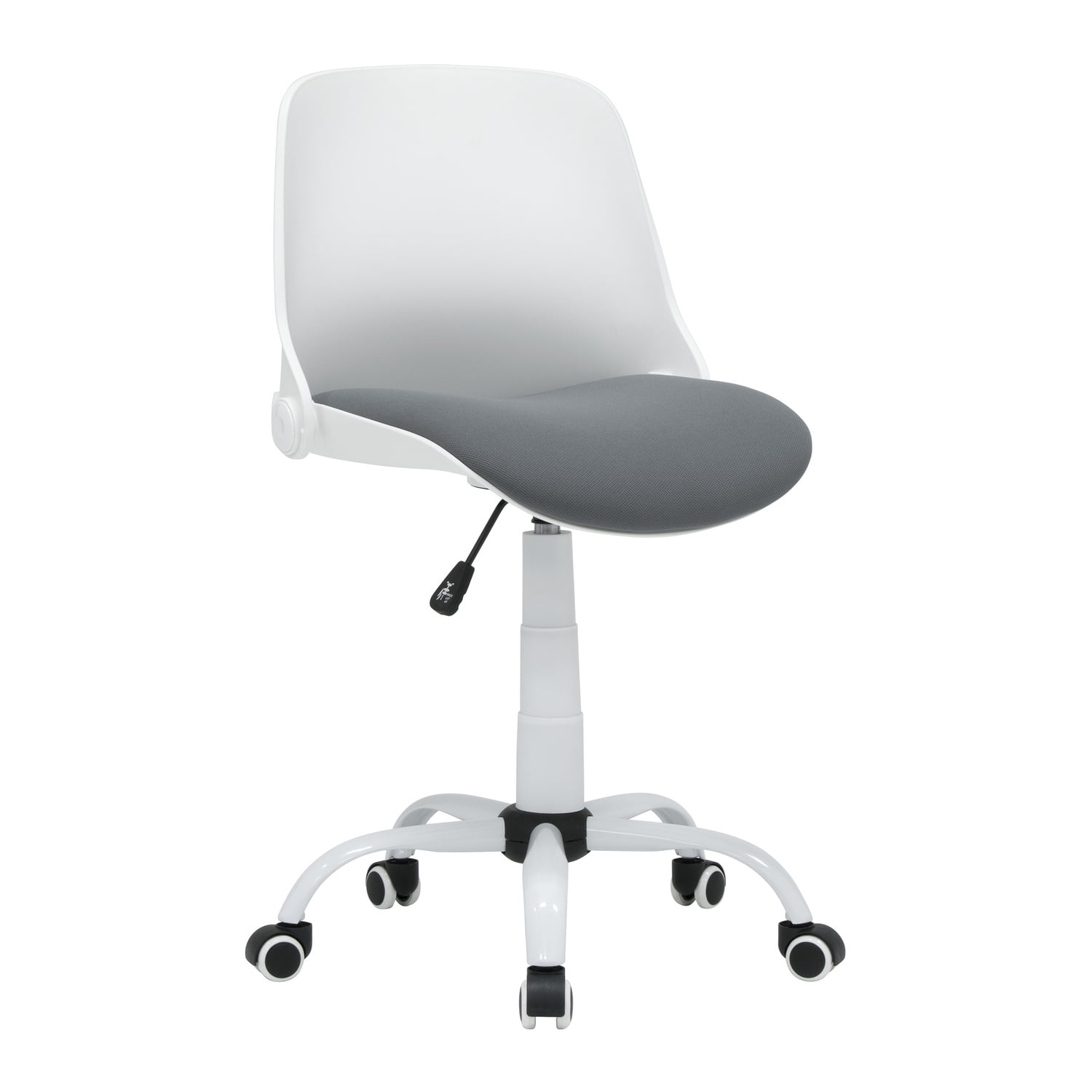
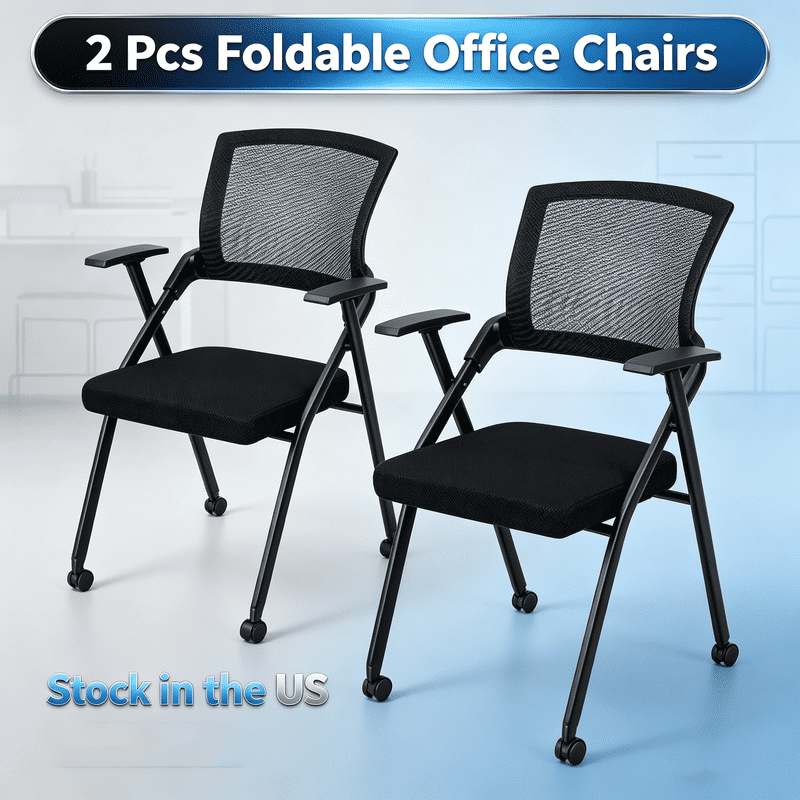
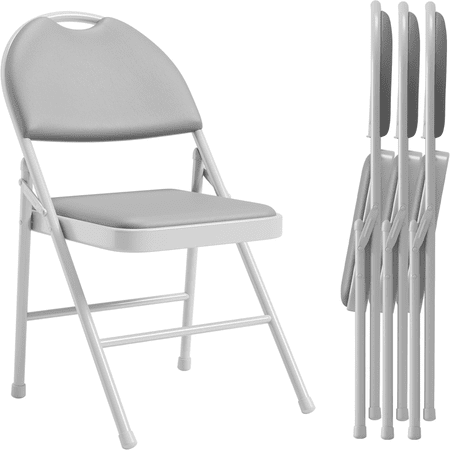
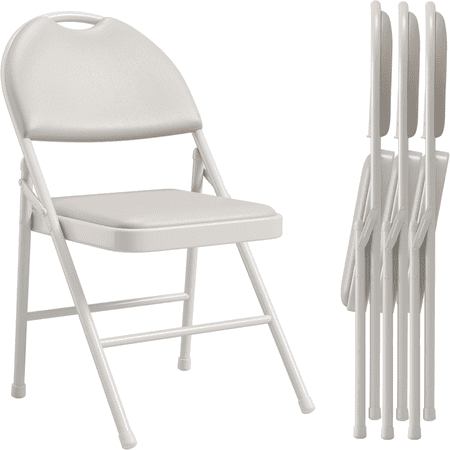
The Complete Guide to Folding Back Office Chairs
In today's dynamic work environments, flexibility is key. Whether you're setting up a home office in a spare corner, managing a growing startup with limited space, or need occasional seating for guests, folding back office chairs offer the perfect balance of functionality and convenience. These innovative seating solutions have come a long way from the flimsy metal folding chairs of the past, now featuring ergonomic designs, quality materials, and comfort features that rival traditional office chairs.
Market Insight: According to recent workspace surveys, 47% of home office users prioritize space-saving furniture, and the folding office chair market has grown 28% annually since 2020. Modern folding chairs now incorporate ergonomic features that were once exclusive to stationary office chairs, making them a viable primary seating option for many professionals.
Understanding Folding Back Office Chair Construction
Modern folding back office chairs are engineering marvels that balance portability with durability. Here's what makes them work:
- Reinforced hinge mechanisms engineered for thousands of open-close cycles without loosening
- Cross-braced frames that maintain structural integrity when unfolded
- Locking systems that prevent accidental folding during use
- Space-efficient design with fold-flat capabilities for closet or corner storage
- Weight-optimized materials like aluminum alloys combined with steel reinforcement at stress points
Types of Folding Back Office Chairs
Not all folding chairs are created equal. Understanding the different categories helps you choose the right one for your needs:
1. Portable Travel Folding Chairs
Ultra-lightweight designs (often under 15 pounds) with carrying handles or bags. These are ideal for professionals who work from multiple locations, digital nomads, or those who need to move their chair between rooms frequently. They prioritize weight savings over maximum comfort.
2. Home Office Folding Chairs
Designed for daily use in home offices, these chairs feature thicker cushioning (2-3 inches), better lumbar support, and more durable upholstery. They fold for occasional space clearing but are meant to stay set up most of the time. These offer the best balance of comfort and space-saving.
3. Guest/Conference Folding Chairs
Built for occasional use by visitors or in meeting rooms, these chairs stack or fold efficiently. They typically have firmer seats and simpler designs but can accommodate various body types. Often found in multipurpose rooms that transform from office to entertainment space.
4. Heavy-Duty Folding Executive Chairs
The premium category featuring high weight capacities (400+ pounds), premium upholstery like bonded leather, and enhanced ergonomic features including headrests and adjustable lumbar. These approach the comfort of permanent executive chairs while maintaining foldability.
Key Ergonomic Features in Modern Folding Chairs
Gone are the days when folding meant sacrificing back health. Today's quality folding back office chairs incorporate these ergonomic elements:
Contoured Backrests
Molded shapes that follow the spine's natural curve, reducing pressure on vertebrae
Breathable Mesh Panels
Prevent heat buildup during long sitting sessions, keeping you cool and dry
Waterfall Seat Edges
Reduce pressure on thighs and improve circulation to legs and feet
Adjustable Lumbar Support
Some models now feature inflatable or sliding lumbar cushions for personalized support
Pros and Cons of Folding Back Office Chairs
✓ Advantages
- Space Efficiency: Fold to 1/3 of their size when not in use
- Portability: Easy to move between rooms or take to events
- Versatility: Perfect for multipurpose rooms and small apartments
- Cost-Effective: Generally more affordable than permanent office chairs
- Easy Storage: Slide into closets, under beds, or behind doors
- Quick Setup: Ready to use in seconds, no assembly required
✗ Limitations
- Less Cushioning: Often thinner padding than permanent chairs
- Fewer Adjustments: Limited armrest, height, or tilt options
- Durability Concerns: Moving parts may wear faster
- Stability Issues: Some models feel less sturdy when seated
- Aesthetics: Functional design may not suit formal offices
- Weight Limits: Often lower capacity than fixed chairs
Who Benefits Most from Folding Back Office Chairs?
Based on user feedback and usage patterns, these chairs are ideal for specific scenarios:
| User Type | Why Folding Works | Recommended Features |
|---|---|---|
| Apartment Dwellers | Maximize limited square footage; clear floor space when not working | Fold-flat design, lightweight frame (under 20 lbs), wall-friendly back |
| Home-Based Professionals | Convert living space to office and back daily | Thick padded seat, breathable back, smooth-rolling casters |
| Students | Move between dorm room, library, and study areas | Carrying handle, compact folded size, durable fabric |
| Small Business Owners | Flexible seating for growing team, easy reconfiguration | Stackable design, commercial-grade frame, easy-clean upholstery |
| Event Planners | Quick setup for meetings, training sessions, workshops | Ganging clips for rows, ergonomic shape for all-day events |
Materials and Durability Considerations
The longevity of your folding back office chair depends heavily on construction materials:
- Frame Materials: Steel frames offer the best durability (10-15 years) but add weight. Aluminum frames are lighter (ideal for portability) but may flex over time. Hybrid designs use steel at stress points with aluminum elsewhere.
- Upholstery Options: Commercial-grade polyester stands up to daily use and resists stains. Bonded leather offers a premium look but may crack after 2-3 years. Mesh provides breathability but can sag if quality isn't high.
- Cushioning Density: High-resilience foam (2.5-3 lbs density) maintains shape for years. Look for at least 2 inches of cushion in the seat for all-day comfort.
- Hinge Quality: Reinforced steel hinges with nylon washers operate smoothly for thousands of cycles. Avoid chairs with plastic hinge components for daily use.
Space Planning with Folding Office Chairs
One of the biggest advantages of folding back office chairs is how they transform space utilization. Here's how to maximize their potential:
Consider these space-saving strategies:
- Wall-Mounted Storage: Install hooks or brackets to hang folded chairs on walls, keeping floors clear
- Under-Desk Storage: Some slim folding models slide completely under standing desks or low furniture
- Closet Organization: Use vertical dividers to store multiple folded chairs upright like books
- Multi-Purpose Rooms: Keep chairs folded in a decorative chest or ottoman that doubles as storage
Maintenance Tips for Longevity
Extend the life of your folding back office chair with these care practices:
- Lubricate hinges annually with silicone spray to prevent squeaking and ensure smooth operation
- Tighten bolts and screws every 3-6 months as folding mechanisms can loosen over time
- Clean upholstery regularly according to manufacturer instructions - typically mild soap and water for most fabrics
- Inspect locking mechanisms periodically to ensure they engage fully when the chair is open
- Avoid overloading beyond the stated weight capacity, which stresses hinges and frame joints
- Store in climate-controlled environments - extreme temperatures can degrade foam and plastics
Comparison: Folding vs. Traditional Office Chairs
| Aspect | Folding Back Office Chair | Traditional Office Chair |
|---|---|---|
| Space When Not in Use | 4-8 inches deep when folded | Always occupies full footprint (25-30 inches deep) |
| Portability | Excellent - carry or roll easily | Poor - heavy and awkward to move |
| Adjustability Range | Limited (seat height only in some models) | Extensive (height, tilt, arms, lumbar) |
| Typical Weight Capacity | 250-300 pounds standard | 300-400 pounds standard |
| Average Price | $80-$250 for quality models | $200-$800+ for comparable quality |
| Setup Time | 2-5 seconds (unfold and sit) | 15-30 minutes assembly required |
Innovations in Folding Chair Design
The folding back office chair category is evolving rapidly with new technologies:
- Hybrid folding mechanisms that combine traditional fold with height-adjustable gas lifts
- Integrated storage solutions like fold-out laptop tables or document holders
- Eco-friendly materials including recycled plastics and sustainably sourced woods
- Smart folding chairs with built-in posture sensors and app connectivity
- Modular designs that allow adding armrests, headrests, or lumbar supports as needed
Frequently Asked Questions About Folding Back Office Chairs
Final Thoughts: Is a Folding Back Office Chair Right for You?
Folding back office chairs represent a practical solution for modern, flexible workspaces. They're not trying to replace the heavy-duty ergonomic chairs designed for 10-hour daily use in corporate settings. Instead, they excel in scenarios where space is premium, where furniture needs to be multipurpose, or where flexibility matters more than maximum adjustability.
For home office users who work 3-5 hours daily and need to reclaim their space evenings and weekends, a quality folding chair offers the perfect compromise. For small business owners who need flexible seating arrangements, they provide cost-effective versatility. And for anyone living in compact urban spaces, they're often the only practical choice that doesn't sacrifice back health.
Quick Decision Guide
• You work in multiple locations
• Your office doubles as living space
• You need occasional guest seating
• You're furnishing on a budget
• You move frequently or rent
• You sit 8+ hours daily
• You need extensive ergonomic adjustments
• You have a dedicated, permanent office
• You weigh over 300 pounds
• Premium aesthetics are crucial
Remember that the best chair is ultimately the one that fits your specific needs, space, and body. Test different models when possible, pay attention to construction quality, and don't compromise on the features most important to your comfort and back health.