
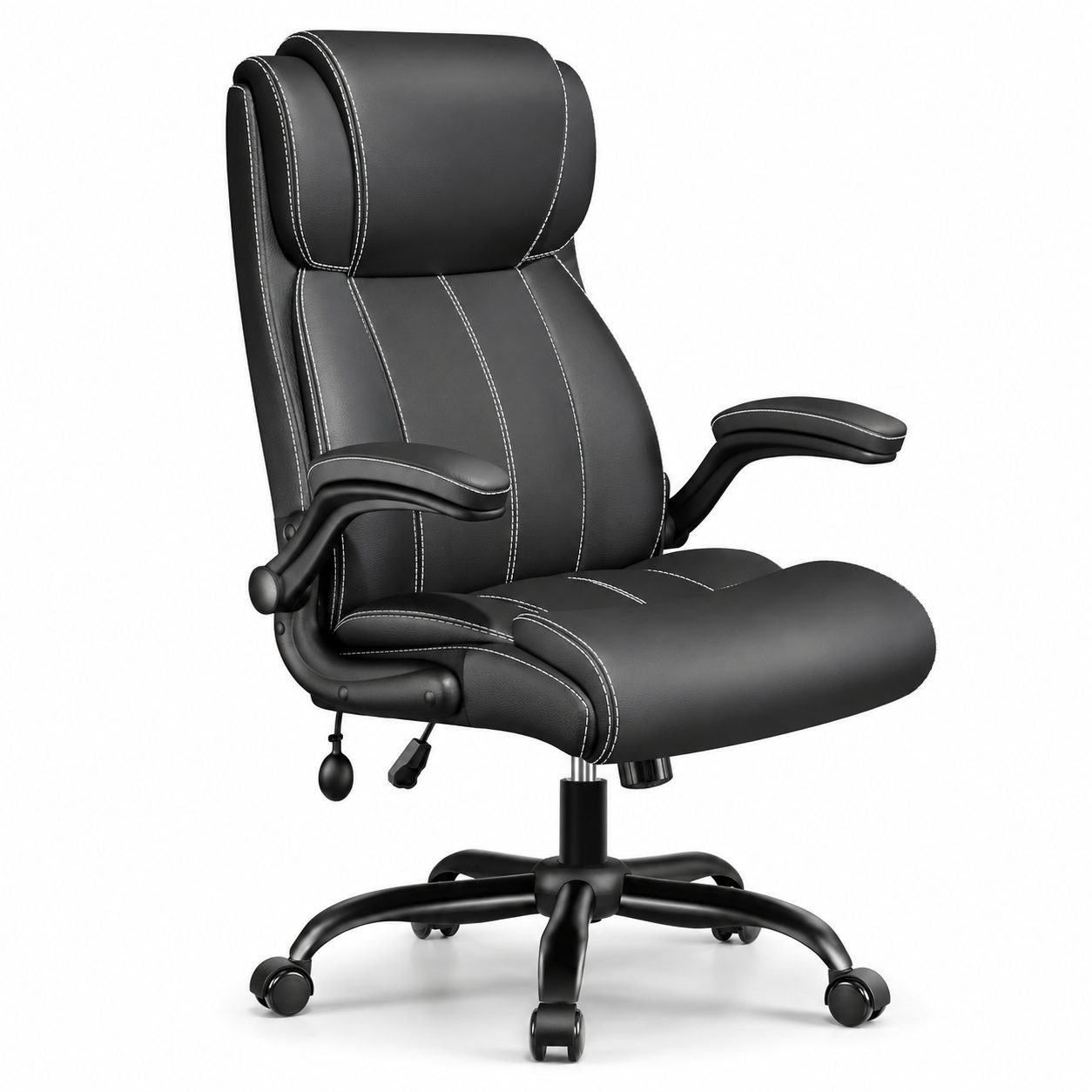
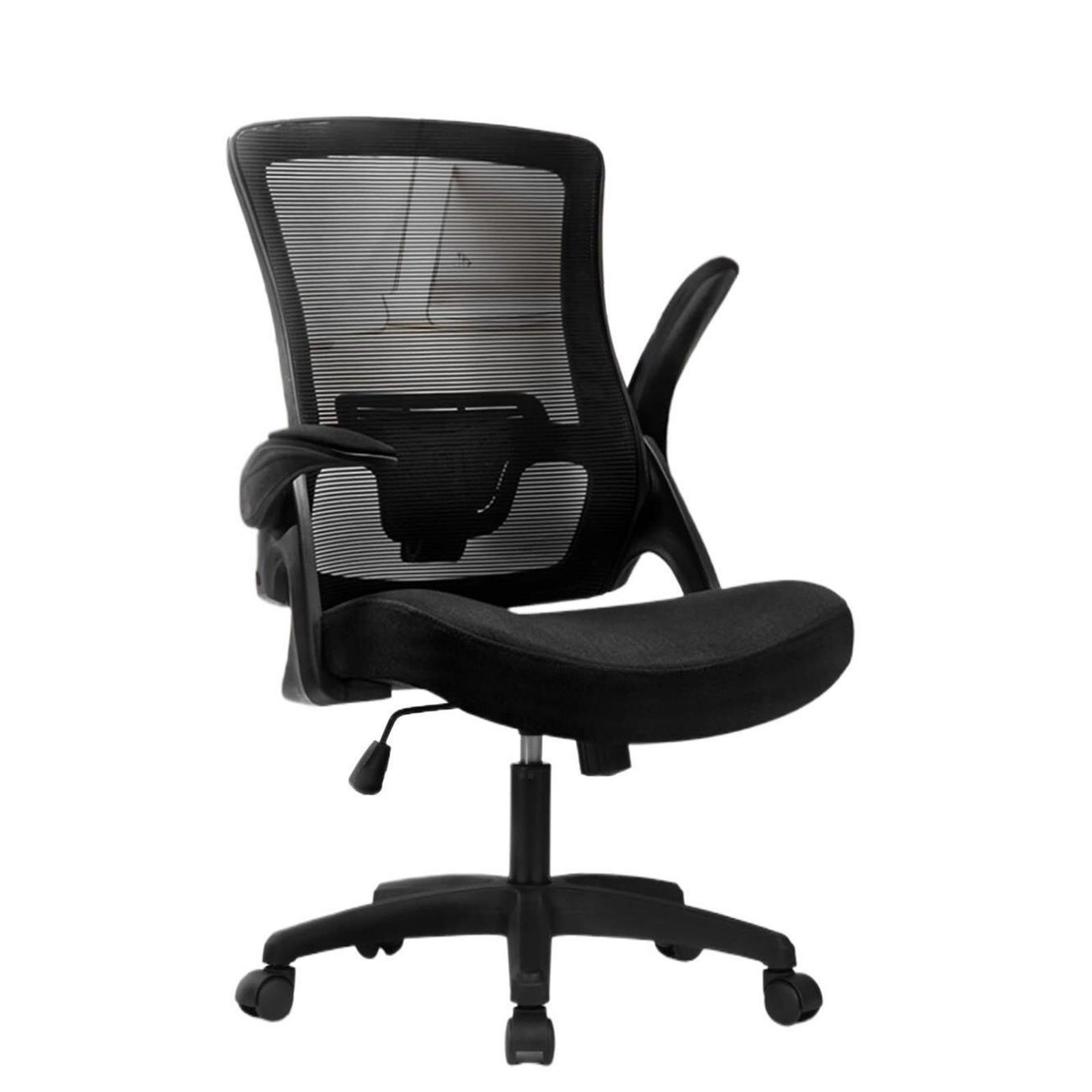
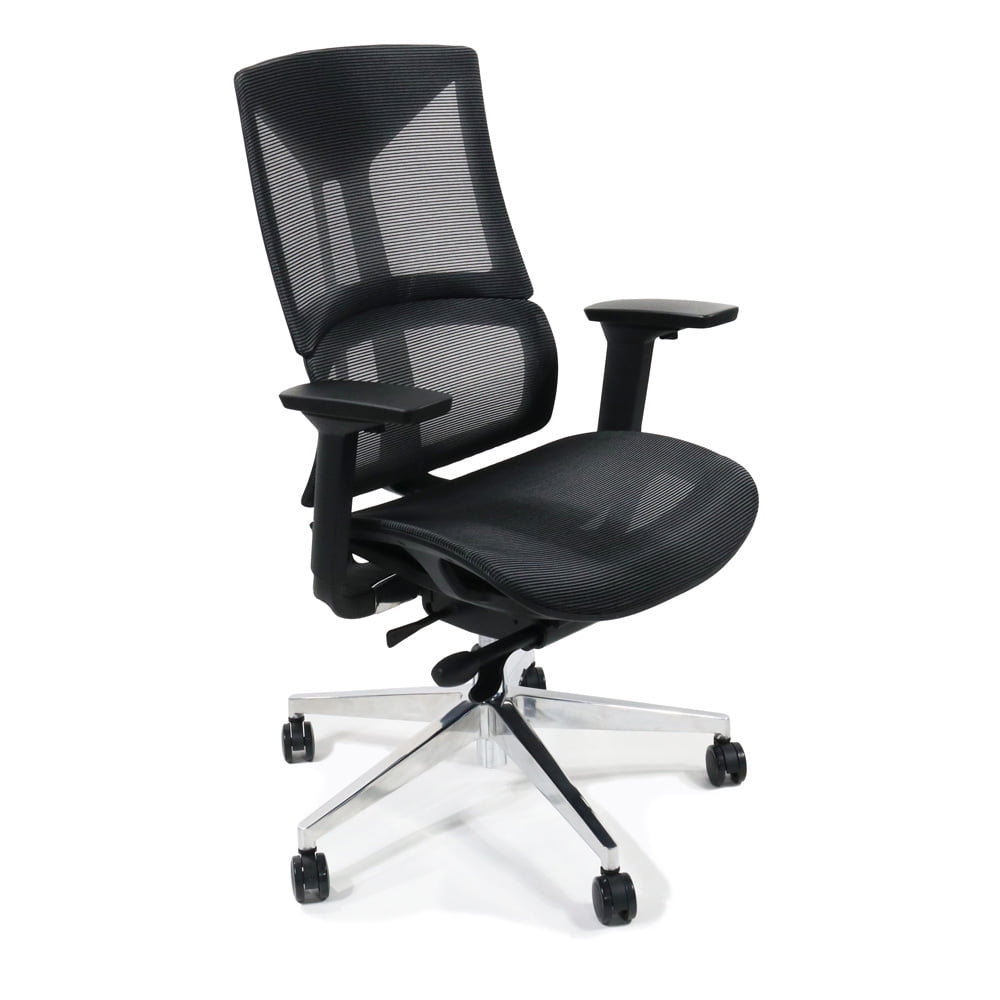
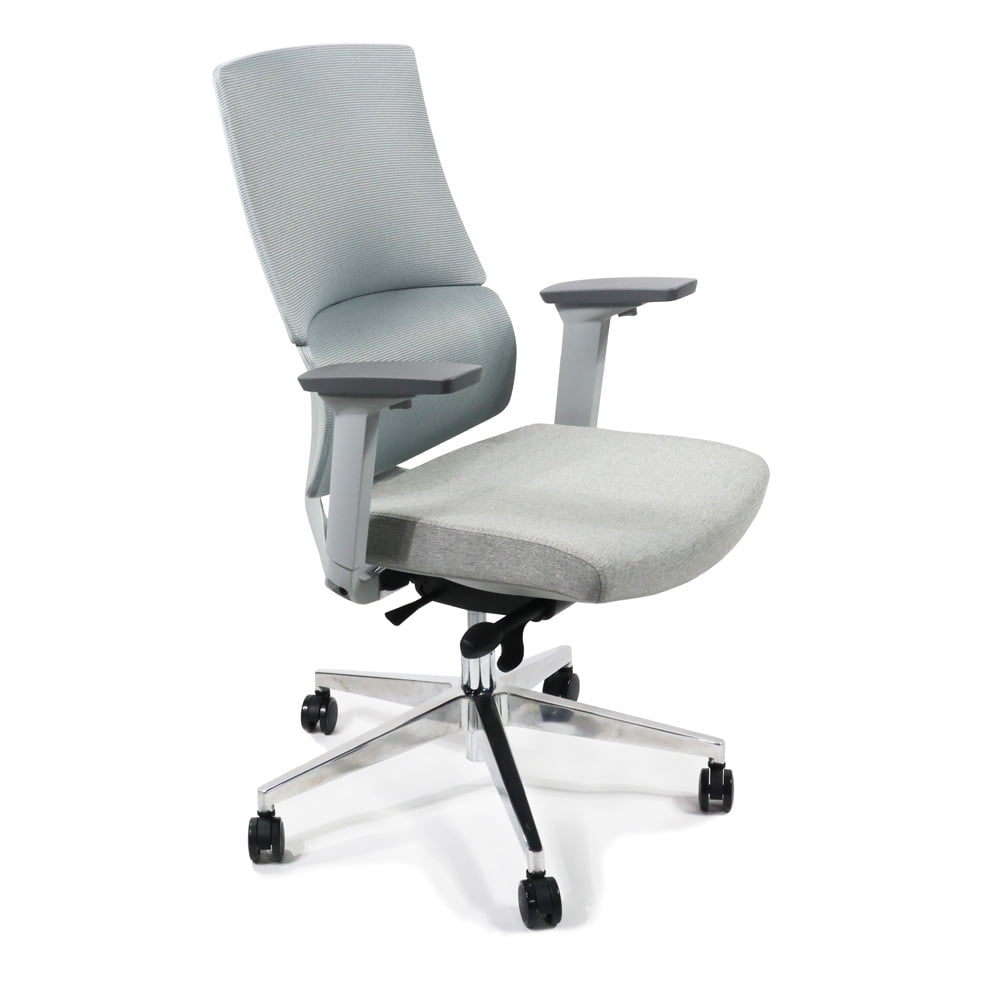
Imagine driving a car where the seat is bolted in one position—no matter your height, the steering wheel is fixed, and the pedals are out of reach. You'd be uncomfortable, distracted, and probably in pain within minutes. Yet, millions of people sit in standard office chairs every day, expecting their bodies to conform to a rigid design. A office chair with adjustable back support changes that narrative. It puts you in the driver's seat, literally allowing you to customize the chair to your body's blueprint. This page is your comprehensive resource for understanding, selecting, and benefiting from this essential piece of office furniture.
Ergonomic Insight: Studies from the American Chiropractic Association indicate that 80% of people will experience back pain at some point in their lives. Prolonged sitting in a non-supportive chair is a major contributor. An adjustable back support can reduce spinal disc pressure by up to 35% compared to a fixed-back chair, according to research in applied ergonomics.
Beyond "Lumbar Support": Understanding the Full Spectrum of Back Adjustability
Most people think "adjustable back support" simply means a lumbar pillow that moves up and down. While that's a common feature, modern ergonomic design offers a far more sophisticated toolkit. Choosing the right chair means understanding these different layers of adjustability and how they work together.
1. The Foundation: Height-Adjustable Lumbar Support
This is the most basic and essential feature. The curve of your lower back (lumbar lordosis) is unique to you. A lumbar support that's too high will poke you in the middle of your back, while one that's too low provides no support at all. A height-adjustable lumbar mechanism lets you align the support pad precisely with the inward curve of your lower spine. Look for chairs with at least 3-4 inches of vertical travel.
2. The Next Level: Depth-Adjustable Lumbar (or "Tension")
Once the height is correct, the next question is: how much support do you want? Some people prefer a gentle nudge, while others need a more pronounced, firm pressure to maintain their posture. Depth adjustment allows the lumbar support to move forward (toward your back) or backward. This is often controlled by a knob on the side of the chair. It's a game-changer for personalizing the feel of the chair. A chair with both height and depth adjustment is the gold standard for lower back comfort.
3. The Advanced Option: 4D and Air-Bladder Systems
High-end ergonomic chairs take adjustability even further.
- 4D Lumbar: Offers height, depth, and sometimes even lateral (side-to-side) or independent pad movement, allowing for micro-adjustments to fit asymmetries in the back.
- Air-Bladder Lumbar: Instead of a mechanical pad, these chairs use an inflatable air bladder built into the backrest. A small pump allows you to increase or decrease the firmness of the support, much like adjusting the air in a car seat. This provides a uniquely customized, cushioned support.
4. Full-Back Adjustability: The Synchronized System
Adjustable back support isn't just about the lower back. The entire backrest can be tuned. This includes:
- Backrest Height Adjustment: The whole backrest slides up and down. This is crucial for ensuring the curvature of the backrest aligns with your spine, and that the shoulder support hits you at the right height. Essential for tall users.
- Recline Tension Adjustment: This controls how much force is needed to lean back. A tension knob lets you adjust from very stiff to very loose, accommodating your weight and preferred rocking motion. This dynamic movement is itself a form of back support, as it allows your spine to move through different angles throughout the day.
- Independent Seat Angle (Tilt): Some advanced chairs allow the seat to tilt forward slightly. This can be a huge relief for the lower back, opening up the angle between your torso and legs and reducing pressure on the spine.
Comparing Adjustable Back Systems: A Quick Overview
Simple Lumbar Pad
- Pros: Affordable, easy to use, better than nothing.
- Cons: Limited customization, can feel like a "bump," may not fit all spine shapes.
Height + Depth Lumbar
- Pros: Highly customizable fit, excellent support for most users, great value.
- Cons: Slightly more complex mechanisms, can add cost.
Air-Bladder Lumbar
- Pros: Infinitely adjustable firmness, unique comfort, premium feel.
- Cons: Typically found in high-end chairs, potential for mechanical issues over time.
Full-Back + Lumbar Combo
- Pros: Total spinal alignment (cervical to lumbar), ultimate ergonomic solution.
- Cons: Highest price point, requires learning curve to adjust all features.
The Measurable Impact of a Good Chair
Why invest time and money in finding the right chair? Because the return on investment is tangible, both for your health and your work performance.
- 43% increase in focus: A study by Texas A&M University found that ergonomic interventions, including proper seating, can lead to a productivity increase of nearly 43%.
- 54% reduction in musculoskeletal discomfort: Research published in the Journal of Occupational and Environmental Medicine showed that providing employees with highly adjustable chairs significantly reduced their reports of pain.
- Up to 2 hours of additional focused work per day: By eliminating the distraction of physical discomfort, you can channel more energy into cognitive tasks. Discomfort is a constant, low-level interruption that breaks your flow state.
How to Choose Your Perfect Chair: A 4-Step Action Plan
Navigating the world of ergonomic chairs can feel overwhelming. Use this simple, actionable plan to cut through the noise.
- Identify Your "Pain Points": Before you even start shopping, take note. Where do you feel discomfort after a long day? Is it your lower back, your mid-back, your shoulders? Do you tend to slouch forward, or do you prefer to lean back? Knowing your problems will guide you to the solutions.
- Determine Your Required Adjustability Level: Based on your pain points, decide which features are non-negotiable. If you have chronic lower back pain, a chair with both height and depth-adjustable lumbar is a must. If you're tall, full-back height adjustment is critical.
- Set a Realistic Budget: As a rule of thumb, invest in the best chair you can reasonably afford. Consider it a 5-10 year investment in your health. A $300 chair with basic support is a step up, but a $600-$800 chair with robust mechanisms will likely serve you far better and longer.
- Read, Watch, and (If Possible) Try: Read detailed reviews from reputable sources. Watch video reviews to see the adjustment mechanisms in action. If you have a local office supply store with a "try before you buy" section, take 15-20 minutes to sit in different models and test all the levers.
Spinal Health
Maintains natural S-curve, preventing disc compression and long-term degenerative issues.
Reduced Fatigue
Proper support means your muscles don't have to work to hold you up, saving energy for your brain.
Improved Circulation
Correct posture allows for better blood flow, reducing the risk of deep vein thrombosis and keeping you alert.
Better Focus
Comfort is the foundation of concentration. When your body is at ease, your mind is free to work.