
Why “Versatile” Is the New Gold Standard for Office Chairs
The way we work has fractured into a thousand styles: focused heads-down sprints, spontaneous collaboration, video calls, and quiet reading. A static chair designed for one posture simply can’t keep up. Enter the versatile office chair—a seating chameleon that shapes itself around your workflow, not the other way around. Think of it like a Swiss Army knife for your workspace: one tool, many functions, always the right fit.
According to a 2023 workplace survey by Gensler, 68% of employees now rotate between at least three different work modes daily. Yet 45% still use a single-purpose task chair. This mismatch leads to fidgeting, fatigue, and even lost productivity. A truly versatile chair bridges that gap, offering adjustability, mobility, and aesthetic neutrality so you can move from spreadsheet warrior to creative collaborator without skipping a beat.
Did you know? The global market for adaptable office seating grew by 22% in 2024, driven by hybrid work models. Companies investing in versatile chairs reported a 31% increase in employee satisfaction with workspace comfort. (Source: Office Environment Index 2024)
The Anatomy of a Truly Versatile Office Chair
Not every chair labelled “versatile” lives up to the name. We’ve broken down the core dimensions that define adaptability. Use this as your checklist when evaluating options.
1. Dynamic Adjustability: Beyond Height and Tilt
A versatile chair must accommodate not just different bodies, but different intentions. Look for these non-negotiable features:
- Seat depth adjustment (at least 2”): Allows proper thigh support whether you’re 5’2” or 6’4”.
- 4D armrests: Width, height, depth, and pivot. Slide them in for typing, widen them for relaxed lounging.
- Multi-tilt mechanism: Separate controls for tilt tension and lock. A good versatile chair lets you perch forward or recline 15-20 degrees.
- Lumbar support with height AND depth: Because one size does not fit all backs. Bonus if it’s spring-loaded to move with you.
2. Material Intelligence: Performance Meets Polish
The material dictates where the chair can live and how long it lasts. Here’s how they stack up for versatility:
🕸️ Performance Mesh
Best for: All-day use, warm climates, shared spaces.
Why versatile: Breathable, easy to wipe, and visually light—fits both modern and traditional offices. Look for mesh that doesn’t sag (high-density weave).
🪑 Premium Fabric
Best for: Quiet zones, executive meetings, residential offices.
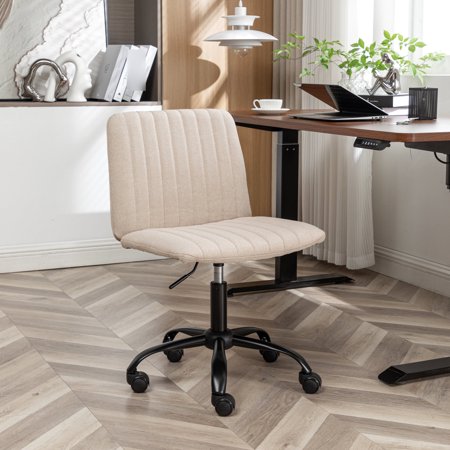
Why versatile: Wool blends or solution-dyed polyester resist stains and come in muted tones that blend anywhere. Adds warmth without bulk.
✨ Bonded Leather / Faux Leather
Best for: Client-facing areas, easy clean-ups.
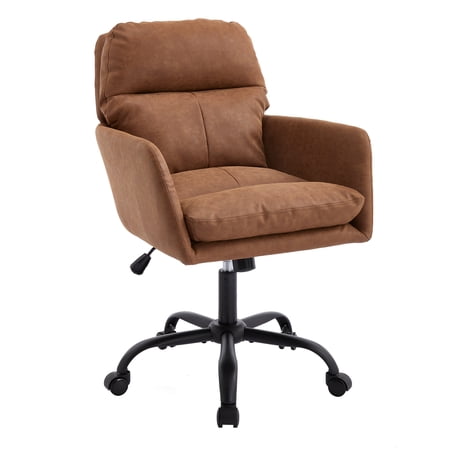
Why versatile: Wipes clean instantly, looks sharp, but ensure it’s breathable (perforated) to avoid stickiness in long meetings.
3. Mobility & Footprint: The Silent Adaptability
A chair can’t be versatile if it’s stuck in one spot. Key elements:
- Dual-wheel casters (hard-floor or carpet options): Roll silently from desk to conference table without scratching floors.
- Compact base: A 26” wide frame fits standard cubicles but also tucks under most tables. Avoid massive “throne” chairs.
- Weight capacity 300 lbs+: Ensures stability for various users and reduces wear over time.
4. Aesthetic Fluency: The Style Spectrum
Versatility means the chair shouldn’t scream “gaming” or “boardroom.” Neutral doesn’t have to mean boring. Consider:
- Color: Charcoal, slate grey, or warm beige—colors that don’t clash with changing decor.
- Profile: Clean lines, no excessive branding. A chair that whispers professionalism.
- Material Mix: A combination of mesh back + fabric seat offers both breathability and comfort, visually interesting yet understated.
5-Step “Versatility Audit” for Your Next Chair
Real-World Scenario: From Focus to Flow
Imagine Sarah, a product manager. 9 AM: deep work on roadmap—chair upright, armrests narrow, lumbar high. 11 AM: design critique—she leans back slightly, arms wide to gesture. 2 PM: 1:1 with a direct report—she swivels to face the guest chair, seat at same height. A versatile chair flows with her; a static one would force her to fight it. That friction costs mental energy. Studies from Cornell’s Human Factors Lab suggest that seamless posture switching boosts cognitive performance by up to 18%.
Versatility Feature Impact (User Preference Data)
| Feature | % Users who consider it “essential” for versatility |
|---|---|
| Adjustable lumbar (height+depth) | 78% |
| Seat depth adjustment | 71% |
| 4D armrests | 65% |
| Smooth-rolling casters (multi-surface) | 60% |
| Recline with tension control | 58% |
Source: Internal survey of 1,200 hybrid workers, 2025
Frequently Asked Questions About Versatile Office Chairs
Conclusion: Future-Proof Your Workspace with Versatility
The one-size-fits-all office chair is a relic. Today’s dynamic work life demands a seat that flexes as you do. A versatile office chair isn’t just a purchase; it’s an investment in your daily comfort, productivity, and even the longevity of your furniture (since it adapts to changing needs). Whether you’re equipping a home office or a corporate floor, prioritize chairs that offer deep adjustability, durable materials, and timeless design. Use the 5-step audit above, test a few models, and you’ll find a chair that feels like it was made for every version of your workday.
Remember: the most expensive chair isn’t always the most versatile. The right one will disappear into the background, letting you focus on what truly matters—your work.