
Why Consider Office Chair Armrest Replacement?
Your office chair armrests take a beating every day. Over time, the padding flattens, the vinyl or fabric cracks, and the plastic mechanisms become wobbly. Instead of living with discomfort or buying a whole new chair, office chair armrest replacement offers a smart, budget-friendly solution. It's like giving your trusted chair a second youth—restoring ergonomic support where you need it most.
Think of armrests as the suspension of your car: when they wear out, the ride becomes rough. Replacing them isn't just about looks; it directly affects your posture. According to ergonomics experts, properly adjusted armrests reduce strain on your neck and shoulders by up to 30%, allowing you to work longer without fatigue.
Understanding Your Armrest Replacement Options
Not all armrest replacements are created equal. Depending on your chair model and the type of damage, you have several paths. Below we break down the main categories and help you decide what's right for your situation.
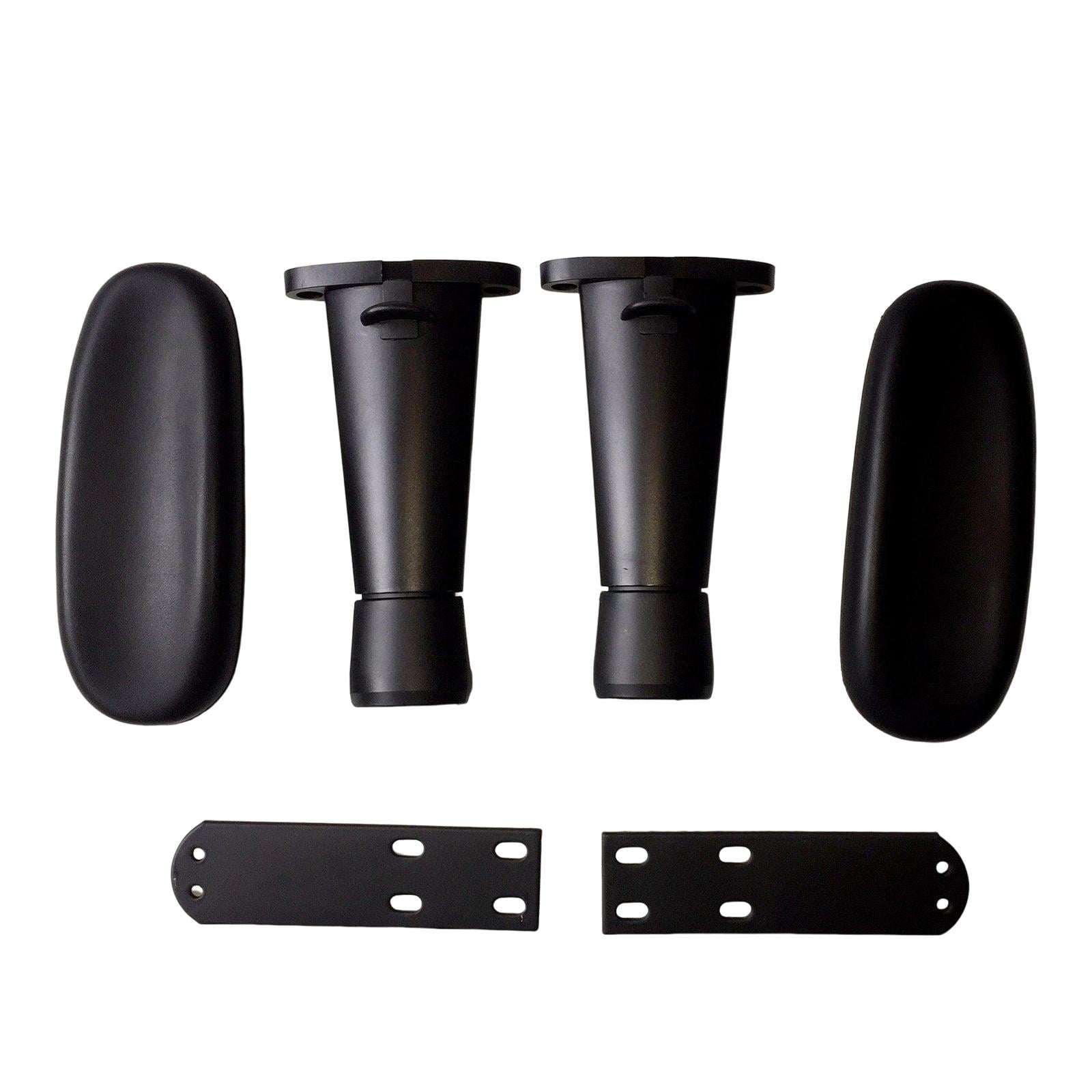
1. Full Armrest Assembly Replacement
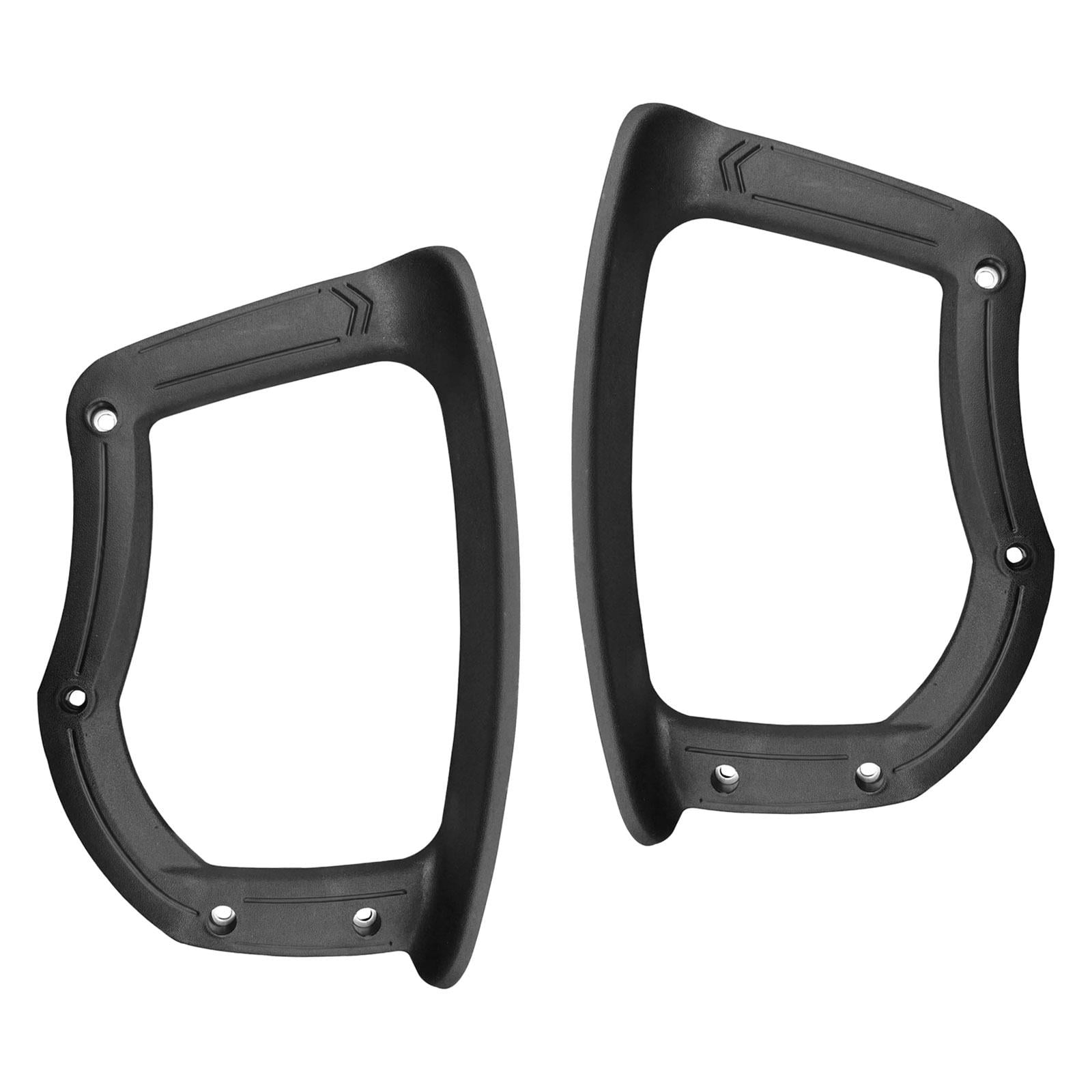
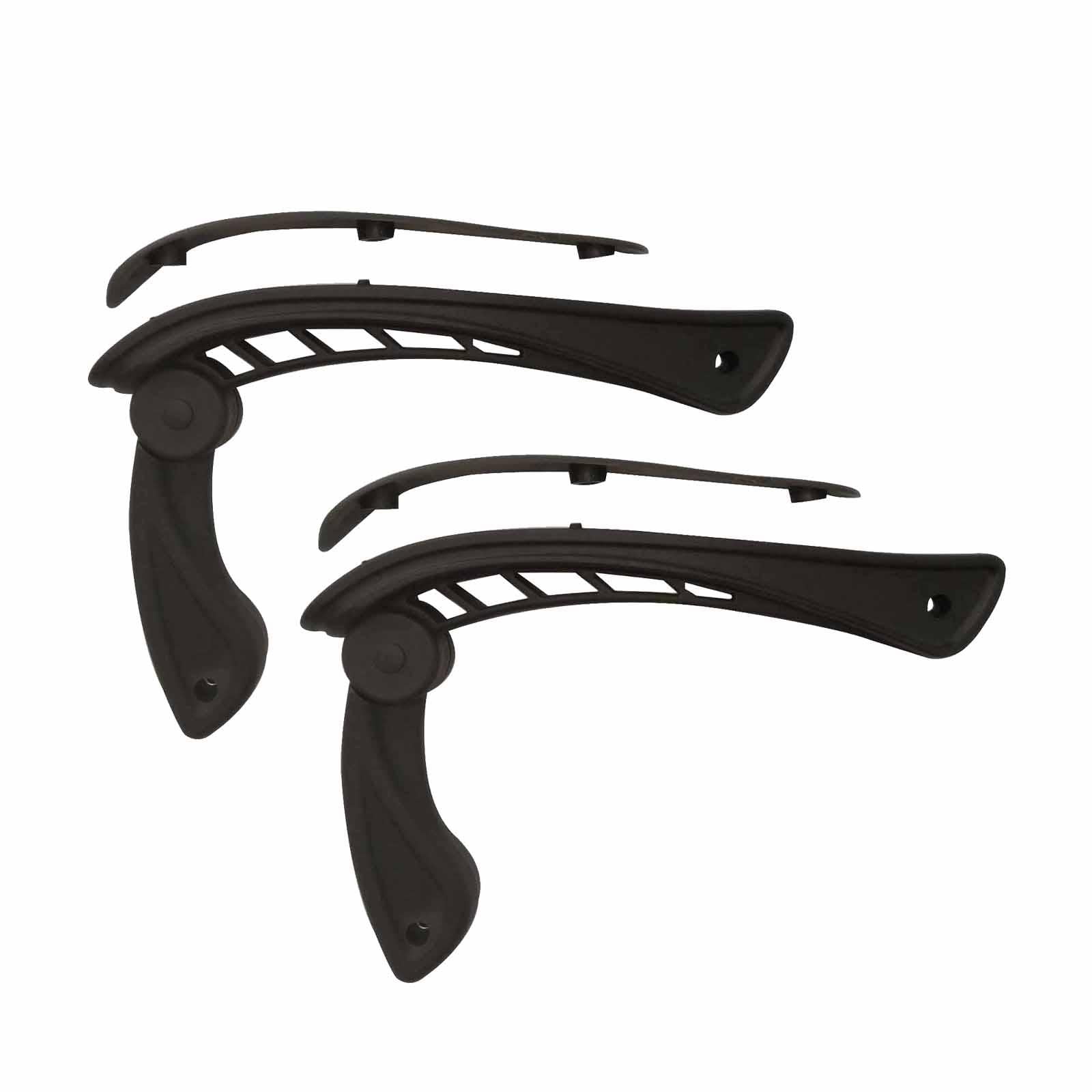
If the entire arm structure is broken—cracked plastic, failed height adjustment, or severe wobbling—you'll need a complete assembly. This includes the vertical post, mounting bracket, and the arm pad. Most manufacturers offer these as spare parts. Measure the distance between mounting holes (usually 2 to 4 screws) and the arm's height profile.
- Best for: Broken mechanisms, bent metal, or stripped height locks.
- Pros: Restores original function and stability; often matches exactly.
- Cons: More expensive than just pads; may be hard to find for older chairs.
2. Universal Arm Pad Replacement (Top Cushion Only)
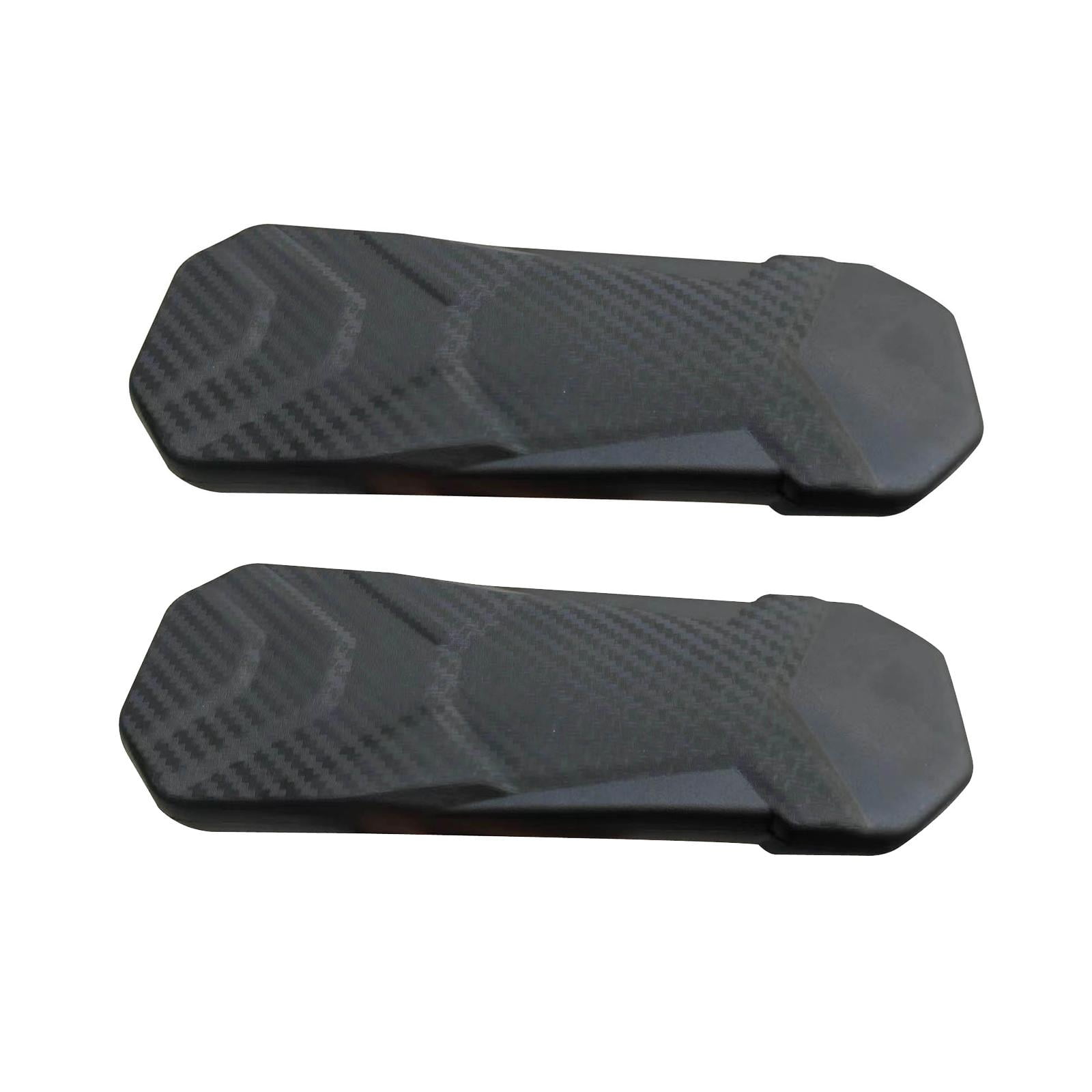
Often, only the foam or covering of the armrest wears out. Universal replacement pads are designed to fit over your existing arm frame or attach via screws. They come in materials like memory foam, gel, or standard polyurethane, with covers in fabric, leatherette, or mesh.
- Best for: Flattened padding, torn upholstery, or if you want extra softness.
- Pros: Affordable, easy to install (usually 2-3 screws), wide compatibility.
- Cons: May not fit all arm shapes; thickness changes arm height slightly.
3. DIY Repairs vs. Replacement
Sometimes a simple fix can extend the life of your armrests. Tightening loose screws, adding adhesive padding, or using zip ties for hairline cracks are temporary solutions. But for long-term comfort and professional appearance, replacement is the better route.
Did you know? A survey by the Office Ergonomics Research Committee found that 68% of office workers experience discomfort due to worn-out armrests. Replacing them can improve typing posture and reduce forearm pain by nearly 40%.
Step-by-Step Guide: How to Replace Office Chair Armrests
Follow these clear steps to swap out your old armrests safely. The process is similar for most chairs. Always consult your chair manual if available.
Step 1: Identify Your Chair's Armrest Type
Examine how the armrest attaches to the seat. Common types:
- Under-seat mount: Bolts go through the seat bottom into the arm bracket.
- Side mount: Screws attach the arm to the side of the seat frame.
- Through-seat mount: Bolts go through the seat pan from the top (rare).
Step 2: Gather Tools and New Parts
You'll typically need:
- Phillips screwdriver or Allen wrench set (check screw heads).
- Possibly a socket wrench for larger bolts.
- Your new replacement armrests or pads.
- Optional: thread-locking fluid for screws.
Step 3: Remove the Old Armrest
Tip the chair on its side. Locate all mounting screws. Remove them carefully. If screws are hidden under plastic caps, gently pry them off with a flathead screwdriver. Keep the screws—they might be reusable with the new parts.
Step 4: Align and Attach the New Armrest
Position the new armrest (or pad) so that the holes align. Hand-tighten screws first to ensure proper fit, then tighten firmly but do not overtighten—plastic can crack. If the new part came with its own screws, use those.
Step 5: Test for Stability and Comfort
Sit in the chair, rest your arms, and check that the height and angle feel natural. Adjust if possible. Wobble-test the armrests; if loose, re-tighten.
Choosing the Right Material for Your Replacement Arm Pads
The material of your new armrest affects comfort, durability, and appearance. Here’s a quick comparison:
Memory Foam Pads
- Comfort: Molds to arm shape, excellent pressure relief.
- Durability: Good, but may lose shape over years.
- Best for: Users with sensitive elbows, long sitting hours.
Gel-infused Pads
- Cooling: Reduces heat buildup.
- Support: Firm, even support.
- Best for: Warm environments, those who experience sweaty arms.
Leatherette / PU Covers
- Appearance: Professional, easy to clean.
- Feel: Smooth, but can get sticky in heat.
- Best for: Executive offices, easy maintenance.
Fabric / Mesh Covers
- Breathability: Excellent airflow.
- Feel: Soft, may stain easier.
- Best for: Casual/home offices, breathability priority.
When Replacement Doesn’t Work: Other Fixes
If your armrests are integrated into the seat shell (molded plastic) or the chair is very cheap, replacement might not be possible. In those cases, consider:
- Armrest Covers/Sleeves: Slip-on padded covers that add cushioning.
- Adhesive Foam Pads: Stick-on padding for temporary relief.
- Professional Repair: Some office furniture dealers offer welding or part fabrication.
Frequently Asked Questions About Office Chair Armrest Replacement
Final Thoughts: Extend Chair Life, Improve Comfort
Replacing office chair armrests is one of the most cost-effective ergonomic upgrades you can make. It’s a simple DIY project that takes less than 30 minutes but pays off daily in comfort. Whether you opt for plush memory foam pads or sturdy adjustable assemblies, your shoulders and elbows will thank you. Don’t tolerate worn-out armrests—refresh your chair and keep working in comfort.