
The Challenge of Finding Comfortable Office Chairs for Big Guys
If you're a bigger guy, you've likely experienced the frustration of standard office chairs. The armrests dig into your sides. The seat feels like it's squeezing your hips. After a few months, the cushion flattens, and you're essentially sitting on a plywood board. Within a year, the gas lift starts sinking. It's not just uncomfortable—it's demoralizing.
The reality is that most office chairs are designed for "average" body types—typically someone weighing under 250 pounds with a hip width of 18-20 inches. According to ergonomic research from the National Institute for Occupational Safety and Health, approximately 42% of American men exceed these standard chair specifications. Yet the market has been slow to respond with genuinely comfortable, well-engineered options.
The Hard Truth: A 2023 ergonomics study found that 68% of larger individuals experience chronic back pain directly linked to inadequate office seating. The same research showed that investing in a properly sized heavy-duty chair reduced workplace discomfort by 57% and improved productivity by 34% within the first month.
This guide is specifically for big guys who are tired of settling for chairs that don't fit. We're talking about chairs with 22-30 inch seat widths, weight capacities of 400-500 pounds, reinforced steel frames, and cushioning that maintains its integrity for years. Whether you're 6'4" and 280 pounds or 5'10" and 360 pounds, there's a comfortable office chair designed for your body type.
What Makes an Office Chair Truly Comfortable for Big Guys?
Comfort isn't subjective when it comes to larger body types—there are specific engineering requirements that separate genuinely comfortable heavy-duty chairs from standard chairs that simply claim to be "big and tall." Here are the non-negotiable features:
🪑 Seat Dimensions
- Width: Minimum 22 inches, ideally 24-28 inches
- Depth: 20-22 inches to support full thigh
- Cushion thickness: 4-6 inches high-density foam
- Waterfall edge: Reduces pressure on thighs
🏋️ Weight Capacity
- Minimum: 400 pounds for safety margin
- Optimal: 450-500 pounds for longevity
- Tested to: BIFMA standards (business furniture manufacturers association)
- Safety factor: 15-25% above your weight
🔩 Frame Construction
- Material: Reinforced steel or heavy-duty nylon
- Base diameter: 28-30 inches minimum
- Cylinder: Class 4 or 5 gas lift (highest rating)
- Mechanism: Heavy-duty tilt with metal components
🛞 Casters & Mobility
- Type: Dual-wheel heavy-duty casters
- Material: Hard floor or carpet specific
- Weight rating: Matched to chair capacity
- Braking: Optional locking casters for stability
Complete Size Guide: What to Measure Before You Buy
Before shopping for a comfortable office chair, take these five measurements. Write them down—they'll be your guide to finding the perfect fit:
| Measurement | How to Measure | Recommended for Big Guys |
|---|---|---|
| Hip Width (Seated) | Sit on a flat surface, measure across the widest part of your hips | Add 2-4 inches to this measurement for seat width |
| Thigh Length | From back of buttocks to back of knee, seated with feet flat | Seat depth should be 1-2 inches less than this length |
| Shoulder Height (Seated) | From seat surface to top of shoulder | Backrest should reach at least mid-shoulder blade |
| Floor to Knee | Seated, measure from floor to top of thigh behind knee | Ensures proper seat height range (usually 19-23 inches) |
| Current Weight | Use accurate scale, include typical work attire | Choose chair rated 50-100 lbs above this number |
📏 Pro Tip: The "Two-Finger Rule" for Seat Width
When sitting in a properly sized chair, you should be able to slide two fingers between your hip and each armrest or side edge. If your hips are touching the sides, the chair is too narrow. If there's more than 3 inches of space on each side, the chair may be too wide to provide proper lateral support.
Material Matters: Choosing the Right Upholstery for Bigger Bodies
The material covering your chair isn't just about looks—it directly affects comfort, temperature regulation, and durability. Here's how different materials perform for big guys:
High-Density Foam: The Foundation of Comfort
This is the most critical component. Standard foam (1.5-1.8 lb density) will compress permanently within months under higher weight. Look for:
- HD36-HR foam: 2.5-3.5 lb density, high resilience
- Cold-cured foam: More durable than heat-cured
- Thickness: Minimum 4 inches in seat, 5-6 inches ideal
- Dual-layer: Firm base layer with softer comfort layer on top
Leather vs. Fabric vs. Mesh: The Big Guy's Perspective
| Material | Advantages for Big Guys | Considerations | Best For |
|---|---|---|---|
| Premium Leather | • Exceptional durability (10-15 years) • Molds to body shape over time • Professional appearance • Easy to clean |
• Can be hot in summer • Requires conditioning • Higher initial cost |
Executives, home offices, climate-controlled environments |
| High-Quality Mesh | • Superior breathability—stays cool • Conforms to body contours • Modern aesthetic • No heat buildup |
• Less padding (combined with foam seat) • May sag over time if low quality • Harder to clean |
Warm climates, all-day sitting, those who run hot |
| Heavy-Duty Fabric | • Good durability (5-8 years) • Warm and comfortable feel • Wide color selection • Often most affordable |
• Can absorb odors and stains • Harder to clean thoroughly • May show wear patterns |
Budget-conscious buyers, casual home offices |
| Hybrid (Mesh Back + Leather/Fabric Seat) | • Best of both worlds • Breathable back, cushioned seat • Often best ergonomics • Good temperature regulation |
• Transition point can feel different • May have style inconsistencies |
Most versatile option for big guys |
Ergonomic Features That Actually Matter for Larger Body Types
Standard ergonomic features are designed for average-sized users. Here's what big guys need to look for:
1. Adjustable Lumbar Support That Actually Reaches
On standard chairs, lumbar support often hits too low on larger frames. Look for:
- Height-adjustable lumbar: Range of at least 4-6 inches
- Depth adjustment: Ability to increase support pressure
- Wider contact area: At least 10-12 inches wide to support entire lower back
- Firmness control: Some chairs allow you to adjust how pronounced the curve is
2. Armrests That Accommodate Broad Shoulders
Narrow armrests force you to hunch or sit awkwardly. Essential features:
- Width-adjustable: Ability to slide armrests outward 2-4 inches
- Height range: At least 7-10 inches of adjustment
- Pivot capability: Armrests that angle in or out
- Width between armrests: Minimum 22 inches when fully open
3. Seat Depth Adjustment for Proper Thigh Support
Big guys often have longer thighs. Seat depth adjustment allows you to:
- Slide the seat forward or backward 2-3 inches
- Ensure 2-3 finger gap behind knees when seated properly
- Maintain full thigh support without pressure on calves
- Adjust as clothing changes (winter vs summer pants)
4. Recline Mechanism That Doesn't Tilt Forward
Standard synchro-tilt mechanisms often pitch the seat forward when reclining—uncomfortable for larger bodies. Look for:
- Knee-tilt or center-tilt: Seat remains level while back reclines
- Multi-position lock: Ability to lock at any recline angle
- Adjustable tension: Can be set for your specific weight
- Recline range: At least 120-130 degrees for relaxation
Comfort Features Checklist: What to Look For
Use this checklist when evaluating comfortable office chairs for big guys. The more boxes checked, the better the chair will perform for you:
✅ Non-Negotiable Features
- ☐ Weight capacity 400 lbs minimum
- ☐ Seat width 22 inches or wider
- ☐ High-density foam (2.5+ lb density)
- ☐ Reinforced steel base (not aluminum)
- ☐ Class 4 or 5 gas lift cylinder
- ☐ Dual-wheel heavy-duty casters
- ☐ 5+ year warranty on frame/mechanism
- ☐ BIFMA certified testing
⭐ Premium Comfort Features
- ☐ Adjustable lumbar (height + depth)
- ☐ 4D armrests (width, height, angle, depth)
- ☐ Seat depth adjustment
- ☐ Independent back recline
- ☐ Headrest (width-adjustable preferred)
- ☐ Waterfall seat edge
- ☐ Gel-infused or memory foam topper
- ☐ Tilt tension adjustable for heavy users
Extending the Life of Your Heavy-Duty Office Chair
A quality comfortable office chair for big guys is an investment. Here's how to protect that investment and ensure 5-8 years of reliable service:
Monthly Maintenance Checklist
- Tighten all bolts and screws - Vibration from daily use loosens connections. Check under the seat, armrest attachments, and base connections.
- Clean the gas lift cylinder - Wipe with a dry cloth to remove dust that can cause squeaking.
- Inspect casters - Remove hair and debris wrapped around wheels. Check for flat spots or cracking.
- Test all adjustments - Ensure levers engage properly and mechanisms move smoothly.
Quarterly Deep Maintenance
- Lubricate moving parts - Use silicone spray on tilt mechanism and gas lift junction. Never use oil-based lubricants that attract dust.
- Condition leather - If leather chair, apply high-quality leather conditioner to prevent drying and cracking.
- Deep clean fabric/mesh - Use upholstery cleaner appropriate for material. Vacuum mesh to remove embedded dust.
- Check gas lift pressure - If chair sinks when sitting, cylinder may need replacement.
When to Replace Your Chair
- Gas lift failure: Chair won't stay at desired height
- Foam compression: You feel the seat base through cushion (less than 1 inch padding left)
- Frame cracks: Visible cracks in base or backrest
- Mechanism failure: Tilt no longer functions or feels unstable
- Persistent discomfort: Even after adjustments, you can't get comfortable
Frequently Asked Questions: Comfortable Office Chairs for Big Guys
Final Thoughts: Investing in Your Daily Comfort
Finding genuinely comfortable office chairs for big guys isn't just about avoiding discomfort—it's about respecting your body enough to provide the support it needs for 8-10 hours daily. The right chair will:
- Eliminate the "squeezed" feeling in your hips and thighs
- Provide cushioning that stays supportive all day, every day
- Give you confidence that your chair won't fail unexpectedly
- Support proper posture and reduce back strain
- Last 5-8 years, making it one of the best investments in your work life
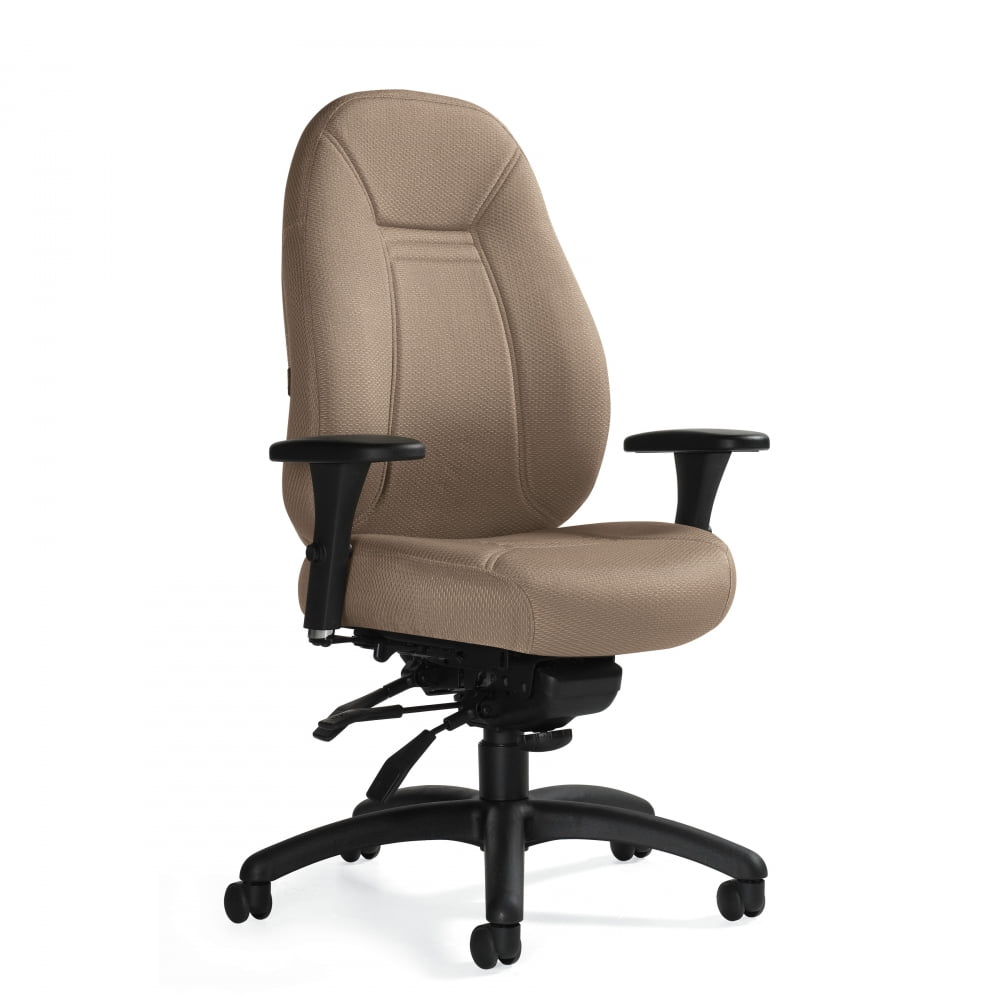
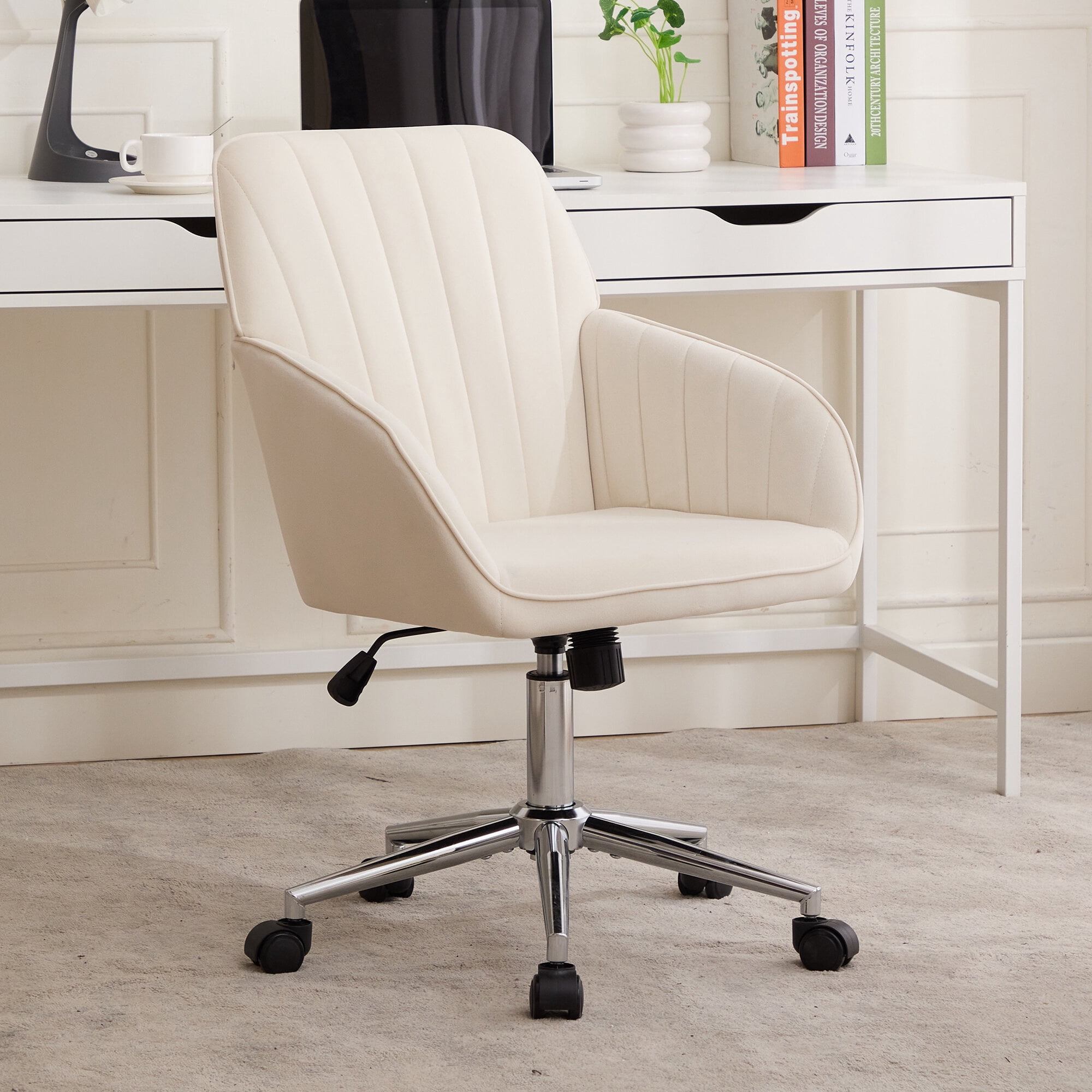
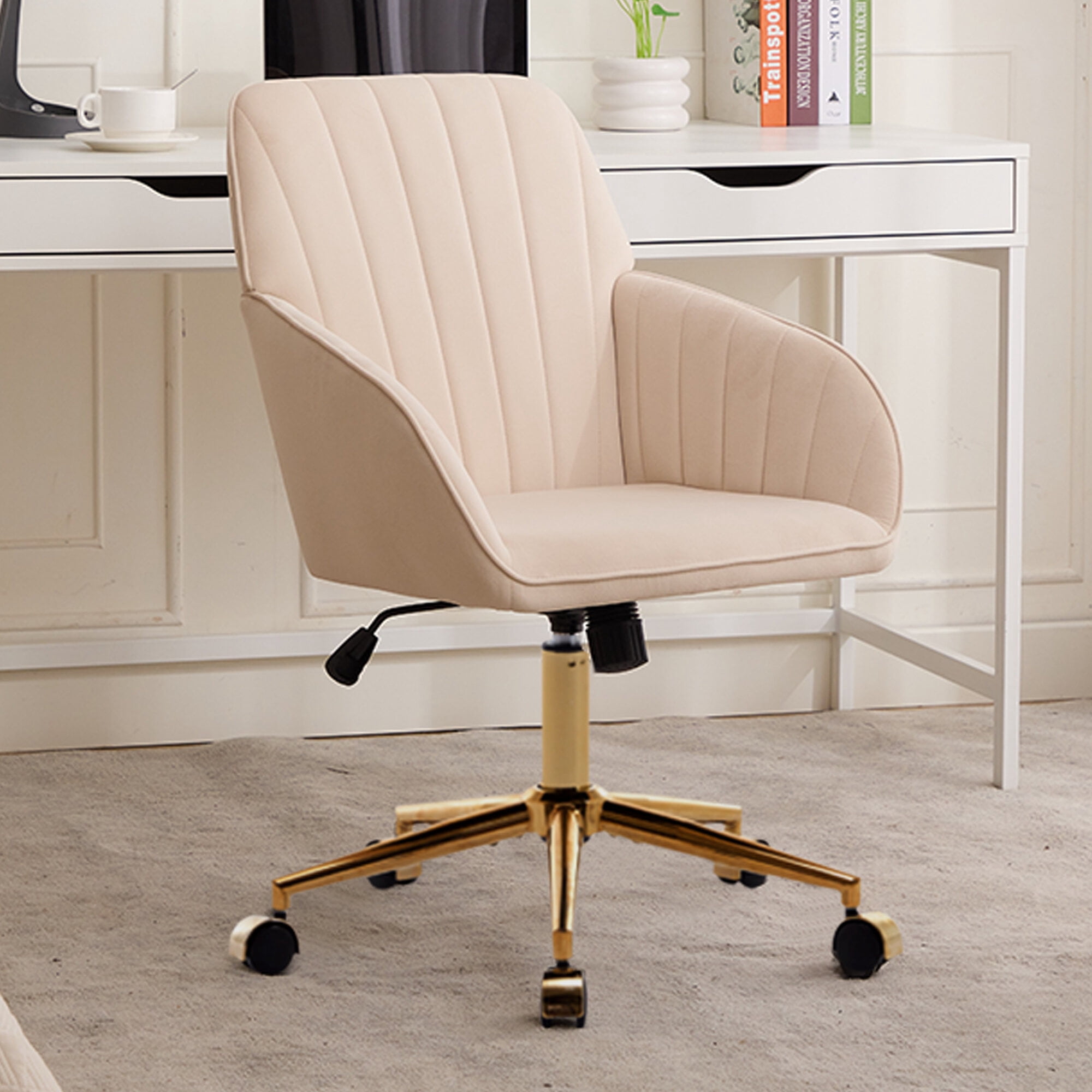
The chairs featured in our product grid above have been selected specifically because they meet the criteria discussed in this guide: proper weight capacity, adequate seat width, quality materials, and features that actually matter for larger body types. Take your time, check the specifications against your measurements, and choose the chair that feels right for your body and your workspace.
Remember: You don't need to "fit" into a standard chair. You need a chair that fits you. With the right comfortable office chair, those 2,000+ hours you'll spend sitting this year can be pain-free, productive, and genuinely comfortable.
Quick Reference: What to Look For By Weight Range
| Your Weight | Minimum Chair Rating | Recommended Seat Width | Gas Lift Class | Base Material |
|---|---|---|---|---|
| 250-300 lbs | 350-400 lbs | 20-22 inches | Class 4 | Heavy-duty nylon or steel |
| 300-350 lbs | 400-450 lbs | 22-24 inches | Class 4 or 5 | Steel reinforced |
| 350-400 lbs | 450-500 lbs | 24-26 inches | Class 5 | Solid steel |
| 400+ lbs | 500+ lbs | 26-30 inches | Class 5 heavy-duty | Oversized steel plate |